
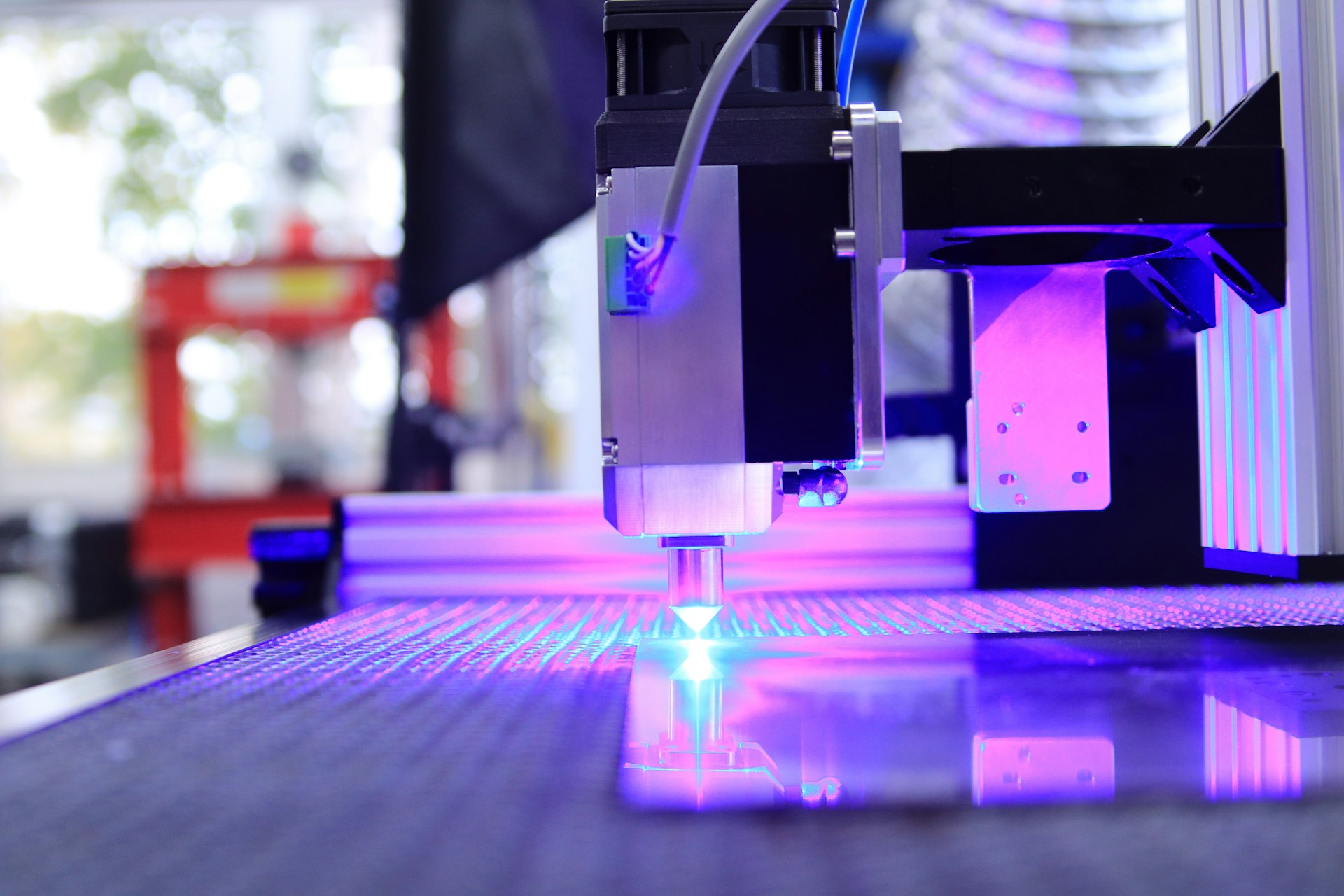
skilled creator assembling a detailed scale model

The New Era of Architectural Models: How 3D Printing Transforms Physical Design

A growing number of architects and designers are turning to new technology to bring concepts to life, and one of the biggest shifts has come from how a model builder now approaches visualisation. Instead of relying solely on manual crafting, professionals can merge craftsmanship with innovation to speed up early-stage design work. This change has allowed more detailed representations to emerge in the early planning phase, helping teams communicate ideas clearly.

Traditional scale models once required hours of cutting, shaping, and refining by hand, but the introduction of 3d printing into the workflow has changed the pace completely. Today, firms can test proportions, experiment with layouts, and refine structural details before committing to final drawings. This evolution has made it easier for a model builder to streamline tricky or repetitive tasks while still maintaining a high level of accuracy and artistic intention.

Creating an architectural model was once a slow, intricate process, often limited by the materials available. With digital tools and advanced fabrication methods, designers can now replicate curves, interiors, textures, and complex patterns in ways that were previously impossible. And as 3d printing continues to advance, it’s opening new creative and practical possibilities for both small and large projects.

Why Technology Has Transformed Physical Design Models

The arrival of additive manufacturing has made precise, reliable replicas far more attainable. Instead of shaping foam, cardboard, or wood by hand, teams can translate digital drawings directly into scaled components. This gives architects the opportunity to see how a concept will behave in real-world space long before construction begins.

Another major benefit is the ability to experiment. When ideas can be printed quickly and adjusted with ease, it encourages designers to try more daring structural elements. Complex rooflines, organic curves, and multi-layered façades become easier to showcase without excessive manual labour, making early visualisation far more dynamic.

In many firms, these tools also help reduce errors. By printing individual sections separately, problems can be spotted early, allowing professionals to fix proportions, alignment, or spacing before committing to full presentations.

How 3D Printing Improves Accuracy and Detail

One of the biggest strengths of additive fabrication is its ability to recreate minute details. Layer-by-layer construction allows tiny elements—such as window frames, decorative trims, stair rails, and façade textures—to appear with remarkable precision. These details were once extremely time-consuming to produce by hand.

To achieve this, many design teams break down a structure into components so the final architectural model shows depth and realism. The process also helps when demonstrating spatial flow, allowing clients to better understand movement between rooms and levels.

In addition, 3d printing enables the use of different materials depending on the effect required. Some sections may be printed with rigid plastics for stability, while more flexible filaments can be used for unusual shapes or unique design features. This flexibility makes each model more expressive and adaptable.

Steps a Model Maker Might Follow

The workflow can vary slightly between firms, but the general stages remain consistent. Many teams follow a structure similar to this:

  1. Translate sketches or CAD drawings into a printable digital format.

  2. Break the project into smaller parts suitable for fabrication.

  3. Print each section using chosen materials and settings.

  4. Assemble, refine, and paint the finished components.

  5. Add landscape, lighting, or surrounding structures if required.

This process gives both architects and clients a tangible representation of the future build, often leading to faster approvals and more confident decision-making.

Benefits for Client Presentations and Approvals

Physical models remain a powerful communication tool, especially when proposals need to be presented to stakeholders who may not interpret floor plans easily. When the structure is displayed in three dimensions, discussions become clearer and more engaging.

Clients can interact with the materials, get a sense of scale, and visualise how different volumes connect. This often leads to more productive feedback sessions, and because alterations can be implemented quickly, revisions no longer stall the project timeline.

Moreover, 3d printing helps firms create multiple display versions for open days, exhibitions, or investment pitches without significantly increasing production costs.

Sustainability and Material Efficiency

The ability to print only what is needed dramatically reduces waste. Laser cutting and hand-shaping often produce offcuts that cannot be reused, but additive processes generate minimal scrap. Environmentally friendly filament options are also becoming more common, allowing firms to reduce ecological impact.

This efficiency is especially useful when producing large or repeated architectural elements. If a model requires numerous identical pieces, each one can be printed consistently without added labour.

The Future of Scaled Architectural Representations

As technology evolves, we can expect even greater realism. Multi-material printers, colour-integrated fabrication, and faster production methods are already entering the industry. These improvements will make the architectural model even more integral to planning, marketing, and problem-solving.

What was once seen as a supplementary tool is now a critical part of the design process. By merging digital innovation with traditional craftsmanship, professionals are finding new ways to express creativity while enhancing accuracy and efficiency.

hotel architects

A Guide to Architectural Specialties and Their Unique Focus Areas

Architecture is a varied and imaginative field that mixes art and science to form the areas we live, work, and play in. While all designers share fundamental training, numerous select to focus on particular niches, refining their abilities to fulfill the distinct needs of specific jobs. One such expertise is that of hotel designers, specialists who create areas accommodating hospitality and visitor experiences. Let’s check out the different designer specializeds, consisting of hotel designers, and what makes each distinct.

1. Residential Architects

Residential designers concentrate on developing homes, varying from single-family homes to extensive estates and multi-unit advancements. Their work focuses on producing areas that fulfill the visual choices and practical requirements of people or households. This specialized frequently includes working together carefully with customers to guarantee their vision is shown in the last style. These designers need to think about elements like energy effectiveness, zoning laws, and long-lasting use to produce comfy and sustainable home.

2. Commercial Architects

Commercial designers style areas for organizations and companies. Their work covers office complex, retail areas, and mixed-use advancements. These designers focus on performance and success, making sure that their styles line up with a company's functional requirements while likewise being aesthetically interesting clients. Key factors to consider consist of foot traffic circulation, lighting, and adherence to brand name identity. Their work frequently converges with other specializeds, such as hotel designers, when developing big business homes with hospitality elements.

3. Landscape Architects

Not all designers concentrate on structures. Landscape designers focus on developing outside areas, such as parks, gardens, and city plazas. Their work highlights consistency in between natural and developed environments, frequently incorporating components like water functions, paths, and green areas to boost the visual and practical worth of outside locations. These designers need to stabilize ecological sustainability with customer requirements, making them crucial gamers in city preparation jobs.

4. Interior Architects

Interior designers concentrate on the style and performance of indoor areas. Unlike interior designers, who mainly handle visual appeals, interior designers deal with the structural and spatial elements of interiors. They think about elements such as lighting, acoustics, and ergonomics to produce areas that are both stunning and useful. This specialized is important in jobs like hotels, where the know-how of hotel architects is matched by interior designers to provide cohesive visitor experiences.

5. Sustainable Architects

As the world ends up being more mindful of ecological obstacles, sustainable designers play a critical function in producing environmentally friendly styles. Their work concentrates on decreasing the ecological effect of structures through energy-efficient styles, usage of sustainable products, and incorporation of green innovations like photovoltaic panels and rainwater harvesting systems. They frequently work together with other specializeds to guarantee sustainability is incorporated throughout all elements of a job.

6. Urban Architects

Urban designers, likewise referred to as city organizers, concentrate on the style and company of cities and neighborhoods. Their work includes producing master strategies for areas, transport systems, and public areas. They goal to boost city living by enhancing ease of access, decreasing blockage, and making sure sustainability. Urban designers need to work together with policymakers, engineers, and other stakeholders to bring their visions to life.

7. Industrial Architects

Industrial designers focus on developing centers for production, warehousing, and circulation. These designers concentrate on performance and effectiveness, making sure that their styles fulfill the functional requirements of commercial procedures. Key factors to consider consist of workflow optimization, security requirements, and compliance with market guidelines. Their styles frequently include big open areas, robust structural components, and simple gain access to for heavy equipment.

8. Hotel Architects

Among the numerous architectural specializeds, hotel designers stick out for their capability to craft areas that focus on visitor convenience, functional effectiveness, and visual appeal. Their work frequently includes developing grand lobbies, glamorous suites, and modern features that deal with varied tourists. Hotel designers need to likewise stabilize visual appeals with performance, making sure that their styles accommodate whatever from high visitor traffic to energy effectiveness.

For circumstances, the design of a hotel need to think about optimum space positioning to take full advantage of views while decreasing sound. Additionally, hotel designers frequently incorporate ingenious functions like clever space controls and sustainable products to boost visitor experiences and fulfill contemporary needs.

9. Restoration Architects

Restoration designers focus on maintaining and bring back historic structures. Their work includes preserving the stability of structures while adjusting them for contemporary usage. This needs a deep understanding of architectural history, products, and building methods. Restoration designers frequently work together with historians and preservation specialists to guarantee their jobs honor the initial style while satisfying modern requirements.

10. Healthcare Architects

Healthcare designers style medical facilities, centers, and medical research study centers. Their work highlights performance, security, and convenience for both clients and personnel. These designers need to think about elements like infection control, ease of access, and effective workflows to produce areas that support health and wellness. Specialized understanding of medical devices and regulative requirements is important in this field.

The architectural occupation is abundant with chances for expertise, each offering distinct obstacles and benefits. From domestic and business designers to specialized fields like hotel designers, each plays a crucial function in forming the world we reside in. By comprehending the subtleties of these specializeds, customers can select the best specialist for their particular requirements, making sure that their jobs are brought to life with know-how and imagination.

Life of Stone

Uncover the Value of Natural Stone with the Life Of Stone Mindset

From ancient monoliths to today’s architectural landmarks, natural stone has actually stood as a testimony to endurance, elegance, and artistry. Across South Africa, a nation where standard worths mix flawlessly with modern-day style goals, more property owners and designers are finding the enduring appeal of the Life of Stone. But this isn’t simply about picking an aesthetically pleasing product — it’s about welcoming a way of life rooted in nature, strength, and classic style.

When we speak about the Life of Stone, we’re describing more than the visual aesthetic of natural products. It represents a purposeful style approach — one that values strength, earth-born textures, and a deep connection to the natural world. Stone surface areas are not just useful; they stimulate a sense of permanence and improved taste. Whether included into cooking areas, restrooms, yards, or function walls, stone includes an apparent character that artificial options just cannot reproduce.

In homes throughout the nation, specifically in areas where ever-changing temperature levels and outdoor-indoor living prevail, South Africans are significantly picking products that carry out in addition to they motivate. The Life of Stone makes best sense here. Granite counter tops provide cool performance, while marble vanities provide an air of luxury. Travertine cladding and sandstone pathways produce tranquil garden leaves that feel both grounded and glamorous. Each piece, each tile, narrates that covers centuries — crafted by nature, chosen by hand, and brought to life in your house.

Why Natural Stone Works So Well in South African Design

South Africa’s varied environments and differed architectural designs make natural stone a useful and stunning service. In hotter areas, stone floor covering assists manage indoor temperature levels. In seaside homes, stone cladding withstands rust and weathering. Mountain retreats, on the other hand, gain from the rustic heat of slate or quartzite.

The Life of Stone fits both modern and standard areas — from streamlined city lofts in Cape Town to roomy farmhouses in the Karoo. Its flexibility enables it to mix with wood, glass, and metal components, producing a well balanced visual that is at when earthy and improved. Unlike numerous manufactured surface areas, natural stone doesn’t date rapidly. It grows with your area, establishing character in time.

A Sustainable, Long-Lasting Investment

More than ever, mindful customers are prioritising eco-friendly options. Stone is a natural, sustainable product that needs very little processing. Choosing to live the Life of Stone likewise indicates minimizing your carbon footprint. Unlike laminate or plastic-based surfaces, stone has durability — it’s not something you change every couple of years.

Sourcing regional stone not just supports South African markets and craftsmens however likewise removes the emissions associated with abroad shipping. And due to the fact that stone ages with dignity, its requirement for repair work or replacement is far lower than a lot of artificial options, making it an economical option in the long term.

Selecting the Right Stone for Each Space

Different kinds of natural stone serve various functions. Granite stays a popular choice for cooking areas due to its scratch and heat resistance. It’s suitable for household homes or home entertainment locations. Marble, though more permeable, is best for restroom vanities, declaration fireplaces, or stylish entranceways.

Quartz — a crafted stone — is significantly being utilized for its consistency and low upkeep appeal. Porcelain pieces, although not technically stone, deal comparable advantages and ultra-modern looks. When used properly, any of these products can enter into your Life of Stone, supplied you deal with a skilled installer acquainted with regional conditions.

Elevate Your Home With Meaning and Texture

Natural stone doesn’t simply improve a home — it narrates. Each piece is a piece of geological history, formed under the earth’s crust over countless years. When you set up stone surface areas, you bring that tradition into your area. The result is more than stunning; it’s significant.

Let your kitchen area counter tops mention sturdiness and heat. Let your garden courses stimulate serenity and connection to nature. Let your restroom seem like a medspa took of the earth. Embracing the Life of Stone has to do with picking credibility over artificiality, permanence over passing patterns.