
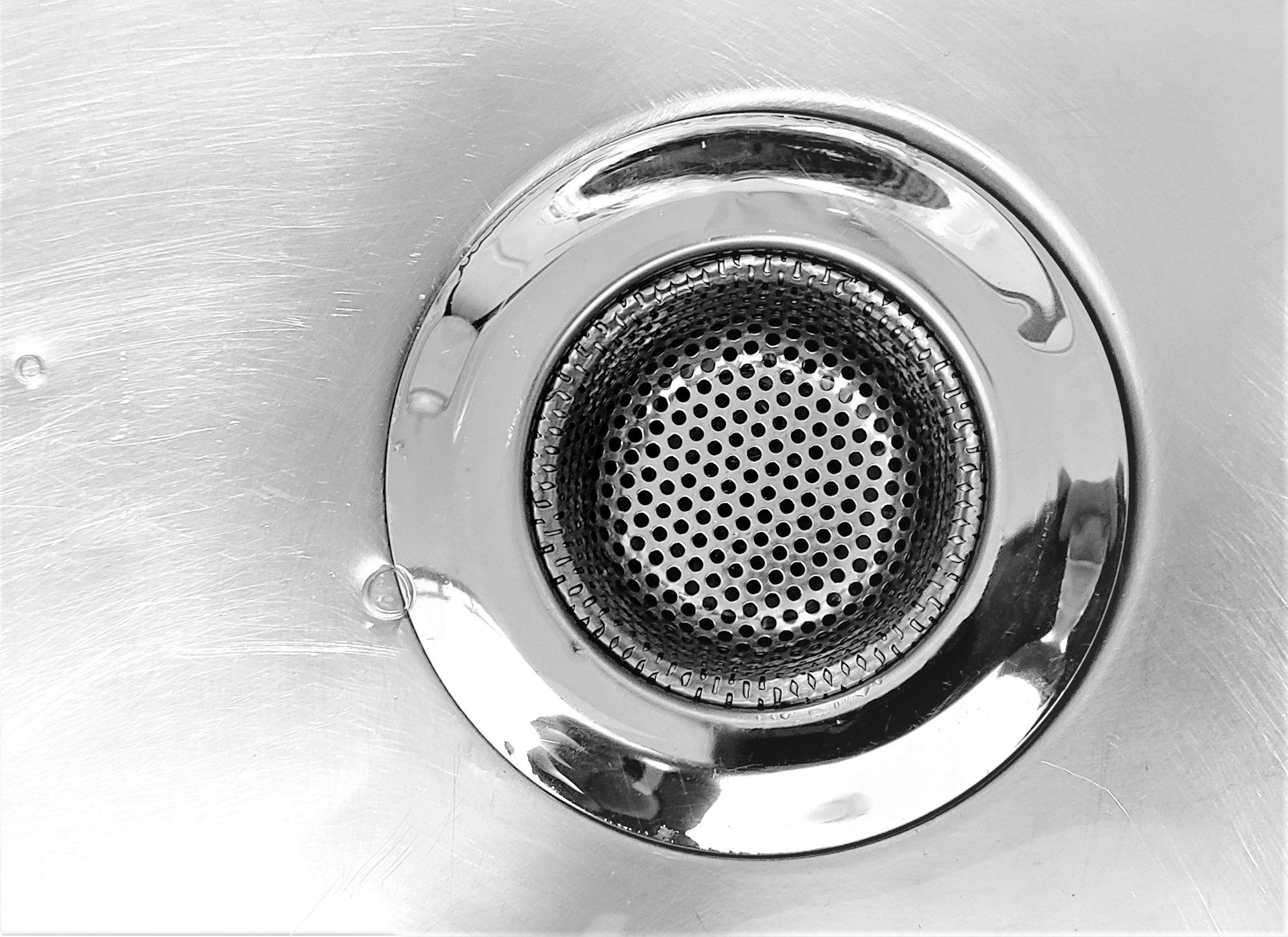
close-up of a clogged drain being cleaned

Drain Cleaning vs. DIY Unclogging: When to Call a Professional Plumber

Blocked sinks and slow-moving drains are more than a minor inconvenience. They disrupt daily routines, create unpleasant odours, and can signal deeper plumbing issues developing out of sight. Many homeowners initially reach for household remedies before considering professional drain cleaning, hoping for a quick and inexpensive fix.

In some cases, a simple blockage can be resolved without outside help. In others, what appears to be a minor clog may be the early warning sign of structural pipe damage, invasive tree roots, or years of accumulated debris. Understanding the difference is essential, especially when plumbing systems form part of your home’s long-term value and safety.

Knowing when to attempt a DIY solution and when to call a qualified plumber protects both your property and your budget. Acting too late can lead to burst pipes, water damage, or even health risks from sewage backups. Making informed decisions ensures your drainage system continues to function efficiently and safely.

Understanding What Causes Drain Blockages

Most household blockages develop gradually. Grease, soap residue, food scraps, hair, mineral buildup, and foreign objects slowly accumulate along pipe walls. Over time, the internal diameter of the pipe narrows until water can no longer pass freely.

In kitchens, grease and oils are frequent culprits. These substances may flow easily when hot but solidify as they cool, trapping other debris. Bathrooms present a different challenge, where hair combines with soap scum to form dense obstructions.

Outside the home, underground drainage lines face additional risks. Tree roots can penetrate small cracks in pipes, expanding as they grow and restricting water flow. Shifting soil and aging materials may also cause pipe misalignment or collapse.

Recognising the underlying cause determines whether a simple remedy will work or whether professional intervention is necessary.

When DIY Unclogging Can Be Effective

Minor clogs near the surface often respond well to basic household tools. If water drains slowly but does not completely back up, the blockage may be close to the fixture.

Homeowners commonly try:

  • A plunger to create pressure and dislodge debris

  • A drain snake or auger for shallow blockages

  • Removing and cleaning the P-trap beneath sinks

  • Hot water flushing for mild grease buildup

These methods are generally safe when used correctly and can restore normal flow in uncomplicated cases.

However, caution is critical. Chemical drain cleaners may promise instant results, but repeated use can corrode pipes, weaken joints, and create environmental hazards. In older plumbing systems, harsh chemicals may accelerate deterioration rather than solve the problem.

DIY approaches are best reserved for isolated, minor clogs. If symptoms persist or worsen, further action is required.

Warning Signs That Indicate a Deeper Problem

Certain symptoms suggest the issue extends beyond a simple blockage. Ignoring these warning signs can allow small issues to escalate into major repairs.

Watch for:

  • Multiple fixtures draining slowly at the same time

  • Gurgling sounds from toilets or sinks

  • Water backing up into showers or tubs

  • Persistent foul odours

  • Recurring clogs despite repeated attempts to clear them

These signs often point to a blockage in the main sewer line or a structural defect within the plumbing system. Professional assessment becomes essential at this stage.

Delaying proper intervention increases the risk of overflow and contamination. Sewage backups, in particular, pose serious health risks due to bacteria and harmful pathogens.

The Advantages of Professional Drain Cleaning

When a blockage is complex or deeply embedded, specialised equipment makes the difference. Professional plumbers use advanced diagnostic tools such as drain cameras to inspect pipes internally. This eliminates guesswork and identifies the exact source of the problem.

High-pressure hydro jetting systems can remove years of hardened grease, sludge, and mineral buildup without damaging pipe walls. Mechanical augers designed for heavy-duty use reach further than consumer-grade tools and clear obstructions more thoroughly.

Professional drain cleaning also addresses root causes rather than symptoms. If tree roots are present, a plumber can recommend long-term solutions such as pipe repair or replacement.

Most importantly, professional service reduces the likelihood of recurring problems. While DIY fixes may offer temporary relief, expert treatment restores full pipe capacity and improves overall system performance.

Financial Considerations: Short-Term Savings vs. Long-Term Costs

DIY unclogging appears cost-effective at first glance. Basic tools are affordable, and many homeowners prefer to avoid service fees.

Yet repeated attempts can increase costs over time. Purchasing multiple chemical treatments, renting equipment, or repairing accidental pipe damage can quickly exceed the price of a professional visit.

Water damage resulting from unresolved blockages is significantly more expensive. Repairs to flooring, cabinetry, and structural components often involve thousands in restoration costs.

Investing in professional care early may prevent larger financial burdens later. Proper maintenance protects both property value and household hygiene.

Health and Safety Implications

Blocked drains are not merely inconvenient. Standing water becomes a breeding ground for bacteria and insects. Sewage exposure can cause gastrointestinal illness, respiratory issues, and skin irritation.

Chemical cleaners introduce additional hazards. Fumes may irritate lungs and eyes, especially in poorly ventilated spaces. Accidental splashes can cause burns.

Professional plumbers are trained to handle hazardous situations safely. Protective equipment and industry protocols minimise risk during repairs.

When health concerns arise, prioritising safety over short-term savings is a prudent decision.

Preventative Measures to Reduce Future Blockages

Prevention remains the most effective strategy for maintaining a healthy plumbing system. Small changes in daily habits significantly reduce clog formation.

Practical prevention steps include:

  • Avoid pouring grease or oil down sinks

  • Install drain strainers to catch hair and debris

  • Flush drains periodically with hot water

  • Schedule periodic inspections for older plumbing systems

Routine maintenance extends pipe lifespan and reduces emergency calls. In properties with mature trees, regular inspections help detect root intrusion before severe damage occurs.

A proactive approach reduces stress and protects infrastructure.

Making the Right Call for Your Home

The decision between DIY methods and professional assistance depends on severity, recurrence, and overall system condition. Minor surface clogs may respond to simple tools. Persistent or widespread issues demand expert evaluation.

When multiple warning signs appear, relying solely on household remedies risks escalating damage. Plumbing systems are interconnected; what seems isolated may affect the broader network.

Experienced plumbers provide accurate diagnostics, durable solutions, and compliance with building standards. Their expertise ensures that underlying issues are resolved, not masked.

Addressing drainage concerns promptly supports household hygiene, structural integrity, and long-term property value. Thoughtful decision-making today prevents costly complications tomorrow, keeping your plumbing system reliable and efficient for years to come.

laminate flooring near me

Comparing Laminate Flooring to Wood, Tile, and Vinyl: Pros and Cons

Choosing the best floor covering can totally change the look of your home. From natural wood to ceramic tiles and high-end vinyl, the range of options readily available today can feel frustrating. Among the numerous competitors, one alternative that continues to get appeal is laminate — a flexible and frequently affordable option to conventional products.

For numerous South African property owners, laminate floor covering supplies a useful service that mixes design and function. It provides the visual of wood or stone at a portion of the cost, making it a popular option for both remodellings and brand-new builds. As individuals progressively look for laminate floor covering near me, providers and installers are broadening their offerings, making it more available than ever.

Understanding what laminate floor covering truly is, and how it compares to other choices, is essential before deciding. It’s more than simply a surface area — it’s a fundamental aspect of your home, one that affects whatever from convenience and acoustics to toughness and cleansing regimens.

What Is Laminate Flooring Made Of?

Laminate floor covering is an artificial item that normally includes 4 layers:

  1. Wear Layer: A clear, protective surface area that withstands scratches, discolorations, and fading.

  2. Design Layer: This high-resolution image layer offers laminate its reasonable wood or stone look.

  3. Core Layer: Made of high-density fiber board (HDF), offering structure and effect resistance.

  4. Backing Layer: Stabilises the slab and includes wetness resistance.

Each layer contributes in making laminate resilient, simple to set up, and aesthetically enticing. Thanks to contemporary printing and embossing innovations, lots of people can’t discriminate in between laminate and genuine wood in the beginning look.

How Does It Compare to Hardwood?

Hardwood floor covering has actually long been thought about the gold requirement in home style. It's made from strong wood and can last years if correctly kept. However, it does feature greater expenses and upkeep requirements. Moisture can harm wood, and it’s more susceptible to scratches and damages in time.

Laminate, on the other hand, is even more budget-friendly and frequently much easier to set up. While it can't be refinished like strong wood, it provides strong resistance to everyday wear and tear. For homes with kids, family pets, or high foot traffic, laminate can be a more useful option.

What About Tile and Vinyl?

Ceramic or porcelain tiles are understood for their water resistance, making them perfect for bathroom and kitchens. They likewise offer a cool surface area in hot environments, which numerous South African homes take advantage of. However, tile can be pricey to set up and might feel tough or cold underfoot.

Luxury vinyl floor covering provides a number of the exact same visual advantages as laminate however is frequently more waterproof and softer to stroll on. Still, laminate tends to use a more reasonable wood look, specifically in mid-range or exceptional choices.

Pros and Cons at a Glance

When comparing laminate floor covering to other surface areas, it’s handy to take a look at a couple of fast highlights:

Advantages:

  • Affordable alternative to wood or tile

  • Simple click-lock setup for do it yourself jobs

  • Wide series of designs, textures, and surfaces

  • Durable and scratch-resistant

  • Low upkeep — no waxing or refinishing needed

Disadvantages:

  • Not water resistant — spills need to be cleaned up rapidly

  • Can feel hollow or loud without a correct underlay

  • Cannot be sanded or refinished

  • Less ideal for high-humidity locations like restrooms

These points can assist you rapidly examine whether laminate fits your particular requirements, way of life, and budget plan.

Where Laminate Flooring Works Best

If you're searching laminate floor covering near me, it’s a great concept to think about where in your house this product will carry out finest. Ideal locations consist of:

  • Bedrooms and living spaces

  • Hallways and office

  • Dining locations and playrooms

These areas normally remain dry and experience constant foot traffic, making laminate a trusted option. While it's possible to set up laminate in kitchen areas, it is necessary to take additional safety measures — like sealing joints and cleaning up spills instantly — to avoid moisture-related damage.

What to Consider Before You Buy

Not all laminate floor covering is developed equivalent. Pay attention to the air conditioner ranking (Abrasion Class) to determine toughness — for instance, AC3 appropriates for property usage, while AC4 or AC5 works much better for industrial or high-traffic locations. Also, consider underlay requirements, specifically if you’re setting up over concrete or require included sound insulation.

It’s smart to see samples personally to see how colours and textures search in your area. Even if you're beginning your search online, going to a regional provider can offer you a clearer concept of the item’s quality. Many individuals who look for laminate flooring near me wind up discovering much better choices and prices by dealing with regional sellers who comprehend local choices and conditions.

A terrific flooring ought to look excellent, feel comfy, and withstand daily life. Laminate floor covering handles to tick a great deal of boxes, specifically for property owners trying to find design on a budget plan. Whether you're upgrading a single space or preparing a complete remodelling, it deserves thinking about how laminate compares to other products in regards to expense, look, and usefulness.

plumbers near me

Common Plumbing Issues Homeowners Face and Simple Fixes

Owning a home brings both rewards and duties. One significant duty that frequently captures house owners off guard is handling pipes concerns. From small leakages to significant pipeline bursts, pipes issues can interrupt life, boost energy expenses, and trigger substantial water damage. While some concerns need expert support, there are a couple of that house owners can deal with by themselves. Here, we’ll check out a few of the most typical pipes concerns house owners deal with and talk about useful options for resolving them.

1. Dripping Faucets

One of the most typical pipes concerns in families is a leaking faucet. Though it may look like a small problem, a single leaking faucet can lose numerous gallons of water each year, contributing to energy expenses. The cause is normally a damaged washer or O-ring within the tap. Fortunately, changing these parts is frequently an uncomplicated job.

How to Fix It: Shut off the supply of water to the faucet, then eliminate the faucet deal with to access the washer. Inspect and change any used parts, and reassemble the faucet. For those not sure about managing this repair work, looking for plumbing professionals near me can assist discover an expert who can rapidly fix the issue.

2. Clogged Drains

Clogged drains pipes are another regular pipes issue, particularly in restrooms and cooking areas. Hair, soap residue, food scraps, and grease accumulation are common perpetrators that cause clogs. Left uncontrolled, blocked drains pipes can lead to sluggish drain, undesirable smells, and even damage to pipelines.

How to Fix It: A plunger or a mix of baking soda and vinegar can frequently clear small obstructions. Pour a cup of baking soda into the drain, followed by a cup of vinegar. Let it sit for 15 minutes, then flush with warm water. For more persistent clogs, utilizing a pipes snake or connecting to plumbing professionals can offer a more reliable option.

3. Low Water Pressure

Low water pressure is a typical concern that annoys lots of house owners. It can make jobs like bathing or cleaning meals more lengthy. Causes of low water pressure consist of pipeline leakages, mineral deposits, or a malfunctioning pressure regulator.

How to Fix It: Check if the low water pressure is impacting all taps or simply one. If it’s simply one, tidy the faucet aerator, as mineral accumulation frequently obstructs water circulation. If the whole home is impacted, you might require to examine the primary water valve or water pressure regulator. When do it yourself efforts don’t fix the concern, discovering trustworthy plumbing professionals can make sure a more comprehensive evaluation and option.

4. Running Toilets

A running toilet is another pipes concern that can cause water waste and increased energy expenses. This issue normally comes from a malfunctioning flapper, a fill valve, or a poorly changed float.

How to Fix It: Start by getting rid of the toilet tank cover and checking the parts. If the flapper doesn’t close firmly after flushing, it might require changing. Additionally, examine the fill valve and float for appropriate function. These parts are normally low-cost and simple to change. If the issue continues, a look for plumbing professionals near me can link you with a professional to avoid more water waste.

5. Water Heater Problems

Few pipes concerns are as troublesome as a malfunctioning hot water heater, particularly throughout chillier months. Common concerns consist of no warm water, water that’s too hot, or uncommon sounds from the heating unit tank. These issues can arise from sediment accumulation, a malfunctioning thermostat, or heating component concerns.

How to Fix It: First, examine the thermostat settings. If they’re proper however you still do not have warm water, attempt draining pipes the tank to eliminate any sediment accumulation. This procedure might need expert tools and understanding, so if you’re uncertain, it’s smart to look for aid from a plumbing. An expert plumbing technician can securely service the hot water heater, guaranteeing it operates effectively and extends its life-span.

6. Burst Pipes

A burst pipeline can be an extreme emergency situation, triggering flooding and water damage in minutes. Often happening in chillier months, burst pipelines arise from freezing and thawing cycles that deteriorate the metal.

How to Fix It: First, turned off the primary supply of water to avoid more water circulation. Drain any staying water from taps to ease pressure in the pipelines. After including the leakage, look for support instantly. Search for "plumbers near me" to discover a plumbing who can fix or change the pipeline and aid avoid future damage.

7. Sump Pump Failure

For homes with basements, a sump pump is vital in keeping the location dry. If the sump pump stops working, your basement might flood, causing water damage and pricey repair work. Sump pump concerns might develop from a stopped up consumption, a malfunctioning switch, or power failure.

How to Fix It: Regular upkeep is essential for sump pumps. Remove any particles around the consumption, and evaluate the pump by putting water into the sump pit to guarantee it triggers. If the pump still doesn’t work, it might require to be changed. Professional support is frequently advised, so a fast look for "plumbers near me" can link you with a plumbing experienced in sump pump repair work and setups.

8. Leaky Pipes

Leaky pipelines are among the most typical pipes concerns and can cause water damage, mold development, and increased water expenses. Leaks frequently take place at pipeline joints or from fractures in the pipelines themselves, particularly if they’re old or rusty.

How to Fix It: If the leakage is small, pipeline clamps or epoxy putty can offer a momentary repair. However, long-lasting repair work frequently need changing areas of pipeline, which is finest dealt with by an expert. Using plumbing professionals near you can assist you find a plumbing to examine the scenario and make required repair work to avoid more damage.

Plumbing issues can be aggravating, however lots of are workable with a little bit of do it yourself knowledge and routine upkeep. By resolving small concerns early on, house owners can frequently prevent the requirement for comprehensive repair work and pricey damage. However, for significant repair work or when in doubt, connecting to an expert is constantly the very best strategy.

By keeping the contact details of trustworthy plumbers near me helpful, house owners can make sure fast, expert support when it’s required most. Whether it’s a leaking faucet or a burst pipeline, resolving these concerns immediately will assist preserve a safe and effective home environment.