
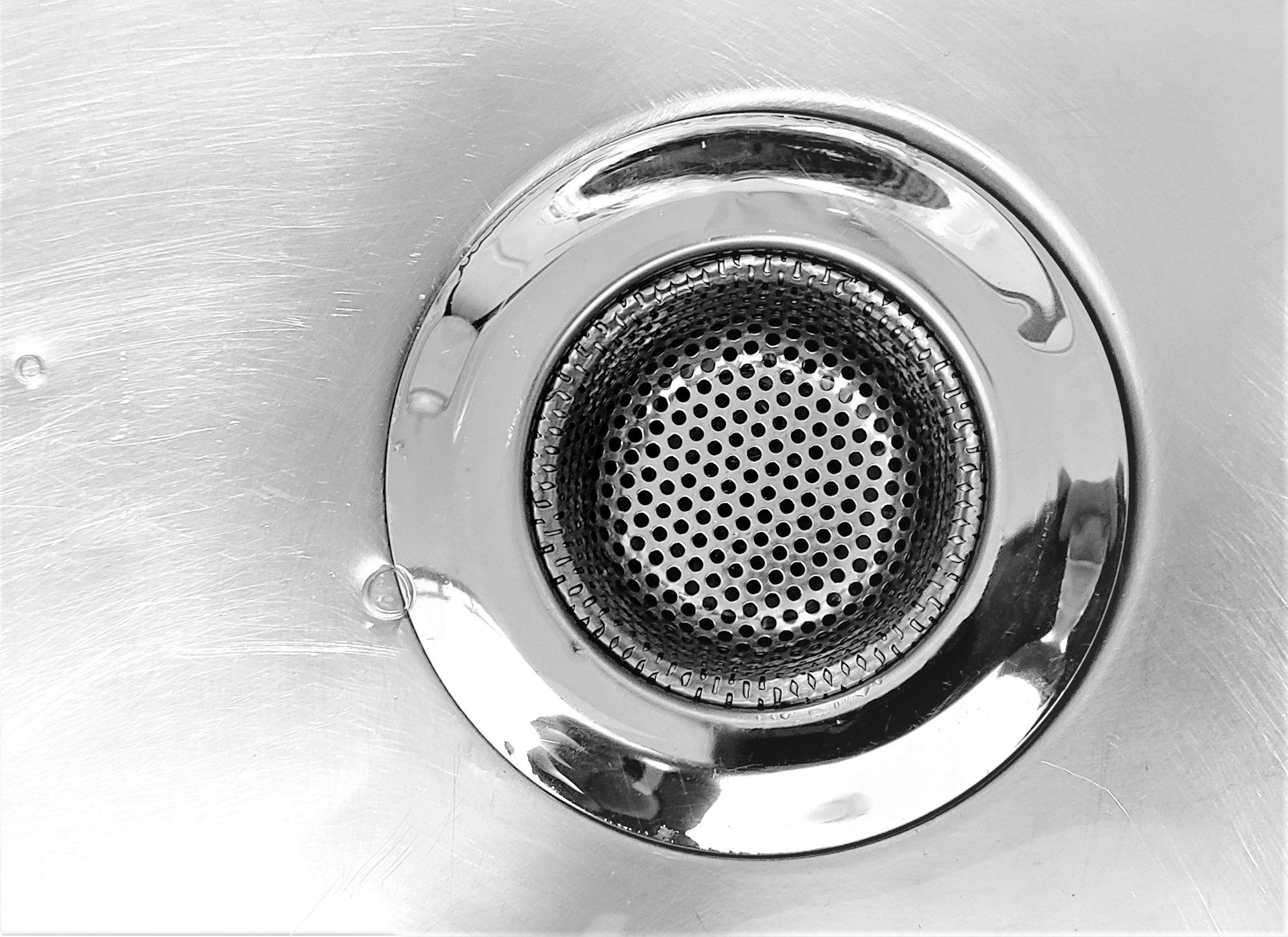
close-up of a clogged drain being cleaned

Drain Cleaning vs. DIY Unclogging: When to Call a Professional Plumber

Blocked sinks and slow-moving drains are more than a minor inconvenience. They disrupt daily routines, create unpleasant odours, and can signal deeper plumbing issues developing out of sight. Many homeowners initially reach for household remedies before considering professional drain cleaning, hoping for a quick and inexpensive fix.

In some cases, a simple blockage can be resolved without outside help. In others, what appears to be a minor clog may be the early warning sign of structural pipe damage, invasive tree roots, or years of accumulated debris. Understanding the difference is essential, especially when plumbing systems form part of your home’s long-term value and safety.

Knowing when to attempt a DIY solution and when to call a qualified plumber protects both your property and your budget. Acting too late can lead to burst pipes, water damage, or even health risks from sewage backups. Making informed decisions ensures your drainage system continues to function efficiently and safely.

Understanding What Causes Drain Blockages

Most household blockages develop gradually. Grease, soap residue, food scraps, hair, mineral buildup, and foreign objects slowly accumulate along pipe walls. Over time, the internal diameter of the pipe narrows until water can no longer pass freely.

In kitchens, grease and oils are frequent culprits. These substances may flow easily when hot but solidify as they cool, trapping other debris. Bathrooms present a different challenge, where hair combines with soap scum to form dense obstructions.

Outside the home, underground drainage lines face additional risks. Tree roots can penetrate small cracks in pipes, expanding as they grow and restricting water flow. Shifting soil and aging materials may also cause pipe misalignment or collapse.

Recognising the underlying cause determines whether a simple remedy will work or whether professional intervention is necessary.

When DIY Unclogging Can Be Effective

Minor clogs near the surface often respond well to basic household tools. If water drains slowly but does not completely back up, the blockage may be close to the fixture.

Homeowners commonly try:

  • A plunger to create pressure and dislodge debris

  • A drain snake or auger for shallow blockages

  • Removing and cleaning the P-trap beneath sinks

  • Hot water flushing for mild grease buildup

These methods are generally safe when used correctly and can restore normal flow in uncomplicated cases.

However, caution is critical. Chemical drain cleaners may promise instant results, but repeated use can corrode pipes, weaken joints, and create environmental hazards. In older plumbing systems, harsh chemicals may accelerate deterioration rather than solve the problem.

DIY approaches are best reserved for isolated, minor clogs. If symptoms persist or worsen, further action is required.

Warning Signs That Indicate a Deeper Problem

Certain symptoms suggest the issue extends beyond a simple blockage. Ignoring these warning signs can allow small issues to escalate into major repairs.

Watch for:

  • Multiple fixtures draining slowly at the same time

  • Gurgling sounds from toilets or sinks

  • Water backing up into showers or tubs

  • Persistent foul odours

  • Recurring clogs despite repeated attempts to clear them

These signs often point to a blockage in the main sewer line or a structural defect within the plumbing system. Professional assessment becomes essential at this stage.

Delaying proper intervention increases the risk of overflow and contamination. Sewage backups, in particular, pose serious health risks due to bacteria and harmful pathogens.

The Advantages of Professional Drain Cleaning

When a blockage is complex or deeply embedded, specialised equipment makes the difference. Professional plumbers use advanced diagnostic tools such as drain cameras to inspect pipes internally. This eliminates guesswork and identifies the exact source of the problem.

High-pressure hydro jetting systems can remove years of hardened grease, sludge, and mineral buildup without damaging pipe walls. Mechanical augers designed for heavy-duty use reach further than consumer-grade tools and clear obstructions more thoroughly.

Professional drain cleaning also addresses root causes rather than symptoms. If tree roots are present, a plumber can recommend long-term solutions such as pipe repair or replacement.

Most importantly, professional service reduces the likelihood of recurring problems. While DIY fixes may offer temporary relief, expert treatment restores full pipe capacity and improves overall system performance.

Financial Considerations: Short-Term Savings vs. Long-Term Costs

DIY unclogging appears cost-effective at first glance. Basic tools are affordable, and many homeowners prefer to avoid service fees.

Yet repeated attempts can increase costs over time. Purchasing multiple chemical treatments, renting equipment, or repairing accidental pipe damage can quickly exceed the price of a professional visit.

Water damage resulting from unresolved blockages is significantly more expensive. Repairs to flooring, cabinetry, and structural components often involve thousands in restoration costs.

Investing in professional care early may prevent larger financial burdens later. Proper maintenance protects both property value and household hygiene.

Health and Safety Implications

Blocked drains are not merely inconvenient. Standing water becomes a breeding ground for bacteria and insects. Sewage exposure can cause gastrointestinal illness, respiratory issues, and skin irritation.

Chemical cleaners introduce additional hazards. Fumes may irritate lungs and eyes, especially in poorly ventilated spaces. Accidental splashes can cause burns.

Professional plumbers are trained to handle hazardous situations safely. Protective equipment and industry protocols minimise risk during repairs.

When health concerns arise, prioritising safety over short-term savings is a prudent decision.

Preventative Measures to Reduce Future Blockages

Prevention remains the most effective strategy for maintaining a healthy plumbing system. Small changes in daily habits significantly reduce clog formation.

Practical prevention steps include:

  • Avoid pouring grease or oil down sinks

  • Install drain strainers to catch hair and debris

  • Flush drains periodically with hot water

  • Schedule periodic inspections for older plumbing systems

Routine maintenance extends pipe lifespan and reduces emergency calls. In properties with mature trees, regular inspections help detect root intrusion before severe damage occurs.

A proactive approach reduces stress and protects infrastructure.

Making the Right Call for Your Home

The decision between DIY methods and professional assistance depends on severity, recurrence, and overall system condition. Minor surface clogs may respond to simple tools. Persistent or widespread issues demand expert evaluation.

When multiple warning signs appear, relying solely on household remedies risks escalating damage. Plumbing systems are interconnected; what seems isolated may affect the broader network.

Experienced plumbers provide accurate diagnostics, durable solutions, and compliance with building standards. Their expertise ensures that underlying issues are resolved, not masked.

Addressing drainage concerns promptly supports household hygiene, structural integrity, and long-term property value. Thoughtful decision-making today prevents costly complications tomorrow, keeping your plumbing system reliable and efficient for years to come.

portable air purifier improving indoor air quality

Work Smarter from Home with Better Indoor Air Quality

Working from home has become more than just a trend—it's the new normal for many South Africans. And while the convenience of a home office offers undeniable perks, there's one aspect that often gets overlooked: the air we breathe while we work. Indoor air quality plays a surprisingly big role in how productive, focused, and healthy we feel throughout the day.

Yet, most people don’t realize that the very spaces we retreat to for comfort and productivity can also be sources of airborne pollutants. From dust and pet dander to chemical fumes and pollen, the air inside your home can be more polluted than the air outside.

Why Air Quality Affects Your Work Performance

Poor indoor air quality can lead to a range of health and cognitive issues. Symptoms like headaches, fatigue, dry eyes, and difficulty concentrating are often brushed off as just a rough day—but they could be directly linked to what’s floating around in your living room or home office.

When the air is clean, your body doesn't have to work as hard to function. You're more alert, your immune system gets a break, and you’ll likely notice an improvement in energy levels and mood. All of these benefits directly support better performance while working from home.

Everyday Sources of Indoor Air Pollution

You might be surprised at how many common household items and habits contribute to indoor air pollution. Here are a few culprits:

  • Cleaning products that release volatile organic compounds (VOCs)

  • Dust build-up in carpets and upholstery

  • Smoke from cooking or candles

  • Pet hair and dander

  • Mold and mildew in damp corners

  • Poor ventilation in tightly sealed homes

While opening windows can help from time to time, it’s not always practical—especially during cold winter months or allergy season. That’s where an air filter becomes a game-changer.

What Makes an Air Filter Essential for Home Offices

A high-quality air filter is designed to trap and remove particles that affect air quality. For remote workers, this means creating a cleaner, healthier workspace that supports productivity and long-term well-being. Not all filters are created equal, though.

When shopping for a solution, look for one that can handle ultrafine particles as well as common allergens. HEPA or HyperHEPA filters are particularly effective for home use, as they can capture everything from pollen and dust mites to airborne bacteria.

How to Set Up a Healthier Home Workspace

Improving your indoor air quality doesn’t require a major renovation—just a few thoughtful adjustments can make a big difference:

  1. Choose the right room – Pick a workspace with windows or some natural airflow.

  2. Add an effective air filter – Place it near your desk for maximum benefit.

  3. Reduce dust collectors – Remove thick rugs, drapes, and clutter that trap dust.

  4. Add greenery – Some houseplants help purify the air while making the room feel fresh.

  5. Stay on top of cleaning – Wipe surfaces regularly, and vacuum with a HEPA-grade cleaner.

These small changes can reduce allergens and airborne irritants significantly, creating a noticeably fresher environment.

Unexpected Benefits Beyond Productivity

Cleaner indoor air does more than sharpen your focus. Over time, you might notice fewer colds, better sleep, and improved skin. If you or anyone in your household suffers from allergies or asthma, the difference could be even more dramatic.

A high-performing air filter doesn’t just support your 9-to-5. It works around the clock to make your entire living space more comfortable and supportive of your overall health.

Working from Home Is Better When the Air Supports You

As remote work continues to shape how we live and earn, investing in your home environment is more important than ever. The quality of your indoor air can either drag you down or lift you up. And the good news? It's entirely within your control.

Whether you’re just starting your work-from-home journey or refining your setup after years of hybrid work, don’t overlook the invisible factor that can impact everything from your energy to your mood. A dependable air filter may seem like a small addition—but it could be the smartest move you make for your home office.

Modern device installed for cleaner household water

Understanding the Different Types of Water Filter Systems Available in South Africa

South Africans are becoming increasingly aware of water quality and its impact on health. With rising concerns around municipal water safety, many households are turning to a water purifier to improve the taste, smell, and cleanliness of their drinking water. But with so many options available, how do you know which type of water filter is right for your home?

In this guide, we’ll break down the most common types of water purification systems available in South Africa and help you choose the one best suited to your needs.

Why You Might Need a Water Filtration System

Even though most urban areas in South Africa have treated water, contamination can still occur due to ageing infrastructure, burst pipes, or water storage tanks. Heavy metals, bacteria, and microplastics have all been detected in various sources. That’s why investing in a water filter can be a proactive step toward protecting your family's health.

For example, homeowners looking to improve their overall water quality without going through a complex installation process often opt for a countertop unit or a faucet-mounted device. These systems are both affordable and easy to maintain.

Popular Types of Water Filters in South Africa

Here are the main types of water purification systems used in homes across the country:

1. Activated Carbon Filters

Activated carbon is one of the most common and effective water filtration methods. These filters use charcoal to trap impurities such as chlorine, pesticides, and volatile organic compounds (VOCs), improving both taste and smell.

Best for: City dwellers using municipal water
Drawback: Doesn’t remove bacteria or dissolved salts

2. Reverse Osmosis (RO) Systems

A reverse osmosis water purifier forces water through a semi-permeable membrane to remove up to 99% of contaminants, including bacteria, nitrates, heavy metals, and fluoride.

Best for: Areas with high contamination or borehole water
Drawback: Wastes some water during filtration and requires professional installation

3. UV (Ultraviolet) Purification Systems

UV filters use ultraviolet light to neutralise harmful bacteria and viruses. This method is chemical-free and doesn't affect the taste of water.

Best for: Homes relying on rainwater tanks or well water
Drawback: Does not remove physical particles or improve taste

4. Ceramic Filters

Ceramic filters are made from natural materials and physically block bacteria and sediment. They are often combined with silver or carbon to enhance their antibacterial properties.

Best for: Rural or off-grid households
Drawback: May clog quickly and require regular cleaning

5. Whole-House Water Filters

These systems are installed at the point of entry so that all the water entering your home is filtered. They can be customised to target specific issues like sediment, rust, or chemical contaminants.

Best for: Large households or homes with water tanks
Drawback: More expensive upfront and may require space for installation

Choosing the Right System for Your Home

To make the right choice, ask yourself a few questions:

  • What is the source of your water — municipal, borehole, rainwater, or tank?

  • Do you want to filter water only for drinking or for the whole house?

  • Are you concerned about bacteria, heavy metals, chlorine, or all of the above?

  • What is your budget for installation and maintenance?

Based on your answers, you may find that a basic activated carbon unit is enough, or that a more advanced water purification system with reverse osmosis and UV treatment is necessary.

Maintenance and Running Costs

When investing in a water filter, it’s important to consider not just the initial cost but also the maintenance. Filters need to be replaced regularly to function effectively. Some systems require monthly maintenance, while others can last up to a year before needing new parts.

Here’s a quick comparison:

  • Activated Carbon: Replace every 3–6 months

  • RO Membranes: Replace every 1–2 years

  • UV Lamps: Replace annually

  • Ceramic Elements: Clean monthly and replace every 6–12 months

Keeping track of maintenance will ensure your system continues to provide safe, clean water without interruptions. The water you drink every day has a direct effect on your well-being. Whether you go for a compact countertop unit or a full-house filtration system, the right water purifier can reduce health risks and provide peace of mind.

In South Africa’s diverse climate and infrastructure landscape, no one solution fits all. But by understanding your needs and learning about the available technology, you can make a smart and healthy investment for your home.

tattoo numbing gel

Tattoo Artists and Numbing Cream: Myths, Facts, and When It’s Okay to Use

Getting a tattoo is an exciting experience, but for many, the thought of enduring hours of needlework can be intimidating. This is why many people turn to numbing solutions like tattoo numbing gel, tattoo numbing ointment, and the best tattoo numbing cream to ease the pain. However, some tattoo artists refuse to use numbing products, which can be confusing for clients.

So why do some tattoo artists avoid numbing creams, and when is it appropriate to use them? Let’s explore the reasons behind this stance and the best ways to ensure a comfortable tattooing experience.

Why Some Tattoo Artists Avoid Numbing Creams

1. It Can Affect the Skin’s Texture

One of the main reasons some tattoo artists dislike using numbing creams is that certain formulas can change the skin’s texture. Some numbing products make the skin rubbery or overly soft, making it harder for the tattoo needle to penetrate properly. This can affect how the ink is deposited and may lead to patchy or uneven tattoos.

2. It May Impact Ink Absorption

Some numbing creams, especially those with high oil or glycerin content, create a barrier that makes it difficult for ink to settle properly. This can lead to fading, blurry lines, or the need for touch-ups. Artists who prioritize precision may prefer to work on untreated skin to ensure the best results.

3. Temporary Numbing Can Wear Off Mid-Session

Even the strongest tattoo numbing cream has a time limit. If the numbing effect fades in the middle of a long session, the sudden return of pain can be overwhelming. Tattoo artists may worry that a client who was initially comfortable may struggle to handle the pain once the numbing wears off, potentially leading to more movement and disruptions.

4. Some Numbing Creams Contain Harmful Ingredients

Not all numbing creams are created equal. Some contain ingredients that might not be safe for the skin or could cause allergic reactions. Many professional tattoo artists only trust the safest tattoo numbing cream options and may avoid using creams that they are unfamiliar with.

5. They Want Clients to Feel the Full Experience

For some tattoo artists, getting a tattoo is a rite of passage that involves some level of pain. They believe that the discomfort is part of the experience and that enduring it can add to the tattoo’s personal significance. This mindset is more common among traditional or old-school tattooists.

When Should You Use a Tattoo Numbing Cream?

While some artists avoid numbing creams, there are situations where using tattoo numbing gel or tattoo numbing ointment can be a good idea. Here are the best times to consider using a numbing product:

1. If You Have Low Pain Tolerance

Not everyone has the same pain threshold. If you struggle with pain, using the best tattoo numbing cream can help you get through your session more comfortably. This is especially important for large or detailed tattoos that take hours to complete.

2. For Sensitive Areas

Certain body parts are naturally more painful to tattoo due to thinner skin and higher nerve sensitivity. If you’re getting a tattoo on areas like ribs, spine, elbows, or knees, using the strongest tattoo numbing cream can make a big difference.

3. For Long Tattoo Sessions

If your tattoo session is expected to last several hours, pain can become a major issue. Some artists allow numbing creams in these cases to help clients remain still and relaxed throughout the session.

4. If You Have Anxiety About Pain

For people who are anxious about the pain, using a safest tattoo numbing cream can ease their worries. When you’re relaxed, your body responds better to the tattooing process, and the session goes smoother for both you and the artist.

5. If Your Tattoo Artist Allows It

Before using any numbing cream, always check with your tattoo artist. Some are open to using tattoo numbing gel or tattoo numbing ointment, especially if you provide a trusted, high-quality product that won’t interfere with the process.

How to Use a Tattoo Numbing Cream Properly

If your artist agrees to the use of a numbing product, follow these steps to ensure the best results:

  1. Choose a High-Quality Product – Look for the safest tattoo numbing cream with reliable ingredients. Avoid creams with unknown chemicals.

  2. Apply in Advance – Most numbing creams take 30-60 minutes to take full effect. Apply it well before your session starts.

  3. Use a Thick Layer – Spread a generous amount over the area, ensuring even coverage.

  4. Cover with Plastic Wrap – Wrapping the area helps the skin absorb the numbing cream better.

  5. Wipe Off Before Tattooing – Your artist may want to clean the skin before starting the tattoo to remove excess product.

While some tattoo artists prefer to work without numbing creams, there are situations where they can be beneficial. Whether you use tattoo numbing gel, best tattoo numbing cream, or tattoo numbing ointment, it’s important to choose a high-quality product and communicate with your tattoo artist. By understanding both sides of the debate, you can make an informed decision that ensures a smoother and more comfortable tattooing experience.

silver bullet

The Truth About Sulfate Free Shampoos: Are They for Everyone?

In current years, sulphate complimentary hair shampoo has actually gotten appeal as a much healthier option to conventional hair care items. Sulphates, typically discovered in hair shampoos and conditioners, are effective cleaning representatives that produce the abundant soap the majority of people are accustomed to. However, as more individuals end up being mindful of the active ingredients in their individual care items, numerous are questioning whether they require to change to sulfate-free hair shampoos and conditioners.

This short article will check out why some people select sulfate-free solutions, who benefits the most from making the switch, and whether sulfate complimentary hair shampoos are the ideal option for everybody.

1. What Are Sulphates and Why Are They in Shampoo?

Sulphates are a group of cleaning agents utilized in numerous cleansing items, consisting of hair shampoos and body washes. The 2 most typical key ins hair care items are salt lauryl sulfate (SLS) and salt laureth sulfate (SLES). These substances are outstanding at breaking down oils and dirt, enabling a deep clean. They’re responsible for producing the foamy soap that makes hair feel completely tidy after a wash.

However, while sulphates work cleaners, they can in some cases be too severe, removing away not just dirt however likewise the hair's natural oils. This can leave the scalp dry, inflamed, or perhaps trigger color-treated hair to fade quicker. For individuals with delicate skin, dry hair, or color-treated hair, changing to sulphate complimentary hair shampoo might be a much better alternative to prevent these unfavorable results.

2. Who Should Use Sulfate Free Shampoos?

Not everybody requires to utilize sulfate complimentary hair shampoos, however there are particular groups of individuals who might benefit more from making the switch. If you have any of the following hair or scalp issues, choosing a hair shampoo that doesn’t consist of sulphates may be the ideal option:

  • Sensitive Scalp or Skin: Sulphates can be annoying for individuals with delicate skin or conditions like eczema. The cruelty of these chemicals might trigger itching, inflammation, or dryness of the scalp. A sulfate-free formula can clean the hair while being much gentler on the skin.
  • Dry or Curly Hair: Sulphates can remove wetness from your hair, leaving it feeling dry and breakable. This is especially troublesome for people with naturally dry or curly hair, as these hair types are more susceptible to dryness. Sulfate-complimentary hair shampoos assist keep wetness, which is essential for preserving healthy curls and decreasing frizz.
  • Color-Treated Hair: If you color your hair, utilizing sulphates can result in faster color fading. Sulphates tend to remove the color particles from colored hair, triggering your dynamic colors to rinse quicker. A sulfate-free hair shampoo assists maintain your color for a longer duration, conserving you cash on regular touch-ups.
  • Keratin-Treated Hair: Keratin treatments are a popular method to attain smooth, streamlined hair, however utilizing items with sulphates can reduce their results. Sulphate-complimentary solutions are suggested for those with keratin-treated hair to preserve the treatment’s durability.

3. Why Some People Don’t Need Sulphate Free Shampoo

While sulphate complimentary hair shampoo has its advantages, not everybody requires to change to this kind of item. Sulphates can still appropriate for individuals with healthy, oily hair or those who require a deep tidy, particularly after heavy exercises or using a great deal of styling items.

For people without delicate scalps or dry hair, utilizing a hair shampoo with sulphates might not trigger any damage. In truth, sulphates can supply an extensive cleaning that eliminates oil, dirt, and item accumulation better than some sulfate-free options. If you clean your hair occasionally or require a more powerful clean, routine hair shampoos might work much better for you.

4. Are Shampoo and Conditioner Sulphate Free Products the Silver Bullet for Healthy Hair?

There is no “one-size-fits-all” service in hair care, and while hair shampoo and conditioner sulphate complimentary items use advantages, they aren’t always a silver bullet for everybody. The efficiency of sulfate-free hair shampoos mainly depends upon your specific hair type, scalp condition, and hair care requirements.

If you have oily hair, sulfate-free items might not supply the exact same gratifying “clean” sensation that sulphates deal. Some individuals discover that they require to clean their hair more often when utilizing sulfate-free hair shampoos. In contrast, those with dry or broken hair frequently discover sulfate-free items to be a lifesaver, as they don’t intensify dryness or strip the hair of necessary wetness.

Therefore, while hair shampoo and conditioner sulphate-free choices are advantageous for particular hair types, it’s necessary to assess your particular requirements before making the switch.

5. Should Everyone Avoid Sulphates?

The choice to change to sulfate complimentary hair shampoos eventually depends upon your hair's health and your choices. If you experience scalp inflammation, dryness, or have color-treated or curly hair, changing to a sulfate-free item might enhance the general health and look of your hair. However, if you have no particular hair issues, sulphates may not posture any problems for you.

The secret is to listen to your hair and scalp. If you observe that your existing hair shampoo leaves your hair sensation dry or your scalp inflamed, it might deserve explore sulfate-free choices, particularly if you utilize a great deal of heatstyling tools like the silver bullet flat iron. On the other hand, if you take pleasure in the deep tidy that sulphates supply and experience no unfavorable results, you might not require to prevent them.

Choosing the ideal hair shampoo has to do with comprehending your hair and scalp’s distinct requirements. Sulphate complimentary hair shampoo is perfect for people with delicate skin, dry or curly hair, and those who wish to maintain color or keratin treatments. However, not everybody needs sulfate-free items, as conventional hair shampoos can use a more comprehensive clean for those with oily hair or no particular level of sensitivities.

Ultimately, the option in between sulfate complimentary hair shampoos and routine hair shampoos is an individual one. Evaluate your hair’s condition, attempt various items, and discover the balance that works finest for you.

plumber Northcliff

Tackling Common Household Plumbing Problems: A DIY Guide

When it pertains to preserving a home, pipes concerns are practically inescapable. While some circumstances need the competence of an expert plumbing in Northcliff, there are many do it yourself suggestions and techniques that property owners can utilize to keep their pipes in leading condition. This guide, gave you by your relied on plumbing Northcliff, will stroll you through some fundamental yet efficient do it yourself pipes suggestions. These suggestions will not just assist you handle small concerns however likewise avoid possible emergency situations.

Understanding Your Plumbing System

Before you dive into any do it yourself pipes jobs, it's vital to have a fundamental understanding of your home's pipes system. This understanding can assist you determine the source of an issue more properly, guaranteeing that your do it yourself repairs work and don’t unintentionally trigger more concerns. Remember, if an issue appears too complicated, calling a plumbing technician in Northcliff is your most safe bet to avoid damage to your home.

Basic DO IT YOURSELF Plumbing Tips

  1. Dealing with Clogs: One of the most typical pipes concerns property owners deal with is obstructed drains pipes. Before you call a plumber Northcliff, attempt utilizing a plunger. If that does not work, a mix of vinegar and baking soda can typically clean up small blockages. However, prevent utilizing chemical drain cleaners as they can harm your pipelines in time.
  2. Fixing Dripping Faucets: A leaking faucet not just drainages however can likewise increase your water expense considerably. In numerous cases, this concern can be repaired by changing the washer inside the faucet manage. This easy job does not need the competence of a plumbing technician in Northcliff and can conserve you cash in the long run.
  3. Preventing Frozen Pipes: Before winter season embeds in, it is very important to safeguard your pipelines from freezing. Insulating your pipelines can avoid them from breaking in winter, a scenario that would definitely need the services of a plumbing technician Northcliff. Simple foam insulation, readily available at a lot of hardware shops, can be twisted around pipelines to supply appropriate security.

When to Call a Professional Plumber in Northcliff

While numerous small pipes concerns can be fixed with do it yourself efforts, there are specific circumstances where calling an expert plumbing in Northcliff is essential. These consist of significant leakages, burst pipelines, and any issue that includes the primary water line. Attempting to repair these concerns yourself can result in considerable damage and expensive repair work. It’s essential to acknowledge when an issue is beyond your capability and to rely on the competence of a plumbing technician Northcliff.

Regular Maintenance Tips

Regular upkeep is essential to avoiding pipes emergency situations. Here are a couple of suggestions to keep your pipes system in excellent condition:

  • Regularly look for leakages in faucets and under sinks.
  • Clean your showerheads and faucets to avoid mineral accumulation.
  • Flush your hot water heater every year to eliminate sediment and lengthen its life.
  • Use strainers in your sinks to capture hair and other particles, avoiding blockages.

By following these upkeep suggestions, you can prevent numerous typical pipes concerns and conserve yourself the expense of calling a plumbing technician in Northcliff. While some pipes concerns need the touch of an expert plumbing Northcliff, there are many do it yourself pipes suggestions and techniques that property owners can utilize to preserve their pipes systems. From handling blockages to repairing leaking faucets and avoiding frozen pipelines, these suggestions can assist you handle small pipes concerns by yourself. However, constantly keep in mind to call an expert plumbing in Northcliff for complex issues to prevent triggering more damage to your home. With routine upkeep and a little do it yourself knowledge, you can keep your pipes system running efficiently for many years to come.