development finance

Bridging Finance: Evaluating Its Suitability for Your Situation

In the dynamic world of real estate, securing the right type of financing is crucial for successful property transactions. Bridging finance is an increasingly popular option for those needing quick, short-term funding. This article explores the pros and cons of bridging loans and helps you determine if this type of financing is right for you, with a look into how development finance plays a role in the broader financial landscape.

What Are Bridging Loans?

Bridging loans are short-term loans designed to provide immediate funding until longer-term financing can be arranged. These loans are often used in real estate transactions, where buyers need to bridge the financial gap between the purchase of a new property and the sale of an existing one. Bridging loans are secured against the property being purchased or another valuable asset, providing the lender with security.

Advantages of Bridging Finance

1. Speed and Accessibility

One of the primary benefits of bridging finance is the speed with which funds can be accessed. Traditional mortgage approvals can take weeks or even months, but bridging loans can often be arranged within a few days. This quick access to funds is particularly advantageous in competitive property markets, where delays can result in missed opportunities.

2. Flexibility

Bridging loans offer flexibility in terms of usage. They can be used for a variety of purposes, including purchasing a new property before selling an existing one, funding renovations, or even as a short-term cash flow solution for businesses. This flexibility makes bridging finance a versatile tool for both individuals and developers.

3. Short-Term Solution

For those needing a temporary financial solution, bridging finance provides a short-term answer. This is especially useful for homebuyers who have found their ideal property but are waiting for their current property to sell. Bridging loans ensure that buyers do not miss out on purchasing opportunities due to timing issues.

Disadvantages of Bridging Loans

1. Higher Interest Rates

One of the significant drawbacks of bridging loans is the higher interest rates compared to traditional mortgages. The short-term nature and speed of these loans come at a cost, making them more expensive over time. Borrowers need to carefully consider whether the higher interest rates are justified by the benefits of quick and flexible funding.

2. Additional Fees and Charges

In addition to higher interest rates, bridging loans often come with various fees and charges. These can include arrangement fees, valuation fees, and legal costs. It's essential to factor in these additional costs when considering bridging finance, as they can significantly impact the overall expense of the loan.

3. Risk of Repossession

Because bridging loans are secured against property, there is a risk of repossession if the borrower is unable to repay the loan within the agreed timeframe. This risk is heightened by the higher interest rates and additional fees, which can make repayments more challenging. Borrowers need to have a clear exit strategy in place to mitigate this risk.

When to Use Bridging Finance

1. Property Purchase Delays

Bridging finance is particularly useful in situations where there are delays in the sale of an existing property, but the purchase of a new property needs to proceed. Bridging loans provide the necessary funds to complete the purchase, ensuring that buyers do not miss out due to timing issues.

2. Auction Purchases

When purchasing property at auction, buyers typically need to complete the transaction within a short timeframe. Bridging loans can provide the quick funding required to meet auction deadlines, allowing buyers to secure properties without delay.

3. Renovations and Development

For those involved in property development, bridging finance can be used to fund renovations or development projects. Once the project is complete, developers can repay the loan through the sale of the property or by securing long-term development finance. This makes bridging loans a valuable tool for developers needing short-term funding solutions.

Bridging finance offers a range of advantages, including quick access to funds, flexibility, and a short-term solution for immediate financial needs. However, it also comes with disadvantages such as higher interest rates, additional fees, and the risk of repossession. When considering bridging loans, it's essential to weigh these pros and cons carefully and determine whether this type of financing aligns with your specific needs and financial situation.

For homebuyers and developers alike, bridging finance can be a powerful tool when used appropriately. Understanding the benefits and risks associated with bridging loans will help you make informed decisions and ensure that this financing option is right for you. Whether you're facing delays in selling your current property, purchasing at auction, or funding a renovation project, bridging finance provides a flexible and speedy solution to meet your short-term funding needs.


detailed plumber quote for home plumbing

How to Get an Accurate Plumbing Quote Without Hidden Costs

Getting a clear and accurate estimate from a plumbing professional can be a stressful process for homeowners and business owners alike. Many people have experienced the frustration of receiving a bill far higher than anticipated, often due to hidden costs or vague initial quotes. Understanding how to navigate this process effectively is essential for avoiding unexpected expenses and ensuring that your plumbing project stays within budget. A well-prepared approach to requesting and reviewing a plumber quote can save time, money, and stress.

Plumbing work varies widely in scope, from simple faucet repairs to extensive pipe replacements or system installations. This variability makes it difficult to rely on generic pricing or online estimators, as each situation has unique considerations. Communicating your needs clearly and providing detailed information upfront can help a plumber deliver an accurate quote, reducing the chance of surprises later. Knowing what questions to ask and what details to include is just as important as understanding the pricing itself.

Another common challenge is differentiating between a legitimate quote and an incomplete estimate that hides potential charges. Some quotes may initially appear low, but once work begins, additional fees for materials, labor, or unforeseen complications can inflate the final bill. Learning how to request a comprehensive quote and understanding the components that make up a plumber's quote is essential. By being proactive and informed, you can secure services that align with your expectations and budget.

Why Accuracy Matters in Plumbing Quotes

Receiving an accurate plumber quote is about more than just knowing the total cost upfront. It also sets expectations for the timeline, the materials involved, and the quality of workmanship. When a quote is clear and detailed, you are better equipped to compare different plumbers and make an informed decision. Without this clarity, you risk hiring someone whose services might not meet your needs or whose pricing could quickly escalate.

Accuracy also impacts planning and budgeting. Unexpected costs can disrupt household finances or delay critical projects. By obtaining a quote that accounts for all necessary materials, labor, and potential contingencies, you reduce the likelihood of unpleasant financial surprises. An accurate quote reflects transparency and professionalism, giving you confidence in the plumber’s reliability and ethics.

Furthermore, detailed quotes often include breakdowns for labor, parts, and potential additional services. This level of transparency allows you to evaluate which elements are essential and which could be optional, giving you more control over your budget. In many cases, this can prevent disputes after the work is completed and foster a smoother working relationship with your plumber.

Steps to Get a Clear and Reliable Quote

  1. Prepare Detailed Information
    Before contacting a plumber, take note of the exact issues you are experiencing. Include details like the type of fixtures, the age of your plumbing system, and any prior repairs. Photos or short video clips of the problem can be very helpful. This allows the plumber to assess the situation more accurately and provide a realistic quote.

  2. Request Written Estimates
    Always ask for a written quote rather than relying on verbal estimates. A written document reduces misunderstandings and ensures that all parties agree on the scope of work, costs, and timelines. Written quotes also serve as a reference in case any disputes arise during or after the work.

  3. Ask for a Breakdown of Costs
    A transparent quote should list labor, materials, permits (if required), and any additional charges separately. Avoid accepting a single lump-sum figure without understanding what it covers. Knowing exactly what you are paying for helps prevent hidden fees from appearing later.

  4. Compare Multiple Quotes
    Contact at least two or three plumbers for estimates to get a sense of market rates. While the cheapest quote may be appealing, it’s crucial to assess the value being offered. Look for discrepancies in materials, warranties, and service guarantees rather than focusing solely on price.

  5. Clarify Terms and Conditions
    Discuss terms regarding payment schedules, unexpected complications, and additional charges before agreeing to any work. Clear communication reduces the risk of surprises and ensures that both parties have a shared understanding of expectations.

Common Hidden Costs and How to Avoid Them

Even with a detailed quote, some hidden costs can sneak into plumbing projects if you are not vigilant. Common examples include:

  • Material Substitutions: Plumbers may use lower-grade materials than initially quoted if the original parts are unavailable. Confirm the quality and brand of all materials upfront.

  • Emergency or After-Hours Charges: If work is done outside normal business hours, additional fees may apply. Clarify the timing and potential extra costs before agreeing.

  • Unexpected Repairs: Old or damaged pipes may require additional work. Ask the plumber how such situations will be handled and whether they are included in the original quote.

  • Permit Fees: Some plumbing work requires municipal permits, which can add to the cost. Confirm whether these fees are included or if they will be billed separately.

Being aware of these potential charges and discussing them in advance can help you avoid surprises. It also signals to the plumber that you are informed and expect transparency, which often leads to more accurate estimates.

Tips for Ensuring a Smooth Quoting Process

  • Communicate Clearly: Provide complete details about your plumbing issue and desired outcome.

  • Document Everything: Keep copies of all quotes, receipts, and correspondence.

  • Verify Licenses and Insurance: A qualified and insured plumber is more likely to provide reliable and accurate quotes.

  • Ask About Guarantees: Ensure that labor and materials come with warranties to protect your investment.

  • Be Patient and Ask Questions: Take the time to understand each quote fully before making a decision.

By following these strategies, you can increase the likelihood of receiving a fair and precise plumbing quote. It ensures that both you and the plumbing professional are aligned, reducing stress and improving the overall experience.

Ultimately, securing a reliable plumbing estimate is about preparation, transparency, and communication. When you take the necessary steps to provide detailed information, request comprehensive written quotes, and clarify potential hidden costs, you set the stage for a successful project. This approach not only helps you stay within budget but also ensures peace of mind and confidence in the work being done.

local specialist assessing diamond pieces for resale

Understanding How Gold and Diamond Jewellery Is Assessed by Jewellery Buyers

People have always looked for innovative ways to access cash when needed, and in recent years, leveraging valuable personal assets has become a preferred option. Among these, gold and diamonds stand out due to their enduring worth and demand in both local and global markets. Many individuals facing financial pressures are turning to jewellery as a means of securing short-term liquidity, without necessarily giving up ownership permanently. There is often sentimental value attached to these pieces, which makes this method especially beneficial compared to selling other assets.

The process usually starts with assessing what items could hold the most resale or collateral value. Older heirlooms, engagement rings, luxury watches, and inherited jewellery often sit unused for years, yet they contain substantial financial potential. This is where diamond jewelry buyers Sandton often come in, helping people determine how much capital can be unlocked based on purity, cut, weight, and current market conditions. Rather than relying solely on loans or credit, this asset-based strategy offers immediate solutions.

For many, this option serves as an alternative to traditional lending. Instead of undergoing lengthy application processes or facing credit checks, individuals can negotiate directly with reputable specialists. These experts, particularly the more established diamond jewelry buyers in Sandton, offer appraisals based on intrinsic and market value, making it possible to liquidate quickly while maintaining some control over the transaction.

Why Jewellery Is Ideal for Unlocking Cash

Gold and diamond items hold intrinsic value due to the raw materials used, but they also often have added aesthetic or brand value if from sought-after designers. Unlike other assets that depreciate quickly, well-maintained jewellery generally retains, and sometimes increases, in value over time. Market fluctuations exist, but historical trends show that precious metals perform reliably during economic uncertainty.

Because jewellery is compact and easy to store, many people forget just how valuable it may be. An antique bracelet locked away in a safe or a diamond ring buried in a drawer might hold more cash value than expected. This ease of access makes jewellery a powerful financial tool in emergencies or when opportunities arise and quick funding is required.

Additionally, unlike selling property or vehicles, which can involve lengthy legal and administrative processes, jewellery appraisals and transactions are relatively quick. Most assessments can be completed in under an hour, and cash or transfer is often available immediately after acceptance of the offer.

Types of Jewellery Most Commonly Used

There are certain categories of items that tend to perform especially well in the resale or collateral market. These typically include:

  • Diamond engagement rings

  • Certified diamond pendants or earrings

  • Solid gold chains and bracelets

  • Luxury brand jewellery such as Cartier or Tiffany

  • Antique or vintage pieces with historical significance

Jewellery with certification, especially from recognised grading bodies, usually attracts higher offers. This documentation confirms clarity, colour, carat weight, and cut quality, giving buyers confidence in potential resale value.

Things That Affect the Value You Can Unlock

Several key factors determine how much cash an individual can extract from jewellery items. Market demand, global precious metal pricing, and exchange rates influence the final amount offered. However, the condition of the piece plays a major role too. Items in excellent condition, with minimal wear, tend to receive better appraisals.

Sentimentality also enters the decision process. Some owners agree to items being used as surety rather than permanently sold, allowing for repurchase at a later stage. This provides flexibility for those who need money temporarily but don’t wish to permanently part with valuable or emotionally significant pieces.

Jewellery with designer signatures or original packaging can also increase perceived value, as these elements add authenticity and desirability to the item.

How the Transaction Process Typically Works

Although it may differ slightly depending on the business, most transactions follow a similar format. If you’re considering unlocking value through jewellery, the steps below offer a clear picture:

  1. Identify the item or collection of items you’re willing to offer.

  2. Schedule an appraisal with a trusted specialist.

  3. Receive an offer based on evaluation.

  4. Choose between outright sale or loan with collateral.

  5. Finalise the agreement and receive your funds.

It’s also recommended to research multiple providers to compare evaluations. Some may specialise in diamonds while others may be more experienced with luxury items or rare designs.

Why Many Prefer This Over a Loan

Some people choose this route because it allows them to avoid additional interest charges or complex repayment structures. If an individual opts for an outright sale rather than borrowing against the asset, there is no obligation to repay any amount. In financial planning terms, this can be beneficial for those trying to avoid accumulation of debt.

Furthermore, no credit checks are needed, which makes the process straightforward even for those with previous financial challenges. Quick access to funds can support anything from business ventures to urgent personal expenses, medical emergencies, or property repairs.

Getting the Most Out of Your Jewellery

To ensure you receive the highest possible valuation, consider preparing before heading to an appointment:

  • Clean the jewellery carefully

  • Gather any certificates or appraisals

  • Look for packaging or receipts

  • Research current precious metal and gemstone prices

This preparation demonstrates care and can support your negotiation position. It also shows the item has been well preserved, which reassures potential buyers.

As more people become aware of the financial potential of jewellery, alternatives emerge for short-term funding. Some businesses even allow a buy-back option at a later stage, enabling the owner to reclaim the item if finances improve.

Unlocking cash from jewellery is not always a long-term solution, but it can serve as a lifeline when immediate liquidity is needed. It offers flexibility, speed, and discretion, all of which are appealing for those in urgent financial situations. With the right advice and a reliable service provider, many South Africans have discovered that cherished items can provide more than sentimental value. Engaging experienced diamond jewelry buyers in Sandton or similar specialists allows you to benefit from professional evaluation and a transparent process, ensuring you make financially sound decisions while retaining as much control as possible over your assets.

This content is for informational purposes only and should not be considered financial advice.

immediate cash for your car

What to Know About Pawning Your Car While Still Driving It in Johannesburg

Securing money when you’re facing financial strain can feel overwhelming. Many people in Johannesburg find themselves needing urgent funds but don’t want to part ways with their vehicles. Cars often serve as a lifeline, whether for commuting, work, or family responsibilities, so selling them outright isn’t always an option. The good news is that there are ways to access quick funds while still keeping your car.

When unexpected expenses arise, such as medical bills, school fees, or home repairs, financial flexibility becomes essential. While banks and traditional lenders have long processes and strict requirements, there are more accessible solutions that can provide relief within hours rather than weeks. By using your vehicle as a form of security, you can tap into its value without losing ownership.

This approach is becoming increasingly popular across Johannesburg and surrounding areas like Sandton. From people looking for immediate cash for your car to those exploring options like instant cash loans Johannesburg, the demand for alternative lending is rising. Understanding how these arrangements work can help you make a smart choice that balances financial stability with the need to keep driving.

Why Vehicle-Based Loans Are an Effective Solution

Unlike traditional loans, vehicle-based financing lets you unlock the equity in your car without handing over the keys. These agreements are designed for people who want to secure quick funds while avoiding the burden of selling their vehicle outright. The process is usually straightforward, requiring basic documentation such as proof of ownership, identification, and evidence of income.

The biggest advantage is that you can continue to use your car daily. Whether you need to pawn your car and still drive it in Johannesburg or simply free up some cash for short-term needs, this flexibility sets it apart from other lending options. It ensures that your mobility and lifestyle aren’t disrupted while you manage your finances.

How the Process Typically Works

To give you a clearer idea, here’s a simple breakdown of how these loans are usually arranged:

  1. Apply with a licensed service provider that specializes in vehicle-backed finance.

  2. Provide your car documents, ID, and proof of residence.

  3. The lender assesses your car’s value and determines how much can be advanced.

  4. Funds are transferred quickly, often on the same day.

  5. You keep possession of your car while making agreed repayments.

This streamlined approach is what makes options like pawn my car in Johannesburg so attractive to those who need money urgently. Instead of facing delays, you get direct access to funds while retaining your vehicle.

The Appeal of Localized Lending Options

Johannesburg’s financial landscape is diverse, and services have adapted to meet the needs of its residents. In areas like Sandton, where financial demands can be high, alternatives such as cash advance loans Sandton are widely sought after. These localized offerings mean you don’t have to travel far or deal with lenders unfamiliar with your circumstances.

Local providers understand the pace of life in Johannesburg, where many people juggle demanding work schedules and family responsibilities. Their services are structured to reduce red tape and prioritize speed, which is especially valuable when an emergency leaves no time for lengthy approval processes.

Benefits of Choosing This Route

Opting for a vehicle-backed loan has several practical advantages beyond speed and convenience. Some of the key benefits include:

  • Access to funds without the need to sell your car.

  • Flexible repayment terms tailored to your situation.

  • Continued use of your vehicle for personal or business purposes.

  • Less reliance on traditional credit checks, making it easier for people with poor credit histories.

  • The ability to cover urgent expenses without long-term financial commitments.

These advantages show why so many people are turning to alternatives like instant cash loans Johannesburg instead of relying solely on banks or credit cards.

Things to Consider Before Applying

While the benefits are clear, it’s important to approach these options carefully. Look for a lender that is transparent about interest rates, repayment terms, and any potential penalties. Make sure you fully understand the agreement and confirm that your car will remain in your possession during the repayment period.

It’s also wise to compare offers before committing. Different providers may value your car differently, so taking the time to review multiple options can help you maximize how much money you can access. Always choose a reputable lender to avoid hidden costs and ensure your rights are protected.

Moving Forward With Confidence

Life in Johannesburg often moves fast, and financial pressures can appear suddenly. Whether it’s school fees, unexpected repairs, or medical costs, having access to short-term funds can make all the difference. Vehicle-based loans give you the best of both worlds: you get access to immediate cash for your car while keeping the freedom to continue driving.

By carefully considering your options and choosing a reliable lender, you can secure financial support without sacrificing your mobility. This balance makes it possible to navigate challenging times with greater peace of mind, knowing your car remains part of your everyday life while still serving as a valuable financial asset.

debt counselling near me

Debt Counselling Near Me: How It Can Help You Achieve Financial Freedom

Struggling with financial obligation and not sure where to turn? Finding the best assistance can make all the distinction in gaining back monetary stability. If you’ve been searching for debt counselling near me, DCGsa is here to provide expert guidance and help you take control of your finances.

What is a Debt Counsellor?

Licensed Professional: Debt Counsellors are accredited under the National Credit Act to assist individuals with managing their debt.
Financial Assessment: They evaluate your income, expenses, and debts to create a realistic repayment plan.
Negotiator: They negotiate fair repayment terms with credit providers on your behalf.
Legal Protection: Debt Counsellors provide legal protection from asset repossession and legal action by credit providers.
Debt-Free Guidance: Their primary goal is to reduce financial stress and guide you toward a sustainable, debt-free future.
Consumer Advocate: They ensure you are treated fairly while empowering you with tools and knowledge to improve your financial health.

At DCGsa, we are proud to have Casper le Grange as our dedicated Debt Counsellor. With over 15 years of experience in the industry and registration with the National Credit Regulator (NCRDC1560) since 2010, Casper is passionate about helping South Africans regain control of their finances. If you're looking for debt counselling near me, Casper offers expert advice and tailored solutions to help you manage your debt effectively.

Casper’s approach combines professionalism, empathy, and a deep commitment to ethical debt counselling. His work as the Eastern Cape representative for the Debt Counsellors Association of South Africa (DCASA) ensures that consumers receive fair treatment in the debt review process. Many individuals searching for debt counselling near me have benefited from his guidance, helping them achieve financial freedom.

Recognition and Contributions

In 2024, Casper was honored with the prestigious Debt Review Awards’ The One | Significant Contribution to the Debt Review Process Award. This recognition highlights his unwavering dedication to improving debt counselling practices. If you have actually been looking for debt counselling near me with a professional who truly cares about his clients, Casper is the expert to trust.

A Voice for Financial Wellness

Casper’s passion for empowering consumers extends beyond one-on-one counselling. He regularly shares insights on platforms such as Link FM, King Fisher FM, and RSG. His articles have also been featured in Joy and Juig Christian Magazines, helping more people understand the benefits of seeking debt counselling near me to regain financial control.

Dedicated to Your Financial Future

Whether you need relief from overwhelming debt or are simply looking for guidance, Casper is here to help. If you've been looking for financial obligation counselling near me, take the first step today. His mission is to equip every South African with the tools and resources needed to navigate their financial journey with confidence.

Connect with Casper today to start your journey toward financial freedom. Visit DCGsa’s website or follow him on LinkedIn for skilled insights and updates. At DCGsa, we believe in turning financial challenges into opportunities. With Casper by your side, a financial obligation-free future is within reach.

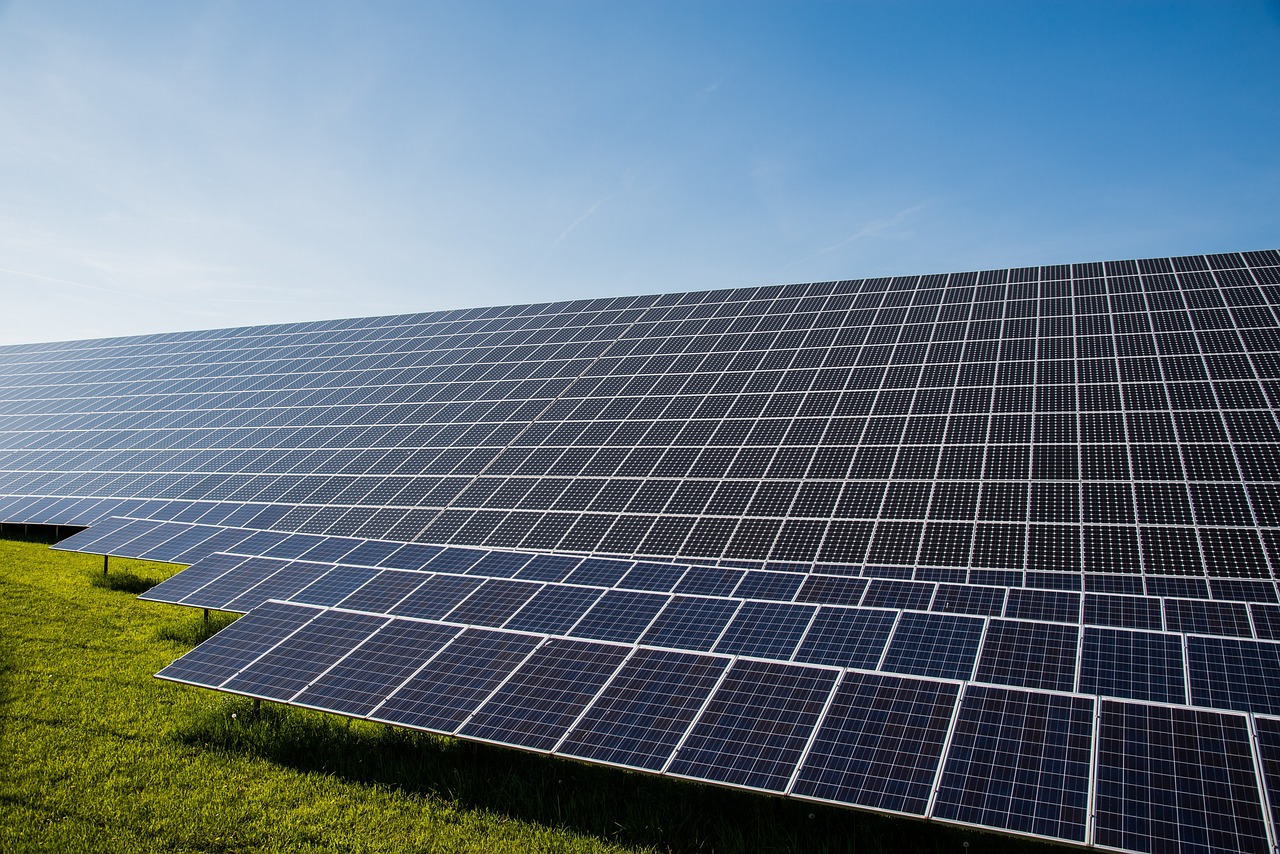
solar installation in Cape Town

Solar Energy in South Africa: A Sustainable Solution to Energy Woes

South Africa is a perfect prospect for solar energy generation. With adequate sunshine throughout the year, utilizing solar power can considerably minimize the reliance on conventional electrical power sources and alleviate greenhouse gas emissions. Stable, tidy power is useful for protecting delicate electronic gadgets like computer systems, tvs, and smart devices.

Are Solar Panels Worth It?

With South Africa securely in the grip of an energy crisis, there can be no doubt that alternative energy sources are essential. As well as being a long term, economical option and among the very best alternative energy sources, a solar power backup power system likewise includes worth to your residential or commercial property.

Abundant sunshine, reducing setup expenses, and various federal government rewards make solar power an appealing alternative for house owners and services alike. The monetary investment is rewarding, and with InPower Energy’s domestic solar financing offering, it is a lot more economical.

Solar Finance

Seasonal modifications is an essential element when choosing whether to continue with solar. This likewise indicates having the ability to pay for the expense of a solar installation in Cape Town. InPower Energy’s solar rent-to-own domestic financing option covers the whole expense of your solar and backup power system, consisting of setup, devices, and labour. Our option indicates you can begin delighting in the advantages of solar energy without breaking the bank. Backup power without the pressure of paying the complete in advance expense.

Solar Return on Investment

Solar setup provides long-lasting energy cost savings. As energy rates continue to increase, cost savings from solar power will end up being more considerable in time.

The repayment duration for domestic solar setups typically varies in between 5 and ten years, and with the appropriate setup and appropriate upkeep, the system continues to work successfully for years after that. As premium solar installers Cape Town, our setup and upkeep service is thorough.

Solar Components

As a solar business Cape Town, we comprehend the requirement to have a premium battery backup option for your home. Understanding the distinction in between solar battery parts will assist you make an educated choice about your backup power system. The finest solar battery is a sustainable energy storage, able to change the method we harness and make use of solar energy.

When making a notified choice about buying the very best solar battery for you, it is necessary to think about the particular energy requirements and use patterns of your home, making sure the solar battery lines up flawlessly with your day-to-day requirements.

Optimising your Solar Installation

The sun is setting previously as we approach winter season, now is the perfect time to change your system settings to increase energy cost savings.

Use our detailed guide to optimise your solar setup

Reposition the tilt: Solar panels must be oriented towards the North. This guarantees that the panels will get direct sunshine throughout the day. The ideal tilt angle on a photovoltaic panel is in between 25 and 35 degrees.

Update the innovation: Add an inverter to your solar power system that supports private optimisers on the panels. This will handle generation per panel, decreasing the effect of shade.

Limit shade: If your panels are set up near trees, make sure to cut any branches or leaves. Less shade will be cast on the panels throughout the day.

Clean panels routinely: Solar panels require to be ‘cleaned’ a number of times a year. Falling foliage and modifications in seasons can trigger dust to rest on the panels. An authorized installer like InPower guarantees that your panels are constantly preserved for ideal effectiveness.

The lower expense of photovoltaic panels and the advancement of battery innovation have actually made renewable resource alternatives more economical; low upkeep expense and usefulness, topping the list. Any solar-powered system that is set up will minimize electrical power usage at differing rates and, in this method, spend for itself in time.

Take a take a look at InPower Energy’s Solar Power Installation page for additional information

Solar Panel Tax Incentive In South Africa

Solar Panel Tax Incentive In South Africa

This note sets out the basic characteristics and requirements for the solar panel incentive South Africa announced by the Minister of Finance on 22 February 2023. This is meant to help individuals in their immediate decision-making, rather than postponing any solar installation until the legislative process can be finalised.

What Is The Objective Of The Solar Panel Incentive?

Government proposes this programme to encourage households to invest in clean electricity generation capacity which can supplement electricity supply. The incentive will only be available for 1 year to encourage investment as soon as possible.


Who Can Claim The Solar Panel Tax Incentive?

Individuals who pay personal income tax can claim the rebate against their tax liability. Not for solar installations at business premises. (Please see Chapter 4 of the Budget Review for the announcement on the expansion of the renewable energy tax incentive South Africa for businesses.)


What Can Be Claimed?

Individuals will be able to claim a rebate to the value of 25% of the cost of new and unused solar photovoltaic (PV) panels, up to a maximum of R15 000 per individual.

For example, a person buys 10 solar PV panels, at a cost of R4000 per panel (so total cost of R40 000). That person would be able to claim 25% of the cost up to R15 000, so R10 000.

A different person is able to buy 20 panels at a cost of R4000 per panel (so total cost of R80 000). The calculation of 25% adds up to R20 000, but they can only claim R15 000.


What Are The Requirements?

  • Only new and unused solar PV panels qualify, to ensure that the capacity is in addition to what the country already has in place. The panels can be part of a new system, or an extension of an existing system.
  • Only solar PV panels with a minimum capacity of 275W per panel (design output) qualify for the rebate.
    Other components of a system – batteries, inverters, fittings or diesel generators – and installation costs
    do not qualify. Portable panels will also not qualify.
  • Solar PV panels must be installed at a residence that is mainly used by an individual for domestic
    purposes. The installation will have to be proved with a certificate of compliance in terms of the Electrical
    Installation Regulations, 2009 to ensure safety of the installation and compliance to electric regulations.
  • The solar must form part of a system connected to the mains distribution of the private residence.
  • The rebate applies to qualifying solar PV panels that are brought into use for the first time in the period
    from 1 March 2023 to 29 February 2024.

How Can People Claim The Incentive?

Individuals will be able to claim the rebate if they have:

  • A VAT invoice that indicates the cost of the solar PV panels separately from other items, along with proof
    of payment.
  • Certificate of Compliance evidencing that the solar PV panels were brought into use for the first time in
    the period from 1 March 2023 to 29 February 2024.
    PAYE taxpayers will be able to claim the rebate on assessment during 2023/24 filing season. Provisional
    taxpayers will be able to claim the rebate against provisional and final payments.

Why Only Solar Panels, And Not Diesel Generators, Inverters, Batteries And Installation Costs?

They are not a sustainable solution to generate additional power. They increase demand for fuel and have negative environmental impacts. Including generators would detract from the climate objectives government is committed to, where fiscal instruments like the carbon tax play an important role.

While an inverter and batteries are required to use solar panels, inverters and batteries can be operated without solar panels – in which case they offer no additional capacity to the system. The focus on solar PV panels is to maximize the use of limited government funds to get as much additional generation capacity as possible – and recognizes that government will have to focus on a partial rebate of the components that are most directly linked to generation.

What About People Who Rent Their Homes?

There is no ownership limitation for the incentive. Therefore, installations by landlords or renters would be eligible. However, only the party that pays for the solar panels can claim the rebate.

What About Sectional Titles / Body Corporates?

If occupants are enabled to install their own panels, then the tax incentive applies as for all other individuals. A body corporate will not be able to claim this incentive. It is unclear whether body corporates will purchase solar installations instead of using leasing. Or other options to avoid up-front costs for members.

Government will be consulting on this aspect. If there is widespread interest in body corporates purchasing and installing solar panels, then payment (e.g special levies) for solar installations levied from the occupants would have to indicate the cost of the solar panels separately – as would be the case for any other claimant. The applicable Certificate of Compliance data would also have to be shared with SARS. Because there would be some adjustments to ensure that the right people could claim the right amounts, there will be consultation to determine the required approach and documentation.

Will I Need To Pay Sars Back If I Sell My Home After Installing Solar Pv Panels?

No, there will be no recoupment if you sell your house after having benefitted from this incentive as the solar panels will likely remain fixed to the house and used by the following owner – still enabling an expansion in generation. There will, however, be a claw-back of the rebate if you sell the panels themselves within one year after they were first brought into use to counter potential abuse.

When Will This Become Part Of Tax Legislation?

A draft version of the legislation will be published for public comment no later than the publication date of the 2023 Draft Taxation Laws Amendment Bill. The Minister tables tax bills during the Medium Term Budget Policy Statement (MTBPS) in October each year. Parliament considers the amendments after which the President can assent to the amendments – usually by January of the year after the announcement.

The aim of this is to provide as much upfront clarity as possible. Therefore, individuals do not need to wait for the tax bills before making a decision. The guidance provided is, subject to the outcome of the consultative process on the proposal and Parliament’s ultimate decisions on the legislation giving effect to the proposal.

For more information, contact our tax expert team at Tax Leaders in South Africa – [email protected] or www.taxleaders.net