
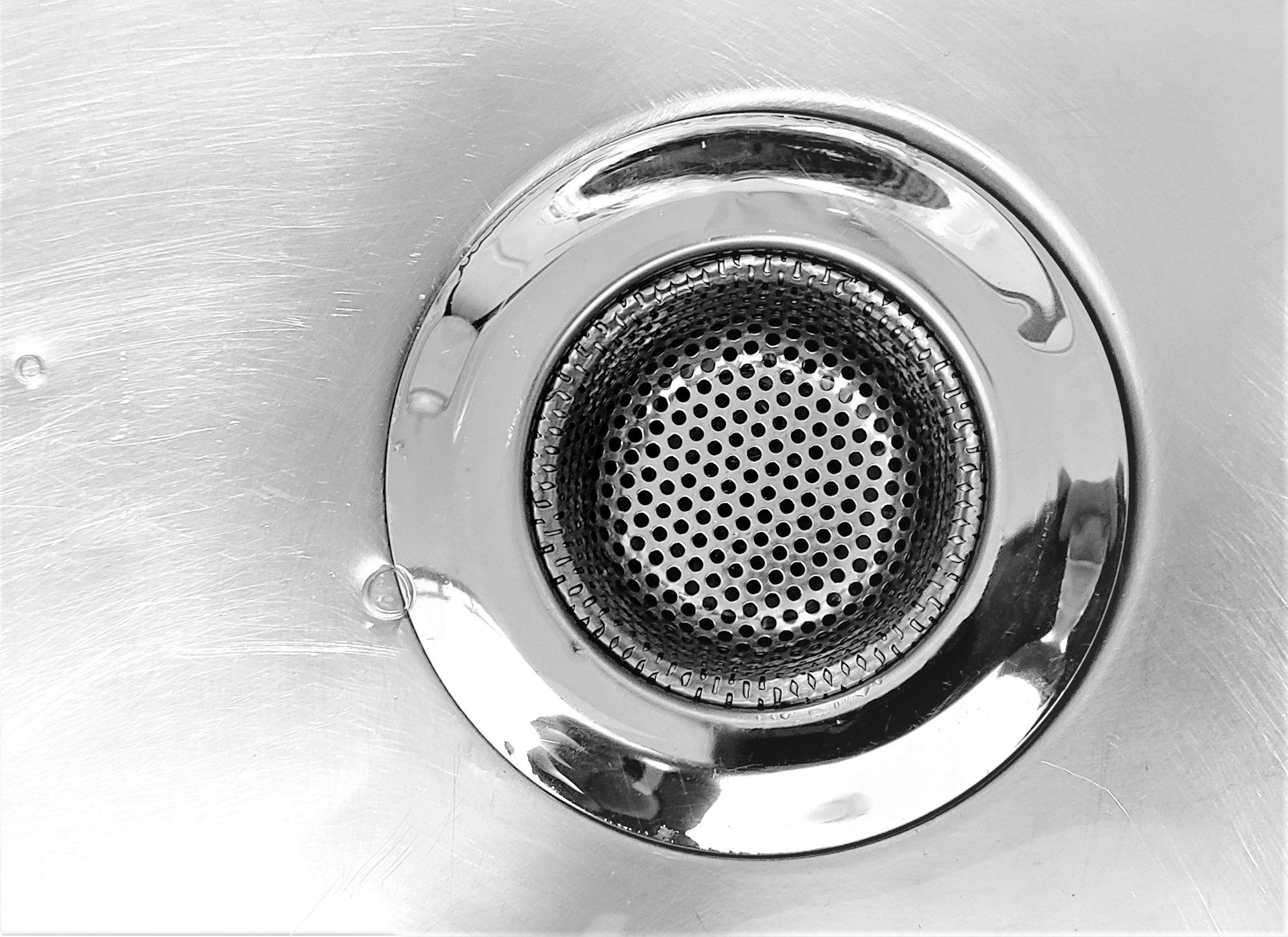
close-up of a clogged drain being cleaned

Drain Cleaning vs. DIY Unclogging: When to Call a Professional Plumber

Blocked sinks and slow-moving drains are more than a minor inconvenience. They disrupt daily routines, create unpleasant odours, and can signal deeper plumbing issues developing out of sight. Many homeowners initially reach for household remedies before considering professional drain cleaning, hoping for a quick and inexpensive fix.

In some cases, a simple blockage can be resolved without outside help. In others, what appears to be a minor clog may be the early warning sign of structural pipe damage, invasive tree roots, or years of accumulated debris. Understanding the difference is essential, especially when plumbing systems form part of your home’s long-term value and safety.

Knowing when to attempt a DIY solution and when to call a qualified plumber protects both your property and your budget. Acting too late can lead to burst pipes, water damage, or even health risks from sewage backups. Making informed decisions ensures your drainage system continues to function efficiently and safely.

Understanding What Causes Drain Blockages

Most household blockages develop gradually. Grease, soap residue, food scraps, hair, mineral buildup, and foreign objects slowly accumulate along pipe walls. Over time, the internal diameter of the pipe narrows until water can no longer pass freely.

In kitchens, grease and oils are frequent culprits. These substances may flow easily when hot but solidify as they cool, trapping other debris. Bathrooms present a different challenge, where hair combines with soap scum to form dense obstructions.

Outside the home, underground drainage lines face additional risks. Tree roots can penetrate small cracks in pipes, expanding as they grow and restricting water flow. Shifting soil and aging materials may also cause pipe misalignment or collapse.

Recognising the underlying cause determines whether a simple remedy will work or whether professional intervention is necessary.

When DIY Unclogging Can Be Effective

Minor clogs near the surface often respond well to basic household tools. If water drains slowly but does not completely back up, the blockage may be close to the fixture.

Homeowners commonly try:

  • A plunger to create pressure and dislodge debris

  • A drain snake or auger for shallow blockages

  • Removing and cleaning the P-trap beneath sinks

  • Hot water flushing for mild grease buildup

These methods are generally safe when used correctly and can restore normal flow in uncomplicated cases.

However, caution is critical. Chemical drain cleaners may promise instant results, but repeated use can corrode pipes, weaken joints, and create environmental hazards. In older plumbing systems, harsh chemicals may accelerate deterioration rather than solve the problem.

DIY approaches are best reserved for isolated, minor clogs. If symptoms persist or worsen, further action is required.

Warning Signs That Indicate a Deeper Problem

Certain symptoms suggest the issue extends beyond a simple blockage. Ignoring these warning signs can allow small issues to escalate into major repairs.

Watch for:

  • Multiple fixtures draining slowly at the same time

  • Gurgling sounds from toilets or sinks

  • Water backing up into showers or tubs

  • Persistent foul odours

  • Recurring clogs despite repeated attempts to clear them

These signs often point to a blockage in the main sewer line or a structural defect within the plumbing system. Professional assessment becomes essential at this stage.

Delaying proper intervention increases the risk of overflow and contamination. Sewage backups, in particular, pose serious health risks due to bacteria and harmful pathogens.

The Advantages of Professional Drain Cleaning

When a blockage is complex or deeply embedded, specialised equipment makes the difference. Professional plumbers use advanced diagnostic tools such as drain cameras to inspect pipes internally. This eliminates guesswork and identifies the exact source of the problem.

High-pressure hydro jetting systems can remove years of hardened grease, sludge, and mineral buildup without damaging pipe walls. Mechanical augers designed for heavy-duty use reach further than consumer-grade tools and clear obstructions more thoroughly.

Professional drain cleaning also addresses root causes rather than symptoms. If tree roots are present, a plumber can recommend long-term solutions such as pipe repair or replacement.

Most importantly, professional service reduces the likelihood of recurring problems. While DIY fixes may offer temporary relief, expert treatment restores full pipe capacity and improves overall system performance.

Financial Considerations: Short-Term Savings vs. Long-Term Costs

DIY unclogging appears cost-effective at first glance. Basic tools are affordable, and many homeowners prefer to avoid service fees.

Yet repeated attempts can increase costs over time. Purchasing multiple chemical treatments, renting equipment, or repairing accidental pipe damage can quickly exceed the price of a professional visit.

Water damage resulting from unresolved blockages is significantly more expensive. Repairs to flooring, cabinetry, and structural components often involve thousands in restoration costs.

Investing in professional care early may prevent larger financial burdens later. Proper maintenance protects both property value and household hygiene.

Health and Safety Implications

Blocked drains are not merely inconvenient. Standing water becomes a breeding ground for bacteria and insects. Sewage exposure can cause gastrointestinal illness, respiratory issues, and skin irritation.

Chemical cleaners introduce additional hazards. Fumes may irritate lungs and eyes, especially in poorly ventilated spaces. Accidental splashes can cause burns.

Professional plumbers are trained to handle hazardous situations safely. Protective equipment and industry protocols minimise risk during repairs.

When health concerns arise, prioritising safety over short-term savings is a prudent decision.

Preventative Measures to Reduce Future Blockages

Prevention remains the most effective strategy for maintaining a healthy plumbing system. Small changes in daily habits significantly reduce clog formation.

Practical prevention steps include:

  • Avoid pouring grease or oil down sinks

  • Install drain strainers to catch hair and debris

  • Flush drains periodically with hot water

  • Schedule periodic inspections for older plumbing systems

Routine maintenance extends pipe lifespan and reduces emergency calls. In properties with mature trees, regular inspections help detect root intrusion before severe damage occurs.

A proactive approach reduces stress and protects infrastructure.

Making the Right Call for Your Home

The decision between DIY methods and professional assistance depends on severity, recurrence, and overall system condition. Minor surface clogs may respond to simple tools. Persistent or widespread issues demand expert evaluation.

When multiple warning signs appear, relying solely on household remedies risks escalating damage. Plumbing systems are interconnected; what seems isolated may affect the broader network.

Experienced plumbers provide accurate diagnostics, durable solutions, and compliance with building standards. Their expertise ensures that underlying issues are resolved, not masked.

Addressing drainage concerns promptly supports household hygiene, structural integrity, and long-term property value. Thoughtful decision-making today prevents costly complications tomorrow, keeping your plumbing system reliable and efficient for years to come.


outdoor ac unit being serviced

Choosing the Right Air Conditioner Technician for Reliable Service

In warm South African climates, air conditioning isn’t a luxury—it’s a necessity. When your system breaks down, it’s tempting to call the first number that pops up online. But choosing a skilled and dependable technician is worth the extra effort.

Not every air conditioner technician you find is created equal. Some cut corners or lack the experience to diagnose more complicated issues. A bit of research before booking a service call can save you from headaches later on.

A professional who handles air conditioner repairs should do more than just plug leaks and top up gas. Look for these standout traits:

Industry Knowledge and Qualifications

A qualified technician stays up to date with HVAC technology, safety standards, and energy-efficient solutions. If your system involves a heat pump, inverter, or ductless unit, the technician must understand how each component interacts.

They should also be familiar with load calculations, which affect the cooling efficiency of your space. Improper assessments are a common cause of repeat aircon repairs.

Consistency and Work Ethic

Reliable technicians show up when they say they will, complete the job efficiently, and take pride in their work. They’re not interested in shortcuts—they want the system to perform optimally and keep your home comfortable.

Consistency is especially important if you need ongoing maintenance. Once you've found someone dependable, you’ll want to keep them in your contact list.

5 Traits of a Technician You Can Trust

  1. Clear communicator – explains what’s wrong without technical jargon

  2. Detail-oriented – doesn’t overlook warning signs

  3. Customer-first approach – puts your needs before upselling

  4. Proper tools and gear – uses industry-standard diagnostics

  5. Willing to educate – gives practical maintenance tips

These traits often show up during your first interaction. If the technician rushes through explanations or avoids questions, that’s a red flag.

Long-Term Focus vs. Short-Term Fixes

Air conditioning systems can be tricky. You might think the issue is a blown fuse, but it could be poor airflow, low refrigerant, or even faulty wiring. A seasoned air conditioner technician will check beyond the obvious.

Instead of patching the symptom, they look for the root cause—so you don’t have to keep calling for air conditioner repairs every season.

Trust Goes Beyond Credentials

While qualifications are essential, they aren’t everything. Trust your gut, too. If a technician shows genuine concern for your system’s performance, isn’t pushy, and follows up after the job, that’s the kind of service provider you want to stick with.

When you hire the right person, you get more than just a working AC unit—you get peace of mind and long-term value.

appliance repairs in Western Cape

Essential Tips for Keeping Your Refrigerator Running Smoothly

In every home, the fridge is a foundation device, working relentlessly to maintain food and preserve freshness. Yet, it’s simple to neglect this important device till it begins revealing indications of problem. Proper refrigerator upkeep is crucial, not simply to guarantee its effective operation however likewise to extend its life-span. Neglecting fundamental maintenance can cause pricey breakdowns and the requirement for device repair work in Western Cape. Here’s why routine refrigerator upkeep is a needs to and how it adds to the durability of your device.

Energy Efficiency and Cost Savings

A properly maintained refrigerator runs more effectively, taking in less energy. Dust and dirt building up on the condenser coils require the device to work more difficult to preserve the wanted temperature level. This increased work not just increases your electrical energy expense however likewise uses down internal elements much faster. Cleaning the coils and guaranteeing sufficient air flow can considerably improve your refrigerator’s performance. Additionally, correct sealing of the door gasket avoids cold air from leaving, lowering the pressure on the compressor. These easy actions can conserve you from the hassle and expenditure of regular device repair work in Western Cape.

Preventing Costly Breakdowns

Fridges are developed to last, however just if they are treated with care. Ignoring uncommon sounds, temperature level changes, or water leakages can cause more serious concerns with time. Regular assessments enable you to recognize and attend to small issues before they intensify. For circumstances, a stopped up defrost drain may appear like a small hassle, however left ignored, it can cause water damage and increased repair work expenses. By watching on your device’s efficiency, you can prevent the requirement for emergency situation device repair work in Western Cape.

Prolonging Appliance Lifespan

The typical fridge is developed to last 10 to 15 years, however incorrect upkeep can considerably minimize this life-span. Components like the compressor, evaporator, and fans need to operate in consistency to make sure smooth operation. Routine cleansing and prompt maintenance aid these parts operate efficiently, lowering the threat of early failure. Investing a little time in upkeep can imply the distinction in between changing your refrigerator in 5 years or enjoying its reputable efficiency for over a years.

Food Safety and Hygiene

A badly preserved fridge can jeopardize food security. If the temperature level inside the refrigerator isn’t constant, disposable products might ruin much faster, causing lose and possible health dangers. Regularly cleaning up the interior, inspecting temperature level settings, and guaranteeing correct air blood circulation are important for keeping your food fresh and safe to take in. Moreover, a tidy refrigerator lessens the threat of mold, germs, and undesirable smells, developing a much healthier environment for you and your household.

Maintenance Tips for Your Fridge

To guarantee your refrigerator remains in leading condition, follow these easy yet efficient upkeep suggestions:

  1. Clean the Condenser Coils: Dust and particles can collect on the coils situated at the back or bottom of your refrigerator. Use a vacuum or a soft brush to clean them every 6 months.
  2. Check the Door Seals: Inspect the rubber gasket around the refrigerator door for fractures or damage. Replace it if needed to preserve an appropriate seal.
  3. Set the Right Temperature: Keep your refrigerator at 3-5°C and your freezer at -18°C for ideal food conservation and energy performance.
  4. Keep It Level: Ensure your refrigerator is put on a level surface area to avoid pressure on the compressor and enable doors to close appropriately.
  5. Defrost Regularly: If your refrigerator doesn’t have an automated defrost function, make certain to by hand thaw it to avoid ice accumulation.
  6. Organize the Contents: Avoid overwhelming your refrigerator, as this limits air blood circulation and impacts cooling performance.

Professional Maintenance Services

While numerous upkeep jobs can be done in the house, some need the knowledge of an expert. Scheduling yearly check-ups with certified service technicians makes sure that any underlying concerns are dealt with immediately. For locals in the location, reputable device repair work in Western Cape offer extensive services to keep your refrigerator running efficiently. From detecting complicated issues to changing damaged elements, specialists make sure that your device stays in peak condition.

The Long-Term Benefits of Maintenance

By focusing on refrigerator upkeep, you’re not simply safeguarding your financial investment however likewise adding to ecological sustainability. A properly maintained refrigerator takes in less energy, lowering your family’s carbon footprint. Additionally, extending the life-span of your device lessens waste and the need for brand-new production, which has its own ecological effect.

Fridge upkeep is a little effort with considerable benefits. From enhancing energy performance to avoiding pricey breakdowns, routine care makes sure that your fridge stays a reliable part of your family for many years to come. Don’t await an issue to occur; take proactive actions today to preserve your device. And if you ever experience concerns beyond your knowledge, bear in mind that relied on appliance repairs in Western Cape are simply a call away. Investing in upkeep is not just a financial investment in your refrigerator however likewise in your comfort.