
Understanding waste removal service costs in Cape Town

The Real Cost of Waste Removal Services in Cape Town

The cost of keeping a property clean and free from waste is something many homeowners and businesses underestimate until they need the service. Whether it’s after a renovation, a garden clean-up, or routine disposal, understanding what you’re actually paying for can make a significant difference in how you budget and plan. In cities where demand is high and regulations are strict, pricing can vary more than expected.

In a growing urban environment, managing waste responsibly is not just about convenience. It involves logistics, labour, compliance, and environmental considerations. Many people searching for waste removal Cape Town services are initially drawn to the lowest price, but that approach often overlooks the full picture.

To make informed decisions, it’s important to break down the real cost components behind these services. This allows you to compare quotes properly, avoid hidden fees, and ensure you’re getting both value and reliability rather than just a quick fix.

What Influences the Price of Waste Removal Services

Pricing is rarely a flat rate because waste removal involves several moving parts. The type of waste is one of the biggest cost drivers. General household waste is usually cheaper to remove than construction debris, hazardous materials, or bulky items like furniture and appliances.

Volume also plays a key role. Most service providers charge based on how much waste needs to be collected, often measured in cubic metres or truckload capacity. A small garden clean-up will naturally cost less than clearing out an entire property or construction site.

Accessibility is another factor that can affect pricing. If waste is easy to access and load, the job is quicker and requires less labour. However, properties with limited access, stairs, or tight spaces may increase the time and effort required, which is often reflected in the final cost.

Labour and Equipment Costs Explained

Behind every waste removal job is a team of workers and specialised equipment. Labour costs include the time it takes to load, transport, and dispose of the waste. This is especially relevant for heavier or more complex jobs that require additional manpower.

Vehicles and fuel also contribute to pricing. Trucks must be maintained, fuelled, and operated efficiently, particularly when covering longer distances. Rising fuel costs can have a direct impact on service rates, especially in areas that are further from disposal facilities.

In some cases, specialised equipment may be needed. This could include compactors, lifting tools, or protective gear for handling certain types of waste. These added requirements can increase the overall cost but are necessary for safe and compliant operations.

Disposal Fees and Environmental Compliance

One of the most overlooked aspects of waste removal pricing is disposal. Waste does not simply disappear after collection. It must be transported to designated facilities where it is sorted, processed, or disposed of according to local regulations.

Disposal sites often charge tipping fees based on the type and weight of the waste. Hazardous materials, for example, are more expensive to process due to the strict handling requirements involved. These costs are typically included in your quote but may not always be clearly itemised.

Environmental compliance is another critical factor. Reputable service providers follow regulations to ensure waste is handled responsibly. This includes recycling where possible and avoiding illegal dumping, which can carry heavy fines. While compliant services may cost slightly more, they protect you from potential legal and environmental risks.

Hidden Costs to Watch Out For

Not all quotes are as straightforward as they seem. Some providers may advertise low base rates but exclude additional charges that only become apparent later. This can lead to unexpected expenses that quickly push the total cost higher than anticipated.

Common hidden costs include extra charges for overweight loads, extended labour time, or specific types of waste that require special handling. Travel fees may also apply if your location falls outside a standard service area.

To avoid surprises, always ask for a detailed breakdown of what is included in the quote. Transparency is a strong indicator of a professional and trustworthy service provider.

Comparing Value Instead of Just Price

Choosing a waste removal service based solely on the lowest price can be misleading. A cheaper option may cut corners, lack proper licensing, or fail to dispose of waste responsibly. This can create more problems in the long run, including environmental harm or potential fines.

Instead, focus on overall value. This includes reliability, professionalism, and adherence to regulations. A slightly higher upfront cost can often translate into better service, faster turnaround times, and peace of mind.

Customer reviews and reputation also play a role in assessing value. Consistent positive feedback usually indicates a provider that delivers on its promises and handles waste responsibly.

When Waste Removal Becomes More Expensive

Certain situations naturally lead to higher costs. Emergency or same-day services often come at a premium due to the urgency and scheduling adjustments required. Similarly, large-scale projects like construction clean-ups involve more resources and coordination.

Seasonal demand can also affect pricing. Periods of increased activity, such as after major storms or during peak renovation seasons, may lead to higher rates due to limited availability.

Another factor is the type of client. Commercial projects often require ongoing services, compliance documentation, and stricter timelines, all of which can influence pricing structures compared to once-off residential jobs.

How to Reduce Your Waste Removal Costs

While some costs are unavoidable, there are ways to manage and potentially reduce your expenses. Planning ahead is one of the most effective strategies. Booking in advance allows you to avoid rush fees and secure better rates.

Sorting your waste can also make a difference. Separating recyclable materials from general waste may reduce disposal fees and improve efficiency during collection. This is particularly useful for larger projects where waste types vary.

Being clear about the scope of the job helps prevent misunderstandings and additional charges. Accurate information allows service providers to quote more precisely and allocate the right resources from the start.

Key Takeaways Before Hiring a Service

Before committing to a provider, it’s important to evaluate all aspects of the service rather than focusing on a single factor. The real cost goes beyond the initial quote and includes quality, compliance, and long-term impact.

Keep the following points in mind when comparing options:

  • Always request a detailed, itemised quote
  • Confirm what types of waste are included in the price
  • Check for proper licensing and compliance with local regulations
  • Consider the provider’s reputation and customer feedback
  • Avoid deals that seem unusually cheap without clear explanations

Understanding the full scope of what goes into pricing helps you make smarter decisions. When looking at waste removal in Cape Town, taking a balanced approach ensures you get reliable service without unnecessary expenses, while also contributing to responsible waste management in your community.


lawyers in Sandton

Key Factors to Consider When Hiring a Sandton Attorney for Small Business Needs

When running a small company, the value of having reputable legal assistance cannot be overemphasized. Choosing the ideal legal representative in Sandton is important for making sure that your service is not just secured lawfully however likewise placed for development. This post will explore what to search for when picking a legal representative in Sandton, particularly concentrating on characteristics that line up with the requirements of small companies.

Expertise and Specialization

When looking for legal representation, it's necessary to think about lawyers in Sandton who focus on service law. These specialists will have a deep understanding of the intricacies small companies deal with. From agreement law to work conflicts, and copyright security, the ideal lawyer in Sandton will offer skilled assistance customized to your particular market. Look for leading black law practice in Sandton that boast a performance history of effectively dealing with cases comparable to yours, guaranteeing they are geared up to resolve all possible legal problems your service may experience.

Experience with Small Businesses

Not all Sandton lawyers will be a great suitable for a small company. It's important to choose a lawyer in Sandton who has direct experience dealing with little business. These legal representatives in Sandton comprehend the distinct obstacles small companies deal with, such as spending plan restrictions and the requirement for quick, reliable services. An knowledgeable legal representative in Sandton can prepare for typical legal problems and assist you browse them proactively.

Reputation and Reliability

Reputation is a crucial indication of a law office's dependability and quality of service. Researching leading law practice in Sandton can provide you insight into which companies are appreciated by peers and customers alike. Look for evaluations and reviews from other entrepreneur to evaluate how Sandton lawyers have actually assisted comparable companies. A respectable legal representative in Sandton will be transparent about their abilities and be prepared to offer recommendations upon demand.

Cost and Billing Transparency

For a small company, budgeting for legal services is important. Discussing costs in advance with your lawyer in Sandton is essential to prevent surprises. Many legal representatives in Sandton use versatile billing plans, such as flat costs for particular services or regular monthly retainers that cover all legal requirements. Ensure that the legal representative in Sandton you pick supplies a clear, written arrangement detailing what costs cover and how added fees are managed.

Communication and Accessibility

Effective interaction is important when dealing with any lawyer in Sandton. Your legal representative in Sandton needs to be available and responsive to your requirements, describing complicated legal terms in easy to understand language and keeping you notified about your case's development. Regular updates and uncomplicated interaction will make sure that you and your legal representatives in Sandton are constantly on the exact same page.

Selecting the ideal legal partner is necessary for the success and security of your small company. By concentrating on proficiency, experience with small companies, credibility, expense performance, and reliable interaction, you can discover a legal representative in Sandton who will support and secure your service interests. Remember, leading law practice in Sandton are those that not just comprehend the legal landscape however likewise prioritize your service's particular requirements. With the right Sandton lawyers at hand, you can with confidence deal with any legal obstacles and concentrate on growing your service.

Online English teacher preparing lesson materials for overseas teaching

Age Limits and Health Requirements for South Africans Teaching Overseas

Teaching English abroad has become an increasingly attractive option for South Africans seeking travel, professional growth, and international income. The global demand for qualified English instructors remains strong, particularly in Asia, the Middle East, and parts of Europe. However, enthusiasm alone is not enough. Before booking flights or signing contracts, it is essential to understand the legal and medical frameworks that govern international placements.

Among the most common questions prospective educators ask are those related to age restrictions and health screenings. Governments set specific visa conditions, and schools are bound by national labor laws. In many cases, immigration policy directly influences hiring decisions. Understanding the requirements for South Africans to teach English abroad with TEFL ensures you plan strategically and avoid costly surprises.

This guide unpacks age thresholds, medical clearances, background checks, and other eligibility criteria. It also explains how these factors differ across regions and what you can do to strengthen your application.

Why Age Limits Exist in International Teaching Programs

Age restrictions are rarely arbitrary. They are typically linked to work visa regulations rather than school preferences. Immigration authorities in countries such as China, South Korea, Japan, and United Arab Emirates impose minimum and maximum age limits for foreign employees.

Most Asian countries set a minimum age of 21 or 22 for work visas tied to English teaching. The upper limit commonly falls between 55 and 60 years old, although this varies depending on the country and the specific visa category.

Employers themselves may be flexible. Immigration departments are not.

In practical terms, this means that even if a private language center wants to hire a highly experienced teacher over 60, the visa may not be granted. In contrast, some European countries operate under different labor frameworks and may not enforce strict maximum age caps, provided the applicant meets other criteria.

If you are under 21, opportunities are significantly limited. If you are over 55, destination choice becomes strategic rather than broad.

Common Age Ranges by Region

While policies change periodically, the following general patterns apply:

  • East Asia typically prefers candidates between 21 and 60

  • The Middle East often imposes upper age limits between 55 and 60

  • Southeast Asia tends to be more flexible but still requires adulthood for visa issuance

  • Parts of Europe may prioritize EU passport holders but apply fewer strict age caps

These are visa-driven constraints. They do not reflect teaching ability or professional competence.

Older candidates with extensive experience sometimes secure roles in international schools, private institutions, or corporate training environments where exceptions may apply. However, documentation must be precise and complete.

Health Requirements and Medical Screening Standards

Health assessments form a core part of overseas employment approval. Immigration authorities want assurance that foreign workers do not pose public health risks and are physically capable of fulfilling contract duties.

Most countries require a medical examination before or after arrival. This often includes blood tests, chest X-rays, and general physical assessments.

In many cases, you will be screened for:

  • Communicable diseases such as tuberculosis

  • HIV status, depending on local regulations

  • Drug use through laboratory testing

  • General physical fitness and chronic conditions

The specific tests depend on national policy. For example, work visa procedures in China and South Korea are known for comprehensive medical checks. Meanwhile, some European countries may require proof of health insurance rather than extensive laboratory screening.

If a medical condition is well managed and documented, it does not automatically disqualify you. Transparency is critical. Concealing information can invalidate a visa or employment contract.

Understanding these medical protocols is central when reviewing the requirements for South Africans to teach English abroad with TEFL, especially since health documentation must often be notarized or authenticated.

Criminal Background Checks and Character Clearance

Health is only one part of eligibility. Criminal record clearance is equally significant.

Most countries demand a police clearance certificate issued by the South African Police Service. This document verifies that you do not have disqualifying criminal convictions, particularly those related to violence or offenses involving minors.

The clearance typically needs to be:

  • Recently issued

  • Authenticated or apostilled

  • Translated if required by the destination country

Background verification aligns with child safeguarding policies and international labor standards. Schools are legally obligated to ensure student safety.

If you have minor historical offenses, disclosure is essential. Some countries differentiate between serious and non-serious infractions. Each case is assessed individually, but nondisclosure can result in immediate contract termination.

TEFL Certification and Academic Credentials

While this article focuses on age and health, academic qualifications remain foundational.

Most countries require a bachelor’s degree in any discipline. In addition, a recognized Teaching English as a Foreign Language certification is expected. Accreditation matters. Employers and immigration officials may verify course hours, practical components, and issuing institutions.

For South Africans, degree certificates often need to be verified by relevant authorities and apostilled for international use. TEFL certificates may require similar authentication.

Without these documents properly legalized, visa applications stall.

A structured understanding of the requirements for South Africans to teach English abroad with TEFL must therefore integrate academic validation, age compliance, and medical clearance as interconnected elements.

Insurance and Ongoing Health Compliance

Beyond initial screening, teachers are generally required to maintain health insurance coverage throughout their contract period.

Some employers provide state-backed insurance schemes. Others require private coverage. In the Middle East, for example, employer-sponsored health insurance is often mandatory under labor law.

Failure to maintain coverage can affect visa status.

In addition, teachers may be subject to periodic health checks. Renewal of residency permits sometimes involves updated medical reports.

Planning financially for these requirements is prudent. Medical tests, document legalization, and insurance premiums can add up before your first paycheck arrives.

Fitness for Classroom Demands

Teaching English abroad can be physically and mentally demanding.

Class sizes may be large. Workdays can be long. Climate conditions in certain regions are intense. Being medically cleared is not only about immigration approval. It is also about personal sustainability.

Before committing, assess your own readiness. Consider workload, time zone adjustments, and cultural adaptation. Managing stress effectively is part of professional resilience.

If you have chronic health conditions, discuss them with a medical professional before departure. Ensure prescriptions are available in your destination country. Carry official documentation if necessary.

Proactive preparation reduces risk and improves your overall experience.

Planning Ahead and Avoiding Delays

Many aspiring teachers underestimate document processing timelines.

Police clearance certificates can take weeks. Apostille services add further delays. Medical examinations must often be conducted within a specific timeframe prior to visa submission. Start early.

Keep digital and physical copies of every document. Verify that names match exactly across passports, degrees, and certificates. Minor discrepancies can result in administrative rejection. Recruiters and placement agencies may assist, but ultimate responsibility rests with you. Careful organization demonstrates professionalism and increases employer confidence.

For South Africans eager to expand their careers internationally, understanding the requirements for South Africans to teach English abroad with TEFL is not merely procedural. It is strategic. Age eligibility, medical compliance, academic validation, and character clearance collectively determine whether an application proceeds smoothly or encounters barriers.

With accurate information, thorough preparation, and realistic expectations, teaching overseas can be a rewarding and transformative professional step.

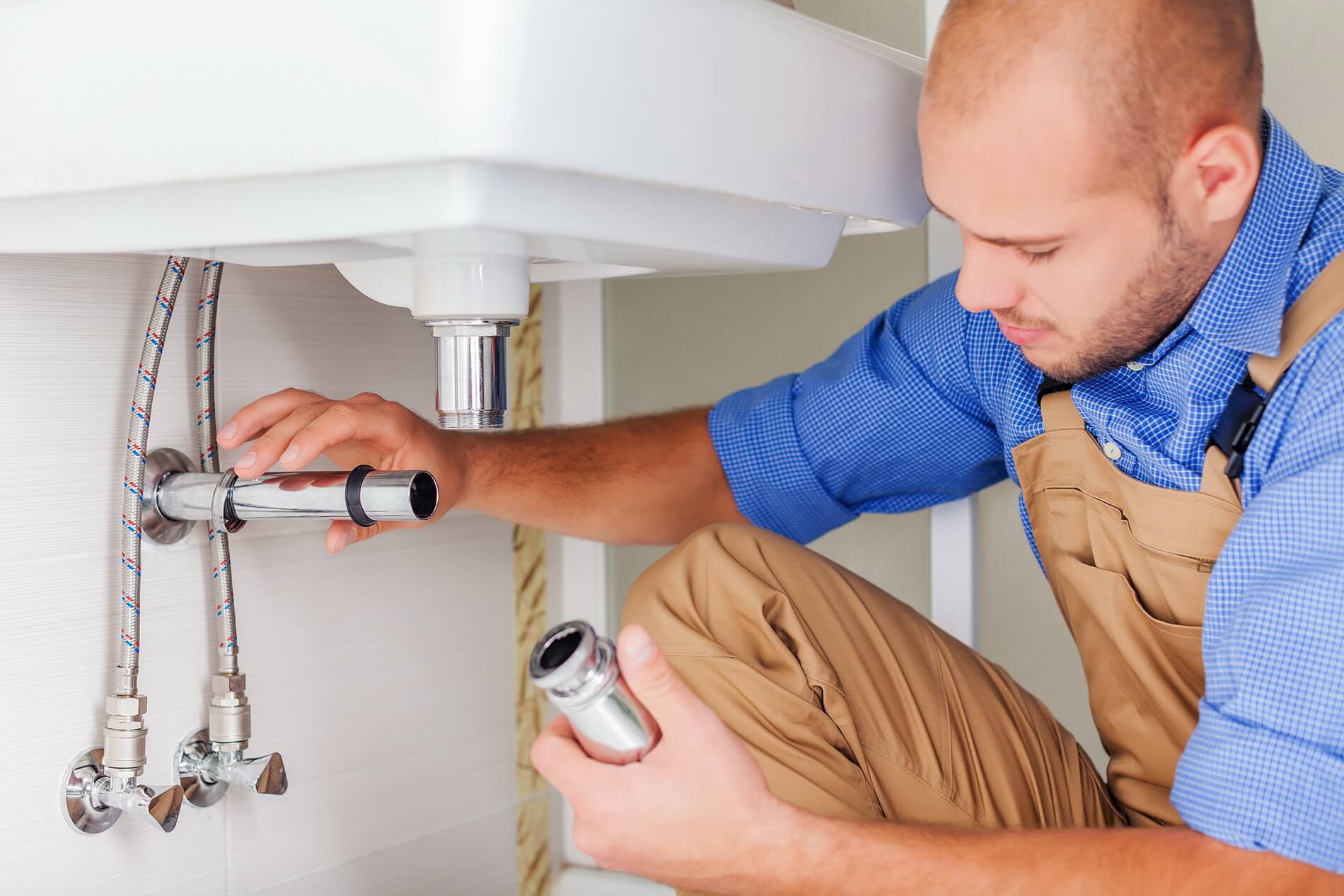
detailed plumber quote for home plumbing

How to Get an Accurate Plumbing Quote Without Hidden Costs

Getting a clear and accurate estimate from a plumbing professional can be a stressful process for homeowners and business owners alike. Many people have experienced the frustration of receiving a bill far higher than anticipated, often due to hidden costs or vague initial quotes. Understanding how to navigate this process effectively is essential for avoiding unexpected expenses and ensuring that your plumbing project stays within budget. A well-prepared approach to requesting and reviewing a plumber quote can save time, money, and stress.

Plumbing work varies widely in scope, from simple faucet repairs to extensive pipe replacements or system installations. This variability makes it difficult to rely on generic pricing or online estimators, as each situation has unique considerations. Communicating your needs clearly and providing detailed information upfront can help a plumber deliver an accurate quote, reducing the chance of surprises later. Knowing what questions to ask and what details to include is just as important as understanding the pricing itself.

Another common challenge is differentiating between a legitimate quote and an incomplete estimate that hides potential charges. Some quotes may initially appear low, but once work begins, additional fees for materials, labor, or unforeseen complications can inflate the final bill. Learning how to request a comprehensive quote and understanding the components that make up a plumber's quote is essential. By being proactive and informed, you can secure services that align with your expectations and budget.

Why Accuracy Matters in Plumbing Quotes

Receiving an accurate plumber quote is about more than just knowing the total cost upfront. It also sets expectations for the timeline, the materials involved, and the quality of workmanship. When a quote is clear and detailed, you are better equipped to compare different plumbers and make an informed decision. Without this clarity, you risk hiring someone whose services might not meet your needs or whose pricing could quickly escalate.

Accuracy also impacts planning and budgeting. Unexpected costs can disrupt household finances or delay critical projects. By obtaining a quote that accounts for all necessary materials, labor, and potential contingencies, you reduce the likelihood of unpleasant financial surprises. An accurate quote reflects transparency and professionalism, giving you confidence in the plumber’s reliability and ethics.

Furthermore, detailed quotes often include breakdowns for labor, parts, and potential additional services. This level of transparency allows you to evaluate which elements are essential and which could be optional, giving you more control over your budget. In many cases, this can prevent disputes after the work is completed and foster a smoother working relationship with your plumber.

Steps to Get a Clear and Reliable Quote

  1. Prepare Detailed Information
    Before contacting a plumber, take note of the exact issues you are experiencing. Include details like the type of fixtures, the age of your plumbing system, and any prior repairs. Photos or short video clips of the problem can be very helpful. This allows the plumber to assess the situation more accurately and provide a realistic quote.

  2. Request Written Estimates
    Always ask for a written quote rather than relying on verbal estimates. A written document reduces misunderstandings and ensures that all parties agree on the scope of work, costs, and timelines. Written quotes also serve as a reference in case any disputes arise during or after the work.

  3. Ask for a Breakdown of Costs
    A transparent quote should list labor, materials, permits (if required), and any additional charges separately. Avoid accepting a single lump-sum figure without understanding what it covers. Knowing exactly what you are paying for helps prevent hidden fees from appearing later.

  4. Compare Multiple Quotes
    Contact at least two or three plumbers for estimates to get a sense of market rates. While the cheapest quote may be appealing, it’s crucial to assess the value being offered. Look for discrepancies in materials, warranties, and service guarantees rather than focusing solely on price.

  5. Clarify Terms and Conditions
    Discuss terms regarding payment schedules, unexpected complications, and additional charges before agreeing to any work. Clear communication reduces the risk of surprises and ensures that both parties have a shared understanding of expectations.

Common Hidden Costs and How to Avoid Them

Even with a detailed quote, some hidden costs can sneak into plumbing projects if you are not vigilant. Common examples include:

  • Material Substitutions: Plumbers may use lower-grade materials than initially quoted if the original parts are unavailable. Confirm the quality and brand of all materials upfront.

  • Emergency or After-Hours Charges: If work is done outside normal business hours, additional fees may apply. Clarify the timing and potential extra costs before agreeing.

  • Unexpected Repairs: Old or damaged pipes may require additional work. Ask the plumber how such situations will be handled and whether they are included in the original quote.

  • Permit Fees: Some plumbing work requires municipal permits, which can add to the cost. Confirm whether these fees are included or if they will be billed separately.

Being aware of these potential charges and discussing them in advance can help you avoid surprises. It also signals to the plumber that you are informed and expect transparency, which often leads to more accurate estimates.

Tips for Ensuring a Smooth Quoting Process

  • Communicate Clearly: Provide complete details about your plumbing issue and desired outcome.

  • Document Everything: Keep copies of all quotes, receipts, and correspondence.

  • Verify Licenses and Insurance: A qualified and insured plumber is more likely to provide reliable and accurate quotes.

  • Ask About Guarantees: Ensure that labor and materials come with warranties to protect your investment.

  • Be Patient and Ask Questions: Take the time to understand each quote fully before making a decision.

By following these strategies, you can increase the likelihood of receiving a fair and precise plumbing quote. It ensures that both you and the plumbing professional are aligned, reducing stress and improving the overall experience.

Ultimately, securing a reliable plumbing estimate is about preparation, transparency, and communication. When you take the necessary steps to provide detailed information, request comprehensive written quotes, and clarify potential hidden costs, you set the stage for a successful project. This approach not only helps you stay within budget but also ensures peace of mind and confidence in the work being done.

plumbing services

From Drips to Disasters: Navigating the Maze of Plumbing Service Providers

When it comes to the vital systems in our homes, plumbing services are at the top of the list. A skilled plumber plays a crucial role in maintaining the water supply, drainage, and overall functionality of your home. However, finding the right plumber can be a daunting task, especially when faced with plumbing emergencies such as burst pipes or clogged drains. The decision to hire a plumber services provider should not be taken lightly. It's essential to select a professional who not only possesses the necessary skills but also offers reliable and efficient services, and additional services like refuse removal. In this article, we will guide you through the process of choosing the right plumber for your needs, ensuring your plumbing problems are addressed promptly and effectively.

Define Your Plumbing Needs

The first step in finding the right plumber is to determine your specific plumbing needs. Plumbing services cover a wide range of issues, from minor repairs like leaky faucets to major projects such as sewer line replacement. By identifying the exact problem you're facing, you can narrow down your search for a plumber with expertise in that area. Knowing the scope of work required will also help you obtain accurate quotes and ensure that the plumber you choose has the necessary skills.

Ask for Recommendations

One of the most reliable ways to find a reputable plumber is by asking for recommendations from friends, family, and neighbors. Personal referrals can provide valuable insights into the quality of service you can expect. Additionally, you can inquire with local contractors or builders who often work closely with plumbers. Online platforms and review websites are also helpful resources for gathering recommendations and reading reviews from previous customers.

Check Credentials and Licensing

Before hiring a plumber, it's crucial to verify their credentials and ensure they are licensed to operate in your area. Licensing requirements vary from place to place, but a valid license is a clear indication that the plumber has met the necessary standards and regulations. You can typically check a plumber's licensing status with your local regulatory authority. Don't hesitate to ask the plumber for their license number and proof of insurance, including liability coverage. This will protect you from potential liabilities in case of accidents or damages during the project, such as refuse removal.

Obtain Multiple Quotes

To make an informed decision, it's advisable to obtain quotes from multiple plumbers. A professional plumber should be willing to provide a detailed written estimate that outlines the scope of work, materials required, labor costs, and a timeline for completion. By comparing quotes, you can not only get a sense of the fair market price for your project but also assess the professionalism and transparency of each plumber. Be cautious of significantly low or high quotes, as they may indicate potential issues with the service.

Check References

To gauge the quality of a plumber's work, don't hesitate to ask for references from past clients. Contact these references and inquire about their experiences with the plumber, including the timeliness of the service, the quality of workmanship, and whether the plumber effectively resolved their plumbing issues. References can provide valuable insights into what you can expect from the plumber you are considering hiring.

Assess Availability and Communication

Plumbing emergencies can happen at any time, so it's important to assess a plumber's availability and communication. A reliable plumber should be reachable during emergencies and respond promptly to your inquiries. Pay attention to how they communicate, whether they are clear in explaining the problem and the proposed solution. Effective communication is key to a successful plumbing project, and a plumber who values clear communication is more likely to ensure your plumbing issues are resolved to your satisfaction.

Conclusion

Choosing the right plumber is essential to maintaining a smoothly functioning home. By defining your plumbing needs, seeking recommendations, checking credentials, obtaining multiple quotes, checking references, and assessing availability and communication, you can make an informed decision and hire a plumber who can address your plumbing issues efficiently and effectively. Remember, a skilled and reputable plumber not only fixes problems but also helps you prevent future plumbing issues, saving you time, money, and the hassle of dealing with unexpected plumbing emergencies, including refuse removal concerns.

DStv installers bluff

The Ultimate Guide to Setting Up Multi-Room DStv Access

Setting up multi-room DStv viewing is an excellent way to enjoy your favorite shows and movies in different areas of your home. This setup allows multiple TVs to access DStv simultaneously, making it perfect for families or households with different viewing preferences. In this article, we’ll guide you through the essential steps to set up multi-room viewing, as well as the necessary equipment and considerations for a seamless experience.

Understanding Multi-Room Viewing

Multi-room DStv viewing enables you to watch different channels in different rooms at the same time. It requires specific equipment and configurations, allowing you to expand your DStv service beyond a single decoder. There are various ways to achieve this, including using additional decoders or utilizing the DStv Explora's features.

Step 1: Determine Your Setup Needs

Before you start, evaluate how many rooms you want to set up for DStv viewing and what type of content each room will access. You can choose between a single DStv decoder connected to multiple TVs or multiple decoders throughout your home.

  • Single Decoder Setup: This method allows one decoder to connect to multiple TVs, but all TVs will share the same channel.
  • Multiple Decoder Setup: Each room can have its own decoder, enabling different channels to be viewed simultaneously.

Decide which option best fits your household’s needs. If you're uncertain, consulting with DStv installers bluff can provide valuable insight.

Step 2: Choose the Right Equipment

Once you've decided on your setup, gather the necessary equipment. Here’s what you’ll typically need:

  1. Decoders: If you opt for multiple decoders, ensure they are compatible with your DStv package.
  2. Satellite Dish: You may need a larger dish or additional dishes if you plan to use multiple decoders.
  3. Cables: Coaxial cables to connect each decoder to the satellite dish, as well as HDMI cables to connect the decoders to your TVs.
  4. Splitters and Switches: If using a single decoder, a splitter allows the signal to be divided among multiple TVs.
  5. Remote Controls: Ensure you have the correct remotes for each decoder, as each unit will function independently.

For a comprehensive list of equipment tailored to your needs, consider reaching out to DStv installation bluff services.

Step 3: Install the Satellite Dish

If you are installing a new satellite dish or adjusting an existing one, follow these steps:

  1. Select a Suitable Location: The dish should be installed outside, facing north, with a clear line of sight to the satellite.
  2. Mount the Dish: Secure the dish to a wall or pole, ensuring it is stable and won’t be affected by wind or weather.
  3. Align the Dish: Use a satellite finder to align the dish for optimal signal reception. This may require some trial and error.

If you're uncomfortable with this process, hiring a DStv installer bluff can ensure the dish is set up correctly.

Step 4: Connect the Decoders

After the satellite dish is installed, connect each decoder to your TVs:

  1. Wiring the Decoders: Use coaxial cables to connect each decoder to the LNB on the satellite dish. Ensure that all connections are secure.
  2. Connect to TVs: Use HDMI cables to link each decoder to its respective TV. Plug one end into the decoder's HDMI OUT port and the other into the TV’s HDMI IN port.
  3. Power Up: Plug in each decoder and power them on.

Step 5: Activation and Configuration

Once everything is connected, it’s time to activate your decoders and configure your settings:

  1. Initial Setup: Follow the on-screen instructions for each decoder, including selecting your language and activating the service.
  2. Channel Scanning: Each decoder will automatically scan for available channels. This process may take a few minutes.
  3. Customize Settings: Adjust preferences such as parental controls, favorites, and other settings based on your viewing preferences.

If you encounter any issues during activation, consider consulting with DStv installers bluff for troubleshooting assistance.

Step 6: Enjoy Multi-Room Viewing

With your multi-room setup complete, it’s time to enjoy the benefits of DStv viewing throughout your home. Here are a few tips to enhance your experience:

  • Different Packages: If your household members have different viewing preferences, consider subscribing to various packages for different decoders.
  • Recording Features: If using DStv Explora decoders, utilize the recording feature to capture shows for later viewing, allowing flexibility in your schedule.
  • DStv Catch Up: Explore the DStv Catch Up feature for on-demand viewing options across all decoders.

Conclusion

Setting up multi-room DStv viewing can greatly enhance your home entertainment experience, allowing everyone in your household to enjoy their favorite programs simultaneously. By following this guide and consulting with professionals when needed, you can create a seamless multi-room setup. Whether you choose a single decoder with multiple TVs or multiple decoders throughout your home, the flexibility of DStv ensures that every viewer has access to the content they love. For additional assistance, don’t hesitate to contact DStv installation bluff to get your system up and running smoothly.

DStv installers Sunninghill

A Complete Guide to Professional DStv Installation

Getting a new DStv setup can be an exciting upgrade to your home entertainment system. However, to ensure a hassle-free experience, it’s essential to follow a structured process and work with experienced professionals. This guide walks you through the step-by-step process of a smooth DStv installation, from preparation to enjoying uninterrupted viewing. Professional services like DStv installers Sunninghill can make all the difference in ensuring the setup is seamless.

Step 1: Assess Your Installation Requirements

The first step in any successful DStv installation is identifying your needs. Consider factors such as the number of viewing points in your home, your preferred DStv package, and any add-ons like HD channels or a personal video recorder (PVR).

It’s also helpful to assess the structural aspects of your property. For example, the location of your dish must provide a clear line of sight to the satellite. Engaging experts like DStv installers Bishopscourt can help you assess your home and recommend the best setup.

Step 2: Choose the Right Equipment

DStv installations require specific equipment, including a satellite dish, a decoder, and appropriate cabling. Depending on your chosen package and setup, you might also need a smart LNB (low-noise block) converter or extra decoders for multiple viewing points.

Consulting professionals like DStv installers Claremont ensures that you select the right equipment for your needs. They can also advise you on whether additional accessories, such as signal boosters, are necessary for optimal performance in your area.

Step 3: Schedule a Professional Installation

While some may attempt a DIY approach, hiring professionals like DStv installers Sunninghill ensures your installation is done right the first time. A professional installer will have the expertise to align your satellite dish precisely and configure your decoder to receive the correct signal.

When scheduling your installation, share any specific preferences or requirements with the installer. For instance, if you’re based near coastal areas like Sea Point or Durbanville, your equipment may need extra protection against environmental factors.

Step 4: Optimize Dish Placement

The placement of your satellite dish is crucial to achieving a strong and stable signal. The dish should face the satellite without obstructions such as trees or buildings.

Professionals like DStv installation Sea Point experts understand the importance of precise alignment and can ensure your dish is positioned for optimal reception. They also use specialized tools to fine-tune the alignment and minimize any signal disruptions.

Step 5: Connect and Configure Your Decoder

Once the dish is installed and aligned, the next step is to connect and configure your decoder. The installer will set up the cabling between the dish and the decoder and ensure all connections are secure.

The configuration process involves scanning for channels and activating your subscription. DStv installer Durbanville professionals are familiar with these steps and can guide you through the activation process to ensure everything is working perfectly before they leave.

Step 6: Test the Signal Strength

A critical part of the installation process is testing the signal strength and quality. Your installer will use specialized equipment to verify that your system receives the strongest possible signal.

If any issues arise, such as weak signals or missing channels, DStv installers Bishopscourt can troubleshoot and resolve them on the spot. This step ensures you don’t encounter disruptions once the installation is complete.

Step 7: Set Up Additional Features

Modern DStv setups often include extra features like Catch Up, Showmax, and BoxOffice. If your package includes these options, your installer can guide you on how to access them.

Additionally, if you’ve opted for multiple viewing points, such as in different rooms, DStv installers Claremont will ensure that all decoders are correctly linked and configured for seamless viewing across your home.

Step 8: Maintenance and Support

After installation, maintaining your DStv system is crucial for long-term performance. Factors like harsh weather conditions, especially in areas like Sea Point or Durbanville, can occasionally impact your setup.

Engaging professionals like DStv installers Sunninghill for periodic maintenance ensures your equipment remains in excellent condition. They can also provide support if you encounter technical issues or need to upgrade your system.

Benefits of Professional Installation

While it might be tempting to attempt a DIY installation, working with experts such as DStv installer Durbanville or DStv installers Claremont offers numerous benefits:

  • Precision and Expertise: Professional installers have the tools and knowledge to ensure accurate dish alignment and signal optimization.
  • Time-Saving: A trained installer can complete the process quickly and efficiently.
  • Reliable Support: Should you face any post-installation issues, you’ll have access to skilled technicians who can resolve them promptly.

A smooth DStv installation process requires careful planning, the right equipment, and professional expertise. By following these steps and partnering with experienced providers like DStv installation Sea Point you can enjoy uninterrupted entertainment with peace of mind. Investing in professional installation ensures your system is set up for long-term performance, allowing you to make the most of your DStv subscription.

DStv repair in Gauteng

Why Professional DStv Setup and Repair Are Essential for Seamless Viewing

Investing in a DStv membership unlocks to a broad variety of home entertainment choices, from live sports to films and on-demand material. However, getting the very best out of your DStv experience depends mainly on how well the system is set up and preserved. While lots of house owners might think about a do it yourself setup, expert competence can make a substantial distinction. In this post, we’ll check out why expert DStv setup is important and the advantages of counting on a DStv installer in Gauteng to optimize your watching experience.

The Importance of Proper Signal Reception

One of the most substantial aspects that affect the quality of your DStv experience is signal strength. If your dish antenna is not correctly lined up, it can result in weak signals, leading to pixelated images, interrupted noise, or total signal loss throughout bad weather condition.

An expert DStv installer in Gauteng guarantees that your dish antenna is placed in the ideal area and lined up properly to get the greatest possible signal. This lowers the danger of disturbance and guarantees you get the most steady and top quality image, even in locations with challenging reception conditions. Proper signal reception is vital for continuous watching, specifically throughout live broadcasts or high-definition (HD) and 4K material.

Ensuring Compatibility with Your Equipment

DStv decoders, dish antenna, and LNBs (Low Noise Block downconverters) all require to be suitable to provide the very best efficiency. If the incorrect elements are set up or if they are not set up properly, you may not have the ability to gain access to all channels or functions that your DStv membership deals. An expert DStv installer in Gauteng will make sure that all the devices works and properly establish to manage your particular membership, whether you’re registered for DStv Compact, Premium, or another plan.

Additionally, expert installers can configure your decoder for multi-room setups, home theaters, or combination with streaming services. This guarantees that you can access the complete variety of functions that your DStv membership offers.

Reliable DStv Installation in Gauteng for Multi-Room Setups

Multi-space watching is a popular function of contemporary DStv systems, permitting you to view various channels in different spaces of your home. However, establishing a multi-room system needs exact setup and electrical wiring. An improperly established system can result in concerns such as postponed audio, channel disturbance, or connection issues in between various spaces.

By choosing expert DStv setup in Gauteng, you can prevent these typical risks. The installer will make sure that each space is linked correctly which the system is set up to change in between channels efficiently, permitting everybody in your family to enjoy their favored programs without disturbance.

Quick and Efficient Repairs by Certified Professionals

Over time, even the very best DStv setups might come across technical concerns, such as malfunctioning cable televisions, harmed meals, or decoder breakdowns. When issues emerge, you’ll desire them dealt with rapidly and successfully. Attempting do it yourself repair work can result in more damage or complex concerns that are more difficult to repair.

This is where DStv repair in Gauteng by accredited specialists ends up being vital. These professionals have the experience to identify and fix concerns rapidly, making sure very little downtime. Whether it’s a signal loss issue or a decoder software application problem, expert repair work make sure that your DStv system is brought back to complete performance without unneeded tension or trouble.

The Role of Professional Installation in Upgrades and Maintenance

As innovation progresses, updating your DStv system to make the most of brand-new functions like 4K streaming or clever decoders might end up being required. These upgrades frequently need modifications to your existing setup, such as setting up a brand-new dish antenna or including extra devices.

An expert DStv installer in Gauteng can make sure that these upgrades are done flawlessly, without impacting your present system’s efficiency. They can likewise aid with regular upkeep, such as examining cable television connections, changing the dish antenna, and upgrading your decoder software application. Regular upkeep carried out by a specialist can avoid lots of typical concerns from establishing and make sure that your DStv system continues to run at its finest.

Expert Knowledge and After-Sales Support

When you employ an expert for DStv setup in Gauteng, you get to their wealth of understanding and experience. These specialists recognize with all elements of the system and can address any concerns you have about your decoder, dish antenna, or membership functions. Moreover, they supply important after-sales support, helping you with any concerns that may emerge in the future.

Whether you require suggestions on including more channels, fixing network concerns, or comprehending how to utilize innovative functions of your decoder, expert installers exist to assist. This continuous assistance guarantees that you are never ever left handling technical problems by yourself.

Hiring an expert DStv installer in Gauteng is essential to making sure that you get the most out of your DStv membership. From making sure correct signal strength to establishing multi-room watching, expert setup provides a smooth and reputable home entertainment experience. In the occasion of technical issues, expert DStv repair work in Gauteng guarantees that any concerns are rapidly and effectively dealt with, permitting you to take pleasure in continuous watching.

Investing in expert DStv setup and repair work services is not almost benefit; it’s about making the most of the worth of your DStv membership and making sure that you can access all the material and functions you’ve registered for, without aggravation or trouble.