

close-up of a clogged drain being cleaned

Drain Cleaning vs. DIY Unclogging: When to Call a Professional Plumber

Blocked sinks and slow-moving drains are more than a minor inconvenience. They disrupt daily routines, create unpleasant odours, and can signal deeper plumbing issues developing out of sight. Many homeowners initially reach for household remedies before considering professional drain cleaning, hoping for a quick and inexpensive fix.

In some cases, a simple blockage can be resolved without outside help. In others, what appears to be a minor clog may be the early warning sign of structural pipe damage, invasive tree roots, or years of accumulated debris. Understanding the difference is essential, especially when plumbing systems form part of your home’s long-term value and safety.

Knowing when to attempt a DIY solution and when to call a qualified plumber protects both your property and your budget. Acting too late can lead to burst pipes, water damage, or even health risks from sewage backups. Making informed decisions ensures your drainage system continues to function efficiently and safely.

Understanding What Causes Drain Blockages

Most household blockages develop gradually. Grease, soap residue, food scraps, hair, mineral buildup, and foreign objects slowly accumulate along pipe walls. Over time, the internal diameter of the pipe narrows until water can no longer pass freely.

In kitchens, grease and oils are frequent culprits. These substances may flow easily when hot but solidify as they cool, trapping other debris. Bathrooms present a different challenge, where hair combines with soap scum to form dense obstructions.

Outside the home, underground drainage lines face additional risks. Tree roots can penetrate small cracks in pipes, expanding as they grow and restricting water flow. Shifting soil and aging materials may also cause pipe misalignment or collapse.

Recognising the underlying cause determines whether a simple remedy will work or whether professional intervention is necessary.

When DIY Unclogging Can Be Effective

Minor clogs near the surface often respond well to basic household tools. If water drains slowly but does not completely back up, the blockage may be close to the fixture.

Homeowners commonly try:

  • A plunger to create pressure and dislodge debris

  • A drain snake or auger for shallow blockages

  • Removing and cleaning the P-trap beneath sinks

  • Hot water flushing for mild grease buildup

These methods are generally safe when used correctly and can restore normal flow in uncomplicated cases.

However, caution is critical. Chemical drain cleaners may promise instant results, but repeated use can corrode pipes, weaken joints, and create environmental hazards. In older plumbing systems, harsh chemicals may accelerate deterioration rather than solve the problem.

DIY approaches are best reserved for isolated, minor clogs. If symptoms persist or worsen, further action is required.

Warning Signs That Indicate a Deeper Problem

Certain symptoms suggest the issue extends beyond a simple blockage. Ignoring these warning signs can allow small issues to escalate into major repairs.

Watch for:

  • Multiple fixtures draining slowly at the same time

  • Gurgling sounds from toilets or sinks

  • Water backing up into showers or tubs

  • Persistent foul odours

  • Recurring clogs despite repeated attempts to clear them

These signs often point to a blockage in the main sewer line or a structural defect within the plumbing system. Professional assessment becomes essential at this stage.

Delaying proper intervention increases the risk of overflow and contamination. Sewage backups, in particular, pose serious health risks due to bacteria and harmful pathogens.

The Advantages of Professional Drain Cleaning

When a blockage is complex or deeply embedded, specialised equipment makes the difference. Professional plumbers use advanced diagnostic tools such as drain cameras to inspect pipes internally. This eliminates guesswork and identifies the exact source of the problem.

High-pressure hydro jetting systems can remove years of hardened grease, sludge, and mineral buildup without damaging pipe walls. Mechanical augers designed for heavy-duty use reach further than consumer-grade tools and clear obstructions more thoroughly.

Professional drain cleaning also addresses root causes rather than symptoms. If tree roots are present, a plumber can recommend long-term solutions such as pipe repair or replacement.

Most importantly, professional service reduces the likelihood of recurring problems. While DIY fixes may offer temporary relief, expert treatment restores full pipe capacity and improves overall system performance.

Financial Considerations: Short-Term Savings vs. Long-Term Costs

DIY unclogging appears cost-effective at first glance. Basic tools are affordable, and many homeowners prefer to avoid service fees.

Yet repeated attempts can increase costs over time. Purchasing multiple chemical treatments, renting equipment, or repairing accidental pipe damage can quickly exceed the price of a professional visit.

Water damage resulting from unresolved blockages is significantly more expensive. Repairs to flooring, cabinetry, and structural components often involve thousands in restoration costs.

Investing in professional care early may prevent larger financial burdens later. Proper maintenance protects both property value and household hygiene.

Health and Safety Implications

Blocked drains are not merely inconvenient. Standing water becomes a breeding ground for bacteria and insects. Sewage exposure can cause gastrointestinal illness, respiratory issues, and skin irritation.

Chemical cleaners introduce additional hazards. Fumes may irritate lungs and eyes, especially in poorly ventilated spaces. Accidental splashes can cause burns.

Professional plumbers are trained to handle hazardous situations safely. Protective equipment and industry protocols minimise risk during repairs.

When health concerns arise, prioritising safety over short-term savings is a prudent decision.

Preventative Measures to Reduce Future Blockages

Prevention remains the most effective strategy for maintaining a healthy plumbing system. Small changes in daily habits significantly reduce clog formation.

Practical prevention steps include:

  • Avoid pouring grease or oil down sinks

  • Install drain strainers to catch hair and debris

  • Flush drains periodically with hot water

  • Schedule periodic inspections for older plumbing systems

Routine maintenance extends pipe lifespan and reduces emergency calls. In properties with mature trees, regular inspections help detect root intrusion before severe damage occurs.

A proactive approach reduces stress and protects infrastructure.

Making the Right Call for Your Home

The decision between DIY methods and professional assistance depends on severity, recurrence, and overall system condition. Minor surface clogs may respond to simple tools. Persistent or widespread issues demand expert evaluation.

When multiple warning signs appear, relying solely on household remedies risks escalating damage. Plumbing systems are interconnected; what seems isolated may affect the broader network.

Experienced plumbers provide accurate diagnostics, durable solutions, and compliance with building standards. Their expertise ensures that underlying issues are resolved, not masked.

Addressing drainage concerns promptly supports household hygiene, structural integrity, and long-term property value. Thoughtful decision-making today prevents costly complications tomorrow, keeping your plumbing system reliable and efficient for years to come.

lightweight concrete blocks South Africa

Top Sustainable Construction Materials South Africa Is Using to Build a Greener Future

As the world grapples with the consequences of climate change and environmental degradation, the construction industry is undergoing a much-needed transformation. One of the most innovative solutions emerging in South Africa is recycled polystyrene concrete, a building material that combines sustainability, performance, and cost-effectiveness. This breakthrough is not only tackling waste management issues but also driving the adoption of eco-friendly building materials South Africa wide.

What Is Recycled Polystyrene Concrete?

Recycled polystyrene concrete is a lightweight concrete mixture that incorporates recycled polystyrene beads—commonly found in packaging waste—into traditional cement mixes. These beads replace natural aggregates like sand and gravel, significantly reducing the overall weight of the concrete while offering excellent insulation properties.

The result is a material that is easier to work with, provides superior energy efficiency, and helps divert waste from landfills. In a country where waste management remains a pressing challenge, recycled polystyrene concrete is a perfect example of how innovation can turn a problem into a solution.

A New Era of Lightweight Building

One of the major advantages of recycled polystyrene concrete is its ability to produce lightweight concrete blocks South Africa builders increasingly prefer. These blocks are ideal for both residential and commercial construction because they are easier to transport and install, reduce labour costs, and speed up project timelines.

Moreover, their lightweight nature doesn’t compromise structural integrity. When engineered correctly, these blocks meet rigorous building standards while offering thermal and acoustic insulation benefits—making them suitable for schools, homes, and commercial spaces alike.

Driving the Demand for Sustainable Construction

The demand for sustainable construction materials South Africa is growing rapidly as both private developers and government projects focus more on environmental impact and energy efficiency. Using recycled polystyrene concrete is a powerful way to meet these goals.

Buildings constructed with this material require less energy for heating and cooling due to its excellent insulating properties. This means lower electricity bills and reduced greenhouse gas emissions over the building’s lifespan—both critical for sustainable development.

As more companies and contractors realise the long-term benefits, recycled polystyrene concrete is becoming a preferred choice in modern construction projects.

Liteconcrete Products: Leading the Innovation

A key player in this green revolution is Liteconcrete products, a South African company at the forefront of manufacturing high-performance building materials using polystyrene concrete. Known for their innovative approach and commitment to sustainability, Liteconcrete products offer a range of solutions that meet modern construction needs while reducing environmental impact.

Their offerings include lightweight concrete blocks South Africa developers can use for walls, insulation, and partitioning—helping to streamline construction and enhance energy efficiency at the same time.

By utilising recycled polystyrene concrete, Liteconcrete products contribute to cleaner production practices and set a benchmark for what sustainable building materials should look like.

Eco-Friendly Building Materials for a Greener Future

The construction industry has long been criticised for its heavy environmental footprint. However, innovations like recycled polystyrene concrete and other eco-friendly building materials South Africa are changing the game.

These materials offer multiple advantages:

  • Lower Embodied Energy: They require less energy to produce compared to traditional concrete.

  • Reduced Waste: They incorporate recycled components, helping to address the growing problem of plastic and construction waste.

  • Improved Energy Efficiency: Buildings made from polystyrene-based concrete need less heating and cooling, which translates into long-term savings.

  • Faster Build Times: Lightweight components are easier to handle, reducing construction time and labour costs.

The Road Ahead for South African Construction

The rise of sustainable construction materials South Africa is more than a trend—it’s a necessary shift in how we think about building. As the country continues to face environmental challenges, the adoption of eco-friendly building materials South Africa will play a crucial role in shaping a more resilient and responsible future.

By supporting local innovators like Liteconcrete products and embracing solutions like recycled polystyrene concrete, South Africa is setting a precedent for other nations to follow. This is not just about building structures—it’s about building a sustainable legacy for future generations.

The integration of recycled polystyrene concrete into mainstream construction is a powerful example of how waste can become a resource. From lightweight concrete blocks South Africa to full-scale building systems, this material is reshaping how we think about the built environment.

As more developers and homeowners prioritise sustainability, the demand for eco-friendly building materials South Africa will only continue to rise. In this new era of green building, recycled materials like polystyrene concrete are not just part of the solution—they are leading the way.

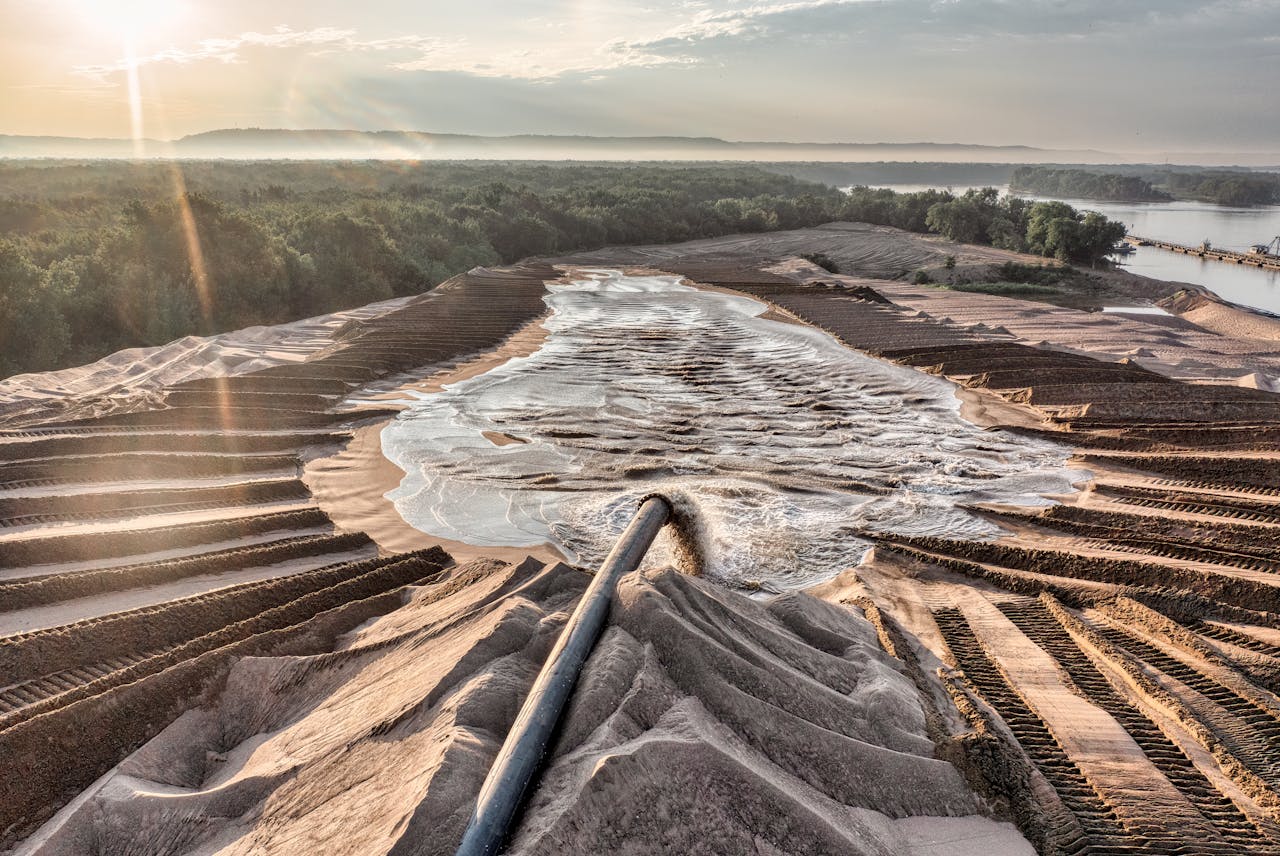
dredging company

The Impact of Dredging on Nature and Innovations for a Greener Future

Dredging plays a critical role in maintaining navigable waterways, reclaiming land, and supporting various industries, including construction and mining. However, despite its economic benefits, dredging has significant environmental implications that must be addressed. From disrupting aquatic ecosystems to contributing to water pollution, the impact of dredging is a topic of concern. Fortunately, innovative solutions and sustainable practices can mitigate these challenges, allowing a dredging company or a dredging contractor to operate in a more environmentally responsible manner.

The Challenges of Dredging

1. Disruption of Aquatic Ecosystems

One of the primary environmental concerns associated with dredging is the disruption of aquatic habitats. Many marine and freshwater organisms, including fish, crustaceans, and plant life, rely on stable ecosystems. When sediments are disturbed, essential nutrients and organisms can be displaced, leading to habitat destruction and reduced biodiversity.

Additionally, dredging can alter the natural flow of water bodies, affecting fish migration patterns and breeding grounds. This disruption may have long-term consequences on local fisheries and overall aquatic health.

2. Sediment Resuspension and Water Pollution

A significant issue that arises from dredging is sediment resuspension. When a dredging contractor removes materials from the bottom of a river, lake, or seabed, fine sediments are released into the water column. These sediments can carry contaminants such as heavy metals, pesticides, and industrial waste, leading to water pollution.

Increased turbidity (cloudiness of water) can also block sunlight penetration, negatively affecting photosynthesis in aquatic plants. This, in turn, disrupts the entire food chain, impacting both marine life and water quality.

3. Coastal Erosion and Land Instability

Dredging can contribute to coastal erosion by removing sediment that naturally stabilizes shorelines. When a dredging company extracts large amounts of material, it may inadvertently weaken coastal defenses, making areas more vulnerable to erosion and flooding.

Furthermore, land subsidence can occur when excessive sediment is removed from estuaries and riverbeds. This can lead to sinking land, threatening nearby infrastructure, including roads, bridges, and buildings.

4. Noise and Air Pollution

Dredging operations generate noise pollution that can disturb marine life, especially species that rely on echolocation, such as dolphins and whales. The constant underwater noise from machinery can interfere with their ability to communicate, navigate, and find food.

Additionally, dredging equipment often runs on fossil fuels, releasing greenhouse gases and contributing to air pollution. A lack of proper emission controls can further exacerbate environmental degradation.

Sustainable Solutions for Dredging

1. Environmentally Friendly Dredging Techniques

To minimize the environmental impact, a dredging contractor can adopt more sustainable dredging methods. One such method is precision dredging, which targets specific areas with minimal disturbance. This approach reduces sediment resuspension and prevents unnecessary damage to aquatic habitats.

Another solution is using hydraulic dredging instead of mechanical dredging. Hydraulic dredging uses suction to remove sediment gently, reducing the likelihood of disturbing marine life and limiting water contamination.

2. Silt Curtains and Sediment Control Measures

A dredging company can implement silt curtains—floating barriers that contain suspended sediments—to prevent pollutants from spreading to other areas. These curtains are especially useful in projects near sensitive ecosystems or drinking water sources.

Additional measures, such as sediment traps and water filtration systems, can further help in controlling the spread of contaminants, ensuring cleaner and safer water conditions.

3. Habitat Restoration and Compensation

To offset environmental damage, many dredging projects now include habitat restoration efforts. After dredging is completed, a dredging contractor can engage in replanting aquatic vegetation, rebuilding artificial reefs, and creating wildlife sanctuaries to support biodiversity.

Moreover, compensatory projects such as wetland creation and mangrove rehabilitation can help restore ecological balance, providing essential breeding and feeding grounds for marine species.

4. Eco-Friendly Equipment and Renewable Energy

Modern advancements in technology have led to the development of eco-friendly dredging equipment. A forward-thinking dredging company can invest in electric or hybrid-powered dredgers, which reduce carbon emissions and lower fuel consumption.

Additionally, integrating renewable energy sources, such as solar or wind power, into dredging operations can further reduce the environmental footprint of these activities.

5. Regulatory Compliance and Environmental Monitoring

Government regulations play a crucial role in ensuring sustainable dredging practices. Many countries now require environmental impact assessments (EIAs) before approving dredging projects. These assessments help identify potential risks and implement mitigation strategies.

Continuous monitoring of water quality, sediment displacement, and marine life health can also help a dredging company make informed decisions about minimizing its ecological impact. Modern monitoring tools, such as satellite imaging and underwater drones, provide real-time data for better environmental management.

Dredging remains a vital activity for maintaining waterways and supporting industrial growth, but it comes with significant environmental challenges. From disturbing marine ecosystems to increasing water pollution, these effects must be carefully managed. However, by adopting sustainable dredging techniques, investing in eco-friendly equipment, and implementing habitat restoration projects, a dredging contractor can minimize harm and promote environmental conservation.

As regulations become stricter and awareness about ecological protection grows, the dredging industry must prioritize responsible practices. With the right balance between economic development and environmental stewardship, the long-term sustainability of aquatic ecosystems can be preserved while ensuring the continued benefits of dredging activities.

firewood in Cape Town

Firewood in Cape Town vs. Charcoal: Which is Best for Your Braai?

When it comes to braaing, the choice between wood and charcoal can significantly impact your grilling experience. While both options have their merits, understanding their differences can help you make an informed decision. This article explores the nuances of braaing with wood and charcoal, focusing on aspects such as flavor, heat control, and convenience. Whether you’re a seasoned braai master or a novice, this guide will help you choose the best fuel for your next cookout.

The Flavor Profile: Wood vs. Charcoal

One of the most compelling reasons to choose firewood in Cape Town for your braai is the rich, smoky flavor it imparts to the food. Different types of fire wood, such as oak, hickory, and maple, offer distinct aromas and tastes. This variety allows you to experiment and find the perfect match for your meats and vegetables. Firewood Cape Town enthusiasts often swear by the unique taste that only wood can provide, making it a favorite for traditionalists.

Charcoal, on the other hand, produces a more neutral flavor. While it can add a slight smokiness, it lacks the complexity of wood. However, many people appreciate the consistency of charcoal, which allows the natural flavors of the food to shine through. For those who prefer a subtler taste, charcoal can be a great choice.

Heat Control and Cooking Experience

Another key factor to consider is heat control. Firewood offers excellent heat but can be challenging to manage due to its inconsistency. The size and type of wood, as well as its moisture content, can affect how evenly it burns. This can be both a pro and a con: while it provides the opportunity for high heat and searing, it requires constant attention to maintain a steady temperature.

Charcoal, particularly in the form of briquettes, provides a more uniform heat source. It ignites quickly and burns consistently, making it easier to control the cooking temperature. This reliability is one reason why many people opt for charcoal, especially for longer cooking sessions or when preparing delicate items that require precise heat.

Convenience and Availability

When considering what fuel to use, convenience is a significant factor. Firewood places near me often offer a variety of wood types, but the process of selecting, storing, and preparing the wood can be time-consuming. Additionally, sourcing quality bulk firewood can sometimes be a challenge, especially in urban areas. However, the effort can be worth it for those who relish the authentic braaing experience.

Charcoal is readily available in most supermarkets and convenience stores. It’s easy to transport, store, and use, making it a practical option for many braai enthusiasts. The convenience of charcoal is particularly appealing for those who want a quick and straightforward grilling experience without the need for extensive preparation.

Environmental Impact

The environmental impact of your braaing choice is another consideration. Firewood, when sourced sustainably, can be a more environmentally friendly option. Using local firewood in Cape Town helps reduce the carbon footprint associated with transportation. Moreover, firewood is a renewable resource if harvested responsibly.

Charcoal production, however, often involves deforestation and the release of greenhouse gases. While there are eco-friendly charcoal options available, they can be harder to find and more expensive. If environmental concerns are a priority for you, seeking out sustainably sourced fire wood might be the better choice.

Cost Considerations

Cost is always a factor in deciding between firewood and charcoal. Firewood can be more economical if purchased in bulk. Bulk firewood often offers better value, especially if you have storage space and braai frequently. However, the initial investment can be higher due to the need for proper storage solutions and potential delivery costs.

Charcoal, while generally more expensive per use, offers the convenience of buying in smaller quantities. This can be advantageous if you braai infrequently or have limited storage space. The cost difference can be a deciding factor for many, depending on their specific needs and usage patterns.

In conclusion, both firewood and charcoal have their distinct advantages and drawbacks. The choice between the two ultimately depends on your priorities, whether they be flavor, heat control, convenience, environmental impact, or cost. Firewood in Cape Town provides a traditional, flavorful experience that many purists prefer, while charcoal offers ease of use and consistent results.

By considering these factors and understanding the unique benefits of each option, you can make an informed decision that enhances your braaing experience. Whether you opt for the rich aromas of firewood or the practicality of charcoal, the key is to enjoy the process and savor the delicious results of your efforts.

solar geysers

Charting the Path to Sustainability with Solar Power

As the world faces the obstacles of environment modification and ecological deterioration, the mission for sustainable energy services has actually never ever been more immediate. Solar power, with its plentiful and sustainable nature, is becoming an essential gamer in leading the way for a greener tomorrow. From decreasing carbon emissions to promoting energy self-reliance, solar energy provides a myriad of advantages that are improving the worldwide energy landscape.

Harnessing Solar Power: The Rise of Solar Geysers

One of the most impactful applications of solar energy remains in the world of water heating, exhibited by the increase of solar geysers. Solar geyser conversions include retrofitting standard water heater with photovoltaic panels, allowing them to harness the sun's energy for heating water. This not just minimizes dependence on nonrenewable fuel sources however likewise reduces carbon emissions, making it a greener option. Moreover, the schedule of solar geysers for sale is broadening, making renewable resource more available to families and organizations.

Affordability and Accessibility: Understanding Solar Geyser Prices

While the advantages of solar geysers are indisputable, issues about price typically emerge. However, the truth is that solar geyser costs have actually ended up being progressively competitive recently. Factors such as improvements in innovation, economies of scale, and federal government rewards have actually added to the price of solar geysers. Additionally, the long-lasting expense savings connected with solar water heating make it an economically sound financial investment for house owners in the mission for a greener tomorrow.

Environmental Benefits: Reducing Carbon Footprints with Solar Geysers

The ecological advantages of solar geysers cannot be overemphasized. By utilizing the power of the sun, solar geysers considerably lower the carbon footprint connected with water heating. Unlike standard water heater that count on nonrenewable fuel sources, solar geysers produce tidy energy without releasing damaging greenhouse gases. This not just assists alleviate environment modification however likewise promotes ecological sustainability for future generations. As more families and organizations embrace solar geysers, the cumulative effect on decreasing carbon emissions will be considerable.

Promoting Energy Independence: The Role of Solar Power

Another essential element of solar energy is its function in promoting energy self-reliance. By utilizing a complimentary and plentiful energy source like the sun, solar energy minimizes reliance on limited and imported nonrenewable fuel sources. This boosts energy security and durability, especially in areas susceptible to energy supply interruptions or geopolitical stress. Moreover, decentralized solar power systems, such as solar geysers, empower people and neighborhoods to produce their own tidy energy, additional adding to energy self-reliance and self-sufficiency.

Driving Innovation and Sustainability: The Future of Solar Power

Looking ahead, solar energy is poised to play an even higher function in forming a greener tomorrow. Continued improvements in solar geyser conversions and innovation, paired with helpful policies and financial investments, will drive development and price in the solar power sector. From enhanced effectiveness to ingenious applications, the possibilities for solar energy are large and appealing. By welcoming solar energy as a foundation of our energy shift, we can lead the way for a more sustainable and flourishing future for generations to come.

In conclusion, solar energy is not simply a source of renewable resource however a driver for favorable modification. Through applications like solar geysers and the wider adoption of solar power, we can lower carbon emissions, promote energy self-reliance, and develop a greener and more sustainable world. As people, neighborhoods, and countries come together to harness the power of the sun, we can lead the way for a brighter and greener tomorrow.