
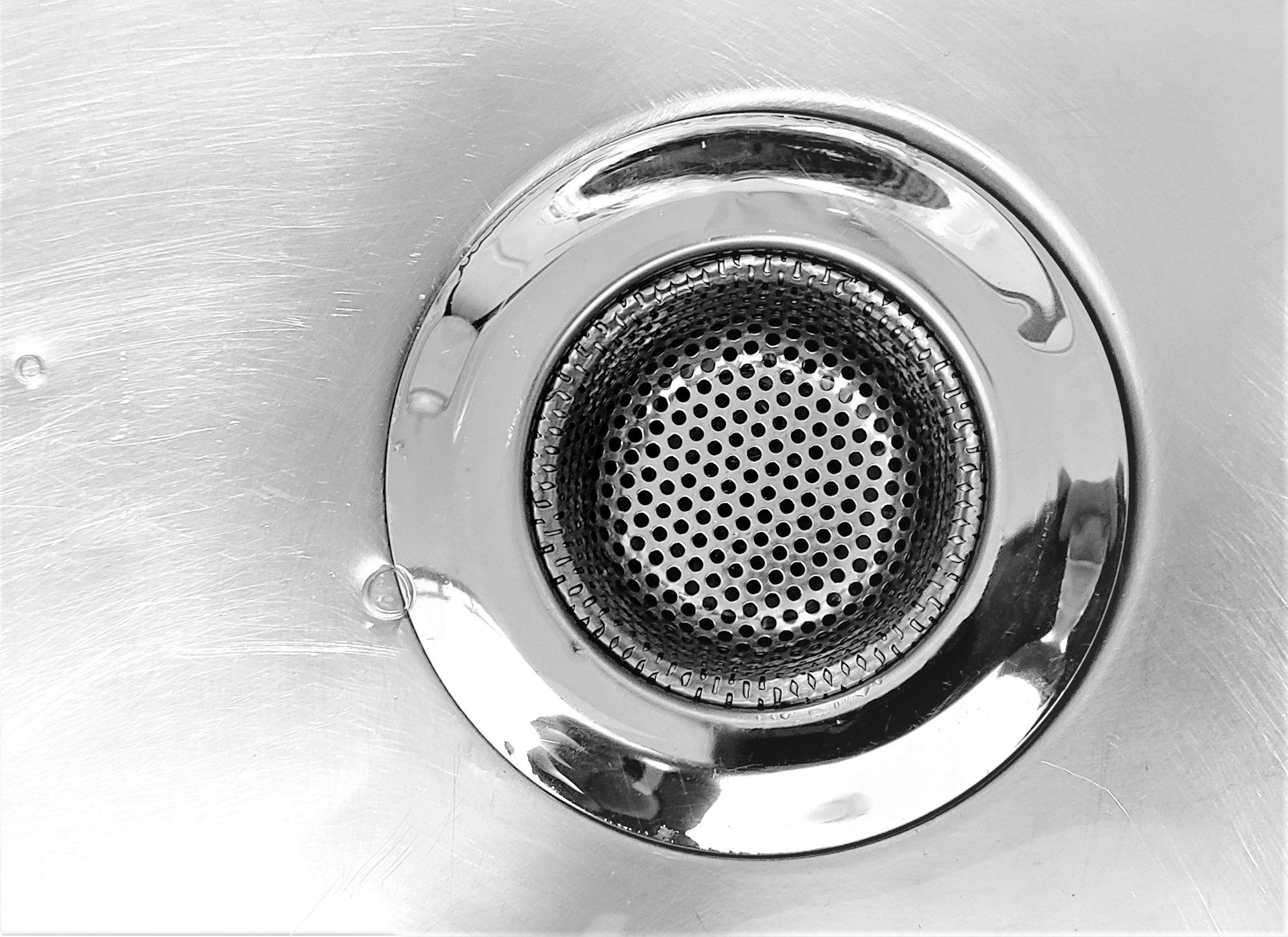
close-up of a clogged drain being cleaned

Drain Cleaning vs. DIY Unclogging: When to Call a Professional Plumber

Blocked sinks and slow-moving drains are more than a minor inconvenience. They disrupt daily routines, create unpleasant odours, and can signal deeper plumbing issues developing out of sight. Many homeowners initially reach for household remedies before considering professional drain cleaning, hoping for a quick and inexpensive fix.

In some cases, a simple blockage can be resolved without outside help. In others, what appears to be a minor clog may be the early warning sign of structural pipe damage, invasive tree roots, or years of accumulated debris. Understanding the difference is essential, especially when plumbing systems form part of your home’s long-term value and safety.

Knowing when to attempt a DIY solution and when to call a qualified plumber protects both your property and your budget. Acting too late can lead to burst pipes, water damage, or even health risks from sewage backups. Making informed decisions ensures your drainage system continues to function efficiently and safely.

Understanding What Causes Drain Blockages

Most household blockages develop gradually. Grease, soap residue, food scraps, hair, mineral buildup, and foreign objects slowly accumulate along pipe walls. Over time, the internal diameter of the pipe narrows until water can no longer pass freely.

In kitchens, grease and oils are frequent culprits. These substances may flow easily when hot but solidify as they cool, trapping other debris. Bathrooms present a different challenge, where hair combines with soap scum to form dense obstructions.

Outside the home, underground drainage lines face additional risks. Tree roots can penetrate small cracks in pipes, expanding as they grow and restricting water flow. Shifting soil and aging materials may also cause pipe misalignment or collapse.

Recognising the underlying cause determines whether a simple remedy will work or whether professional intervention is necessary.

When DIY Unclogging Can Be Effective

Minor clogs near the surface often respond well to basic household tools. If water drains slowly but does not completely back up, the blockage may be close to the fixture.

Homeowners commonly try:

  • A plunger to create pressure and dislodge debris

  • A drain snake or auger for shallow blockages

  • Removing and cleaning the P-trap beneath sinks

  • Hot water flushing for mild grease buildup

These methods are generally safe when used correctly and can restore normal flow in uncomplicated cases.

However, caution is critical. Chemical drain cleaners may promise instant results, but repeated use can corrode pipes, weaken joints, and create environmental hazards. In older plumbing systems, harsh chemicals may accelerate deterioration rather than solve the problem.

DIY approaches are best reserved for isolated, minor clogs. If symptoms persist or worsen, further action is required.

Warning Signs That Indicate a Deeper Problem

Certain symptoms suggest the issue extends beyond a simple blockage. Ignoring these warning signs can allow small issues to escalate into major repairs.

Watch for:

  • Multiple fixtures draining slowly at the same time

  • Gurgling sounds from toilets or sinks

  • Water backing up into showers or tubs

  • Persistent foul odours

  • Recurring clogs despite repeated attempts to clear them

These signs often point to a blockage in the main sewer line or a structural defect within the plumbing system. Professional assessment becomes essential at this stage.

Delaying proper intervention increases the risk of overflow and contamination. Sewage backups, in particular, pose serious health risks due to bacteria and harmful pathogens.

The Advantages of Professional Drain Cleaning

When a blockage is complex or deeply embedded, specialised equipment makes the difference. Professional plumbers use advanced diagnostic tools such as drain cameras to inspect pipes internally. This eliminates guesswork and identifies the exact source of the problem.

High-pressure hydro jetting systems can remove years of hardened grease, sludge, and mineral buildup without damaging pipe walls. Mechanical augers designed for heavy-duty use reach further than consumer-grade tools and clear obstructions more thoroughly.

Professional drain cleaning also addresses root causes rather than symptoms. If tree roots are present, a plumber can recommend long-term solutions such as pipe repair or replacement.

Most importantly, professional service reduces the likelihood of recurring problems. While DIY fixes may offer temporary relief, expert treatment restores full pipe capacity and improves overall system performance.

Financial Considerations: Short-Term Savings vs. Long-Term Costs

DIY unclogging appears cost-effective at first glance. Basic tools are affordable, and many homeowners prefer to avoid service fees.

Yet repeated attempts can increase costs over time. Purchasing multiple chemical treatments, renting equipment, or repairing accidental pipe damage can quickly exceed the price of a professional visit.

Water damage resulting from unresolved blockages is significantly more expensive. Repairs to flooring, cabinetry, and structural components often involve thousands in restoration costs.

Investing in professional care early may prevent larger financial burdens later. Proper maintenance protects both property value and household hygiene.

Health and Safety Implications

Blocked drains are not merely inconvenient. Standing water becomes a breeding ground for bacteria and insects. Sewage exposure can cause gastrointestinal illness, respiratory issues, and skin irritation.

Chemical cleaners introduce additional hazards. Fumes may irritate lungs and eyes, especially in poorly ventilated spaces. Accidental splashes can cause burns.

Professional plumbers are trained to handle hazardous situations safely. Protective equipment and industry protocols minimise risk during repairs.

When health concerns arise, prioritising safety over short-term savings is a prudent decision.

Preventative Measures to Reduce Future Blockages

Prevention remains the most effective strategy for maintaining a healthy plumbing system. Small changes in daily habits significantly reduce clog formation.

Practical prevention steps include:

  • Avoid pouring grease or oil down sinks

  • Install drain strainers to catch hair and debris

  • Flush drains periodically with hot water

  • Schedule periodic inspections for older plumbing systems

Routine maintenance extends pipe lifespan and reduces emergency calls. In properties with mature trees, regular inspections help detect root intrusion before severe damage occurs.

A proactive approach reduces stress and protects infrastructure.

Making the Right Call for Your Home

The decision between DIY methods and professional assistance depends on severity, recurrence, and overall system condition. Minor surface clogs may respond to simple tools. Persistent or widespread issues demand expert evaluation.

When multiple warning signs appear, relying solely on household remedies risks escalating damage. Plumbing systems are interconnected; what seems isolated may affect the broader network.

Experienced plumbers provide accurate diagnostics, durable solutions, and compliance with building standards. Their expertise ensures that underlying issues are resolved, not masked.

Addressing drainage concerns promptly supports household hygiene, structural integrity, and long-term property value. Thoughtful decision-making today prevents costly complications tomorrow, keeping your plumbing system reliable and efficient for years to come.
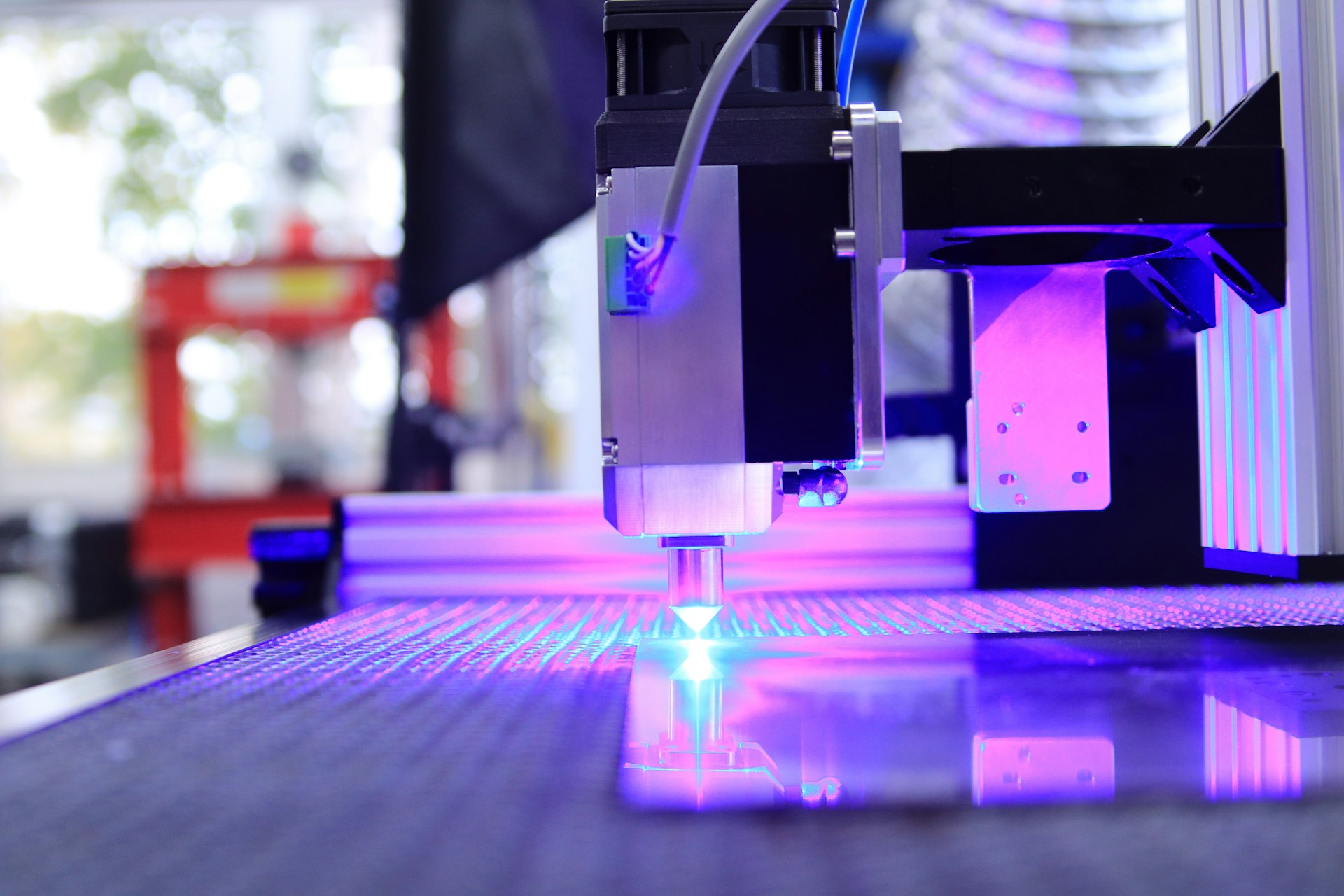
skilled creator assembling a detailed scale model

The New Era of Architectural Models: How 3D Printing Transforms Physical Design

A growing number of architects and designers are turning to new technology to bring concepts to life, and one of the biggest shifts has come from how a model builder now approaches visualisation. Instead of relying solely on manual crafting, professionals can merge craftsmanship with innovation to speed up early-stage design work. This change has allowed more detailed representations to emerge in the early planning phase, helping teams communicate ideas clearly.

Traditional scale models once required hours of cutting, shaping, and refining by hand, but the introduction of 3d printing into the workflow has changed the pace completely. Today, firms can test proportions, experiment with layouts, and refine structural details before committing to final drawings. This evolution has made it easier for a model builder to streamline tricky or repetitive tasks while still maintaining a high level of accuracy and artistic intention.

Creating an architectural model was once a slow, intricate process, often limited by the materials available. With digital tools and advanced fabrication methods, designers can now replicate curves, interiors, textures, and complex patterns in ways that were previously impossible. And as 3d printing continues to advance, it’s opening new creative and practical possibilities for both small and large projects.

Why Technology Has Transformed Physical Design Models

The arrival of additive manufacturing has made precise, reliable replicas far more attainable. Instead of shaping foam, cardboard, or wood by hand, teams can translate digital drawings directly into scaled components. This gives architects the opportunity to see how a concept will behave in real-world space long before construction begins.

Another major benefit is the ability to experiment. When ideas can be printed quickly and adjusted with ease, it encourages designers to try more daring structural elements. Complex rooflines, organic curves, and multi-layered façades become easier to showcase without excessive manual labour, making early visualisation far more dynamic.

In many firms, these tools also help reduce errors. By printing individual sections separately, problems can be spotted early, allowing professionals to fix proportions, alignment, or spacing before committing to full presentations.

How 3D Printing Improves Accuracy and Detail

One of the biggest strengths of additive fabrication is its ability to recreate minute details. Layer-by-layer construction allows tiny elements—such as window frames, decorative trims, stair rails, and façade textures—to appear with remarkable precision. These details were once extremely time-consuming to produce by hand.

To achieve this, many design teams break down a structure into components so the final architectural model shows depth and realism. The process also helps when demonstrating spatial flow, allowing clients to better understand movement between rooms and levels.

In addition, 3d printing enables the use of different materials depending on the effect required. Some sections may be printed with rigid plastics for stability, while more flexible filaments can be used for unusual shapes or unique design features. This flexibility makes each model more expressive and adaptable.

Steps a Model Maker Might Follow

The workflow can vary slightly between firms, but the general stages remain consistent. Many teams follow a structure similar to this:

  1. Translate sketches or CAD drawings into a printable digital format.

  2. Break the project into smaller parts suitable for fabrication.

  3. Print each section using chosen materials and settings.

  4. Assemble, refine, and paint the finished components.

  5. Add landscape, lighting, or surrounding structures if required.

This process gives both architects and clients a tangible representation of the future build, often leading to faster approvals and more confident decision-making.

Benefits for Client Presentations and Approvals

Physical models remain a powerful communication tool, especially when proposals need to be presented to stakeholders who may not interpret floor plans easily. When the structure is displayed in three dimensions, discussions become clearer and more engaging.

Clients can interact with the materials, get a sense of scale, and visualise how different volumes connect. This often leads to more productive feedback sessions, and because alterations can be implemented quickly, revisions no longer stall the project timeline.

Moreover, 3d printing helps firms create multiple display versions for open days, exhibitions, or investment pitches without significantly increasing production costs.

Sustainability and Material Efficiency

The ability to print only what is needed dramatically reduces waste. Laser cutting and hand-shaping often produce offcuts that cannot be reused, but additive processes generate minimal scrap. Environmentally friendly filament options are also becoming more common, allowing firms to reduce ecological impact.

This efficiency is especially useful when producing large or repeated architectural elements. If a model requires numerous identical pieces, each one can be printed consistently without added labour.

The Future of Scaled Architectural Representations

As technology evolves, we can expect even greater realism. Multi-material printers, colour-integrated fabrication, and faster production methods are already entering the industry. These improvements will make the architectural model even more integral to planning, marketing, and problem-solving.

What was once seen as a supplementary tool is now a critical part of the design process. By merging digital innovation with traditional craftsmanship, professionals are finding new ways to express creativity while enhancing accuracy and efficiency.

blocked drain cleaning

The Hidden Reasons Behind Frequent Drain Blockages and How to Prevent Them

Few home concerns are as discouraging as a drain that keeps getting obstructed. Whether it’s a slow-draining sink, an often obstructed shower, or a backed-up toilet, repeating clogs can interrupt your everyday regimen. While a single blockage is normally simple to repair, regular clogs recommend a much deeper issue that needs attention. Understanding the typical reasons for drain clogs can assist you take the best actions to avoid them and identify when expert obstructed drain cleaning company are needed.

1. Buildup of Grease, Soap, and Hair

One of the most typical factors for drain clogs is the steady accumulation of grease, soap residue, and hair. In cooking area sinks, grease from cooking oils, butter, and food scraps can coat the pipelines with time, trapping other particles and resulting in a sluggish drain. In restrooms, soap residue and hair can build up in shower and sink drains pipes, producing persistent obstructions.

Prevention Tip: Avoid putting grease down the sink and rather deal with it in a different container. Install drain covers in restrooms to capture hair and tidy them frequently. If you currently have a slow-draining sink or tub, expert obstructed drain cleansing can assist eliminate built-up particles.

2. Tree Roots Invading Pipes

Tree roots can be a concealed reason for repeating drain concerns, particularly in older homes with clay or concrete pipelines. As tree roots grow, they look for wetness and can penetrate little fractures in underground pipelines, ultimately triggering significant clogs. These root invasions can limit water circulation and result in total drain failures if left unattended.

Prevention Tip: If you observe regular obstructions in numerous drains pipes, sluggish drain, or gurgling noises, tree roots may be the offender. A plumbing technician can carry out an electronic camera assessment and usage high-pressure jetting or root-cutting tools for obstructed drain cleansing to eliminate intrusive roots.

3. Flushing the Wrong Items

Toilets are created to deal with human waste and toilet tissue, however lots of people flush products that must never ever decrease the drain. Wipes (even those identified as "flushable"), hygienic items, cotton bud, and paper towels do not break down quickly and can trigger severe clogs. Over time, these products can build up in pipelines, resulting in repeating obstructions.

Prevention Tip: Only flush toilet tissue and waste. Dispose of wipes, health items, and other non-degradable products in a trash can. If your toilet often blocks, expert blocked drain cleaning might be needed to clear built-up particles.

4. Pipe Misalignment or Damage

Recurring drain clogs can often be triggered by structural concerns with your pipes system. Over time, pipelines can move, fracture, or collapse due to ground motion, age, or bad setup. Misaligned pipelines develop little spaces where particles can build up, resulting in relentless obstructions.

Prevention Tip: If you experience regular clogs in spite of taking preventive procedures, an expert plumbing technician can check your pipelines to determine any structural damage. In some cases, pipeline relining or replacement might be needed to avoid additional concerns.

5. Mineral and Scale Buildup in Pipes

In locations with difficult water, minerals like calcium and magnesium can build up inside pipelines, producing a rough surface area where particles quickly sticks. Over time, these mineral deposits decrease water circulation and increase the threat of repeating clogs.

Prevention Tip: Installing a water conditioner can help in reducing mineral accumulation in your pipes system. For existing scale accumulation, expert obstructed drain cleansing utilizing descaling options or hydro jetting can assist clear pipelines and bring back appropriate water circulation.

6. Main Sewer Line Problems

If numerous drains pipes in your house are sluggish or supporting at the exact same time, the problem might be with your primary sewage system line. Common reason for sewage system line clogs consist of tree roots, grease accumulation, and foreign items that have actually made their method into the system. An obstructed sewage system line can result in sewage backups, which present severe health dangers.

Prevention Tip: Be conscious of what decreases your drains pipes and schedule routine pipes examinations if you reside in an older home. If you believe a drain line problem, expert obstructed drain cleansing and a drain cam assessment can assist determine and deal with the issue.

When to Call a Professional for Blocked Drain Cleaning

While small obstructions can typically be repaired with a plunger or drain cleaner, relentless drain concerns need expert attention. If you observe any of the following indications, it's finest to call a plumbing technician:

  • Frequent obstructions in the exact same drain
  • Multiple drains pipes supporting at the same time
  • Slow drain even after utilizing a plunger or drain cleaner
  • Unpleasant smells originating from your drains pipes
  • Gurgling sounds when utilizing sinks, toilets, or showers

An expert plumbing technician has the tools and competence to identify and deal with complicated drain clogs. Using approaches like hydro jetting, drain snaking, and cam examinations, they can eliminate persistent obstructions and guarantee your pipes system is working effectively.

Recurring drain clogs can be discouraging, however recognizing the source is crucial to avoiding future concerns. Whether it's grease accumulation, tree roots, or sewage system line issues, dealing with the underlying problem will conserve you money and time in the long run. If natural home remedy aren’t fixing the issue, expert obstructed drain cleansing can assist bring back appropriate drain and keep your pipes system in leading shape. Taking proactive actions and looking for expert assistance when required can avoid expensive repair work and keep your drains pipes streaming efficiently.

plumbers near me

Common Plumbing Issues Homeowners Face and Simple Fixes

Owning a home brings both rewards and duties. One significant duty that frequently captures house owners off guard is handling pipes concerns. From small leakages to significant pipeline bursts, pipes issues can interrupt life, boost energy expenses, and trigger substantial water damage. While some concerns need expert support, there are a couple of that house owners can deal with by themselves. Here, we’ll check out a few of the most typical pipes concerns house owners deal with and talk about useful options for resolving them.

1. Dripping Faucets

One of the most typical pipes concerns in families is a leaking faucet. Though it may look like a small problem, a single leaking faucet can lose numerous gallons of water each year, contributing to energy expenses. The cause is normally a damaged washer or O-ring within the tap. Fortunately, changing these parts is frequently an uncomplicated job.

How to Fix It: Shut off the supply of water to the faucet, then eliminate the faucet deal with to access the washer. Inspect and change any used parts, and reassemble the faucet. For those not sure about managing this repair work, looking for plumbing professionals near me can assist discover an expert who can rapidly fix the issue.

2. Clogged Drains

Clogged drains pipes are another regular pipes issue, particularly in restrooms and cooking areas. Hair, soap residue, food scraps, and grease accumulation are common perpetrators that cause clogs. Left uncontrolled, blocked drains pipes can lead to sluggish drain, undesirable smells, and even damage to pipelines.

How to Fix It: A plunger or a mix of baking soda and vinegar can frequently clear small obstructions. Pour a cup of baking soda into the drain, followed by a cup of vinegar. Let it sit for 15 minutes, then flush with warm water. For more persistent clogs, utilizing a pipes snake or connecting to plumbing professionals can offer a more reliable option.

3. Low Water Pressure

Low water pressure is a typical concern that annoys lots of house owners. It can make jobs like bathing or cleaning meals more lengthy. Causes of low water pressure consist of pipeline leakages, mineral deposits, or a malfunctioning pressure regulator.

How to Fix It: Check if the low water pressure is impacting all taps or simply one. If it’s simply one, tidy the faucet aerator, as mineral accumulation frequently obstructs water circulation. If the whole home is impacted, you might require to examine the primary water valve or water pressure regulator. When do it yourself efforts don’t fix the concern, discovering trustworthy plumbing professionals can make sure a more comprehensive evaluation and option.

4. Running Toilets

A running toilet is another pipes concern that can cause water waste and increased energy expenses. This issue normally comes from a malfunctioning flapper, a fill valve, or a poorly changed float.

How to Fix It: Start by getting rid of the toilet tank cover and checking the parts. If the flapper doesn’t close firmly after flushing, it might require changing. Additionally, examine the fill valve and float for appropriate function. These parts are normally low-cost and simple to change. If the issue continues, a look for plumbing professionals near me can link you with a professional to avoid more water waste.

5. Water Heater Problems

Few pipes concerns are as troublesome as a malfunctioning hot water heater, particularly throughout chillier months. Common concerns consist of no warm water, water that’s too hot, or uncommon sounds from the heating unit tank. These issues can arise from sediment accumulation, a malfunctioning thermostat, or heating component concerns.

How to Fix It: First, examine the thermostat settings. If they’re proper however you still do not have warm water, attempt draining pipes the tank to eliminate any sediment accumulation. This procedure might need expert tools and understanding, so if you’re uncertain, it’s smart to look for aid from a plumbing. An expert plumbing technician can securely service the hot water heater, guaranteeing it operates effectively and extends its life-span.

6. Burst Pipes

A burst pipeline can be an extreme emergency situation, triggering flooding and water damage in minutes. Often happening in chillier months, burst pipelines arise from freezing and thawing cycles that deteriorate the metal.

How to Fix It: First, turned off the primary supply of water to avoid more water circulation. Drain any staying water from taps to ease pressure in the pipelines. After including the leakage, look for support instantly. Search for "plumbers near me" to discover a plumbing who can fix or change the pipeline and aid avoid future damage.

7. Sump Pump Failure

For homes with basements, a sump pump is vital in keeping the location dry. If the sump pump stops working, your basement might flood, causing water damage and pricey repair work. Sump pump concerns might develop from a stopped up consumption, a malfunctioning switch, or power failure.

How to Fix It: Regular upkeep is essential for sump pumps. Remove any particles around the consumption, and evaluate the pump by putting water into the sump pit to guarantee it triggers. If the pump still doesn’t work, it might require to be changed. Professional support is frequently advised, so a fast look for "plumbers near me" can link you with a plumbing experienced in sump pump repair work and setups.

8. Leaky Pipes

Leaky pipelines are among the most typical pipes concerns and can cause water damage, mold development, and increased water expenses. Leaks frequently take place at pipeline joints or from fractures in the pipelines themselves, particularly if they’re old or rusty.

How to Fix It: If the leakage is small, pipeline clamps or epoxy putty can offer a momentary repair. However, long-lasting repair work frequently need changing areas of pipeline, which is finest dealt with by an expert. Using plumbing professionals near you can assist you find a plumbing to examine the scenario and make required repair work to avoid more damage.

Plumbing issues can be aggravating, however lots of are workable with a little bit of do it yourself knowledge and routine upkeep. By resolving small concerns early on, house owners can frequently prevent the requirement for comprehensive repair work and pricey damage. However, for significant repair work or when in doubt, connecting to an expert is constantly the very best strategy.

By keeping the contact details of trustworthy plumbers near me helpful, house owners can make sure fast, expert support when it’s required most. Whether it’s a leaking faucet or a burst pipeline, resolving these concerns immediately will assist preserve a safe and effective home environment.