

Humane bird control methods applied on urban building ledges to prevent nesting and roosting in city environments

Humane Bird Control Methods for Urban Buildings and Public Spaces

Bird-related challenges in cities have become increasingly common as urban environments expand and natural habitats shrink. Buildings, transport hubs, and public squares often provide ideal nesting and roosting spaces for pigeons, starlings, and gulls. While birds are an important part of the ecosystem, uncontrolled populations in densely populated areas can create hygiene concerns, structural damage, and safety risks. As such, bird control is a highly sought-after service in both urban and public spaces.

Effective management requires a balanced approach that protects both public health and wildlife. This is where humane solutions play a critical role. Modern urban planning increasingly focuses on long-term prevention strategies rather than reactive measures, especially when dealing with persistent nesting and roosting patterns.

Understanding ethical and environmentally responsible approaches to managing urban bird populations helps ensure that cities remain safe, clean, and biodiverse without unnecessary harm to wildlife. Careful planning, combined with professional methods, can significantly reduce conflicts between humans and birds while maintaining ecological balance.

Understanding Urban Bird Challenges and Behaviour

Birds adapt quickly to human environments because of readily available food sources, sheltered structures, and minimal natural predators. Ledges, rooftops, signage, and bridges provide perfect nesting sites. In many cases, unmanaged populations can lead to blocked drainage systems, corrosion from droppings, and slip hazards in high-footfall areas.

Public spaces such as parks and transport terminals are especially vulnerable. Food waste and predictable human activity encourage flocking behaviour, which can escalate rapidly if not addressed early. Over time, repeated roosting creates established patterns that are difficult to reverse without intervention.

In some cities, this has led to increased demand for humane urban management strategies. Effective solutions aim to discourage nesting without causing injury or distress. These approaches rely on understanding behavioural triggers such as light, sound, texture, and spatial preferences.

A key principle in modern environmental management is prevention rather than removal. Once birds have established nesting sites, relocation becomes more complex and less effective. Early-stage deterrence is therefore essential for long-term control.

Structural and Physical Deterrent Approaches

One of the most widely used categories of solutions involves physical deterrents that make surfaces less suitable for landing or nesting. These methods are designed to be non-lethal and long-lasting, focusing on exclusion rather than harm.

Common physical deterrents include angled ledge modifications, netting systems, and spike strips designed to prevent roosting. These systems are typically installed on building edges, signage, and rooflines where birds commonly gather. When correctly implemented, they do not trap or injure birds but simply discourage them from settling.

Another important method involves sealing access points. Gaps in roofing, vents, and architectural recesses are often exploited by birds seeking shelter. Closing these spaces reduces nesting opportunities significantly and supports long-term prevention.

• Installing tensioned netting across courtyards, courtyards, and open façades
• Applying surface modifications such as sloped coverings to eliminate flat roosting areas
• Using non-harmful spike systems on narrow ledges and beams

While these methods are highly effective, they require careful installation to ensure they remain safe for both wildlife and building occupants. Poorly fitted systems can reduce effectiveness or create unintended hazards.

In some cases, a combined strategy is required, especially in large public infrastructure such as airports, stadiums, and shopping centres. Here, multiple deterrent layers are often used to reinforce effectiveness.

Professional services often incorporate monitoring systems to assess whether structures remain protected over time. This adaptive approach ensures that interventions remain relevant as bird behaviour changes seasonally.

Within these strategies, bird control plays a central role in designing integrated solutions that are both humane and practical for urban environments.

Behavioural and Sensory Deterrent Techniques

Beyond physical barriers, sensory-based approaches are increasingly used to modify bird behaviour without causing distress. These techniques rely on sound, light, or visual cues that make an area less attractive to birds.

For example, reflective materials can disorient birds briefly, encouraging them to avoid certain spaces. Similarly, controlled acoustic devices emit frequencies or patterns that discourage roosting without affecting human activity in the same way. These systems are often programmable, allowing adjustments based on time of day or seasonal migration patterns.

Visual deterrents such as predator silhouettes or moving elements can also reduce nesting behaviour. Birds tend to avoid environments that appear unsafe or unpredictable. However, effectiveness can decrease over time if birds become accustomed to static deterrents, so variation is important.

Key sensory methods include:

• Motion-activated sound systems that respond only when birds are present
• Reflective tape or panels that create shifting light patterns
• Laser-based deterrents used during peak roosting hours in large open areas

These approaches are particularly useful in public spaces where physical modifications may be limited due to architectural or heritage considerations. They allow for flexible management without altering building structures.

It is important that these methods are used responsibly to avoid unnecessary disturbance to other wildlife or nearby residents. Proper calibration ensures that deterrence is targeted and proportionate.

Environmental and Waste Management Strategies

Urban bird issues are often closely linked to human behaviour, particularly waste disposal practices. Accessible food waste is one of the strongest attractants for city-dwelling birds. Reducing these incentives is a foundational part of long-term management.

Waste bins in public areas should be designed with secure lids and emptied regularly. Spillage around markets, restaurants, and transport hubs should be addressed promptly to prevent repeated feeding cycles. When food sources are reduced, bird populations naturally disperse to more suitable environments.

Landscape design also plays a role. Tree placement, water features, and open lawns can either encourage or discourage roosting depending on their configuration. Strategic planning helps reduce congregation in sensitive areas while still supporting biodiversity.

• Ensuring waste containers are sealed and resistant to tampering
• Scheduling frequent cleaning in high-traffic pedestrian zones
• Reducing accessible food waste in outdoor dining and market spaces

Education campaigns can also support behavioural change among the public. When people understand the consequences of feeding wildlife in urban zones, long-term improvements become more achievable.

Integrated environmental planning complements physical and sensory deterrents, creating a multi-layered approach that reduces reliance on reactive measures. This combination improves overall effectiveness while maintaining humane standards.

At this stage, bird control is most successful when aligned with broader municipal hygiene and urban design strategies, ensuring that prevention is embedded into everyday infrastructure management.

Ethical Considerations and Long-Term Urban Planning

Modern wildlife management prioritises humane treatment and ecological balance. Ethical frameworks guide how interventions are selected, ensuring that harm is avoided and natural behaviour is respected as far as possible.

Urban planners increasingly collaborate with environmental specialists to design buildings that are less attractive to nesting birds from the outset. This includes smoother façades, reduced ledge depth, and materials that discourage prolonged roosting. Prevention at the design stage is often more effective than remediation after construction.

Long-term success depends on continuous assessment. Bird populations are dynamic, influenced by seasonal changes, migration, and food availability. Regular monitoring allows for adjustments without resorting to aggressive measures.

Community involvement is also important. Public awareness helps reduce behaviours that unintentionally encourage overpopulation in urban spaces. When residents and businesses adopt consistent waste practices and respect wildlife boundaries, overall pressure on infrastructure decreases.

Sustainable urban environments depend on harmony between human activity and natural ecosystems. Humane deterrence strategies support this balance by reducing conflict while preserving biodiversity. Over time, well-managed cities can coexist with bird populations in a controlled and ethical way, ensuring that both ecological and public health needs are met without compromise.
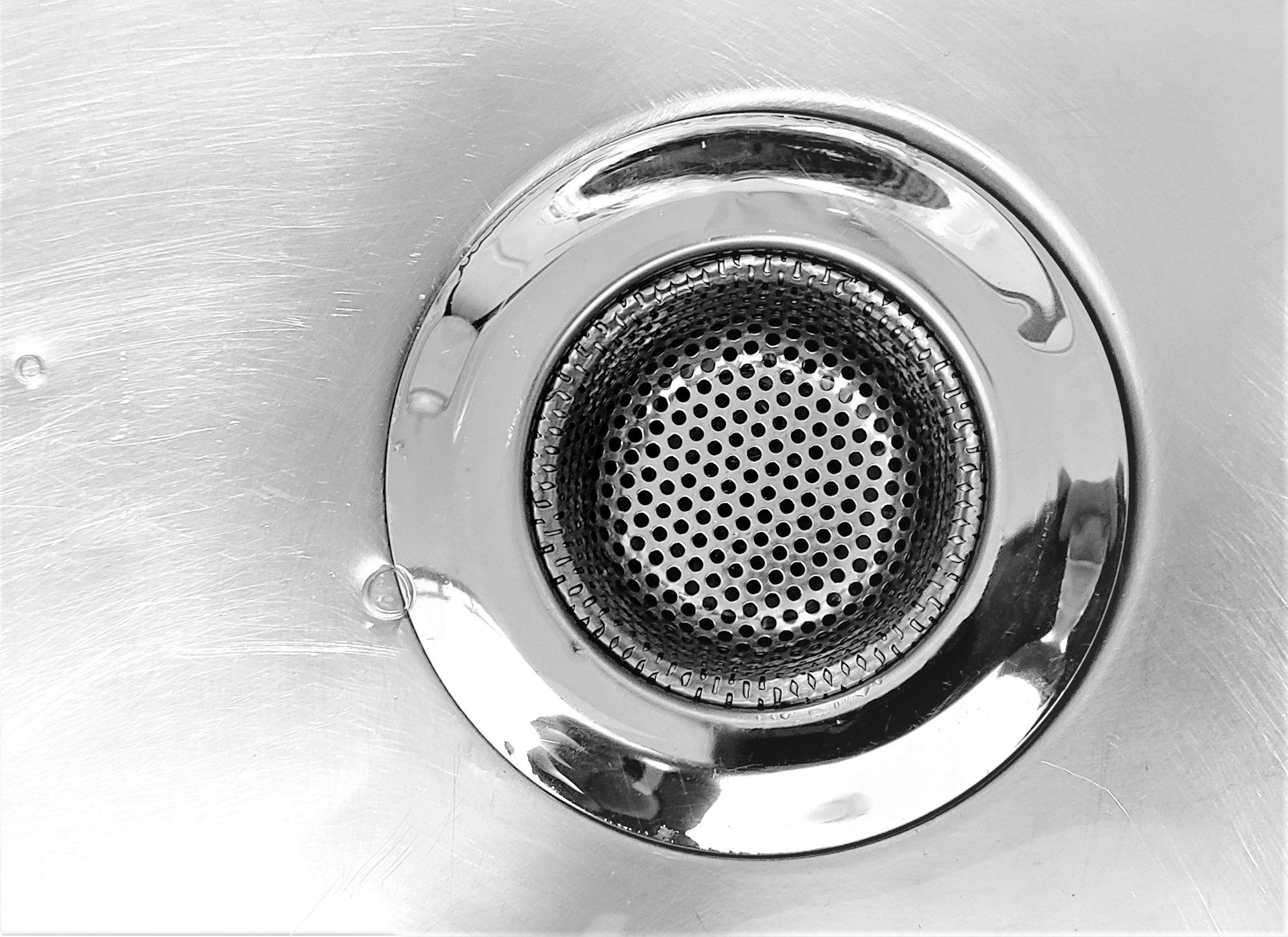
close-up of a clogged drain being cleaned

Drain Cleaning vs. DIY Unclogging: When to Call a Professional Plumber

Blocked sinks and slow-moving drains are more than a minor inconvenience. They disrupt daily routines, create unpleasant odours, and can signal deeper plumbing issues developing out of sight. Many homeowners initially reach for household remedies before considering professional drain cleaning, hoping for a quick and inexpensive fix.

In some cases, a simple blockage can be resolved without outside help. In others, what appears to be a minor clog may be the early warning sign of structural pipe damage, invasive tree roots, or years of accumulated debris. Understanding the difference is essential, especially when plumbing systems form part of your home’s long-term value and safety.

Knowing when to attempt a DIY solution and when to call a qualified plumber protects both your property and your budget. Acting too late can lead to burst pipes, water damage, or even health risks from sewage backups. Making informed decisions ensures your drainage system continues to function efficiently and safely.

Understanding What Causes Drain Blockages

Most household blockages develop gradually. Grease, soap residue, food scraps, hair, mineral buildup, and foreign objects slowly accumulate along pipe walls. Over time, the internal diameter of the pipe narrows until water can no longer pass freely.

In kitchens, grease and oils are frequent culprits. These substances may flow easily when hot but solidify as they cool, trapping other debris. Bathrooms present a different challenge, where hair combines with soap scum to form dense obstructions.

Outside the home, underground drainage lines face additional risks. Tree roots can penetrate small cracks in pipes, expanding as they grow and restricting water flow. Shifting soil and aging materials may also cause pipe misalignment or collapse.

Recognising the underlying cause determines whether a simple remedy will work or whether professional intervention is necessary.

When DIY Unclogging Can Be Effective

Minor clogs near the surface often respond well to basic household tools. If water drains slowly but does not completely back up, the blockage may be close to the fixture.

Homeowners commonly try:

  • A plunger to create pressure and dislodge debris

  • A drain snake or auger for shallow blockages

  • Removing and cleaning the P-trap beneath sinks

  • Hot water flushing for mild grease buildup

These methods are generally safe when used correctly and can restore normal flow in uncomplicated cases.

However, caution is critical. Chemical drain cleaners may promise instant results, but repeated use can corrode pipes, weaken joints, and create environmental hazards. In older plumbing systems, harsh chemicals may accelerate deterioration rather than solve the problem.

DIY approaches are best reserved for isolated, minor clogs. If symptoms persist or worsen, further action is required.

Warning Signs That Indicate a Deeper Problem

Certain symptoms suggest the issue extends beyond a simple blockage. Ignoring these warning signs can allow small issues to escalate into major repairs.

Watch for:

  • Multiple fixtures draining slowly at the same time

  • Gurgling sounds from toilets or sinks

  • Water backing up into showers or tubs

  • Persistent foul odours

  • Recurring clogs despite repeated attempts to clear them

These signs often point to a blockage in the main sewer line or a structural defect within the plumbing system. Professional assessment becomes essential at this stage.

Delaying proper intervention increases the risk of overflow and contamination. Sewage backups, in particular, pose serious health risks due to bacteria and harmful pathogens.

The Advantages of Professional Drain Cleaning

When a blockage is complex or deeply embedded, specialised equipment makes the difference. Professional plumbers use advanced diagnostic tools such as drain cameras to inspect pipes internally. This eliminates guesswork and identifies the exact source of the problem.

High-pressure hydro jetting systems can remove years of hardened grease, sludge, and mineral buildup without damaging pipe walls. Mechanical augers designed for heavy-duty use reach further than consumer-grade tools and clear obstructions more thoroughly.

Professional drain cleaning also addresses root causes rather than symptoms. If tree roots are present, a plumber can recommend long-term solutions such as pipe repair or replacement.

Most importantly, professional service reduces the likelihood of recurring problems. While DIY fixes may offer temporary relief, expert treatment restores full pipe capacity and improves overall system performance.

Financial Considerations: Short-Term Savings vs. Long-Term Costs

DIY unclogging appears cost-effective at first glance. Basic tools are affordable, and many homeowners prefer to avoid service fees.

Yet repeated attempts can increase costs over time. Purchasing multiple chemical treatments, renting equipment, or repairing accidental pipe damage can quickly exceed the price of a professional visit.

Water damage resulting from unresolved blockages is significantly more expensive. Repairs to flooring, cabinetry, and structural components often involve thousands in restoration costs.

Investing in professional care early may prevent larger financial burdens later. Proper maintenance protects both property value and household hygiene.

Health and Safety Implications

Blocked drains are not merely inconvenient. Standing water becomes a breeding ground for bacteria and insects. Sewage exposure can cause gastrointestinal illness, respiratory issues, and skin irritation.

Chemical cleaners introduce additional hazards. Fumes may irritate lungs and eyes, especially in poorly ventilated spaces. Accidental splashes can cause burns.

Professional plumbers are trained to handle hazardous situations safely. Protective equipment and industry protocols minimise risk during repairs.

When health concerns arise, prioritising safety over short-term savings is a prudent decision.

Preventative Measures to Reduce Future Blockages

Prevention remains the most effective strategy for maintaining a healthy plumbing system. Small changes in daily habits significantly reduce clog formation.

Practical prevention steps include:

  • Avoid pouring grease or oil down sinks

  • Install drain strainers to catch hair and debris

  • Flush drains periodically with hot water

  • Schedule periodic inspections for older plumbing systems

Routine maintenance extends pipe lifespan and reduces emergency calls. In properties with mature trees, regular inspections help detect root intrusion before severe damage occurs.

A proactive approach reduces stress and protects infrastructure.

Making the Right Call for Your Home

The decision between DIY methods and professional assistance depends on severity, recurrence, and overall system condition. Minor surface clogs may respond to simple tools. Persistent or widespread issues demand expert evaluation.

When multiple warning signs appear, relying solely on household remedies risks escalating damage. Plumbing systems are interconnected; what seems isolated may affect the broader network.

Experienced plumbers provide accurate diagnostics, durable solutions, and compliance with building standards. Their expertise ensures that underlying issues are resolved, not masked.

Addressing drainage concerns promptly supports household hygiene, structural integrity, and long-term property value. Thoughtful decision-making today prevents costly complications tomorrow, keeping your plumbing system reliable and efficient for years to come.

hotel architects

A Guide to Architectural Specialties and Their Unique Focus Areas

Architecture is a varied and imaginative field that mixes art and science to form the areas we live, work, and play in. While all designers share fundamental training, numerous select to focus on particular niches, refining their abilities to fulfill the distinct needs of specific jobs. One such expertise is that of hotel designers, specialists who create areas accommodating hospitality and visitor experiences. Let’s check out the different designer specializeds, consisting of hotel designers, and what makes each distinct.

1. Residential Architects

Residential designers concentrate on developing homes, varying from single-family homes to extensive estates and multi-unit advancements. Their work focuses on producing areas that fulfill the visual choices and practical requirements of people or households. This specialized frequently includes working together carefully with customers to guarantee their vision is shown in the last style. These designers need to think about elements like energy effectiveness, zoning laws, and long-lasting use to produce comfy and sustainable home.

2. Commercial Architects

Commercial designers style areas for organizations and companies. Their work covers office complex, retail areas, and mixed-use advancements. These designers focus on performance and success, making sure that their styles line up with a company's functional requirements while likewise being aesthetically interesting clients. Key factors to consider consist of foot traffic circulation, lighting, and adherence to brand name identity. Their work frequently converges with other specializeds, such as hotel designers, when developing big business homes with hospitality elements.

3. Landscape Architects

Not all designers concentrate on structures. Landscape designers focus on developing outside areas, such as parks, gardens, and city plazas. Their work highlights consistency in between natural and developed environments, frequently incorporating components like water functions, paths, and green areas to boost the visual and practical worth of outside locations. These designers need to stabilize ecological sustainability with customer requirements, making them crucial gamers in city preparation jobs.

4. Interior Architects

Interior designers concentrate on the style and performance of indoor areas. Unlike interior designers, who mainly handle visual appeals, interior designers deal with the structural and spatial elements of interiors. They think about elements such as lighting, acoustics, and ergonomics to produce areas that are both stunning and useful. This specialized is important in jobs like hotels, where the know-how of hotel architects is matched by interior designers to provide cohesive visitor experiences.

5. Sustainable Architects

As the world ends up being more mindful of ecological obstacles, sustainable designers play a critical function in producing environmentally friendly styles. Their work concentrates on decreasing the ecological effect of structures through energy-efficient styles, usage of sustainable products, and incorporation of green innovations like photovoltaic panels and rainwater harvesting systems. They frequently work together with other specializeds to guarantee sustainability is incorporated throughout all elements of a job.

6. Urban Architects

Urban designers, likewise referred to as city organizers, concentrate on the style and company of cities and neighborhoods. Their work includes producing master strategies for areas, transport systems, and public areas. They goal to boost city living by enhancing ease of access, decreasing blockage, and making sure sustainability. Urban designers need to work together with policymakers, engineers, and other stakeholders to bring their visions to life.

7. Industrial Architects

Industrial designers focus on developing centers for production, warehousing, and circulation. These designers concentrate on performance and effectiveness, making sure that their styles fulfill the functional requirements of commercial procedures. Key factors to consider consist of workflow optimization, security requirements, and compliance with market guidelines. Their styles frequently include big open areas, robust structural components, and simple gain access to for heavy equipment.

8. Hotel Architects

Among the numerous architectural specializeds, hotel designers stick out for their capability to craft areas that focus on visitor convenience, functional effectiveness, and visual appeal. Their work frequently includes developing grand lobbies, glamorous suites, and modern features that deal with varied tourists. Hotel designers need to likewise stabilize visual appeals with performance, making sure that their styles accommodate whatever from high visitor traffic to energy effectiveness.

For circumstances, the design of a hotel need to think about optimum space positioning to take full advantage of views while decreasing sound. Additionally, hotel designers frequently incorporate ingenious functions like clever space controls and sustainable products to boost visitor experiences and fulfill contemporary needs.

9. Restoration Architects

Restoration designers focus on maintaining and bring back historic structures. Their work includes preserving the stability of structures while adjusting them for contemporary usage. This needs a deep understanding of architectural history, products, and building methods. Restoration designers frequently work together with historians and preservation specialists to guarantee their jobs honor the initial style while satisfying modern requirements.

10. Healthcare Architects

Healthcare designers style medical facilities, centers, and medical research study centers. Their work highlights performance, security, and convenience for both clients and personnel. These designers need to think about elements like infection control, ease of access, and effective workflows to produce areas that support health and wellness. Specialized understanding of medical devices and regulative requirements is important in this field.

The architectural occupation is abundant with chances for expertise, each offering distinct obstacles and benefits. From domestic and business designers to specialized fields like hotel designers, each plays a crucial function in forming the world we reside in. By comprehending the subtleties of these specializeds, customers can select the best specialist for their particular requirements, making sure that their jobs are brought to life with know-how and imagination.

plumbers near me

Preventing Water Damage with Digital Leak Detection Solutions

Water leaks can be a homeowner’s worst nightmare, leading to costly repairs, wasted water, and potential damage to your property. Traditional methods of finding leaks often involve guesswork, disruption, and extensive labor. Digital leak detection, on the other hand, offers a non-invasive, accurate, and efficient solution to pinpoint leaks before they escalate into major problems. In this article, we’ll explore how digital leak detection works, its benefits, and why it’s worth considering as a long-term investment.

Understanding Digital Leak Detection

Digital leak detection is a modern method that uses advanced technology to locate leaks in plumbing systems without the need for invasive measures. It employs tools such as acoustic sensors, infrared cameras, and moisture detectors to identify leaks with precision.

When you call plumbers near me who specialize in digital leak detection, they use these tools to assess your plumbing system. Unlike traditional methods that might require cutting through walls or digging into floors, digital detection minimizes disruption and provides accurate results in a fraction of the time.

The Technology Behind Digital Leak Detection

Digital leak detection combines various technologies to ensure leaks are identified accurately and efficiently:

  1. Acoustic Sensors
    These sensors pick up sound waves generated by water escaping from pipes. Plumbers analyze these sounds to determine the exact location of a leak, even if it’s underground or behind walls.
  2. Infrared Cameras
    Infrared imaging detects temperature variations caused by moisture. It’s particularly effective in locating leaks hidden within walls or ceilings, as the camera highlights damp or wet areas.
  3. Moisture Meters
    These devices measure the moisture content in materials such as drywall or flooring, helping plumbers detect hidden leaks that may not yet show visible signs of damage.
  4. Pressure Testing
    Plumbers can also use pressure gauges to identify inconsistencies in water pressure, indicating a potential leak.

With these tools, plumbers near me can detect leaks early, preventing further damage and unnecessary expenses.

Why Digital Leak Detection Is Worth the Investment

Investing in digital leak detection services may seem like an added expense, but its long-term benefits make it a cost-effective solution. Here’s why:

  1. Cost Savings
    Undetected leaks can lead to skyrocketing water bills and costly repairs. Digital leak detection ensures leaks are caught early, reducing water waste and preventing structural damage to your home.
  2. Non-Invasive Process
    Traditional methods of finding leaks often involve tearing through walls or digging up floors, which can be disruptive and expensive. Digital detection offers a precise, non-invasive alternative that minimizes property damage.
  3. Time Efficiency
    With advanced tools, leaks can be located quickly and accurately. This efficiency reduces labor costs and ensures your plumbing system is back to normal in no time.
  4. Environmental Impact
    Conserving water is essential for the environment. By addressing leaks promptly with the help of plumbers near me, you contribute to water conservation efforts while lowering your utility bills.
  5. Preventing Mold and Mildew
    Undetected leaks can lead to damp conditions that promote the growth of mold and mildew. Digital detection helps maintain a healthier home environment by addressing leaks before they cause secondary issues.

When to Consider Digital Leak Detection

Certain signs indicate it’s time to call plumbers near me for digital leak detection. These include:

  • Unexpectedly high water bills
  • Damp spots or discoloration on walls, ceilings, or floors
  • Reduced water pressure in your taps or showers
  • The sound of running water when all taps are off
  • Persistent moldy odors

Addressing these signs promptly can save you from more extensive damage and expenses.

Choosing the Right Plumbers Near Me for Digital Leak Detection

Not all plumbers offer digital leak detection services, so finding the right professional is crucial. Here are some tips for selecting the best service provider:

  1. Experience and Expertise
    Look for plumbers who have experience with digital leak detection and a track record of successful cases.
  2. Advanced Equipment
    Ensure the plumbers use state-of-the-art tools and technology to deliver accurate results.
  3. Customer Reviews
    Check online reviews or ask for recommendations to find trusted plumbers near me who provide excellent service.
  4. Transparent Pricing
    A reputable plumber will provide clear pricing and explain the costs involved in the digital detection process.

Digital leak detection is a game-changer in modern plumbing, offering precise and non-invasive solutions to detect leaks. By investing in this technology, homeowners can save money, protect their property, and contribute to water conservation efforts. The benefits far outweigh the costs, making it a worthwhile investment for any household.

If you’re experiencing signs of a potential leak, don’t wait for the problem to worsen. Reach out to plumbers near me who specialize in digital leak detection and take the first step toward safeguarding your home’s plumbing system. With the right tools and expertise, you can enjoy peace of mind knowing your plumbing is in optimal condition.

plumbers near me

Common Indicators of Hidden Water Leaks and What to Do

Water leakages can trigger substantial damage to your residential or commercial property if left undiscovered. While some leakages show up and simple to repair, others might stay surprise behind walls, under floorings, or within your pipes system. These surprise leakages typically go undetected without the assistance of plumbing professionals near me, till they result in pricey repair work or water damage. Identifying the indications early and understanding what actions to take can conserve you both money and time.

Common Signs of a Hidden Water Leak

  1. Unexplained Increase in Water Bills
    One of the very first indications of a covert water leakage is an unforeseen spike in your water expenses. If your use routines haven’t altered however the expenses have actually increased significantly, it’s time to examine. Hidden leakages can squander numerous gallons of water monthly, affecting your financial resources and the environment.
  2. Water Stains or Discoloration
    Keep an eye out for water discolorations on ceilings, walls, or floorings. Discoloration, such as yellow or brown areas, typically signifies wetness caught in these locations. Over time, this can result in mold development, weakening of structural parts, and an undesirable smell.
  3. Reduced Water Pressure
    If you see an unexpected drop in water pressure in your faucets or shower, it might be due to a leakage. Hidden leakages typically interrupt the typical circulation of water through your pipelines, triggering irregular pressure.
  4. Mold or Mildew Growth
    Mold prospers in damp environments, and even a little leakage can develop the ideal conditions for development. If you find mold or mildew in locations that ought to stay dry, like walls or ceilings, it’s a clear indication of a prospective surprise leakage.
  5. Sound of Running Water
    Hearing water running when no taps are open is another warning. This might show a leakage within your pipes system. Pay attention to sounds originating from behind walls or under floorings.
  6. Unusual Odors
    A moldy or wet odor in specific locations of your home is a dead giveaway of a covert water leakage. These smells typically arise from stagnant water or mold triggered by relentless leakages.
  7. Warm Spots on Floors
    For homes with piece structures, warm areas on the flooring can show a warm water line leakage. This kind of leakage can likewise trigger fractures in your floor covering or structure if not attended to without delay with plumbing professionals near me.

What to Do If You Suspect a Hidden Leak

Once you’ve determined indications of a prospective surprise leakage, taking instant action is vital. Here’s a detailed guide:

  1. Confirm the Leak
    Before employing experts, carry out an easy test. Turn off all water components and inspect your water meter. If the meter continues to move, it’s a clear indicator of a leakage.
  2. Inspect Visible Plumbing
    Examine noticeable pipelines under sinks or behind toilets for indications of leaking or deterioration. While this won’t expose surprise leakages, it can dismiss easier problems.
  3. Hire Professionals
    Hidden leakages need knowledge to find and repair. Search online for plumbers near me to discover competent experts in your location. Experienced plumbing professionals utilize sophisticated tools like thermal imaging or acoustic gadgets to identify the precise place of leakages without triggering unneeded damage to your residential or commercial property.
  4. Turn Off the Water Supply
    If the leakage appears serious, shut down your home’s primary water valve to avoid additional damage till assistance shows up. This action is specifically essential if water is pooling noticeably or triggering structural damage.
  5. Document the Damage
    Take photos of water discolorations, mold, or other noticeable impacts of the leakage. This documents can be practical for insurance coverage claims and guarantees you’re properly made up for repair work.
  6. Schedule Repairs and Maintenance
    Once the plumbing technician recognizes the issue, make sure the needed repair work are finished without delay. Additionally, think about scheduling regular upkeep to avoid future leakages.

Preventing Hidden Water Leaks

Prevention is constantly much better than treatment. Here are some proactive steps to keep surprise water leakages at bay:

  • Regular Inspections: Periodically check noticeable pipes for wear and tear. Look for loose connections, rust, or indications of water seepage.
  • Monitor Water Bills: Consistently high water expenses might show a hidden problem. Keep track of your use and compare month-to-month expenses.
  • Install Leak Detectors: Smart leakage detection systems can notify you to problems early, decreasing damage and repair work expenses.
  • Maintain Appliances: Appliances like dishwashing machines and cleaning makers can establish leakages. Inspect tubes and connections routinely to guarantee they’re safe.

Why Timely Action Is Essential

Delaying action on a covert water leakage can result in substantial water damage, greater repair work expenses, and health threats due to mold direct exposure. Searching for plumbing professionals near me at the very first indication of problem makes sure that leakages are attended to expertly and effectively.

By recognizing the indications of surprise water leakages and taking timely action, you can safeguard your home and save money on pricey repair work. Don’t think twice to look for assistance from relied on experts in your location to secure your residential or commercial property and keep comfort.

garage door repairs

How to Handle a Garage Door That Refuses to Open or Close

A malfunctioning garage door can be a substantial trouble, specifically when you remain in a rush. Whether it will not open or close, the circumstance can leave you feeling annoyed and uncertain of what to do next. This short article will direct you through the actions to take when your garage door quits working, providing useful options and insights to assist you get it back on track.

1. Check the Power Source

The very first thing to do when your garage door will not open or close is to inspect the source of power. Many garage doors depend on electrical energy to operate, and an easy power blackout or a tripped breaker might be the reason for the issue. Ensure that the garage door opener is plugged in firmly which there’s power going to it. If the problem continues, it might be time to call an expert for garage door repair work.

2. Inspect the Remote Control and Keypad

Another typical reason that your garage door may not be reacting is an issue with the push-button control or keypad. If the batteries in your remote are dead or the keypad is malfunctioning, the door will not run as anticipated. Try changing the batteries in the remote or resetting the keypad. If this does not fix the problem, it may be essential to reprogram the remote or seek advice from a garage doors providers for additional help.

3. Examine the Door Tracks and Rollers

Over time, the tracks and rollers of your garage door can end up being unclean, bent, or misaligned, causing functional problems. If your garage door is stuck or moving unevenly, it’s vital to check the tracks and rollers. Clean out any particles and guarantee that the tracks are correctly lined up. If you see any damage or wear, you might require to look for expert garage door repairs to repair the issue and avoid additional damage.

4. Assess the Springs and Cables

The springs and cable televisions are crucial elements of your garage door system, accountable for raising and reducing the door. If these parts are broken or worn, the garage door might stop working to open or close correctly. This is a major problem that needs instant attention. Attempting to fix or change springs and cable televisions by yourself can be unsafe due to the high stress included. It's finest to hire a specialist who focuses on garage doors services to deal with the task securely and effectively.

5. Test the Garage Door Opener

If the source of power, push-button control, and physical elements of your garage door all appear to be in working order, the issue may lie with the garage door opener itself. Over time, the opener's motor or internal systems can wear, causing functional failures. Listen for any uncommon sounds when attempting to open or close the door, as these can show an issue with the opener. If the opener is defective, you may require a total garage door setup to change the out-of-date or broken system.

6. Consider Professional Garage Door Services

When you have actually tired all fundamental troubleshooting actions and your garage door still will not open or close, it's time to hire the specialists. Professional garage doors companies have the tools and know-how to detect and fix a vast array of problems. Whether you require small modifications, detailed garage door repair work, and even a brand-new garage door setup, they can assist you get your garage door back in working order rapidly and securely.

A malfunctioning garage door can interrupt your everyday regimen and posture a security danger. By following the actions laid out above, you can typically recognize and fix the problem by yourself. However, if the issue continues or appears too complicated to deal with, do not think twice to call an expert for garage doors services. They can supply the essential repair work to guarantee your door runs efficiently and dependably for many years to come. Taking timely action not just brings back benefit however likewise assists preserve the security and security of your home.

solar geysers

Charting the Path to Sustainability with Solar Power

As the world faces the obstacles of environment modification and ecological deterioration, the mission for sustainable energy services has actually never ever been more immediate. Solar power, with its plentiful and sustainable nature, is becoming an essential gamer in leading the way for a greener tomorrow. From decreasing carbon emissions to promoting energy self-reliance, solar energy provides a myriad of advantages that are improving the worldwide energy landscape.

Harnessing Solar Power: The Rise of Solar Geysers

One of the most impactful applications of solar energy remains in the world of water heating, exhibited by the increase of solar geysers. Solar geyser conversions include retrofitting standard water heater with photovoltaic panels, allowing them to harness the sun's energy for heating water. This not just minimizes dependence on nonrenewable fuel sources however likewise reduces carbon emissions, making it a greener option. Moreover, the schedule of solar geysers for sale is broadening, making renewable resource more available to families and organizations.

Affordability and Accessibility: Understanding Solar Geyser Prices

While the advantages of solar geysers are indisputable, issues about price typically emerge. However, the truth is that solar geyser costs have actually ended up being progressively competitive recently. Factors such as improvements in innovation, economies of scale, and federal government rewards have actually added to the price of solar geysers. Additionally, the long-lasting expense savings connected with solar water heating make it an economically sound financial investment for house owners in the mission for a greener tomorrow.

Environmental Benefits: Reducing Carbon Footprints with Solar Geysers

The ecological advantages of solar geysers cannot be overemphasized. By utilizing the power of the sun, solar geysers considerably lower the carbon footprint connected with water heating. Unlike standard water heater that count on nonrenewable fuel sources, solar geysers produce tidy energy without releasing damaging greenhouse gases. This not just assists alleviate environment modification however likewise promotes ecological sustainability for future generations. As more families and organizations embrace solar geysers, the cumulative effect on decreasing carbon emissions will be considerable.

Promoting Energy Independence: The Role of Solar Power

Another essential element of solar energy is its function in promoting energy self-reliance. By utilizing a complimentary and plentiful energy source like the sun, solar energy minimizes reliance on limited and imported nonrenewable fuel sources. This boosts energy security and durability, especially in areas susceptible to energy supply interruptions or geopolitical stress. Moreover, decentralized solar power systems, such as solar geysers, empower people and neighborhoods to produce their own tidy energy, additional adding to energy self-reliance and self-sufficiency.

Driving Innovation and Sustainability: The Future of Solar Power

Looking ahead, solar energy is poised to play an even higher function in forming a greener tomorrow. Continued improvements in solar geyser conversions and innovation, paired with helpful policies and financial investments, will drive development and price in the solar power sector. From enhanced effectiveness to ingenious applications, the possibilities for solar energy are large and appealing. By welcoming solar energy as a foundation of our energy shift, we can lead the way for a more sustainable and flourishing future for generations to come.

In conclusion, solar energy is not simply a source of renewable resource however a driver for favorable modification. Through applications like solar geysers and the wider adoption of solar power, we can lower carbon emissions, promote energy self-reliance, and develop a greener and more sustainable world. As people, neighborhoods, and countries come together to harness the power of the sun, we can lead the way for a brighter and greener tomorrow.