
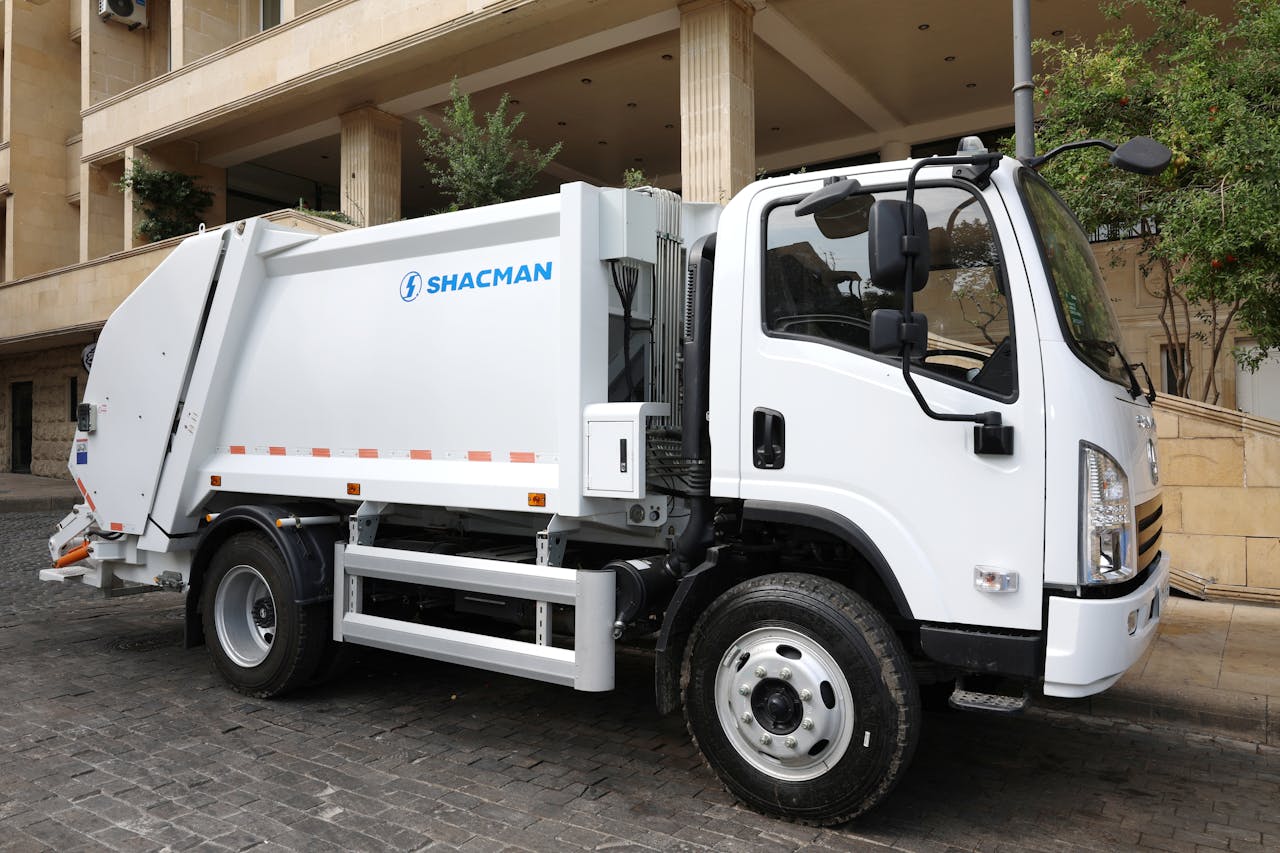
Understanding waste removal service costs in Cape Town

The Real Cost of Waste Removal Services in Cape Town

The cost of keeping a property clean and free from waste is something many homeowners and businesses underestimate until they need the service. Whether it’s after a renovation, a garden clean-up, or routine disposal, understanding what you’re actually paying for can make a significant difference in how you budget and plan. In cities where demand is high and regulations are strict, pricing can vary more than expected.

In a growing urban environment, managing waste responsibly is not just about convenience. It involves logistics, labour, compliance, and environmental considerations. Many people searching for waste removal Cape Town services are initially drawn to the lowest price, but that approach often overlooks the full picture.

To make informed decisions, it’s important to break down the real cost components behind these services. This allows you to compare quotes properly, avoid hidden fees, and ensure you’re getting both value and reliability rather than just a quick fix.

What Influences the Price of Waste Removal Services

Pricing is rarely a flat rate because waste removal involves several moving parts. The type of waste is one of the biggest cost drivers. General household waste is usually cheaper to remove than construction debris, hazardous materials, or bulky items like furniture and appliances.

Volume also plays a key role. Most service providers charge based on how much waste needs to be collected, often measured in cubic metres or truckload capacity. A small garden clean-up will naturally cost less than clearing out an entire property or construction site.

Accessibility is another factor that can affect pricing. If waste is easy to access and load, the job is quicker and requires less labour. However, properties with limited access, stairs, or tight spaces may increase the time and effort required, which is often reflected in the final cost.

Labour and Equipment Costs Explained

Behind every waste removal job is a team of workers and specialised equipment. Labour costs include the time it takes to load, transport, and dispose of the waste. This is especially relevant for heavier or more complex jobs that require additional manpower.

Vehicles and fuel also contribute to pricing. Trucks must be maintained, fuelled, and operated efficiently, particularly when covering longer distances. Rising fuel costs can have a direct impact on service rates, especially in areas that are further from disposal facilities.

In some cases, specialised equipment may be needed. This could include compactors, lifting tools, or protective gear for handling certain types of waste. These added requirements can increase the overall cost but are necessary for safe and compliant operations.

Disposal Fees and Environmental Compliance

One of the most overlooked aspects of waste removal pricing is disposal. Waste does not simply disappear after collection. It must be transported to designated facilities where it is sorted, processed, or disposed of according to local regulations.

Disposal sites often charge tipping fees based on the type and weight of the waste. Hazardous materials, for example, are more expensive to process due to the strict handling requirements involved. These costs are typically included in your quote but may not always be clearly itemised.

Environmental compliance is another critical factor. Reputable service providers follow regulations to ensure waste is handled responsibly. This includes recycling where possible and avoiding illegal dumping, which can carry heavy fines. While compliant services may cost slightly more, they protect you from potential legal and environmental risks.

Hidden Costs to Watch Out For

Not all quotes are as straightforward as they seem. Some providers may advertise low base rates but exclude additional charges that only become apparent later. This can lead to unexpected expenses that quickly push the total cost higher than anticipated.

Common hidden costs include extra charges for overweight loads, extended labour time, or specific types of waste that require special handling. Travel fees may also apply if your location falls outside a standard service area.

To avoid surprises, always ask for a detailed breakdown of what is included in the quote. Transparency is a strong indicator of a professional and trustworthy service provider.

Comparing Value Instead of Just Price

Choosing a waste removal service based solely on the lowest price can be misleading. A cheaper option may cut corners, lack proper licensing, or fail to dispose of waste responsibly. This can create more problems in the long run, including environmental harm or potential fines.

Instead, focus on overall value. This includes reliability, professionalism, and adherence to regulations. A slightly higher upfront cost can often translate into better service, faster turnaround times, and peace of mind.

Customer reviews and reputation also play a role in assessing value. Consistent positive feedback usually indicates a provider that delivers on its promises and handles waste responsibly.

When Waste Removal Becomes More Expensive

Certain situations naturally lead to higher costs. Emergency or same-day services often come at a premium due to the urgency and scheduling adjustments required. Similarly, large-scale projects like construction clean-ups involve more resources and coordination.

Seasonal demand can also affect pricing. Periods of increased activity, such as after major storms or during peak renovation seasons, may lead to higher rates due to limited availability.

Another factor is the type of client. Commercial projects often require ongoing services, compliance documentation, and stricter timelines, all of which can influence pricing structures compared to once-off residential jobs.

How to Reduce Your Waste Removal Costs

While some costs are unavoidable, there are ways to manage and potentially reduce your expenses. Planning ahead is one of the most effective strategies. Booking in advance allows you to avoid rush fees and secure better rates.

Sorting your waste can also make a difference. Separating recyclable materials from general waste may reduce disposal fees and improve efficiency during collection. This is particularly useful for larger projects where waste types vary.

Being clear about the scope of the job helps prevent misunderstandings and additional charges. Accurate information allows service providers to quote more precisely and allocate the right resources from the start.

Key Takeaways Before Hiring a Service

Before committing to a provider, it’s important to evaluate all aspects of the service rather than focusing on a single factor. The real cost goes beyond the initial quote and includes quality, compliance, and long-term impact.

Keep the following points in mind when comparing options:

  • Always request a detailed, itemised quote
  • Confirm what types of waste are included in the price
  • Check for proper licensing and compliance with local regulations
  • Consider the provider’s reputation and customer feedback
  • Avoid deals that seem unusually cheap without clear explanations

Understanding the full scope of what goes into pricing helps you make smarter decisions. When looking at waste removal in Cape Town, taking a balanced approach ensures you get reliable service without unnecessary expenses, while also contributing to responsible waste management in your community.


Exclusive wine tasting experience in Cape Town vineyards

Cape Town Wine Tours for Connoisseurs: Rare Wines and Exclusive Tastings

Cape Town offers an enchanting blend of natural beauty and world-class wine experiences, making it a prime destination for wine enthusiasts. For those who have explored the standard wine routes, there is a growing desire to uncover rare vintages and exclusive tasting experiences that go beyond the usual vineyard visits. Cape Town wine tours for connoisseurs cater precisely to this niche, offering curated journeys through some of the region’s most esteemed wineries.

These tours provide more than just a sip of fine wine—they immerse guests in the artistry and history behind every bottle. Small, boutique vineyards often open their doors only to those seeking an in-depth exploration of viticulture and winemaking techniques. Whether you are a seasoned sommelier or an avid enthusiast, the experience allows for a closer connection with winemakers and the passion that drives them.

Beyond wine, these tours often incorporate the region’s gastronomic delights, with gourmet pairings and locally sourced ingredients elevating every tasting. Cape Town wine tours for connoisseurs are not just about drinking wine—they are about cultivating an understanding and appreciation for the craft, culture, and community that surrounds it.

Discovering Hidden Vineyards

For connoisseurs, the appeal of Cape Town wine tours often lies in the off-the-beaten-path vineyards that are not part of conventional itineraries. These hidden gems offer intimate tasting sessions where guests can experience rare varietals. Many of these wineries have small production runs, ensuring that each bottle is crafted with meticulous care.

Visiting these secluded estates also allows for personal interactions with vintners, who share their philosophies on organic practices, barrel aging, and the unique microclimates that influence each grape. Some tours even provide behind-the-scenes access to cellars, blending rooms, and vineyards, giving a rare glimpse into the winemaking process.

  • Boutique wineries often produce wines that are unavailable in mainstream markets.

  • Seasonal harvest tours offer an immersive experience in the vineyard’s rhythm.

  • Tasting sessions frequently include experimental or single-vineyard wines, perfect for collectors.

The Art of Exclusive Tastings

Exclusive tastings elevate the experience beyond traditional wine sampling. On these tours, guests can enjoy small-group sessions with carefully curated flights of rare wines, often accompanied by detailed tasting notes and guided insights. The approach is educational as much as it is indulgent, allowing visitors to refine their palate and develop an understanding of subtleties in aroma, acidity, and body.

Many high-end wine estates incorporate food pairings to enhance the tasting experience. Think artisanal cheeses, charcuterie, and locally grown produce complementing each sip. Such pairings are designed to highlight the wine’s unique characteristics and create a memorable culinary journey.

  • Flights are often themed around a vintage, a grape varietal, or a specific vineyard plot.

  • Sommeliers or winemakers explain the influence of soil, climate, and production techniques.

  • Limited-edition wines can sometimes be purchased directly from the estate, offering a rare collectible.

Personalized and Private Tour Experiences

One of the defining features of connoisseur-level Cape Town wine tours is the level of personalization. Guests can request private tours tailored to their interests, whether focusing on biodynamic practices, rare varietals, or historic estates. Personalized itineraries often include transportation, gourmet meals, and even scenic stops to enjoy the region’s breathtaking landscapes.

Small groups or one-on-one tours ensure that every detail is attended to, from tasting temperature to pouring techniques, offering a refined and luxurious experience. Some tours also incorporate masterclasses, where participants can try blending their own wines under expert guidance, adding an interactive element to the journey.

Pairing Wine with Scenic Adventures

The Western Cape is renowned not just for its wine but also for its dramatic landscapes, and many high-end tours seamlessly integrate these elements. Picture a tasting on a hillside overlooking rolling vineyards, or a picnic among fynbos with the Atlantic Ocean as a backdrop. These moments make each sip of wine more than just a taste—it becomes an experience tied to place, history, and memory.

Outdoor tastings can also include guided walks through the vineyards, exploring the terroir that gives each wine its character. This connection between landscape and flavor is a hallmark of connoisseur-level wine tours and adds a sensory depth that standard tours often miss.

Planning Your Connoisseur Journey

While Cape Town wine tours for casual visitors can be booked on the fly, tours focusing on rare wines and exclusive tastings often require advance planning. Many boutique estates have limited availability, and peak harvest seasons can fill up months in advance.

  1. Research wineries known for unique or rare varietals and contact them directly.

  2. Consider private or semi-private tours for a more personalized experience.

  3. Plan your itinerary around the types of experiences you value most—tastings, gourmet pairings, or immersive vineyard walks.

It’s worth investing time in selecting a tour that aligns with your interests and palate, ensuring an experience that is both indulgent and educational.

Cape Town’s wine region offers a spectrum of experiences, from large commercial estates to intimate boutique vineyards. For those seeking rare vintages and exclusive tasting sessions, connoisseur-level tours provide a rare opportunity to explore the artistry behind the bottles. Each sip, paired with scenic vistas and culinary delights, creates a journey that lingers long after the last pour.

Legal and municipal requirements for successful property rezoning approval

Legal and Municipal Requirements for Rezoning Property Successfully

Land development in South Africa is closely regulated to ensure that urban growth remains structured, sustainable, and aligned with public interest. Whether for residential expansion, commercial redevelopment, or mixed-use projects, understanding how planning systems operate is essential before making any property changes.

One of the most important considerations for landowners and developers is how zoning laws influence what can and cannot be built on a site. These rules are not static and can be changed through formal municipal processes, but only under strict legal conditions.

Before submitting any application, it is critical to understand how the process works and what authorities expect when assessing a request for changing land use rights. A well-prepared approach can significantly improve the chances of approval, while incomplete submissions often result in delays or refusals, particularly when dealing with rezoning property requests.

Understanding municipal land use control systems

Municipal planning systems exist to regulate how land is developed and used within a specific jurisdiction. These systems are guided by national legislation, municipal zoning schemes, and spatial development frameworks that aim to balance growth with environmental and social needs.

In practice, zoning determines whether land is designated for residential, commercial, agricultural, industrial, or mixed-use purposes. Any deviation from the approved zoning requires formal approval through a structured application process reviewed by local authorities, such as planning departments within municipalities.

In cities like Cape Town, land use management is particularly detailed due to rapid urban growth and competing development pressures. Applicants are expected to demonstrate that proposed changes align with long-term planning goals and will not negatively impact surrounding communities.

A successful application is not simply about requesting a change; it is about proving compatibility with broader municipal strategies, infrastructure capacity, and environmental considerations.

Legal framework governing land use changes

The legal foundation for land use change applications is rooted in national and municipal legislation. These laws define what information must be submitted, how applications are assessed, and what criteria must be met before approval is granted.

The following steps typically form part of the formal legal process:

  1. Pre-application consultation with municipal planning officials to confirm requirements and identify potential constraints
  2. Appointment of a qualified land use or town planning professional to prepare documentation and motivation reports
  3. Submission of a formal application with supporting drawings, site plans, and land use motivation statements
  4. Public participation process, where affected parties are notified and allowed to comment or object
  5. Assessment by municipal planning committees, considering spatial policies and legal compliance
  6. Final decision issued by the authorized municipal decision-making body
  7. Appeal period, where applicable, if the application is refused or conditions are disputed

Each stage must be handled carefully, as missing documentation or procedural errors can invalidate the application or delay approval significantly.

At this stage, many applicants underestimate the complexity involved in rezoning property processes, particularly the need for alignment between legal requirements and spatial planning objectives. The outcome is heavily influenced by how well the application is prepared and justified.

Municipal approval considerations and planning alignment

Municipal authorities evaluate applications based on several key factors that go beyond simple land ownership rights. These include infrastructure capacity, traffic impact, environmental sensitivity, and compatibility with surrounding land uses.

Planning officials assess whether the proposed development supports integrated urban growth and whether it aligns with approved spatial development frameworks. If an application conflicts with these policies, it is unlikely to succeed without substantial justification or redesign.

In many cases, applicants seek professional assistance to ensure compliance with technical requirements and to strengthen the motivation behind the proposal. This is particularly important when dealing with complex land parcels or sensitive areas where development pressure is high.

A well-prepared submission for rezoning property is typically supported by detailed planning reports, environmental assessments (where required), and clear explanations of public benefit or economic value.

Common compliance risks and procedural challenges

Although the process is clearly defined, many applications face challenges due to avoidable mistakes or insufficient preparation. Understanding these risks can improve the likelihood of a successful outcome.

Common issues include:

  • Incomplete or inaccurate application documentation submitted to the municipality
  • Failure to engage with surrounding property owners during the public participation process
  • Misalignment between the proposed development and municipal spatial planning frameworks
  • Overlooking environmental regulations or heritage restrictions that apply to the site
  • Underestimating infrastructure limitations such as water, sewage, or road access capacity
  • Submitting applications without professional planning input or technical reports

These challenges can lead to delays, additional information requests, or outright refusals. In some cases, applicants must restart the process entirely, resulting in significant time and financial loss.

Proper due diligence is therefore essential before proceeding with any land use change request, especially where rezoning property is involved in high-density or strategically important areas.

Strategic planning and improving approval outcomes

Successful land use applications are typically the result of careful preparation, professional input, and strong alignment with municipal objectives. Authorities are more likely to approve proposals that demonstrate clear public benefit, efficient land use, and minimal disruption to surrounding areas.

Engaging early with municipal officials can help identify potential issues before submission. This allows applicants to adjust proposals in advance, reducing the likelihood of rejection later in the process.

It is also important to consider long-term implications rather than focusing solely on immediate development goals. Well-planned projects contribute to sustainable urban growth and are viewed more favourably during assessment.

Applicants who approach rezoning property strategically, with a clear understanding of legal frameworks and planning expectations, generally experience smoother approval processes and fewer administrative setbacks.

Ultimately, land use change is not just a procedural exercise but a structured evaluation of how land fits into the broader urban environment. Careful preparation, regulatory awareness, and professional guidance remain key factors in achieving successful outcomes.

Professional meet-and-greet airport transfer assistance

The Advantages of Meet-and-Greet Airport Services

Travel through busy international airports can be stressful, especially when timing, navigation, and luggage handling all converge at once. For many travellers, a smoother, more controlled arrival experience has become a priority rather than a luxury. This is where personalised airport assistance services play an increasingly important role in modern travel planning.

One growing option among business and premium travellers is the use of dedicated meet-and-greet support that ensures a streamlined transition from aircraft to onward transport. Services associated with premium transfers, such as a Mercedes chauffeur in Cape Town, are often integrated into these experiences to provide continuity, comfort, and professional coordination from the moment of landing.

The demand for structured arrival assistance has increased due to tighter schedules, heightened security procedures, and the need for efficiency. Whether travelling for corporate obligations, family trips, or high-value personal commitments, travellers are seeking reliability at every stage of the journey. The advantages of meet-and-greet airport services are therefore closely linked to reduced stress, improved time management, and enhanced travel safety.

Understanding Meet-and-Greet Airport Assistance

Meet-and-greet airport services are designed to simplify the arrival or departure process by assigning a trained representative to assist travellers at key points within the airport. This typically includes welcoming passengers at arrivals, assisting with luggage, guiding them through customs where applicable, and ensuring a smooth handover to their onward transport.

These services are structured to reduce confusion and eliminate unnecessary delays. They are particularly valuable in large or unfamiliar airports where signage, queues, and terminal layouts can be overwhelming. Assistance is provided in real time, helping travellers move efficiently through each stage of the airport journey.

Key elements often included are:

  • Personal reception at the arrival gate or designated meeting point
  • Assistance with baggage collection and handling
  • Fast-track guidance through immigration or security where available
  • Coordination with ground transport providers for immediate transfer
  • Support for delayed flights or schedule changes

The goal is consistency. Travellers should not feel uncertain or unsupported at any point. Every step is managed to reduce friction.

Why Travellers Choose Structured Arrival Support

The appeal of meet-and-greet services lies in their ability to transform a potentially chaotic airport experience into a predictable, managed process. For business travellers, this means less downtime and more productivity. For families, it means reduced stress and improved safety. For international visitors, it removes language and navigation barriers.

A key advantage is time efficiency. Airport delays often occur not during flight time, but during ground procedures such as passport control or baggage retrieval. Having dedicated assistance helps minimise these delays by ensuring travellers are guided through optimal routes and procedures.

Comfort is another major factor. After long-haul flights, travellers are often fatigued and less able to navigate complex airport environments. Personal assistance provides a buffer between arrival fatigue and onward travel arrangements, ensuring a smoother transition.

In premium travel contexts, services linked with executive transport options like a Mercedes chauffeur Cape Town often extend this convenience beyond the airport itself. The continuity between arrival assistance and high-end ground transport creates a unified travel experience that prioritises comfort and efficiency.

How the Arrival Process Is Managed Step by Step

Understanding the process helps clarify why these services are considered highly effective in reducing travel stress. Each stage is designed to remove uncertainty and maintain flow from aircraft to final destination.

Upon landing, a representative is typically already waiting at a designated point. Communication between the service provider and flight tracking systems ensures adjustments are made in case of delays. The traveller is then guided through the airport in a structured sequence that avoids unnecessary waiting.

The general process includes:

  1. Pre-arrival monitoring of flight status and scheduling adjustments
  2. Meet-and-greet at the arrival gate or airbridge exit
  3. Assistance with passport control and immigration procedures
  4. Luggage identification and retrieval support
  5. Escort to the designated transport area or lounge
  6. Final coordination with onward travel providers

Each step is designed to eliminate confusion and streamline movement through the airport environment. The emphasis is on predictability and reduced waiting time.

Short waiting periods become manageable transitions rather than stressful delays. This is especially beneficial for travellers with tight schedules or connecting commitments.

Efficiency, Safety, and Reduced Travel Stress

One of the strongest advantages of meet-and-greet services is their contribution to safety and structured movement within large transport hubs. Airports can be complex environments, and for first-time visitors or those arriving late at night, orientation can be difficult.

With professional assistance, travellers are less likely to experience disorientation or missed connections. There is also an added layer of security, as authorised personnel guide passengers through controlled airport zones and ensure they remain on the correct route.

Efficiency is improved through priority handling where available. While not always equivalent to fast-track services, coordinated assistance often reduces delays caused by confusion, incorrect queues, or missed directions.

In high-demand travel environments, this structured support is particularly valuable. It ensures that even during peak congestion periods, travellers maintain forward movement.

The integration of premium ground transport further enhances this efficiency. Services connected to luxury chauffeur solutions ensure that once passengers exit the airport, their onward journey continues without interruption or logistical uncertainty.

Selecting a Reliable Airport Assistance Provider

Not all services operate at the same standard, making provider selection an important part of the travel planning process. Reliability, communication, and operational coordination are key indicators of quality.

Travellers should consider several factors when evaluating options:

  • Availability of real-time flight monitoring and updates
  • Experience with international arrivals and customs procedures
  • Coordination capabilities with transport providers
  • Transparency in service scope and inclusions
  • Ability to handle delays, rebookings, or schedule disruptions

A well-structured provider ensures seamless communication between airport staff, travellers, and ground transport operators. This reduces the risk of misalignment or missed connections.

It is also important to assess responsiveness. Travel conditions can change quickly, and the ability of a service provider to adapt in real time is critical. Strong operational systems help maintain consistency even when external disruptions occur.

Enhancing the Overall Travel Experience

Beyond convenience, meet-and-greet airport services contribute to a broader improvement in travel quality. They reduce cognitive load, allowing travellers to focus on the purpose of their journey rather than logistical challenges. This is particularly valuable for business professionals who require mental clarity upon arrival.

For families, the experience is equally beneficial. Managing children, luggage, and travel documentation in unfamiliar environments can be overwhelming. Structured assistance ensures smoother coordination and reduces pressure at key points.

The emotional impact should not be underestimated. A well-managed arrival sets the tone for the entire trip. Calm, organised transitions contribute to a more positive overall travel experience, especially after long international flights.

When integrated with premium transport services, the experience becomes even more refined. Continuity from aircraft to vehicle eliminates uncertainty and creates a stable travel environment from start to finish.

Final Thoughts on Airport Meet-and-Greet Experiences

Air travel continues to evolve, with greater emphasis on efficiency, comfort, and reliability. Meet-and-greet services reflect this shift by addressing common pain points experienced by travellers in busy airport environments. They provide structure where there is often unpredictability and support where there is often confusion.

As global travel demand increases, the value of coordinated arrival assistance becomes even more significant. Whether for business efficiency, family comfort, or personal convenience, these services offer a practical solution to modern travel challenges.

The integration of premium ground transport and personalised assistance ensures that every stage of the journey remains consistent and well-managed. For travellers prioritising smooth transitions and reduced stress, this approach represents a highly effective way to improve the overall airport experience.

Garden Route group tour

Discover the Wonders of the Garden Route with Group Tours

The Garden Route in South Africa is a paradise for nature lovers, adventure seekers, and anyone looking to experience the beauty of this stunning region. One of the best ways to explore the Garden Route is through group tours, which offer a convenient and affordable way to see all that this area has to offer. In this blog post, we will delve into the benefits of taking a Garden Route group tour and why it should be at the top of your travel bucket list.

Expert Guidance and Access to Hidden Gems

When it comes to exploring the Garden Route, there is no shortage of breathtaking sights and activities to enjoy. From lush forests and pristine beaches to charming towns and wildlife reserves, this region has something for everyone. By joining a Garden Route group tour, you can have access to expert guides who will take you to all the must-see spots and hidden gems along the way. Whether you are interested in hiking through indigenous forests, spotting whales in the ocean, or tasting local cuisine at quaint restaurants, a group tour will ensure that you make the most of your time in the Garden Route.

Camaraderie and New Connections

In addition to having knowledgeable guides lead you on your journey, group tours also provide a sense of camaraderie with fellow travelers. Sharing experiences with like-minded individuals can enhance your trip and create lasting memories. Whether you are traveling solo or with friends/family, joining a group tour can help you form new connections and friendships that will enrich your overall travel experience.

Convenience and Stress-Free Travel

Another advantage of taking a group tour is the convenience it offers. With transportation, accommodation, meals, and activities all taken care of by the tour company, you can relax and enjoy your vacation without worrying about planning every detail. This allows you to fully immerse yourself in the beauty of the Garden Route without any stress or hassle. A Garden Route group tour also often includes special experiences such as cultural performances or wildlife encounters that may not be available to individual travelers.

Maximized Itineraries for Optimal Experiences

One of the best parts about exploring with a Garden Route group tour is that you get to see more in less time. The itinerary is carefully curated to maximize your experience by including all the highlights of the region while minimizing unnecessary travel time. This means that you can cover more ground and make the most out of your trip without feeling rushed or overwhelmed. Whether you have only a few days or weeks to spare, a Garden Route group tour will allow you to see as much as possible while still enjoying each moment along the way.

Conclusion

In conclusion, embarking on a Garden Route group tour is an excellent way to discover all that this magnificent region has to offer. From stunning landscapes and wildlife encounters to cultural experiences and thrilling adventures, there is something for everyone along this famous stretch of coastline. By joining a group tour, you can sit back, relax, and let expert guides show you around while making new friends along the way. So if you are looking for an unforgettable travel experience filled with beauty and excitement, be sure to consider booking a Garden Route group tour for your next adventure.

travel insurance in South Africa

Ensuring Peace of Mind: The Importance of Travel Insurance Coverage in South Africa

Planning an interesting journey to, or from South Africa? From the fascinating landscapes of Table Mountain to the dynamic cultural tapestry of Cape Town, South Africa uses a myriad of experiences for every single tourist. However, in the middle of the excitement of expedition, it's important to prioritize your security and wellness. That's where travel insurance coverage becomes your relied on buddy. In this guide, we'll look into the significance of travel insurance coverage in South Africa and why it must be an important part of your travel list.

Understanding the Risks

South Africa, with its varied destinations, likewise provides particular dangers that tourists must understand. From unpredicted medical emergency situations to journey cancellations due to unanticipated occasions, the requirement for detailed travel insurance coverage emerges. Discussing the particular dangers special to South Africa will assist readers comprehend why investing in travel insurance coverage in South Africa is a wise choice.

Medical Coverage in South Africa

One of the main factors to protect travel insurance coverage for your South African experience is to guarantee you have appropriate medical protection. Detail the possible expenses of medical treatment abroad and highlight the significance of a policy that covers emergency situation medical costs, evacuation, and repatriation. This area must highlight real-life situations and the monetary effect of not having travel insurance coverage in case of a medical emergency situation.

Trip Cancellation and Interruption

Unexpected occasions can interfere with even the most diligently prepared journeys. Whether it's a household emergency situation or an abrupt modification in work dedications, journey cancellations and disturbances can result in monetary losses. Illustrate how travel insurance coverage safeguards versus these unpredictabilities, offering repayment for non-refundable costs such as flights and lodgings.

Personal Belongings and Luggage Protection

South Africa's abundant biodiversity and outside experiences make it a sanctuary for thrill-seekers. However, such activities likewise increase the threat of mishaps or loss of individual valuables. Highlight the significance of travel insurance protection for lost, taken, or harmed baggage, in addition to individual products like video cameras and electronic devices. Travel insurance coverage in South Africa consists of useful pointers on securing prized possessions will include worth to this area.

Assistance Services

Travel insurance coverage extends beyond monetary defense. Discuss the support services supplied by reliable travel insurance provider, such as 24/7 emergency situation hotlines, language support, and coordination of emergency situation services. Emphasize how these services can be indispensable in browsing unknown area and handling unpredicted obstacles.

Conclusion:

In the vibrant landscape of South Africa, where every corner reveals a brand-new experience, travel insurance in South Africa is not simply a safeguard – it's a need. By comprehending the dangers, accepting the detailed protection alternatives, and prioritizing your wellness, you can start your South African journey with self-confidence. Ensure your memories are filled with the appeal of this exceptional location, unmarred by the unanticipated, and let take a trip insurance coverage be your unfaltering buddy. Safe takes a trip!

South African travel insurance

Unlocking the Wonders of South Africa: A Guide to Travel Insurance Protection

Embarking on a journey to the fascinating landscapes and wealthy cultural tapestry of South Africa is a dream for a lot of vacationers. Whether you are planning a safari journey, exploring the colourful cities, or indulging within the breathtaking surroundings, one essential side of your journey preparations is commonly missed – journey insurance coverage. In this information, we'll delve into the significance of securing the proper South African journey insurance coverage to make sure your journey just isn't solely memorable but in addition worry-free.

Understanding the Need for Travel Insurance in South Africa:

South Africa is famend for its numerous choices, from the enduring Table Mountain in Cape Town to the Big Five recreation reserves in Kruger National Park. However, the unpredictability of journey, akin to flight delays, medical emergencies, or surprising cancellations, can flip your dream trip right into a nightmare. That's the place complete South African travel insurance particularly tailor-made for South Africa turns into a non-negotiable necessity.

Key Coverage Areas:

  • Medical Emergencies: South Africa boasts world-class healthcare amenities, however unexpected medical emergencies can occur. Ensure your journey insurance coverage covers hospitalization, medical therapies, and emergency evacuation if wanted.
  • Trip Cancellation and Interruption: Life is unpredictable, and generally plans change. A strong insurance coverage coverage ought to present protection for journey cancellations or interruptions on account of surprising occasions, akin to sickness, accidents, or unexpected circumstances.
  • Lost or Stolen Belongings: South Africa's bustling cities and vacationer locations could be vulnerable to petty crimes. Protect your valuables by selecting a journey insurance coverage plan that covers the loss or theft of non-public belongings, together with passports and digital units.
  • Adventure Activities: If you are planning to bask in South Africa's adrenaline-pumping actions like shark cage diving, bungee leaping, or safaris, guarantee your insurance coverage consists of protection for adventurous pursuits.
  • Natural Disasters: While South Africa just isn't susceptible to pure disasters, it is sensible to be ready. Select a journey insurance coverage coverage that gives protection for unexpected occasions like earthquakes, floods, or different pure disasters.

Selecting the Right Insurance Provider:

When looking for South African journey insurance coverage, it is essential to decide on a good supplier. Consider elements akin to the corporate's status, buyer critiques, protection limits, and exclusions. Compare a number of quotes to search out one of the best steadiness between affordability and complete protection.

Travel Tips for a Smooth Experience:

  • Stay Informed: Familiarize your self with the native customs, legal guidelines, and well being suggestions to navigate South Africa confidently.
  • Emergency Contacts: Save essential native contacts and the main points of your insurance coverage supplier in your cellphone for fast entry in case of an emergency.
  • Document Everything: Keep a report of essential paperwork akin to your insurance coverage coverage, passport, and vaccination certificates. It's additionally sensible to hold bodily copies.

Conclusion:

Investing in South African journey insurance coverage is a vital step towards guaranteeing a worry-free and satisfying journey on this numerous and enchanting vacation spot. By choosing the proper protection and staying knowledgeable, you'll be able to concentrate on creating unforgettable recollections with out the stress of surprising setbacks. Safe travels!