
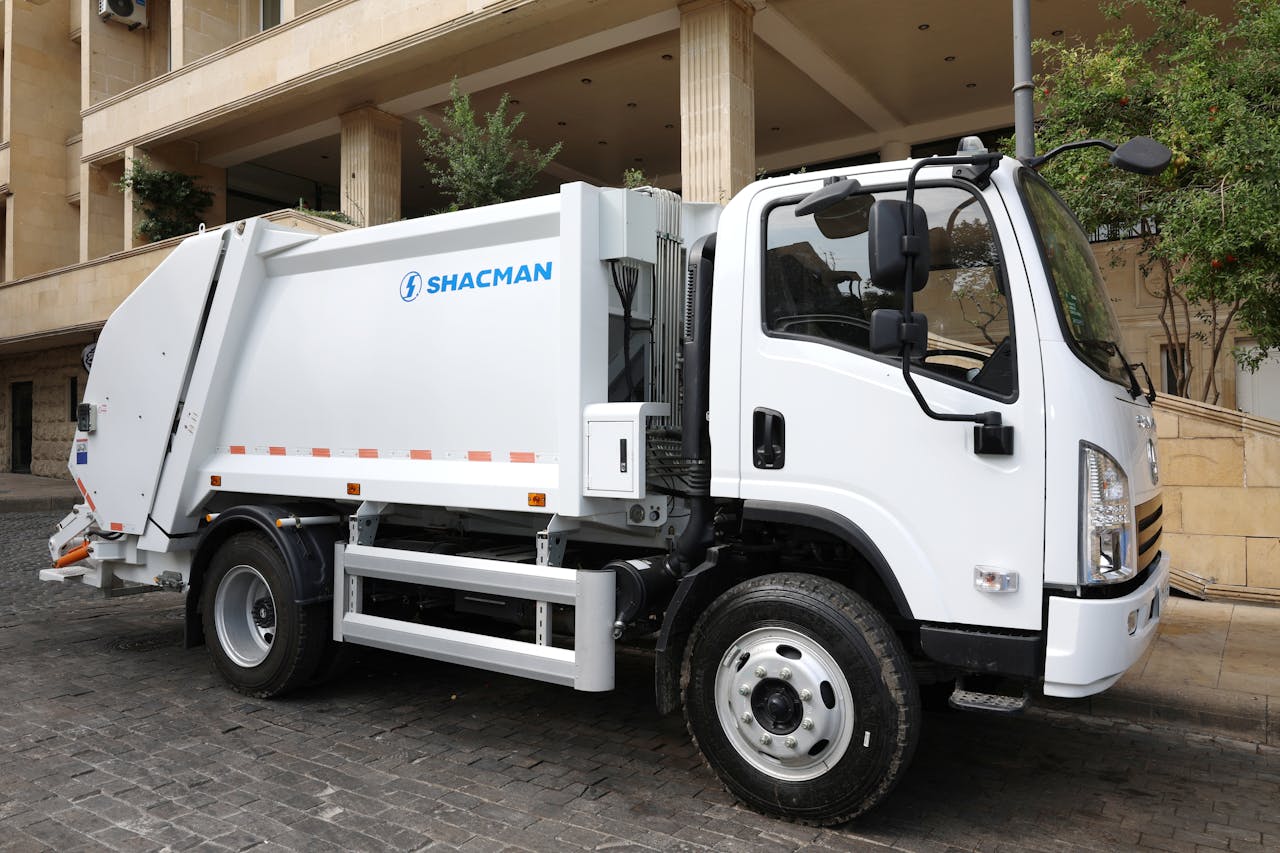
Understanding waste removal service costs in Cape Town

The Real Cost of Waste Removal Services in Cape Town

The cost of keeping a property clean and free from waste is something many homeowners and businesses underestimate until they need the service. Whether it’s after a renovation, a garden clean-up, or routine disposal, understanding what you’re actually paying for can make a significant difference in how you budget and plan. In cities where demand is high and regulations are strict, pricing can vary more than expected.

In a growing urban environment, managing waste responsibly is not just about convenience. It involves logistics, labour, compliance, and environmental considerations. Many people searching for waste removal Cape Town services are initially drawn to the lowest price, but that approach often overlooks the full picture.

To make informed decisions, it’s important to break down the real cost components behind these services. This allows you to compare quotes properly, avoid hidden fees, and ensure you’re getting both value and reliability rather than just a quick fix.

What Influences the Price of Waste Removal Services

Pricing is rarely a flat rate because waste removal involves several moving parts. The type of waste is one of the biggest cost drivers. General household waste is usually cheaper to remove than construction debris, hazardous materials, or bulky items like furniture and appliances.

Volume also plays a key role. Most service providers charge based on how much waste needs to be collected, often measured in cubic metres or truckload capacity. A small garden clean-up will naturally cost less than clearing out an entire property or construction site.

Accessibility is another factor that can affect pricing. If waste is easy to access and load, the job is quicker and requires less labour. However, properties with limited access, stairs, or tight spaces may increase the time and effort required, which is often reflected in the final cost.

Labour and Equipment Costs Explained

Behind every waste removal job is a team of workers and specialised equipment. Labour costs include the time it takes to load, transport, and dispose of the waste. This is especially relevant for heavier or more complex jobs that require additional manpower.

Vehicles and fuel also contribute to pricing. Trucks must be maintained, fuelled, and operated efficiently, particularly when covering longer distances. Rising fuel costs can have a direct impact on service rates, especially in areas that are further from disposal facilities.

In some cases, specialised equipment may be needed. This could include compactors, lifting tools, or protective gear for handling certain types of waste. These added requirements can increase the overall cost but are necessary for safe and compliant operations.

Disposal Fees and Environmental Compliance

One of the most overlooked aspects of waste removal pricing is disposal. Waste does not simply disappear after collection. It must be transported to designated facilities where it is sorted, processed, or disposed of according to local regulations.

Disposal sites often charge tipping fees based on the type and weight of the waste. Hazardous materials, for example, are more expensive to process due to the strict handling requirements involved. These costs are typically included in your quote but may not always be clearly itemised.

Environmental compliance is another critical factor. Reputable service providers follow regulations to ensure waste is handled responsibly. This includes recycling where possible and avoiding illegal dumping, which can carry heavy fines. While compliant services may cost slightly more, they protect you from potential legal and environmental risks.

Hidden Costs to Watch Out For

Not all quotes are as straightforward as they seem. Some providers may advertise low base rates but exclude additional charges that only become apparent later. This can lead to unexpected expenses that quickly push the total cost higher than anticipated.

Common hidden costs include extra charges for overweight loads, extended labour time, or specific types of waste that require special handling. Travel fees may also apply if your location falls outside a standard service area.

To avoid surprises, always ask for a detailed breakdown of what is included in the quote. Transparency is a strong indicator of a professional and trustworthy service provider.

Comparing Value Instead of Just Price

Choosing a waste removal service based solely on the lowest price can be misleading. A cheaper option may cut corners, lack proper licensing, or fail to dispose of waste responsibly. This can create more problems in the long run, including environmental harm or potential fines.

Instead, focus on overall value. This includes reliability, professionalism, and adherence to regulations. A slightly higher upfront cost can often translate into better service, faster turnaround times, and peace of mind.

Customer reviews and reputation also play a role in assessing value. Consistent positive feedback usually indicates a provider that delivers on its promises and handles waste responsibly.

When Waste Removal Becomes More Expensive

Certain situations naturally lead to higher costs. Emergency or same-day services often come at a premium due to the urgency and scheduling adjustments required. Similarly, large-scale projects like construction clean-ups involve more resources and coordination.

Seasonal demand can also affect pricing. Periods of increased activity, such as after major storms or during peak renovation seasons, may lead to higher rates due to limited availability.

Another factor is the type of client. Commercial projects often require ongoing services, compliance documentation, and stricter timelines, all of which can influence pricing structures compared to once-off residential jobs.

How to Reduce Your Waste Removal Costs

While some costs are unavoidable, there are ways to manage and potentially reduce your expenses. Planning ahead is one of the most effective strategies. Booking in advance allows you to avoid rush fees and secure better rates.

Sorting your waste can also make a difference. Separating recyclable materials from general waste may reduce disposal fees and improve efficiency during collection. This is particularly useful for larger projects where waste types vary.

Being clear about the scope of the job helps prevent misunderstandings and additional charges. Accurate information allows service providers to quote more precisely and allocate the right resources from the start.

Key Takeaways Before Hiring a Service

Before committing to a provider, it’s important to evaluate all aspects of the service rather than focusing on a single factor. The real cost goes beyond the initial quote and includes quality, compliance, and long-term impact.

Keep the following points in mind when comparing options:

  • Always request a detailed, itemised quote
  • Confirm what types of waste are included in the price
  • Check for proper licensing and compliance with local regulations
  • Consider the provider’s reputation and customer feedback
  • Avoid deals that seem unusually cheap without clear explanations

Understanding the full scope of what goes into pricing helps you make smarter decisions. When looking at waste removal in Cape Town, taking a balanced approach ensures you get reliable service without unnecessary expenses, while also contributing to responsible waste management in your community.

Couple watching TV after DStv Explora installation

Everything You Need to Know Before Booking a DStv Explora Installation

Booking a new decoder setup is not something most homeowners do often. Yet when the time comes, the decisions you make can affect your viewing experience for years. Modern satellite television systems are more advanced than many people realize. Signal quality, cabling standards, smart LNB compatibility, and proper configuration all matter.

Before committing to a DStv Explora installation, it is essential to understand what the process involves, what equipment is required, and how to ensure the job is done correctly and safely.

Understanding How the DStv Explora Works

The DStv Explora is not just a standard decoder. It is a Personal Video Recorder (PVR) designed to allow recording, pausing live TV, and accessing Catch Up services. Unlike older single-view decoders, it typically requires a Smart LNB or compatible multiswitch setup to unlock full functionality.

This means installation is more technical than simply mounting a satellite dish and connecting a cable. Signal splitting, correct frequency band allocation, and precise dish alignment are critical for optimal performance.

If these technical aspects are handled incorrectly, users may experience:

  • Signal loss during bad weather

  • Recording failures

  • Decoder reboot loops

  • Incomplete channel access

Because of this complexity, working with a trained and accredited installer is strongly recommended.

What Equipment Is Required

Before scheduling your appointment, confirm which components are included in your package and which may require upgrades.

A typical setup includes:

  1. Satellite dish (properly sized and aligned)

  2. Smart LNB compatible with Explora

  3. Approved coaxial cabling

  4. Wall brackets and mounting hardware

  5. The Explora decoder itself

In some homes, existing infrastructure can be reused. However, older LNBs or degraded cabling may not support full functionality. Installers often need to replace outdated components to ensure reliable signal strength and long-term stability.

If you live in a complex or sectional title property, you may also need permission from the body corporate before external installations are done.

Choosing a Qualified Installer

Satellite systems require technical precision. Improper alignment of even a few millimeters can reduce signal quality dramatically.

When selecting a technician, look for the following:

  1. Accreditation and registration with Multichoice

  2. Clear, written quotations

  3. Transparent explanation of equipment used

  4. Warranty on workmanship

  5. Positive client feedback

Avoid choosing purely based on price. Extremely low quotes may exclude essential components such as upgraded LNBs or high-quality cabling.

A reputable installer will inspect your property beforehand, evaluate signal line of sight, and explain whether roof mounting, wall mounting, or pole installation is most appropriate.

Site Assessment and Signal Positioning

One of the most overlooked aspects of a DStv Explora installation involves site evaluation. Satellite dishes require an unobstructed line of sight to the satellite. Trees, neighboring buildings, and even future construction plans can affect placement decisions.

An experienced technician will:

  • Test signal strength before final mounting

  • Ensure the dish is securely fixed to prevent wind damage

  • Route cabling neatly and safely

  • Seal entry points to prevent water leaks

Poor sealing around cable entry points can lead to water ingress, which may cause structural damage or electrical issues over time.

Understanding Costs and Avoiding Hidden Fees

Many homeowners underestimate the total cost of installation. The advertised decoder price often does not include mounting brackets, extra cabling, or signal boosters if required.

Before confirming your booking, ask for a breakdown that includes:

  1. Equipment costs

  2. Labour charges

  3. Call-out fees

  4. Any additional hardware required

  5. Warranty coverage details

Transparent pricing protects you from unexpected charges on the day of installation.

In some cases, additional cabling may be needed if your television location is far from the dish position. Complex routing through ceilings or walls can increase labour time.

Smart LNB vs Older Systems

Older satellite systems used dual-view or single-view LNBs that are not compatible with Explora’s advanced features. A Smart LNB is specifically designed to distribute multiple frequency bands through a single cable configuration.

Without the correct LNB, you may not be able to:

  • Record multiple channels simultaneously

  • Access Catch Up features

  • Enjoy uninterrupted viewing during recordings

Ensuring the correct LNB is installed at the outset avoids costly upgrades later.

Installation Day: What to Expect

On installation day, the technician will typically:

  1. Mount and align the satellite dish

  2. Install or upgrade the LNB

  3. Run cabling to the decoder

  4. Configure signal settings

  5. Test all channels and recording functions

This process usually takes between one to three hours, depending on property layout and infrastructure.

Homeowners should be present during setup to confirm TV positioning and verify that all features are functioning correctly before the installer leaves.

Post-Installation Checks and Maintenance

Once the system is active, take a few minutes to verify functionality.

Test live TV, pause and rewind functions, and scheduled recordings. Ensure remote control pairing is successful and that the signal strength indicator reflects stable reception.

Regular maintenance is minimal but important. Keep the dish free from debris and check for loose mounting brackets after severe storms.

If you notice signal disruption, avoid attempting to realign the dish yourself. Satellite positioning requires precision instruments and incorrect adjustments may worsen the issue.

Legal and Safety Considerations

Satellite installations involve working at height, electrical routing, and structural mounting. DIY attempts can pose safety risks and may void equipment warranties.

Professional installers follow safety standards, use proper mounting equipment, and ensure compliance with building regulations where applicable.

If you reside in a rental property, always obtain landlord approval before proceeding. Unauthorized installations may lead to penalties or removal costs.

Is Upgrading Worth It?

For many households, the Explora offers significant value through enhanced recording capabilities and on-demand content access. However, the quality of your viewing experience depends heavily on correct setup.

A properly executed DStv Explora installation ensures signal stability, optimal picture quality, and long-term reliability. Cutting corners at this stage often leads to frustration and additional expenses.

Before booking, take the time to evaluate equipment compatibility, installer credentials, and cost transparency. Ask detailed questions. Confirm warranties. Understand what is included.

By approaching the process with informed expectations, you reduce risk, protect your investment, and ensure that your entertainment system performs exactly as intended for years to come.