

Couple watching TV after DStv Explora installation

Everything You Need to Know Before Booking a DStv Explora Installation

Booking a new decoder setup is not something most homeowners do often. Yet when the time comes, the decisions you make can affect your viewing experience for years. Modern satellite television systems are more advanced than many people realize. Signal quality, cabling standards, smart LNB compatibility, and proper configuration all matter.

Before committing to a DStv Explora installation, it is essential to understand what the process involves, what equipment is required, and how to ensure the job is done correctly and safely.

Understanding How the DStv Explora Works

The DStv Explora is not just a standard decoder. It is a Personal Video Recorder (PVR) designed to allow recording, pausing live TV, and accessing Catch Up services. Unlike older single-view decoders, it typically requires a Smart LNB or compatible multiswitch setup to unlock full functionality.

This means installation is more technical than simply mounting a satellite dish and connecting a cable. Signal splitting, correct frequency band allocation, and precise dish alignment are critical for optimal performance.

If these technical aspects are handled incorrectly, users may experience:

  • Signal loss during bad weather

  • Recording failures

  • Decoder reboot loops

  • Incomplete channel access

Because of this complexity, working with a trained and accredited installer is strongly recommended.

What Equipment Is Required

Before scheduling your appointment, confirm which components are included in your package and which may require upgrades.

A typical setup includes:

  1. Satellite dish (properly sized and aligned)

  2. Smart LNB compatible with Explora

  3. Approved coaxial cabling

  4. Wall brackets and mounting hardware

  5. The Explora decoder itself

In some homes, existing infrastructure can be reused. However, older LNBs or degraded cabling may not support full functionality. Installers often need to replace outdated components to ensure reliable signal strength and long-term stability.

If you live in a complex or sectional title property, you may also need permission from the body corporate before external installations are done.

Choosing a Qualified Installer

Satellite systems require technical precision. Improper alignment of even a few millimeters can reduce signal quality dramatically.

When selecting a technician, look for the following:

  1. Accreditation and registration with Multichoice

  2. Clear, written quotations

  3. Transparent explanation of equipment used

  4. Warranty on workmanship

  5. Positive client feedback

Avoid choosing purely based on price. Extremely low quotes may exclude essential components such as upgraded LNBs or high-quality cabling.

A reputable installer will inspect your property beforehand, evaluate signal line of sight, and explain whether roof mounting, wall mounting, or pole installation is most appropriate.

Site Assessment and Signal Positioning

One of the most overlooked aspects of a DStv Explora installation involves site evaluation. Satellite dishes require an unobstructed line of sight to the satellite. Trees, neighboring buildings, and even future construction plans can affect placement decisions.

An experienced technician will:

  • Test signal strength before final mounting

  • Ensure the dish is securely fixed to prevent wind damage

  • Route cabling neatly and safely

  • Seal entry points to prevent water leaks

Poor sealing around cable entry points can lead to water ingress, which may cause structural damage or electrical issues over time.

Understanding Costs and Avoiding Hidden Fees

Many homeowners underestimate the total cost of installation. The advertised decoder price often does not include mounting brackets, extra cabling, or signal boosters if required.

Before confirming your booking, ask for a breakdown that includes:

  1. Equipment costs

  2. Labour charges

  3. Call-out fees

  4. Any additional hardware required

  5. Warranty coverage details

Transparent pricing protects you from unexpected charges on the day of installation.

In some cases, additional cabling may be needed if your television location is far from the dish position. Complex routing through ceilings or walls can increase labour time.

Smart LNB vs Older Systems

Older satellite systems used dual-view or single-view LNBs that are not compatible with Explora’s advanced features. A Smart LNB is specifically designed to distribute multiple frequency bands through a single cable configuration.

Without the correct LNB, you may not be able to:

  • Record multiple channels simultaneously

  • Access Catch Up features

  • Enjoy uninterrupted viewing during recordings

Ensuring the correct LNB is installed at the outset avoids costly upgrades later.

Installation Day: What to Expect

On installation day, the technician will typically:

  1. Mount and align the satellite dish

  2. Install or upgrade the LNB

  3. Run cabling to the decoder

  4. Configure signal settings

  5. Test all channels and recording functions

This process usually takes between one to three hours, depending on property layout and infrastructure.

Homeowners should be present during setup to confirm TV positioning and verify that all features are functioning correctly before the installer leaves.

Post-Installation Checks and Maintenance

Once the system is active, take a few minutes to verify functionality.

Test live TV, pause and rewind functions, and scheduled recordings. Ensure remote control pairing is successful and that the signal strength indicator reflects stable reception.

Regular maintenance is minimal but important. Keep the dish free from debris and check for loose mounting brackets after severe storms.

If you notice signal disruption, avoid attempting to realign the dish yourself. Satellite positioning requires precision instruments and incorrect adjustments may worsen the issue.

Legal and Safety Considerations

Satellite installations involve working at height, electrical routing, and structural mounting. DIY attempts can pose safety risks and may void equipment warranties.

Professional installers follow safety standards, use proper mounting equipment, and ensure compliance with building regulations where applicable.

If you reside in a rental property, always obtain landlord approval before proceeding. Unauthorized installations may lead to penalties or removal costs.

Is Upgrading Worth It?

For many households, the Explora offers significant value through enhanced recording capabilities and on-demand content access. However, the quality of your viewing experience depends heavily on correct setup.

A properly executed DStv Explora installation ensures signal stability, optimal picture quality, and long-term reliability. Cutting corners at this stage often leads to frustration and additional expenses.

Before booking, take the time to evaluate equipment compatibility, installer credentials, and cost transparency. Ask detailed questions. Confirm warranties. Understand what is included.

By approaching the process with informed expectations, you reduce risk, protect your investment, and ensure that your entertainment system performs exactly as intended for years to come.
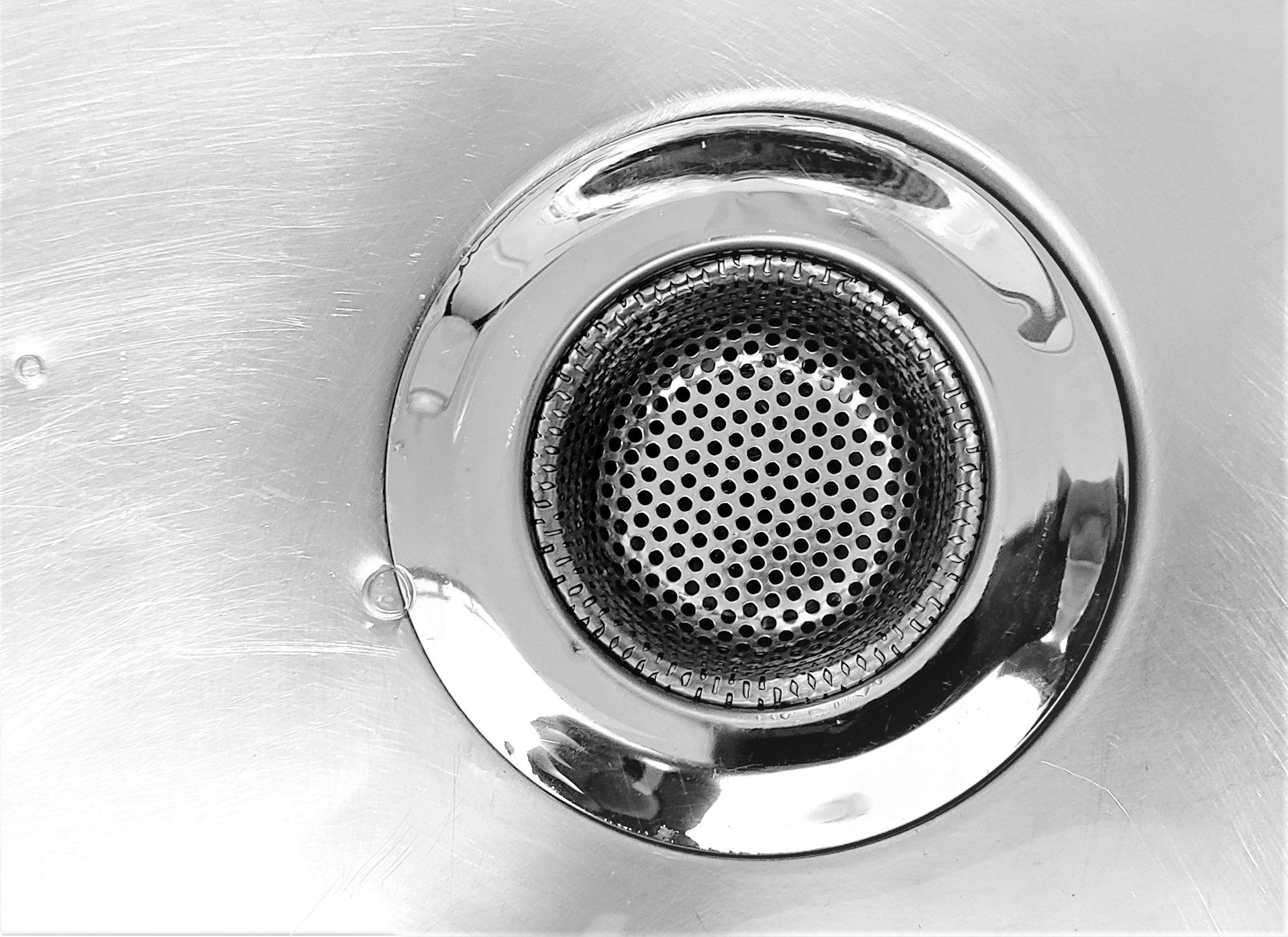
close-up of a clogged drain being cleaned

Drain Cleaning vs. DIY Unclogging: When to Call a Professional Plumber

Blocked sinks and slow-moving drains are more than a minor inconvenience. They disrupt daily routines, create unpleasant odours, and can signal deeper plumbing issues developing out of sight. Many homeowners initially reach for household remedies before considering professional drain cleaning, hoping for a quick and inexpensive fix.

In some cases, a simple blockage can be resolved without outside help. In others, what appears to be a minor clog may be the early warning sign of structural pipe damage, invasive tree roots, or years of accumulated debris. Understanding the difference is essential, especially when plumbing systems form part of your home’s long-term value and safety.

Knowing when to attempt a DIY solution and when to call a qualified plumber protects both your property and your budget. Acting too late can lead to burst pipes, water damage, or even health risks from sewage backups. Making informed decisions ensures your drainage system continues to function efficiently and safely.

Understanding What Causes Drain Blockages

Most household blockages develop gradually. Grease, soap residue, food scraps, hair, mineral buildup, and foreign objects slowly accumulate along pipe walls. Over time, the internal diameter of the pipe narrows until water can no longer pass freely.

In kitchens, grease and oils are frequent culprits. These substances may flow easily when hot but solidify as they cool, trapping other debris. Bathrooms present a different challenge, where hair combines with soap scum to form dense obstructions.

Outside the home, underground drainage lines face additional risks. Tree roots can penetrate small cracks in pipes, expanding as they grow and restricting water flow. Shifting soil and aging materials may also cause pipe misalignment or collapse.

Recognising the underlying cause determines whether a simple remedy will work or whether professional intervention is necessary.

When DIY Unclogging Can Be Effective

Minor clogs near the surface often respond well to basic household tools. If water drains slowly but does not completely back up, the blockage may be close to the fixture.

Homeowners commonly try:

  • A plunger to create pressure and dislodge debris

  • A drain snake or auger for shallow blockages

  • Removing and cleaning the P-trap beneath sinks

  • Hot water flushing for mild grease buildup

These methods are generally safe when used correctly and can restore normal flow in uncomplicated cases.

However, caution is critical. Chemical drain cleaners may promise instant results, but repeated use can corrode pipes, weaken joints, and create environmental hazards. In older plumbing systems, harsh chemicals may accelerate deterioration rather than solve the problem.

DIY approaches are best reserved for isolated, minor clogs. If symptoms persist or worsen, further action is required.

Warning Signs That Indicate a Deeper Problem

Certain symptoms suggest the issue extends beyond a simple blockage. Ignoring these warning signs can allow small issues to escalate into major repairs.

Watch for:

  • Multiple fixtures draining slowly at the same time

  • Gurgling sounds from toilets or sinks

  • Water backing up into showers or tubs

  • Persistent foul odours

  • Recurring clogs despite repeated attempts to clear them

These signs often point to a blockage in the main sewer line or a structural defect within the plumbing system. Professional assessment becomes essential at this stage.

Delaying proper intervention increases the risk of overflow and contamination. Sewage backups, in particular, pose serious health risks due to bacteria and harmful pathogens.

The Advantages of Professional Drain Cleaning

When a blockage is complex or deeply embedded, specialised equipment makes the difference. Professional plumbers use advanced diagnostic tools such as drain cameras to inspect pipes internally. This eliminates guesswork and identifies the exact source of the problem.

High-pressure hydro jetting systems can remove years of hardened grease, sludge, and mineral buildup without damaging pipe walls. Mechanical augers designed for heavy-duty use reach further than consumer-grade tools and clear obstructions more thoroughly.

Professional drain cleaning also addresses root causes rather than symptoms. If tree roots are present, a plumber can recommend long-term solutions such as pipe repair or replacement.

Most importantly, professional service reduces the likelihood of recurring problems. While DIY fixes may offer temporary relief, expert treatment restores full pipe capacity and improves overall system performance.

Financial Considerations: Short-Term Savings vs. Long-Term Costs

DIY unclogging appears cost-effective at first glance. Basic tools are affordable, and many homeowners prefer to avoid service fees.

Yet repeated attempts can increase costs over time. Purchasing multiple chemical treatments, renting equipment, or repairing accidental pipe damage can quickly exceed the price of a professional visit.

Water damage resulting from unresolved blockages is significantly more expensive. Repairs to flooring, cabinetry, and structural components often involve thousands in restoration costs.

Investing in professional care early may prevent larger financial burdens later. Proper maintenance protects both property value and household hygiene.

Health and Safety Implications

Blocked drains are not merely inconvenient. Standing water becomes a breeding ground for bacteria and insects. Sewage exposure can cause gastrointestinal illness, respiratory issues, and skin irritation.

Chemical cleaners introduce additional hazards. Fumes may irritate lungs and eyes, especially in poorly ventilated spaces. Accidental splashes can cause burns.

Professional plumbers are trained to handle hazardous situations safely. Protective equipment and industry protocols minimise risk during repairs.

When health concerns arise, prioritising safety over short-term savings is a prudent decision.

Preventative Measures to Reduce Future Blockages

Prevention remains the most effective strategy for maintaining a healthy plumbing system. Small changes in daily habits significantly reduce clog formation.

Practical prevention steps include:

  • Avoid pouring grease or oil down sinks

  • Install drain strainers to catch hair and debris

  • Flush drains periodically with hot water

  • Schedule periodic inspections for older plumbing systems

Routine maintenance extends pipe lifespan and reduces emergency calls. In properties with mature trees, regular inspections help detect root intrusion before severe damage occurs.

A proactive approach reduces stress and protects infrastructure.

Making the Right Call for Your Home

The decision between DIY methods and professional assistance depends on severity, recurrence, and overall system condition. Minor surface clogs may respond to simple tools. Persistent or widespread issues demand expert evaluation.

When multiple warning signs appear, relying solely on household remedies risks escalating damage. Plumbing systems are interconnected; what seems isolated may affect the broader network.

Experienced plumbers provide accurate diagnostics, durable solutions, and compliance with building standards. Their expertise ensures that underlying issues are resolved, not masked.

Addressing drainage concerns promptly supports household hygiene, structural integrity, and long-term property value. Thoughtful decision-making today prevents costly complications tomorrow, keeping your plumbing system reliable and efficient for years to come.

plumbers near me

Preventing Water Damage with Digital Leak Detection Solutions

Water leaks can be a homeowner’s worst nightmare, leading to costly repairs, wasted water, and potential damage to your property. Traditional methods of finding leaks often involve guesswork, disruption, and extensive labor. Digital leak detection, on the other hand, offers a non-invasive, accurate, and efficient solution to pinpoint leaks before they escalate into major problems. In this article, we’ll explore how digital leak detection works, its benefits, and why it’s worth considering as a long-term investment.

Understanding Digital Leak Detection

Digital leak detection is a modern method that uses advanced technology to locate leaks in plumbing systems without the need for invasive measures. It employs tools such as acoustic sensors, infrared cameras, and moisture detectors to identify leaks with precision.

When you call plumbers near me who specialize in digital leak detection, they use these tools to assess your plumbing system. Unlike traditional methods that might require cutting through walls or digging into floors, digital detection minimizes disruption and provides accurate results in a fraction of the time.

The Technology Behind Digital Leak Detection

Digital leak detection combines various technologies to ensure leaks are identified accurately and efficiently:

  1. Acoustic Sensors
    These sensors pick up sound waves generated by water escaping from pipes. Plumbers analyze these sounds to determine the exact location of a leak, even if it’s underground or behind walls.
  2. Infrared Cameras
    Infrared imaging detects temperature variations caused by moisture. It’s particularly effective in locating leaks hidden within walls or ceilings, as the camera highlights damp or wet areas.
  3. Moisture Meters
    These devices measure the moisture content in materials such as drywall or flooring, helping plumbers detect hidden leaks that may not yet show visible signs of damage.
  4. Pressure Testing
    Plumbers can also use pressure gauges to identify inconsistencies in water pressure, indicating a potential leak.

With these tools, plumbers near me can detect leaks early, preventing further damage and unnecessary expenses.

Why Digital Leak Detection Is Worth the Investment

Investing in digital leak detection services may seem like an added expense, but its long-term benefits make it a cost-effective solution. Here’s why:

  1. Cost Savings
    Undetected leaks can lead to skyrocketing water bills and costly repairs. Digital leak detection ensures leaks are caught early, reducing water waste and preventing structural damage to your home.
  2. Non-Invasive Process
    Traditional methods of finding leaks often involve tearing through walls or digging up floors, which can be disruptive and expensive. Digital detection offers a precise, non-invasive alternative that minimizes property damage.
  3. Time Efficiency
    With advanced tools, leaks can be located quickly and accurately. This efficiency reduces labor costs and ensures your plumbing system is back to normal in no time.
  4. Environmental Impact
    Conserving water is essential for the environment. By addressing leaks promptly with the help of plumbers near me, you contribute to water conservation efforts while lowering your utility bills.
  5. Preventing Mold and Mildew
    Undetected leaks can lead to damp conditions that promote the growth of mold and mildew. Digital detection helps maintain a healthier home environment by addressing leaks before they cause secondary issues.

When to Consider Digital Leak Detection

Certain signs indicate it’s time to call plumbers near me for digital leak detection. These include:

  • Unexpectedly high water bills
  • Damp spots or discoloration on walls, ceilings, or floors
  • Reduced water pressure in your taps or showers
  • The sound of running water when all taps are off
  • Persistent moldy odors

Addressing these signs promptly can save you from more extensive damage and expenses.

Choosing the Right Plumbers Near Me for Digital Leak Detection

Not all plumbers offer digital leak detection services, so finding the right professional is crucial. Here are some tips for selecting the best service provider:

  1. Experience and Expertise
    Look for plumbers who have experience with digital leak detection and a track record of successful cases.
  2. Advanced Equipment
    Ensure the plumbers use state-of-the-art tools and technology to deliver accurate results.
  3. Customer Reviews
    Check online reviews or ask for recommendations to find trusted plumbers near me who provide excellent service.
  4. Transparent Pricing
    A reputable plumber will provide clear pricing and explain the costs involved in the digital detection process.

Digital leak detection is a game-changer in modern plumbing, offering precise and non-invasive solutions to detect leaks. By investing in this technology, homeowners can save money, protect their property, and contribute to water conservation efforts. The benefits far outweigh the costs, making it a worthwhile investment for any household.

If you’re experiencing signs of a potential leak, don’t wait for the problem to worsen. Reach out to plumbers near me who specialize in digital leak detection and take the first step toward safeguarding your home’s plumbing system. With the right tools and expertise, you can enjoy peace of mind knowing your plumbing is in optimal condition.

plumbers near me

Common Indicators of Hidden Water Leaks and What to Do

Water leakages can trigger substantial damage to your residential or commercial property if left undiscovered. While some leakages show up and simple to repair, others might stay surprise behind walls, under floorings, or within your pipes system. These surprise leakages typically go undetected without the assistance of plumbing professionals near me, till they result in pricey repair work or water damage. Identifying the indications early and understanding what actions to take can conserve you both money and time.

Common Signs of a Hidden Water Leak

  1. Unexplained Increase in Water Bills
    One of the very first indications of a covert water leakage is an unforeseen spike in your water expenses. If your use routines haven’t altered however the expenses have actually increased significantly, it’s time to examine. Hidden leakages can squander numerous gallons of water monthly, affecting your financial resources and the environment.
  2. Water Stains or Discoloration
    Keep an eye out for water discolorations on ceilings, walls, or floorings. Discoloration, such as yellow or brown areas, typically signifies wetness caught in these locations. Over time, this can result in mold development, weakening of structural parts, and an undesirable smell.
  3. Reduced Water Pressure
    If you see an unexpected drop in water pressure in your faucets or shower, it might be due to a leakage. Hidden leakages typically interrupt the typical circulation of water through your pipelines, triggering irregular pressure.
  4. Mold or Mildew Growth
    Mold prospers in damp environments, and even a little leakage can develop the ideal conditions for development. If you find mold or mildew in locations that ought to stay dry, like walls or ceilings, it’s a clear indication of a prospective surprise leakage.
  5. Sound of Running Water
    Hearing water running when no taps are open is another warning. This might show a leakage within your pipes system. Pay attention to sounds originating from behind walls or under floorings.
  6. Unusual Odors
    A moldy or wet odor in specific locations of your home is a dead giveaway of a covert water leakage. These smells typically arise from stagnant water or mold triggered by relentless leakages.
  7. Warm Spots on Floors
    For homes with piece structures, warm areas on the flooring can show a warm water line leakage. This kind of leakage can likewise trigger fractures in your floor covering or structure if not attended to without delay with plumbing professionals near me.

What to Do If You Suspect a Hidden Leak

Once you’ve determined indications of a prospective surprise leakage, taking instant action is vital. Here’s a detailed guide:

  1. Confirm the Leak
    Before employing experts, carry out an easy test. Turn off all water components and inspect your water meter. If the meter continues to move, it’s a clear indicator of a leakage.
  2. Inspect Visible Plumbing
    Examine noticeable pipelines under sinks or behind toilets for indications of leaking or deterioration. While this won’t expose surprise leakages, it can dismiss easier problems.
  3. Hire Professionals
    Hidden leakages need knowledge to find and repair. Search online for plumbers near me to discover competent experts in your location. Experienced plumbing professionals utilize sophisticated tools like thermal imaging or acoustic gadgets to identify the precise place of leakages without triggering unneeded damage to your residential or commercial property.
  4. Turn Off the Water Supply
    If the leakage appears serious, shut down your home’s primary water valve to avoid additional damage till assistance shows up. This action is specifically essential if water is pooling noticeably or triggering structural damage.
  5. Document the Damage
    Take photos of water discolorations, mold, or other noticeable impacts of the leakage. This documents can be practical for insurance coverage claims and guarantees you’re properly made up for repair work.
  6. Schedule Repairs and Maintenance
    Once the plumbing technician recognizes the issue, make sure the needed repair work are finished without delay. Additionally, think about scheduling regular upkeep to avoid future leakages.

Preventing Hidden Water Leaks

Prevention is constantly much better than treatment. Here are some proactive steps to keep surprise water leakages at bay:

  • Regular Inspections: Periodically check noticeable pipes for wear and tear. Look for loose connections, rust, or indications of water seepage.
  • Monitor Water Bills: Consistently high water expenses might show a hidden problem. Keep track of your use and compare month-to-month expenses.
  • Install Leak Detectors: Smart leakage detection systems can notify you to problems early, decreasing damage and repair work expenses.
  • Maintain Appliances: Appliances like dishwashing machines and cleaning makers can establish leakages. Inspect tubes and connections routinely to guarantee they’re safe.

Why Timely Action Is Essential

Delaying action on a covert water leakage can result in substantial water damage, greater repair work expenses, and health threats due to mold direct exposure. Searching for plumbing professionals near me at the very first indication of problem makes sure that leakages are attended to expertly and effectively.

By recognizing the indications of surprise water leakages and taking timely action, you can safeguard your home and save money on pricey repair work. Don’t think twice to look for assistance from relied on experts in your location to secure your residential or commercial property and keep comfort.

Alberton plumbers

Uncovering and Fixing Hidden Water Leaks: A Homeowner’s Guide

Hidden water leakages can trigger substantial damage to your home if not discovered and fixed immediately. These leakages can result in mold development, structural damage, and high water costs. Detecting and repairing concealed leakages needs a mix of alertness, correct tools, and expert help. In this short article, we will check out different techniques to recognize concealed water leakages and supply services to repair them, highlighting the value of consulting Alberton plumbing technicians and other dependable plumbing technicians near me.

Common Signs of Hidden Water Leaks

The initial step in finding concealed water leakages is to acknowledge the typical indications. Being knowledgeable about these indications can assist you take timely action and avoid more damage.

  1. Unexplained Increase in Water Bills: An abrupt spike in your water expense without a matching boost in use is a strong indication of a concealed leakage. Monitor your water costs carefully to find any uncommon modifications.
  2. Damp or Discolored Walls and Ceilings: Damp spots, staining, or peeling paint on walls and ceilings can be indications of water dripping behind the surface areas. These locations might feel damp or cold to the touch.
  3. Mold and Mildew Growth: Hidden leakages develop wet environments that are perfect for mold and mildew development. If you discover a moldy odor or noticeable mold in specific locations, it might be due to a concealed leakage.
  4. Sound of Running Water: Hearing the noise of running water when all taps are switched off is a clear sign of a concealed leakage. This sound typically originates from within the walls or under the floorings.

DO IT YOURSELF Methods to Detect Hidden Leaks

While expert assistance is typically needed, there are numerous do it yourself techniques you can utilize to discover concealed water leakages in your house.

  1. Check the Water Meter: One of the most basic methods to discover a concealed leakage is to inspect your water meter. Turn off all water-using home appliances and faucets in your house, then observe the meter. If the meter continues to run, you likely have a concealed leakage.
  2. Use Food Coloring: To discover leakages in toilets, include a couple of drops of food coloring to the toilet tank. Wait for about thirty minutes without flushing. If the color appears in the bowl, there is a leakage in the toilet.
  3. Inspect Visible Pipes: Regularly check noticeable pipelines under sinks, behind toilets, and in basements for any indications of wetness, rust, or mold. Even little leakages can suggest bigger concealed problems.

When to Call the Professionals

While do it yourself techniques can be practical, specific scenarios need the knowledge of expert plumbing technicians. Knowing when to call Randburg plumbing technicians can conserve you time, cash, and avoid substantial damage.

  1. Persistent Dampness: If you discover consistent wetness or water discolorations that you cannot trace to a particular source, it is best to hire expert plumbing technicians near me. They have actually specialized tools to discover concealed leakages precisely.
  2. Recurring Mold Issues: If mold and mildew keep returning regardless of your efforts to tidy and avoid them, there is likely a concealed leakage that requires expert attention. Mold can position severe health threats, making it important to resolve the underlying cause.
  3. High Water Bills: If your water costs stay high regardless of all efforts to save water, a concealed leakage may be the offender. Professional plumbing technicians can perform comprehensive examinations to recognize and fix the leakage.

Fixing Hidden Water Leaks

Once a concealed leakage is discovered, repairing it immediately is vital to avoid more damage. Here are some typical techniques utilized by experts to fix concealed water leakages:

  1. Pipe Replacement: For seriously harmed or rusty pipelines, replacement is typically the very best option. Randburg plumbing technicians and Alberton plumbers can evaluate the degree of the damage and change the afflicted pipelines effectively.
  2. Epoxy Pipe Lining: This technique includes finish the within broken pipelines with an epoxy resin, which seals the leakages and avoids more rust. It is a less intrusive and economical option compared to pipeline replacement.
  3. Leak Detection Devices: Installing leakage detection gadgets in your pipes system can supply early cautions of possible leakages. These gadgets can be linked to your mobile phone, enabling you to monitor your pipes system from another location and get signals if a leakage is discovered.

Preventative Measures to Avoid Future Leaks

Preventing future leakages is simply as crucial as repairing existing ones. Implementing preventative steps can conserve you from the inconvenience and expense of handling concealed water leakages.

  1. Regular Inspections: Schedule routine pipes examinations with expert plumbing technicians near me. These examinations can recognize possible problems before they end up being significant issues.
  2. Maintain Water Pressure: High water pressure can worry your pipes system and trigger leakages. Use a water pressure regulator to keep optimum pressure levels in your house.
  3. Insulate Pipes: Insulate exposed pipelines to avoid them from freezing and breaking throughout winter. This basic action can avoid expensive water damage.

Hidden water leakages can damage your home, however with alert detection and prompt repair work, you can reduce the damage. By acknowledging the indications of concealed leakages, utilizing do it yourself techniques, and understanding when to call Randburg plumbing technicians, Alberton plumbing technicians, or other plumbing technicians near me, you can secure your home from water damage. Remember to carry out preventative steps to prevent future leakages and keep a healthy pipes system.