
Legal and municipal requirements for successful property rezoning approval

Legal and Municipal Requirements for Rezoning Property Successfully

Land development in South Africa is closely regulated to ensure that urban growth remains structured, sustainable, and aligned with public interest. Whether for residential expansion, commercial redevelopment, or mixed-use projects, understanding how planning systems operate is essential before making any property changes.

One of the most important considerations for landowners and developers is how zoning laws influence what can and cannot be built on a site. These rules are not static and can be changed through formal municipal processes, but only under strict legal conditions.

Before submitting any application, it is critical to understand how the process works and what authorities expect when assessing a request for changing land use rights. A well-prepared approach can significantly improve the chances of approval, while incomplete submissions often result in delays or refusals, particularly when dealing with rezoning property requests.

Understanding municipal land use control systems

Municipal planning systems exist to regulate how land is developed and used within a specific jurisdiction. These systems are guided by national legislation, municipal zoning schemes, and spatial development frameworks that aim to balance growth with environmental and social needs.

In practice, zoning determines whether land is designated for residential, commercial, agricultural, industrial, or mixed-use purposes. Any deviation from the approved zoning requires formal approval through a structured application process reviewed by local authorities, such as planning departments within municipalities.

In cities like Cape Town, land use management is particularly detailed due to rapid urban growth and competing development pressures. Applicants are expected to demonstrate that proposed changes align with long-term planning goals and will not negatively impact surrounding communities.

A successful application is not simply about requesting a change; it is about proving compatibility with broader municipal strategies, infrastructure capacity, and environmental considerations.

Legal framework governing land use changes

The legal foundation for land use change applications is rooted in national and municipal legislation. These laws define what information must be submitted, how applications are assessed, and what criteria must be met before approval is granted.

The following steps typically form part of the formal legal process:

  1. Pre-application consultation with municipal planning officials to confirm requirements and identify potential constraints
  2. Appointment of a qualified land use or town planning professional to prepare documentation and motivation reports
  3. Submission of a formal application with supporting drawings, site plans, and land use motivation statements
  4. Public participation process, where affected parties are notified and allowed to comment or object
  5. Assessment by municipal planning committees, considering spatial policies and legal compliance
  6. Final decision issued by the authorized municipal decision-making body
  7. Appeal period, where applicable, if the application is refused or conditions are disputed

Each stage must be handled carefully, as missing documentation or procedural errors can invalidate the application or delay approval significantly.

At this stage, many applicants underestimate the complexity involved in rezoning property processes, particularly the need for alignment between legal requirements and spatial planning objectives. The outcome is heavily influenced by how well the application is prepared and justified.

Municipal approval considerations and planning alignment

Municipal authorities evaluate applications based on several key factors that go beyond simple land ownership rights. These include infrastructure capacity, traffic impact, environmental sensitivity, and compatibility with surrounding land uses.

Planning officials assess whether the proposed development supports integrated urban growth and whether it aligns with approved spatial development frameworks. If an application conflicts with these policies, it is unlikely to succeed without substantial justification or redesign.

In many cases, applicants seek professional assistance to ensure compliance with technical requirements and to strengthen the motivation behind the proposal. This is particularly important when dealing with complex land parcels or sensitive areas where development pressure is high.

A well-prepared submission for rezoning property is typically supported by detailed planning reports, environmental assessments (where required), and clear explanations of public benefit or economic value.

Common compliance risks and procedural challenges

Although the process is clearly defined, many applications face challenges due to avoidable mistakes or insufficient preparation. Understanding these risks can improve the likelihood of a successful outcome.

Common issues include:

  • Incomplete or inaccurate application documentation submitted to the municipality
  • Failure to engage with surrounding property owners during the public participation process
  • Misalignment between the proposed development and municipal spatial planning frameworks
  • Overlooking environmental regulations or heritage restrictions that apply to the site
  • Underestimating infrastructure limitations such as water, sewage, or road access capacity
  • Submitting applications without professional planning input or technical reports

These challenges can lead to delays, additional information requests, or outright refusals. In some cases, applicants must restart the process entirely, resulting in significant time and financial loss.

Proper due diligence is therefore essential before proceeding with any land use change request, especially where rezoning property is involved in high-density or strategically important areas.

Strategic planning and improving approval outcomes

Successful land use applications are typically the result of careful preparation, professional input, and strong alignment with municipal objectives. Authorities are more likely to approve proposals that demonstrate clear public benefit, efficient land use, and minimal disruption to surrounding areas.

Engaging early with municipal officials can help identify potential issues before submission. This allows applicants to adjust proposals in advance, reducing the likelihood of rejection later in the process.

It is also important to consider long-term implications rather than focusing solely on immediate development goals. Well-planned projects contribute to sustainable urban growth and are viewed more favourably during assessment.

Applicants who approach rezoning property strategically, with a clear understanding of legal frameworks and planning expectations, generally experience smoother approval processes and fewer administrative setbacks.

Ultimately, land use change is not just a procedural exercise but a structured evaluation of how land fits into the broader urban environment. Careful preparation, regulatory awareness, and professional guidance remain key factors in achieving successful outcomes.

Couple watching TV after DStv Explora installation

Everything You Need to Know Before Booking a DStv Explora Installation

Booking a new decoder setup is not something most homeowners do often. Yet when the time comes, the decisions you make can affect your viewing experience for years. Modern satellite television systems are more advanced than many people realize. Signal quality, cabling standards, smart LNB compatibility, and proper configuration all matter.

Before committing to a DStv Explora installation, it is essential to understand what the process involves, what equipment is required, and how to ensure the job is done correctly and safely.

Understanding How the DStv Explora Works

The DStv Explora is not just a standard decoder. It is a Personal Video Recorder (PVR) designed to allow recording, pausing live TV, and accessing Catch Up services. Unlike older single-view decoders, it typically requires a Smart LNB or compatible multiswitch setup to unlock full functionality.

This means installation is more technical than simply mounting a satellite dish and connecting a cable. Signal splitting, correct frequency band allocation, and precise dish alignment are critical for optimal performance.

If these technical aspects are handled incorrectly, users may experience:

  • Signal loss during bad weather

  • Recording failures

  • Decoder reboot loops

  • Incomplete channel access

Because of this complexity, working with a trained and accredited installer is strongly recommended.

What Equipment Is Required

Before scheduling your appointment, confirm which components are included in your package and which may require upgrades.

A typical setup includes:

  1. Satellite dish (properly sized and aligned)

  2. Smart LNB compatible with Explora

  3. Approved coaxial cabling

  4. Wall brackets and mounting hardware

  5. The Explora decoder itself

In some homes, existing infrastructure can be reused. However, older LNBs or degraded cabling may not support full functionality. Installers often need to replace outdated components to ensure reliable signal strength and long-term stability.

If you live in a complex or sectional title property, you may also need permission from the body corporate before external installations are done.

Choosing a Qualified Installer

Satellite systems require technical precision. Improper alignment of even a few millimeters can reduce signal quality dramatically.

When selecting a technician, look for the following:

  1. Accreditation and registration with Multichoice

  2. Clear, written quotations

  3. Transparent explanation of equipment used

  4. Warranty on workmanship

  5. Positive client feedback

Avoid choosing purely based on price. Extremely low quotes may exclude essential components such as upgraded LNBs or high-quality cabling.

A reputable installer will inspect your property beforehand, evaluate signal line of sight, and explain whether roof mounting, wall mounting, or pole installation is most appropriate.

Site Assessment and Signal Positioning

One of the most overlooked aspects of a DStv Explora installation involves site evaluation. Satellite dishes require an unobstructed line of sight to the satellite. Trees, neighboring buildings, and even future construction plans can affect placement decisions.

An experienced technician will:

  • Test signal strength before final mounting

  • Ensure the dish is securely fixed to prevent wind damage

  • Route cabling neatly and safely

  • Seal entry points to prevent water leaks

Poor sealing around cable entry points can lead to water ingress, which may cause structural damage or electrical issues over time.

Understanding Costs and Avoiding Hidden Fees

Many homeowners underestimate the total cost of installation. The advertised decoder price often does not include mounting brackets, extra cabling, or signal boosters if required.

Before confirming your booking, ask for a breakdown that includes:

  1. Equipment costs

  2. Labour charges

  3. Call-out fees

  4. Any additional hardware required

  5. Warranty coverage details

Transparent pricing protects you from unexpected charges on the day of installation.

In some cases, additional cabling may be needed if your television location is far from the dish position. Complex routing through ceilings or walls can increase labour time.

Smart LNB vs Older Systems

Older satellite systems used dual-view or single-view LNBs that are not compatible with Explora’s advanced features. A Smart LNB is specifically designed to distribute multiple frequency bands through a single cable configuration.

Without the correct LNB, you may not be able to:

  • Record multiple channels simultaneously

  • Access Catch Up features

  • Enjoy uninterrupted viewing during recordings

Ensuring the correct LNB is installed at the outset avoids costly upgrades later.

Installation Day: What to Expect

On installation day, the technician will typically:

  1. Mount and align the satellite dish

  2. Install or upgrade the LNB

  3. Run cabling to the decoder

  4. Configure signal settings

  5. Test all channels and recording functions

This process usually takes between one to three hours, depending on property layout and infrastructure.

Homeowners should be present during setup to confirm TV positioning and verify that all features are functioning correctly before the installer leaves.

Post-Installation Checks and Maintenance

Once the system is active, take a few minutes to verify functionality.

Test live TV, pause and rewind functions, and scheduled recordings. Ensure remote control pairing is successful and that the signal strength indicator reflects stable reception.

Regular maintenance is minimal but important. Keep the dish free from debris and check for loose mounting brackets after severe storms.

If you notice signal disruption, avoid attempting to realign the dish yourself. Satellite positioning requires precision instruments and incorrect adjustments may worsen the issue.

Legal and Safety Considerations

Satellite installations involve working at height, electrical routing, and structural mounting. DIY attempts can pose safety risks and may void equipment warranties.

Professional installers follow safety standards, use proper mounting equipment, and ensure compliance with building regulations where applicable.

If you reside in a rental property, always obtain landlord approval before proceeding. Unauthorized installations may lead to penalties or removal costs.

Is Upgrading Worth It?

For many households, the Explora offers significant value through enhanced recording capabilities and on-demand content access. However, the quality of your viewing experience depends heavily on correct setup.

A properly executed DStv Explora installation ensures signal stability, optimal picture quality, and long-term reliability. Cutting corners at this stage often leads to frustration and additional expenses.

Before booking, take the time to evaluate equipment compatibility, installer credentials, and cost transparency. Ask detailed questions. Confirm warranties. Understand what is included.

By approaching the process with informed expectations, you reduce risk, protect your investment, and ensure that your entertainment system performs exactly as intended for years to come.

close-up of a clogged drain being cleaned

Drain Cleaning vs. DIY Unclogging: When to Call a Professional Plumber

Blocked sinks and slow-moving drains are more than a minor inconvenience. They disrupt daily routines, create unpleasant odours, and can signal deeper plumbing issues developing out of sight. Many homeowners initially reach for household remedies before considering professional drain cleaning, hoping for a quick and inexpensive fix.

In some cases, a simple blockage can be resolved without outside help. In others, what appears to be a minor clog may be the early warning sign of structural pipe damage, invasive tree roots, or years of accumulated debris. Understanding the difference is essential, especially when plumbing systems form part of your home’s long-term value and safety.

Knowing when to attempt a DIY solution and when to call a qualified plumber protects both your property and your budget. Acting too late can lead to burst pipes, water damage, or even health risks from sewage backups. Making informed decisions ensures your drainage system continues to function efficiently and safely.

Understanding What Causes Drain Blockages

Most household blockages develop gradually. Grease, soap residue, food scraps, hair, mineral buildup, and foreign objects slowly accumulate along pipe walls. Over time, the internal diameter of the pipe narrows until water can no longer pass freely.

In kitchens, grease and oils are frequent culprits. These substances may flow easily when hot but solidify as they cool, trapping other debris. Bathrooms present a different challenge, where hair combines with soap scum to form dense obstructions.

Outside the home, underground drainage lines face additional risks. Tree roots can penetrate small cracks in pipes, expanding as they grow and restricting water flow. Shifting soil and aging materials may also cause pipe misalignment or collapse.

Recognising the underlying cause determines whether a simple remedy will work or whether professional intervention is necessary.

When DIY Unclogging Can Be Effective

Minor clogs near the surface often respond well to basic household tools. If water drains slowly but does not completely back up, the blockage may be close to the fixture.

Homeowners commonly try:

  • A plunger to create pressure and dislodge debris

  • A drain snake or auger for shallow blockages

  • Removing and cleaning the P-trap beneath sinks

  • Hot water flushing for mild grease buildup

These methods are generally safe when used correctly and can restore normal flow in uncomplicated cases.

However, caution is critical. Chemical drain cleaners may promise instant results, but repeated use can corrode pipes, weaken joints, and create environmental hazards. In older plumbing systems, harsh chemicals may accelerate deterioration rather than solve the problem.

DIY approaches are best reserved for isolated, minor clogs. If symptoms persist or worsen, further action is required.

Warning Signs That Indicate a Deeper Problem

Certain symptoms suggest the issue extends beyond a simple blockage. Ignoring these warning signs can allow small issues to escalate into major repairs.

Watch for:

  • Multiple fixtures draining slowly at the same time

  • Gurgling sounds from toilets or sinks

  • Water backing up into showers or tubs

  • Persistent foul odours

  • Recurring clogs despite repeated attempts to clear them

These signs often point to a blockage in the main sewer line or a structural defect within the plumbing system. Professional assessment becomes essential at this stage.

Delaying proper intervention increases the risk of overflow and contamination. Sewage backups, in particular, pose serious health risks due to bacteria and harmful pathogens.

The Advantages of Professional Drain Cleaning

When a blockage is complex or deeply embedded, specialised equipment makes the difference. Professional plumbers use advanced diagnostic tools such as drain cameras to inspect pipes internally. This eliminates guesswork and identifies the exact source of the problem.

High-pressure hydro jetting systems can remove years of hardened grease, sludge, and mineral buildup without damaging pipe walls. Mechanical augers designed for heavy-duty use reach further than consumer-grade tools and clear obstructions more thoroughly.

Professional drain cleaning also addresses root causes rather than symptoms. If tree roots are present, a plumber can recommend long-term solutions such as pipe repair or replacement.

Most importantly, professional service reduces the likelihood of recurring problems. While DIY fixes may offer temporary relief, expert treatment restores full pipe capacity and improves overall system performance.

Financial Considerations: Short-Term Savings vs. Long-Term Costs

DIY unclogging appears cost-effective at first glance. Basic tools are affordable, and many homeowners prefer to avoid service fees.

Yet repeated attempts can increase costs over time. Purchasing multiple chemical treatments, renting equipment, or repairing accidental pipe damage can quickly exceed the price of a professional visit.

Water damage resulting from unresolved blockages is significantly more expensive. Repairs to flooring, cabinetry, and structural components often involve thousands in restoration costs.

Investing in professional care early may prevent larger financial burdens later. Proper maintenance protects both property value and household hygiene.

Health and Safety Implications

Blocked drains are not merely inconvenient. Standing water becomes a breeding ground for bacteria and insects. Sewage exposure can cause gastrointestinal illness, respiratory issues, and skin irritation.

Chemical cleaners introduce additional hazards. Fumes may irritate lungs and eyes, especially in poorly ventilated spaces. Accidental splashes can cause burns.

Professional plumbers are trained to handle hazardous situations safely. Protective equipment and industry protocols minimise risk during repairs.

When health concerns arise, prioritising safety over short-term savings is a prudent decision.

Preventative Measures to Reduce Future Blockages

Prevention remains the most effective strategy for maintaining a healthy plumbing system. Small changes in daily habits significantly reduce clog formation.

Practical prevention steps include:

  • Avoid pouring grease or oil down sinks

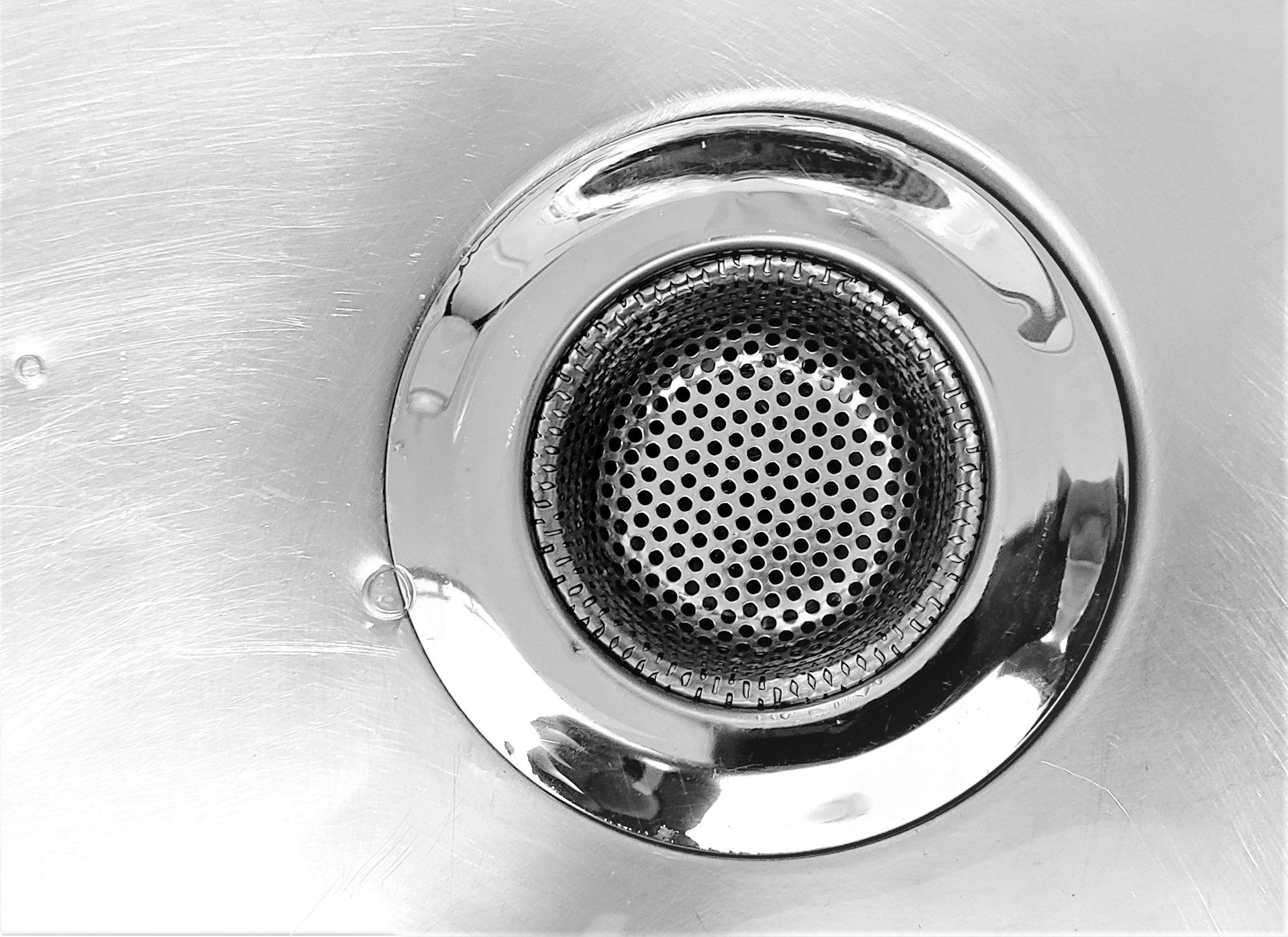
  • Install drain strainers to catch hair and debris

  • Flush drains periodically with hot water

  • Schedule periodic inspections for older plumbing systems

Routine maintenance extends pipe lifespan and reduces emergency calls. In properties with mature trees, regular inspections help detect root intrusion before severe damage occurs.

A proactive approach reduces stress and protects infrastructure.

Making the Right Call for Your Home

The decision between DIY methods and professional assistance depends on severity, recurrence, and overall system condition. Minor surface clogs may respond to simple tools. Persistent or widespread issues demand expert evaluation.

When multiple warning signs appear, relying solely on household remedies risks escalating damage. Plumbing systems are interconnected; what seems isolated may affect the broader network.

Experienced plumbers provide accurate diagnostics, durable solutions, and compliance with building standards. Their expertise ensures that underlying issues are resolved, not masked.

Addressing drainage concerns promptly supports household hygiene, structural integrity, and long-term property value. Thoughtful decision-making today prevents costly complications tomorrow, keeping your plumbing system reliable and efficient for years to come.

local specialist assessing diamond pieces for resale

Understanding How Gold and Diamond Jewellery Is Assessed by Jewellery Buyers

People have always looked for innovative ways to access cash when needed, and in recent years, leveraging valuable personal assets has become a preferred option. Among these, gold and diamonds stand out due to their enduring worth and demand in both local and global markets. Many individuals facing financial pressures are turning to jewellery as a means of securing short-term liquidity, without necessarily giving up ownership permanently. There is often sentimental value attached to these pieces, which makes this method especially beneficial compared to selling other assets.

The process usually starts with assessing what items could hold the most resale or collateral value. Older heirlooms, engagement rings, luxury watches, and inherited jewellery often sit unused for years, yet they contain substantial financial potential. This is where diamond jewelry buyers Sandton often come in, helping people determine how much capital can be unlocked based on purity, cut, weight, and current market conditions. Rather than relying solely on loans or credit, this asset-based strategy offers immediate solutions.

For many, this option serves as an alternative to traditional lending. Instead of undergoing lengthy application processes or facing credit checks, individuals can negotiate directly with reputable specialists. These experts, particularly the more established diamond jewelry buyers in Sandton, offer appraisals based on intrinsic and market value, making it possible to liquidate quickly while maintaining some control over the transaction.

Why Jewellery Is Ideal for Unlocking Cash

Gold and diamond items hold intrinsic value due to the raw materials used, but they also often have added aesthetic or brand value if from sought-after designers. Unlike other assets that depreciate quickly, well-maintained jewellery generally retains, and sometimes increases, in value over time. Market fluctuations exist, but historical trends show that precious metals perform reliably during economic uncertainty.

Because jewellery is compact and easy to store, many people forget just how valuable it may be. An antique bracelet locked away in a safe or a diamond ring buried in a drawer might hold more cash value than expected. This ease of access makes jewellery a powerful financial tool in emergencies or when opportunities arise and quick funding is required.

Additionally, unlike selling property or vehicles, which can involve lengthy legal and administrative processes, jewellery appraisals and transactions are relatively quick. Most assessments can be completed in under an hour, and cash or transfer is often available immediately after acceptance of the offer.

Types of Jewellery Most Commonly Used

There are certain categories of items that tend to perform especially well in the resale or collateral market. These typically include:

  • Diamond engagement rings

  • Certified diamond pendants or earrings

  • Solid gold chains and bracelets

  • Luxury brand jewellery such as Cartier or Tiffany

  • Antique or vintage pieces with historical significance

Jewellery with certification, especially from recognised grading bodies, usually attracts higher offers. This documentation confirms clarity, colour, carat weight, and cut quality, giving buyers confidence in potential resale value.

Things That Affect the Value You Can Unlock

Several key factors determine how much cash an individual can extract from jewellery items. Market demand, global precious metal pricing, and exchange rates influence the final amount offered. However, the condition of the piece plays a major role too. Items in excellent condition, with minimal wear, tend to receive better appraisals.

Sentimentality also enters the decision process. Some owners agree to items being used as surety rather than permanently sold, allowing for repurchase at a later stage. This provides flexibility for those who need money temporarily but don’t wish to permanently part with valuable or emotionally significant pieces.

Jewellery with designer signatures or original packaging can also increase perceived value, as these elements add authenticity and desirability to the item.

How the Transaction Process Typically Works

Although it may differ slightly depending on the business, most transactions follow a similar format. If you’re considering unlocking value through jewellery, the steps below offer a clear picture:

  1. Identify the item or collection of items you’re willing to offer.

  2. Schedule an appraisal with a trusted specialist.

  3. Receive an offer based on evaluation.

  4. Choose between outright sale or loan with collateral.

  5. Finalise the agreement and receive your funds.

It’s also recommended to research multiple providers to compare evaluations. Some may specialise in diamonds while others may be more experienced with luxury items or rare designs.

Why Many Prefer This Over a Loan

Some people choose this route because it allows them to avoid additional interest charges or complex repayment structures. If an individual opts for an outright sale rather than borrowing against the asset, there is no obligation to repay any amount. In financial planning terms, this can be beneficial for those trying to avoid accumulation of debt.

Furthermore, no credit checks are needed, which makes the process straightforward even for those with previous financial challenges. Quick access to funds can support anything from business ventures to urgent personal expenses, medical emergencies, or property repairs.

Getting the Most Out of Your Jewellery

To ensure you receive the highest possible valuation, consider preparing before heading to an appointment:

  • Clean the jewellery carefully

  • Gather any certificates or appraisals

  • Look for packaging or receipts

  • Research current precious metal and gemstone prices

This preparation demonstrates care and can support your negotiation position. It also shows the item has been well preserved, which reassures potential buyers.

As more people become aware of the financial potential of jewellery, alternatives emerge for short-term funding. Some businesses even allow a buy-back option at a later stage, enabling the owner to reclaim the item if finances improve.

Unlocking cash from jewellery is not always a long-term solution, but it can serve as a lifeline when immediate liquidity is needed. It offers flexibility, speed, and discretion, all of which are appealing for those in urgent financial situations. With the right advice and a reliable service provider, many South Africans have discovered that cherished items can provide more than sentimental value. Engaging experienced diamond jewelry buyers in Sandton or similar specialists allows you to benefit from professional evaluation and a transparent process, ensuring you make financially sound decisions while retaining as much control as possible over your assets.

This content is for informational purposes only and should not be considered financial advice.

blocked drain cleaning

A Homeowner’s Guide to Blocked Drain Cleaning: Fixes and Professional Help

Blocked drains pipes are a typical concern dealt with by property owners, resulting in aggravation and prospective damage if not attended to quickly. Whether it’s a slow-draining sink or an entirely obstructed toilet, understanding how to deal with these issues can conserve you money and time. In this post, we will check out some efficient obstructed drain repairs and assist you figure out when it’s time to call an expert for obstructed drain cleansing.

Common Causes of Blocked Drains

Understanding the reasons for obstructed drains pipes is important for avoiding future problems. Some typical perpetrators consist of:

  • Hair: Hair is a regular reason for obstructions, especially in restroom sinks and showers. It frequently integrates with soap residue, producing a persistent obstruction.
  • Grease and Food Particles: In kitchen area sinks, grease and food particles can build up in time, resulting in extreme obstructions.
  • Foreign Objects: Items that must not be flushed down toilets or disposed of in sinks, such as wipes, womanly health items, and little toys, can trigger obstructions.
  • Tree Roots: Roots from close-by trees can get into underground pipelines, triggering obstructions that need expert attention.

Blocked Drain Fixes

Before calling a plumbing, there are numerous do it yourself approaches you can attempt to repair an obstructed drain. Here are some efficient strategies:

  1. Boiling Water: Pouring boiling thin down the drain can assist liquify small obstructions triggered by grease or soap accumulation. Do this thoroughly, as putting boiling water too rapidly can split some kinds of pipelines.
  2. Baking Soda and Vinegar: This traditional mix can work marvels for small obstructions. Pour half a cup of baking soda into the drain, followed by half a cup of vinegar. Allow it to fizzle for about thirty minutes, then flush with warm water. This technique can assist break down obstructions and get rid of smells.
  3. Plunger: A plunger is a convenient tool for removing obstructions in sinks, toilets, and tubs. Ensure a great seal around the drain, and plunge intensely to develop suction. This technique works best for small obstructions.
  4. Drain Snake: A drain snake or auger is an efficient tool for eliminating persistent obstructions. Insert the snake into the drain and twist it to separate the clog. This technique is especially beneficial for hair obstructions in restroom sinks and showers.
  5. Wet/Dry Vacuum: If you have a wet/dry vacuum, you can utilize it to draw out the clog. Ensure the vacuum is set to the liquid setting, develop a tight seal around the drain, and turn it on. This technique can work well for obstructions triggered by particles or foreign items.

When to Call a Professional

While do it yourself approaches can be efficient for small obstructions, there are scenarios where calling an expert for obstructed drain cleansing is essential. Here are some indications that show it’s time to look for aid:

  • Persistent Clogs: If you’ve attempted numerous do it yourself approaches and the clog stays, it’s time to employ an expert. Ongoing obstructions can show a more extreme concern within your pipes system.
  • Multiple Drains Affected: If you see that numerous drains pipes in your house are experiencing obstructions at the same time, this might show a clog in the primary sewage system line. This circumstance needs instant expert attention to avoid additional damage.
  • Foul Odors: If you smell sewage or other undesirable smells originating from your drains pipes, it might show an extreme clog or an issue in your drain system. An expert can rapidly examine and fix the concern.
  • Water Backups: If water is supporting into sinks or tubs when you flush the toilet, it’s a sign of a major clog that needs immediate expert intervention.
  • Unusual Noises: Gurgling sounds originating from your drains pipes can show trapped air due to a clog. If these sounds continue, it’s finest to speak with an expert to avoid additional problems.

Preventive Measures

To prevent the requirement for regular blocked drain cleaning, think about executing some preventive steps:

  • Regular Maintenance: Schedule routine pipes evaluations to capture prospective problems before they intensify into significant issues.
  • Proper Disposal: Be conscious of what you deal with in your drains pipes. Avoid flushing non-biodegradable products and avoid putting grease down the sink.
  • Use Drain Screens: Installing drain screens can assist capture hair and particles before they enter your pipes system, lowering the probability of obstructions.
  • Routine Cleaning: Clean your drains pipes frequently with baking soda and vinegar to assist keep them clear and odor-free.

Blocked drains pipes can be an annoyance, however with the ideal understanding and tools, you can frequently fix small problems by yourself. However, understanding when to call an expert for obstructed drain cleansing is vital to avoid more extreme pipes issues. By executing preventive steps and being proactive about upkeep, you can keep your drains pipes streaming easily and prevent the headache of obstructions in the future.

security companies

Understanding the Vital Role of Private Security in Protecting Homes and Businesses

South Africa has a credibility for its abundant culture and natural charm, however it likewise deals with continuous difficulties in keeping public security. With criminal offense rates staying an issue in lots of parts of the nation, South Africans are significantly turning to personal security companies to secure their homes, companies, and neighborhoods. In this short article, we’ll check out why employing personal security has actually ended up being important, taking a look at the function these business play in supplementing police, offering specialized services, and making sure assurance.

The Rise of Private Security Companies in South Africa

South Africa’s personal security market has actually grown substantially in the previous couple of years, turning into one of the biggest worldwide. The need for personal security business has actually increased in reaction to increased criminal offense rates and the requirement for services that are both faster and more dependable than standard police. While police stay crucial, they frequently deal with resource restraints that restrict their capability to react promptly to emergency situations. Private security business, on the other hand, can supply instant, customized options for particular security requirements.

In truth, personal security business in South Africa now surpass authorities workers, using a large range of services from security and keeping an eye on to physical security and armed reaction. Their existence has actually ended up being a requirement, especially in high-risk metropolitan locations and wealthy communities, where securing possessions is a main issue.

Why Armed Response is a Must-Have

One of the essential services provided by personal security companies is armed reaction, a vital function in South Africa’s high-crime environment. An armed reaction business offers quick on-site intervention when an alarm is set off or a security breach happens. This service is created to secure customers from instant hazards such as robbery, heist, and home intrusions.

The benefit of employing an armed reaction business is that it uses not just deterrence however likewise a fast-acting service to any security danger. Police forces might take longer to show up due to high volumes of emergency situation calls and minimal resources, while armed gatekeeper are frequently stationed nearby and can react within minutes. This level of responsiveness makes them an important layer of security in property and business locations where criminal offense prevails.

Tailored Security Solutions for Businesses and Homeowners

Private security business in South Africa use a large range of services that can be tailored to fulfill the distinct requirements of companies, property owners, and neighborhoods. Businesses, for example, frequently need more than simply guard; they require innovative security systems, 24/7 tracking, and threat evaluations to keep their possessions safe. For property owners, personal security services can consist of anything from alarm setup to boundary patrols, making sure both noticeable and discreet security.

These business likewise use customized security options for numerous sectors. Retail companies can take advantage of loss avoidance techniques, while high-net-worth people may need close security services or safe and secure transportation. The capability to customize security steps is what sets personal security business apart from the basic police, offering customers with assurance understanding that their particular requirements are fulfilled.

Supplementing Law Enforcement: A Collaborative Approach

While personal security services play a considerable function in criminal offense avoidance, it’s important to acknowledge that they do not run in seclusion. In lots of cases, personal security companies work together carefully with regional police, acting as a complementary force. This cooperation has actually shown reliable in decreasing reaction times and boosting general public security.

Private security business frequently share info with the authorities and help in examinations, specifically in locations where criminal offense hotspots are recognized. This cooperation enables a more thorough technique to security, integrating the speed and expertise of personal security with the authority of the authorities.

The Importance of Peace of Mind

One of the most important advantages of employing personal security business is the assurance they supply. Whether it’s understanding that your home is being monitored while you’re away or that your organization is safe and secure after hours, the peace of mind of expert security cannot be downplayed. In a nation where criminal offense is a consistent issue, having dependable security in location permits people to concentrate on their lives without continuously stressing over their security.

Families and companies alike want to buy security for this factor. Private security services lower the psychological and psychological pressure related to living or operating in high-crime locations. By offering constant tracking, quick reaction, and individualized security techniques, these business make sure that their customers can live and operate in relative security.

As criminal offense stays a continuous concern in South Africa, employing personal security business has actually ended up being more of a requirement than a high-end. These business supply important services such as armed reaction, security, and customized security options that make sure faster and more reliable security than the overloaded public police can use. With the existence of an armed reaction business, companies and property owners can take pleasure in assurance, understanding that they have actually a relied on partner in protecting their possessions and enjoyed ones. As personal security business continue to develop and adjust to brand-new hazards, they are set to stay a foundation of South Africa’s more comprehensive security structure for several years to come.

development finance

Bridging Finance: Evaluating Its Suitability for Your Situation

In the dynamic world of real estate, securing the right type of financing is crucial for successful property transactions. Bridging finance is an increasingly popular option for those needing quick, short-term funding. This article explores the pros and cons of bridging loans and helps you determine if this type of financing is right for you, with a look into how development finance plays a role in the broader financial landscape.

What Are Bridging Loans?

Bridging loans are short-term loans designed to provide immediate funding until longer-term financing can be arranged. These loans are often used in real estate transactions, where buyers need to bridge the financial gap between the purchase of a new property and the sale of an existing one. Bridging loans are secured against the property being purchased or another valuable asset, providing the lender with security.

Advantages of Bridging Finance

1. Speed and Accessibility

One of the primary benefits of bridging finance is the speed with which funds can be accessed. Traditional mortgage approvals can take weeks or even months, but bridging loans can often be arranged within a few days. This quick access to funds is particularly advantageous in competitive property markets, where delays can result in missed opportunities.

2. Flexibility

Bridging loans offer flexibility in terms of usage. They can be used for a variety of purposes, including purchasing a new property before selling an existing one, funding renovations, or even as a short-term cash flow solution for businesses. This flexibility makes bridging finance a versatile tool for both individuals and developers.

3. Short-Term Solution

For those needing a temporary financial solution, bridging finance provides a short-term answer. This is especially useful for homebuyers who have found their ideal property but are waiting for their current property to sell. Bridging loans ensure that buyers do not miss out on purchasing opportunities due to timing issues.

Disadvantages of Bridging Loans

1. Higher Interest Rates

One of the significant drawbacks of bridging loans is the higher interest rates compared to traditional mortgages. The short-term nature and speed of these loans come at a cost, making them more expensive over time. Borrowers need to carefully consider whether the higher interest rates are justified by the benefits of quick and flexible funding.

2. Additional Fees and Charges

In addition to higher interest rates, bridging loans often come with various fees and charges. These can include arrangement fees, valuation fees, and legal costs. It's essential to factor in these additional costs when considering bridging finance, as they can significantly impact the overall expense of the loan.

3. Risk of Repossession

Because bridging loans are secured against property, there is a risk of repossession if the borrower is unable to repay the loan within the agreed timeframe. This risk is heightened by the higher interest rates and additional fees, which can make repayments more challenging. Borrowers need to have a clear exit strategy in place to mitigate this risk.

When to Use Bridging Finance

1. Property Purchase Delays

Bridging finance is particularly useful in situations where there are delays in the sale of an existing property, but the purchase of a new property needs to proceed. Bridging loans provide the necessary funds to complete the purchase, ensuring that buyers do not miss out due to timing issues.

2. Auction Purchases

When purchasing property at auction, buyers typically need to complete the transaction within a short timeframe. Bridging loans can provide the quick funding required to meet auction deadlines, allowing buyers to secure properties without delay.

3. Renovations and Development

For those involved in property development, bridging finance can be used to fund renovations or development projects. Once the project is complete, developers can repay the loan through the sale of the property or by securing long-term development finance. This makes bridging loans a valuable tool for developers needing short-term funding solutions.

Bridging finance offers a range of advantages, including quick access to funds, flexibility, and a short-term solution for immediate financial needs. However, it also comes with disadvantages such as higher interest rates, additional fees, and the risk of repossession. When considering bridging loans, it's essential to weigh these pros and cons carefully and determine whether this type of financing aligns with your specific needs and financial situation.

For homebuyers and developers alike, bridging finance can be a powerful tool when used appropriately. Understanding the benefits and risks associated with bridging loans will help you make informed decisions and ensure that this financing option is right for you. Whether you're facing delays in selling your current property, purchasing at auction, or funding a renovation project, bridging finance provides a flexible and speedy solution to meet your short-term funding needs.

plumbers near me

Cost-Efficiency through Regular Home Plumbing Assessments

Maintaining a purposeful and environment friendly family entails a myriad of tasks, amongst which the plumbing system stands as an indispensable pillar essential for on a regular basis consolation and performance. In occasions of sudden plumbing points, the hunt for immediate and dependable help usually leads owners to seek for expert professionals with the question "plumbers near me." Indeed, discovering competent plumbers close to me is a important step in addressing and resolving plumbing issues successfully and swiftly. However, past reactive options to rapid points, the proactive strategy of standard plumbing inspections stands out as a cornerstone of sustaining a well-functioning residence. Understanding the importance of routine plumbing assessments and inspections performed by skilled professionals is essential in averting potential disasters and guaranteeing a easily working plumbing system throughout the family.

Preventive Maintenance: The Foundation of Efficient Plumbing

Regular plumbing inspections type the cornerstone of preventive upkeep, offering a chance to establish and rectify potential points earlier than they escalate into main issues. These inspections, sometimes performed by licensed plumbers close to me, contain a complete evaluation of your complete plumbing system. They cowl checking for leaks, assessing the situation of pipes, analyzing water stress, and verifying the performance of fixtures. Identifying and addressing minor considerations throughout these routine checks can stop main breakdowns and costly repairs sooner or later.

Early Detection Saves Time and Money

The adage "prevention is better than cure" definitely applies to family plumbing. Early detection of potential points by way of common inspections not solely prevents sudden breakdowns but in addition saves important prices. Undetected leaks, as an illustration, can result in water injury and elevated utility payments. However, when recognized early throughout routine inspections, they are often repaired promptly, stopping additional injury and conserving water, consequently saving each cash and assets.

Preserving Structural Integrity

Beyond the rapid plumbing fixtures, the integrity of your complete residence's construction depends closely on a well-maintained plumbing system. Undetected leaks or pipe points can result in structural injury, weakening the muse, partitions, and flooring. Timely inspections can uncover such considerations, permitting for obligatory repairs and stopping structural degradation, thus preserving the general stability and worth of the property.

Ensuring Health and Hygiene

A well-maintained plumbing system is paramount for guaranteeing the well being and hygiene of a family. Undetected leaks or defective sewage methods can result in the expansion of mould, mildew, and dangerous micro organism. Routine inspections assist in figuring out and rectifying such points promptly, thus guaranteeing a clear and hygienic dwelling atmosphere for the residents.

Compliance with Regulations and Insurance Requirements

Regular plumbing inspections additionally play a vital position in assembly authorized and insurance coverage obligations. Certain laws require periodic checks and adherence to particular requirements. Similarly, many insurance coverage insurance policies mandate correct upkeep and should even provide reductions for owners who undertake routine plumbing inspections. By complying with these necessities, owners not solely keep a protected dwelling atmosphere but in addition keep away from potential issues with insurance coverage claims sooner or later.

Conclusion:

The significance of standard plumbing inspections for a family can't be overstated. Proactive measures, akin to routine checks and assessments performed by certified plumbers close to me, play a pivotal position in sustaining a well-functioning residence. By figuring out potential points early, stopping pricey repairs, preserving structural integrity, guaranteeing well being and hygiene, and assembly authorized and insurance coverage necessities, common plumbing inspections function a elementary side of accountable homeownership. Embracing this preventive strategy not solely enhances the effectivity of the plumbing system but in addition ensures a protected, safe, and comfy dwelling atmosphere for all residents.