
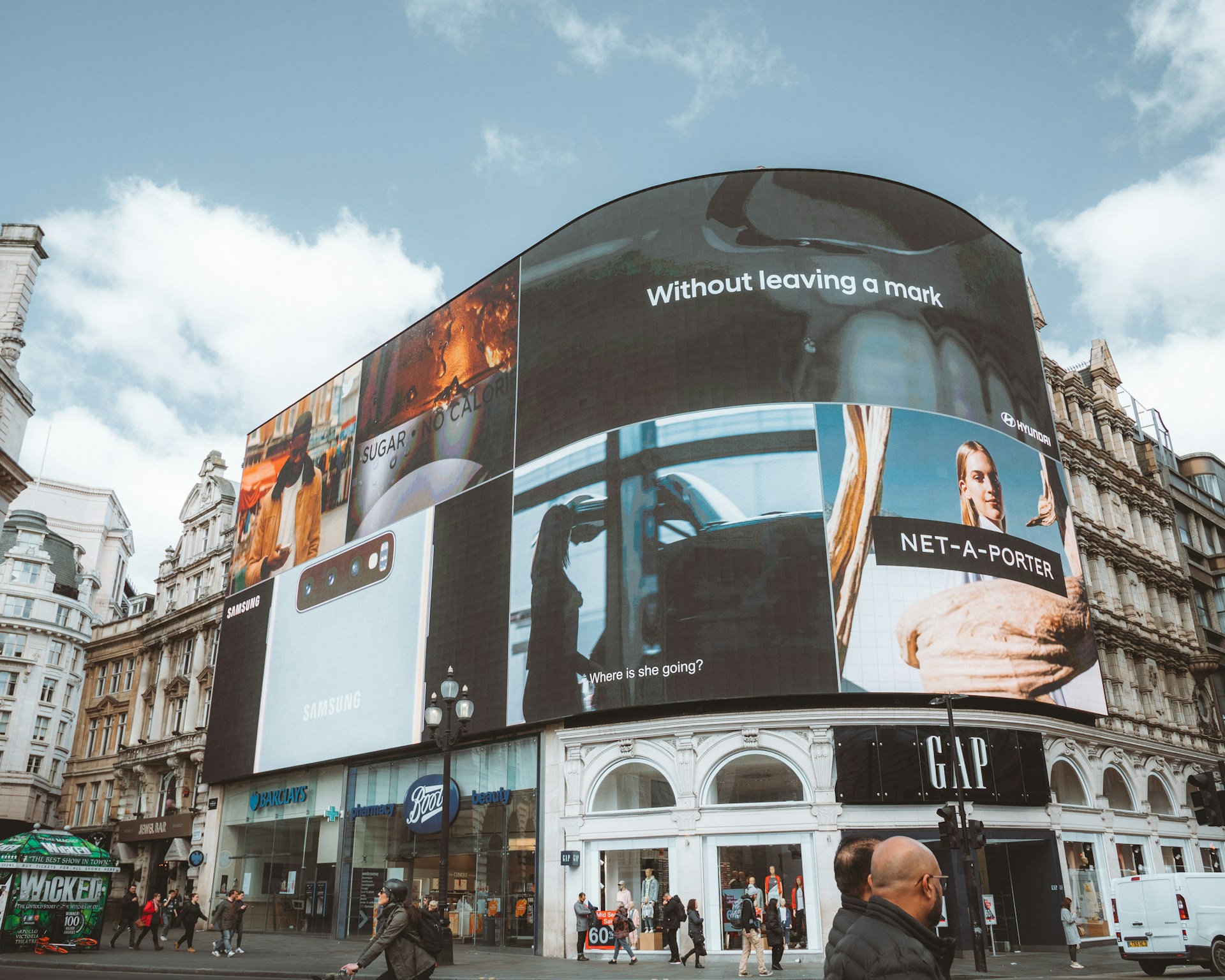
Digital signage strategies improving customer engagement in retail environments

Digital Signage Strategies That Actually Increase Customer Engagement

Customer attention is becoming increasingly fragmented, and businesses are competing not just with direct competitors but with every screen in a customer’s environment. In this landscape, digital signage has evolved into a powerful communication tool that can influence behaviour, guide decisions, and enhance brand perception when used strategically.

However, simply displaying content on screens is no longer enough. Audiences expect relevance, timing, and clarity. Poorly designed messaging can easily be ignored, while well-planned visual communication can meaningfully improve engagement and in-store experience.

The difference often comes down to strategy rather than technology alone. Understanding how to structure content, design visuals, and measure outcomes is essential for organisations aiming to improve customer interaction in physical and hybrid environments.

Core Engagement Foundations That Drive Results

Before diving into advanced techniques, it is important to understand the structural principles that underpin effective screen-based communication. Many businesses overlook these fundamentals, which leads to inconsistent results.

  1. Define a clear engagement objective for each screen or location
  2. Segment audiences based on context, time, or behaviour
  3. Align messaging with physical environment and customer journey
  4. Prioritise readability and visual hierarchy over complexity
  5. Ensure content updates are scheduled and consistent

Each of these steps may seem simple on its own, but together they form the backbone of effective in-store communication systems.

A common mistake is treating all screens the same. In reality, a screen at a reception area serves a different purpose from one placed near a point-of-sale counter. Context matters more than volume of content.

Another overlooked aspect is timing. Messages delivered at the wrong moment are often ignored, regardless of quality. Consistency in delivery builds recognition and trust over time.

Design Principles That Capture Attention

Visual design plays a critical role in whether audiences engage or disengage within seconds. High-performing systems rely on clarity, contrast, and movement rather than overcrowded layouts or excessive messaging.

Typography should be bold enough to read at a distance, while colour contrast must support visibility under different lighting conditions. Subtle animation can guide attention, but excessive motion often creates cognitive overload.

When designing content for screens in retail or service environments, simplicity is not a limitation—it is an advantage. A focused message will always outperform a cluttered one.

At this stage, many organisations begin experimenting with formats, but consistency remains key. The effectiveness of digital signage improves significantly when design templates are standardised across locations.

A practical example of this is using a single visual framework that adapts messaging without changing structural design. This reduces cognitive effort for viewers and strengthens brand recognition.

It is also important to avoid over-reliance on static content. Movement should be intentional and purposeful, not decorative.

Content Strategy and Behavioural Alignment

Effective engagement is not only about what is shown, but why it is shown. Content should reflect user intent and behavioural patterns within a specific environment.

For example, customers waiting in a queue are more receptive to short, informative messages than long promotional narratives. Meanwhile, waiting areas allow for slightly more detailed storytelling.

This is where behavioural mapping becomes essential. Understanding how long people typically remain in a space allows content to be tailored accordingly.

Relevance is the strongest driver of attention. If content feels disconnected from the customer’s immediate context, it will likely be ignored within seconds.

Tone also plays a role. Informational messaging should remain neutral and clear, while promotional content should be subtle and value-driven rather than aggressive.

In many cases, organisations underestimate how quickly audiences filter irrelevant stimuli. Even well-produced visuals can fail if they do not match intent or timing.

Design Consistency and Environmental Integration

A strong engagement system must integrate seamlessly into its physical surroundings. Screens should feel like part of the environment rather than external interruptions.

Lighting, placement, and viewing angles all influence effectiveness. A poorly positioned display can undermine even the most compelling content.

Consistency across multiple locations is also critical. When audiences encounter familiar formats, they are more likely to process information quickly and confidently.

It is not uncommon for organisations to overlook environmental factors in favour of content creation alone. However, both elements must work together to achieve meaningful outcomes.

Subtle repetition of design elements helps reinforce messaging without overwhelming viewers. Over time, this builds familiarity and improves retention.

Measuring Engagement and Optimising Performance

Without measurement, even well-designed systems operate on assumption rather than insight. Tracking performance allows organisations to refine messaging and improve effectiveness over time.

Key performance indicators might include dwell time, interaction rates, or conversion-related behaviours depending on the environment.

It is also important to evaluate content rotation frequency. Too much repetition can lead to audience fatigue, while too little consistency may reduce message recognition.

Below are common indicators used to assess engagement quality:

  • Average viewing duration per screen or zone
  • Interaction rates where touch or response systems are used
  • Conversion lift in nearby transactional areas
  • Content recall based on customer feedback
  • Frequency of repeat engagement over time

These metrics should not be viewed in isolation. Patterns across multiple indicators provide a more reliable understanding of performance.

One of the challenges in this space is separating correlation from causation. Just because engagement increases does not always mean content alone is responsible.

Careful testing and iteration are essential. Small adjustments to layout, timing, or messaging can produce significant differences in outcomes.

Common Pitfalls and Strategic Improvements

Even well-funded implementations can underperform when strategy is unclear. One of the most frequent issues is content overload, where too much information is displayed at once.

Another issue is lack of audience segmentation. Treating all viewers as a single group reduces relevance and weakens impact.

Technical maintenance is also often underestimated. Screens that are not regularly updated or monitored can quickly lose effectiveness and credibility.

There is also a tendency to focus heavily on visual appeal while neglecting message clarity. While aesthetics are important, they should never compromise comprehension.

A final consideration is adaptability. Environments change, and communication systems must evolve accordingly to remain effective.

Improving outcomes typically involves a combination of refinement and discipline:

  • Regularly review content performance data and adjust accordingly
  • Simplify messaging to focus on one key idea per visual frame
  • Align content schedules with peak audience presence times
  • Standardise templates while allowing controlled variation
  • Conduct periodic audits of screen placement and visibility

When these practices are applied consistently, engagement tends to improve gradually but sustainably.

Over time, organisations that treat screen-based communication as a strategic system rather than a static tool are better positioned to influence behaviour and improve customer experience. In this sense, effective use of digital signage becomes less about display technology and more about understanding people, context, and timing in a structured way.


Humane bird control methods applied on urban building ledges to prevent nesting and roosting in city environments

Humane Bird Control Methods for Urban Buildings and Public Spaces

Bird-related challenges in cities have become increasingly common as urban environments expand and natural habitats shrink. Buildings, transport hubs, and public squares often provide ideal nesting and roosting spaces for pigeons, starlings, and gulls. While birds are an important part of the ecosystem, uncontrolled populations in densely populated areas can create hygiene concerns, structural damage, and safety risks. As such, bird control is a highly sought-after service in both urban and public spaces.

Effective management requires a balanced approach that protects both public health and wildlife. This is where humane solutions play a critical role. Modern urban planning increasingly focuses on long-term prevention strategies rather than reactive measures, especially when dealing with persistent nesting and roosting patterns.

Understanding ethical and environmentally responsible approaches to managing urban bird populations helps ensure that cities remain safe, clean, and biodiverse without unnecessary harm to wildlife. Careful planning, combined with professional methods, can significantly reduce conflicts between humans and birds while maintaining ecological balance.

Understanding Urban Bird Challenges and Behaviour

Birds adapt quickly to human environments because of readily available food sources, sheltered structures, and minimal natural predators. Ledges, rooftops, signage, and bridges provide perfect nesting sites. In many cases, unmanaged populations can lead to blocked drainage systems, corrosion from droppings, and slip hazards in high-footfall areas.

Public spaces such as parks and transport terminals are especially vulnerable. Food waste and predictable human activity encourage flocking behaviour, which can escalate rapidly if not addressed early. Over time, repeated roosting creates established patterns that are difficult to reverse without intervention.

In some cities, this has led to increased demand for humane urban management strategies. Effective solutions aim to discourage nesting without causing injury or distress. These approaches rely on understanding behavioural triggers such as light, sound, texture, and spatial preferences.

A key principle in modern environmental management is prevention rather than removal. Once birds have established nesting sites, relocation becomes more complex and less effective. Early-stage deterrence is therefore essential for long-term control.

Structural and Physical Deterrent Approaches

One of the most widely used categories of solutions involves physical deterrents that make surfaces less suitable for landing or nesting. These methods are designed to be non-lethal and long-lasting, focusing on exclusion rather than harm.

Common physical deterrents include angled ledge modifications, netting systems, and spike strips designed to prevent roosting. These systems are typically installed on building edges, signage, and rooflines where birds commonly gather. When correctly implemented, they do not trap or injure birds but simply discourage them from settling.

Another important method involves sealing access points. Gaps in roofing, vents, and architectural recesses are often exploited by birds seeking shelter. Closing these spaces reduces nesting opportunities significantly and supports long-term prevention.

• Installing tensioned netting across courtyards, courtyards, and open façades
• Applying surface modifications such as sloped coverings to eliminate flat roosting areas
• Using non-harmful spike systems on narrow ledges and beams

While these methods are highly effective, they require careful installation to ensure they remain safe for both wildlife and building occupants. Poorly fitted systems can reduce effectiveness or create unintended hazards.

In some cases, a combined strategy is required, especially in large public infrastructure such as airports, stadiums, and shopping centres. Here, multiple deterrent layers are often used to reinforce effectiveness.

Professional services often incorporate monitoring systems to assess whether structures remain protected over time. This adaptive approach ensures that interventions remain relevant as bird behaviour changes seasonally.

Within these strategies, bird control plays a central role in designing integrated solutions that are both humane and practical for urban environments.

Behavioural and Sensory Deterrent Techniques

Beyond physical barriers, sensory-based approaches are increasingly used to modify bird behaviour without causing distress. These techniques rely on sound, light, or visual cues that make an area less attractive to birds.

For example, reflective materials can disorient birds briefly, encouraging them to avoid certain spaces. Similarly, controlled acoustic devices emit frequencies or patterns that discourage roosting without affecting human activity in the same way. These systems are often programmable, allowing adjustments based on time of day or seasonal migration patterns.

Visual deterrents such as predator silhouettes or moving elements can also reduce nesting behaviour. Birds tend to avoid environments that appear unsafe or unpredictable. However, effectiveness can decrease over time if birds become accustomed to static deterrents, so variation is important.

Key sensory methods include:

• Motion-activated sound systems that respond only when birds are present
• Reflective tape or panels that create shifting light patterns
• Laser-based deterrents used during peak roosting hours in large open areas

These approaches are particularly useful in public spaces where physical modifications may be limited due to architectural or heritage considerations. They allow for flexible management without altering building structures.

It is important that these methods are used responsibly to avoid unnecessary disturbance to other wildlife or nearby residents. Proper calibration ensures that deterrence is targeted and proportionate.

Environmental and Waste Management Strategies

Urban bird issues are often closely linked to human behaviour, particularly waste disposal practices. Accessible food waste is one of the strongest attractants for city-dwelling birds. Reducing these incentives is a foundational part of long-term management.

Waste bins in public areas should be designed with secure lids and emptied regularly. Spillage around markets, restaurants, and transport hubs should be addressed promptly to prevent repeated feeding cycles. When food sources are reduced, bird populations naturally disperse to more suitable environments.

Landscape design also plays a role. Tree placement, water features, and open lawns can either encourage or discourage roosting depending on their configuration. Strategic planning helps reduce congregation in sensitive areas while still supporting biodiversity.

• Ensuring waste containers are sealed and resistant to tampering
• Scheduling frequent cleaning in high-traffic pedestrian zones
• Reducing accessible food waste in outdoor dining and market spaces

Education campaigns can also support behavioural change among the public. When people understand the consequences of feeding wildlife in urban zones, long-term improvements become more achievable.

Integrated environmental planning complements physical and sensory deterrents, creating a multi-layered approach that reduces reliance on reactive measures. This combination improves overall effectiveness while maintaining humane standards.

At this stage, bird control is most successful when aligned with broader municipal hygiene and urban design strategies, ensuring that prevention is embedded into everyday infrastructure management.

Ethical Considerations and Long-Term Urban Planning

Modern wildlife management prioritises humane treatment and ecological balance. Ethical frameworks guide how interventions are selected, ensuring that harm is avoided and natural behaviour is respected as far as possible.

Urban planners increasingly collaborate with environmental specialists to design buildings that are less attractive to nesting birds from the outset. This includes smoother façades, reduced ledge depth, and materials that discourage prolonged roosting. Prevention at the design stage is often more effective than remediation after construction.

Long-term success depends on continuous assessment. Bird populations are dynamic, influenced by seasonal changes, migration, and food availability. Regular monitoring allows for adjustments without resorting to aggressive measures.

Community involvement is also important. Public awareness helps reduce behaviours that unintentionally encourage overpopulation in urban spaces. When residents and businesses adopt consistent waste practices and respect wildlife boundaries, overall pressure on infrastructure decreases.

Sustainable urban environments depend on harmony between human activity and natural ecosystems. Humane deterrence strategies support this balance by reducing conflict while preserving biodiversity. Over time, well-managed cities can coexist with bird populations in a controlled and ethical way, ensuring that both ecological and public health needs are met without compromise.

Professional meet-and-greet airport transfer assistance

The Advantages of Meet-and-Greet Airport Services

Travel through busy international airports can be stressful, especially when timing, navigation, and luggage handling all converge at once. For many travellers, a smoother, more controlled arrival experience has become a priority rather than a luxury. This is where personalised airport assistance services play an increasingly important role in modern travel planning.

One growing option among business and premium travellers is the use of dedicated meet-and-greet support that ensures a streamlined transition from aircraft to onward transport. Services associated with premium transfers, such as a Mercedes chauffeur in Cape Town, are often integrated into these experiences to provide continuity, comfort, and professional coordination from the moment of landing.

The demand for structured arrival assistance has increased due to tighter schedules, heightened security procedures, and the need for efficiency. Whether travelling for corporate obligations, family trips, or high-value personal commitments, travellers are seeking reliability at every stage of the journey. The advantages of meet-and-greet airport services are therefore closely linked to reduced stress, improved time management, and enhanced travel safety.

Understanding Meet-and-Greet Airport Assistance

Meet-and-greet airport services are designed to simplify the arrival or departure process by assigning a trained representative to assist travellers at key points within the airport. This typically includes welcoming passengers at arrivals, assisting with luggage, guiding them through customs where applicable, and ensuring a smooth handover to their onward transport.

These services are structured to reduce confusion and eliminate unnecessary delays. They are particularly valuable in large or unfamiliar airports where signage, queues, and terminal layouts can be overwhelming. Assistance is provided in real time, helping travellers move efficiently through each stage of the airport journey.

Key elements often included are:

  • Personal reception at the arrival gate or designated meeting point
  • Assistance with baggage collection and handling
  • Fast-track guidance through immigration or security where available
  • Coordination with ground transport providers for immediate transfer
  • Support for delayed flights or schedule changes

The goal is consistency. Travellers should not feel uncertain or unsupported at any point. Every step is managed to reduce friction.

Why Travellers Choose Structured Arrival Support

The appeal of meet-and-greet services lies in their ability to transform a potentially chaotic airport experience into a predictable, managed process. For business travellers, this means less downtime and more productivity. For families, it means reduced stress and improved safety. For international visitors, it removes language and navigation barriers.

A key advantage is time efficiency. Airport delays often occur not during flight time, but during ground procedures such as passport control or baggage retrieval. Having dedicated assistance helps minimise these delays by ensuring travellers are guided through optimal routes and procedures.

Comfort is another major factor. After long-haul flights, travellers are often fatigued and less able to navigate complex airport environments. Personal assistance provides a buffer between arrival fatigue and onward travel arrangements, ensuring a smoother transition.

In premium travel contexts, services linked with executive transport options like a Mercedes chauffeur Cape Town often extend this convenience beyond the airport itself. The continuity between arrival assistance and high-end ground transport creates a unified travel experience that prioritises comfort and efficiency.

How the Arrival Process Is Managed Step by Step

Understanding the process helps clarify why these services are considered highly effective in reducing travel stress. Each stage is designed to remove uncertainty and maintain flow from aircraft to final destination.

Upon landing, a representative is typically already waiting at a designated point. Communication between the service provider and flight tracking systems ensures adjustments are made in case of delays. The traveller is then guided through the airport in a structured sequence that avoids unnecessary waiting.

The general process includes:

  1. Pre-arrival monitoring of flight status and scheduling adjustments
  2. Meet-and-greet at the arrival gate or airbridge exit
  3. Assistance with passport control and immigration procedures
  4. Luggage identification and retrieval support
  5. Escort to the designated transport area or lounge
  6. Final coordination with onward travel providers

Each step is designed to eliminate confusion and streamline movement through the airport environment. The emphasis is on predictability and reduced waiting time.

Short waiting periods become manageable transitions rather than stressful delays. This is especially beneficial for travellers with tight schedules or connecting commitments.

Efficiency, Safety, and Reduced Travel Stress

One of the strongest advantages of meet-and-greet services is their contribution to safety and structured movement within large transport hubs. Airports can be complex environments, and for first-time visitors or those arriving late at night, orientation can be difficult.

With professional assistance, travellers are less likely to experience disorientation or missed connections. There is also an added layer of security, as authorised personnel guide passengers through controlled airport zones and ensure they remain on the correct route.

Efficiency is improved through priority handling where available. While not always equivalent to fast-track services, coordinated assistance often reduces delays caused by confusion, incorrect queues, or missed directions.

In high-demand travel environments, this structured support is particularly valuable. It ensures that even during peak congestion periods, travellers maintain forward movement.

The integration of premium ground transport further enhances this efficiency. Services connected to luxury chauffeur solutions ensure that once passengers exit the airport, their onward journey continues without interruption or logistical uncertainty.

Selecting a Reliable Airport Assistance Provider

Not all services operate at the same standard, making provider selection an important part of the travel planning process. Reliability, communication, and operational coordination are key indicators of quality.

Travellers should consider several factors when evaluating options:

  • Availability of real-time flight monitoring and updates
  • Experience with international arrivals and customs procedures
  • Coordination capabilities with transport providers
  • Transparency in service scope and inclusions
  • Ability to handle delays, rebookings, or schedule disruptions

A well-structured provider ensures seamless communication between airport staff, travellers, and ground transport operators. This reduces the risk of misalignment or missed connections.

It is also important to assess responsiveness. Travel conditions can change quickly, and the ability of a service provider to adapt in real time is critical. Strong operational systems help maintain consistency even when external disruptions occur.

Enhancing the Overall Travel Experience

Beyond convenience, meet-and-greet airport services contribute to a broader improvement in travel quality. They reduce cognitive load, allowing travellers to focus on the purpose of their journey rather than logistical challenges. This is particularly valuable for business professionals who require mental clarity upon arrival.

For families, the experience is equally beneficial. Managing children, luggage, and travel documentation in unfamiliar environments can be overwhelming. Structured assistance ensures smoother coordination and reduces pressure at key points.

The emotional impact should not be underestimated. A well-managed arrival sets the tone for the entire trip. Calm, organised transitions contribute to a more positive overall travel experience, especially after long international flights.

When integrated with premium transport services, the experience becomes even more refined. Continuity from aircraft to vehicle eliminates uncertainty and creates a stable travel environment from start to finish.

Final Thoughts on Airport Meet-and-Greet Experiences

Air travel continues to evolve, with greater emphasis on efficiency, comfort, and reliability. Meet-and-greet services reflect this shift by addressing common pain points experienced by travellers in busy airport environments. They provide structure where there is often unpredictability and support where there is often confusion.

As global travel demand increases, the value of coordinated arrival assistance becomes even more significant. Whether for business efficiency, family comfort, or personal convenience, these services offer a practical solution to modern travel challenges.

The integration of premium ground transport and personalised assistance ensures that every stage of the journey remains consistent and well-managed. For travellers prioritising smooth transitions and reduced stress, this approach represents a highly effective way to improve the overall airport experience.