

Trainees participating in live online TEFL sessions

The Ultimate Guide to Comparing Online TEFL Courses and In-Person Programs

Many people dream of teaching English abroad or from the comfort of their home, but deciding how to get certified can be surprisingly tricky. Should you enrol in traditional classroom training or take advantage of modern online TEFL courses? The best choice depends less on cost or convenience and more on how you learn, stay motivated, and plan to use your qualification.

The two paths offer similar certification outcomes, but the learning experiences are vastly different. Some people thrive in the self-paced rhythm of online study, while others find energy and accountability in live, in-person interaction. Knowing which approach aligns with your learning style can make your journey smoother — and your teaching stronger.

Before diving in, it’s worth comparing how both course types prepare you for real-world teaching, what kind of learner each suits best, and how your career goals may shape your decision.

How Your Learning Style Affects Your Choice

Everyone learns differently. Some people love the independence of studying on their own, while others rely on group interaction to stay focused. To figure out which training suits you best, consider these questions:

  1. Do you prefer flexible schedules or structured timetables?

  2. Are you self-disciplined, or do you need external motivation?

  3. Do you learn best by reading and watching, or by doing and practicing?

If you value autonomy and like to work through lessons at your own speed, online TEFL courses might be a great fit. You can pause, review, and progress as needed, which helps many visual and reflective learners succeed. But if you feed off collaboration, prefer live demonstrations, or enjoy instant feedback, face-to-face learning could keep you more engaged.

The In-Person TEFL Advantage

For students who crave interaction, traditional classroom courses provide an immersive learning environment. You’ll practice teaching in real classrooms, receive direct feedback from instructors, and collaborate with classmates who share your goals.

A few key benefits include:

  • Practical experience: You’ll teach real students, not just role-play scenarios.

  • Immediate support: Trainers can correct mistakes in real time.

  • Community learning: Discussions and peer activities make learning dynamic.

However, this format demands time and commitment. It’s typically more expensive, requires travel, and runs on fixed schedules — which might not suit those balancing work or family obligations.

Flexibility and Freedom in Online TEFL Courses

Digital learning has opened the door for people who want to get certified without putting their lives on hold. The ability to study anytime, from anywhere, makes online TEFL courses perfect for busy professionals, frequent travellers, or those living far from training centres.

Some additional perks include:

  • Studying at your own pace

  • Lower overall costs

  • Exposure to virtual teaching tools

  • The option to complete lessons around your existing routine

Still, success in an online environment relies on motivation. Without physical classes or peers nearby, it’s easy to fall behind if you’re not disciplined. Setting a study schedule and joining online teaching communities can help you stay on track.

Aligning Your Course with Career Goals

When choosing between online and in-person learning, it helps to think long-term. Where do you want to teach? What kind of students do you hope to work with?

  • If your goal is to teach English online, the virtual format not only saves time but also prepares you to use digital tools effectively.

  • If you’re planning to teach abroad, especially in a classroom environment, employers often value the hands-on teaching practice you gain through in-person training.

Some new teachers even combine both paths: starting with an online course to build knowledge, then attending a short, in-person practicum later to refine their classroom technique.

Weighing the Pros and Cons Before You Decide

Before enrolling, compare what matters most to you — cost, structure, flexibility, or experience. Write down your priorities, such as:

  1. Your learning style
  2. Your availability and schedule

  3. Your preferred teaching environment

  4. Your confidence with technology

Once you’ve mapped these out, it usually becomes clear which route suits you better.

Choosing how to earn your TEFL qualification is more than a logistical decision — it’s about creating the right foundation for your teaching career. Whether you embrace the independence of studying online or the energy of in-person instruction, both paths can open doors to incredible opportunities worldwide. What matters most is choosing the approach that motivates you to learn, grow, and confidently share English with others.

long-range shooting training

Precision Personified: The Art of Long-Range Shooting Training

The adventure of striking a target numerous lawns away – that's the magic of long-range shooting. But mastering this difficult discipline needs more than simply an eager eye. It's a symphony of ability, understanding, and unwavering focus. If you're yearning to dominate the far reaches of the shooting variety, long-range shooting training is your secret to opening accuracy.

Why Embrace Long-Range Training?

  • Push your limitations: Go beyond standard marksmanship and find the special physics and aspects that enter into play at prolonged ranges.
  • Sharpen your principles: From trigger control to sight photo, you'll improve your core abilities to a razor's edge, benefiting all elements of your long-range shooting training.
  • Gain self-confidence: Nothing types self-confidence like striking a remote target dead-on. Training constructs the psychological perseverance and accuracy required for success.
  • Unlock brand-new possibilities: Whether competitive shooting, long-range searching, or just the fulfillment of proficiency, long-range training opens doors to amazing chances.

What to Expect from Long-Range Training:

  • Ballistics proficiency: Dive into the remarkable world of bullet drop, wind drift, and ecological aspects, discovering to forecast their effect on your shot.
  • Advanced marksmanship methods: Hone your breathing, trigger pull, and position to guarantee constant precision at every range.
  • Equipment choice and optimization: With long-range shooting training you will find how to pick the ideal rifle, scope, and devices for your requirements and choices.
  • Range evaluation and target acquisition: Learn to properly evaluate ranges and recognize targets in the middle of different surface and conditions.

Finding the Right Long-Range Training Program:

  • Start with knowledgeable trainers: Seek out programs led by accredited, long-range veterans who can share their understanding and competence.
  • Choose the ideal course level: From novice principles to sophisticated competitors preparation, customize your training to your existing skillset and objectives.
  • Consider the centers and devices: Look for programs with access to quality long-range varieties and the required devices, or ones that permit you to bring your own.
  • Don't forget security: Ensure the program focuses on security treatments and accountable guns dealing with.

Remember: Long-variety shooting is a requiring yet satisfying pursuit. Invest in quality training, be client, and above all, welcome the knowing procedure of long-range shooting training. With devotion and the ideal assistance, you'll quickly be sending out bullets singing towards remote targets, opening an entire brand-new level of marksmanship competence. So, get your rifle, action onto the variety, and start your long-range journey – the bullseye waits for!

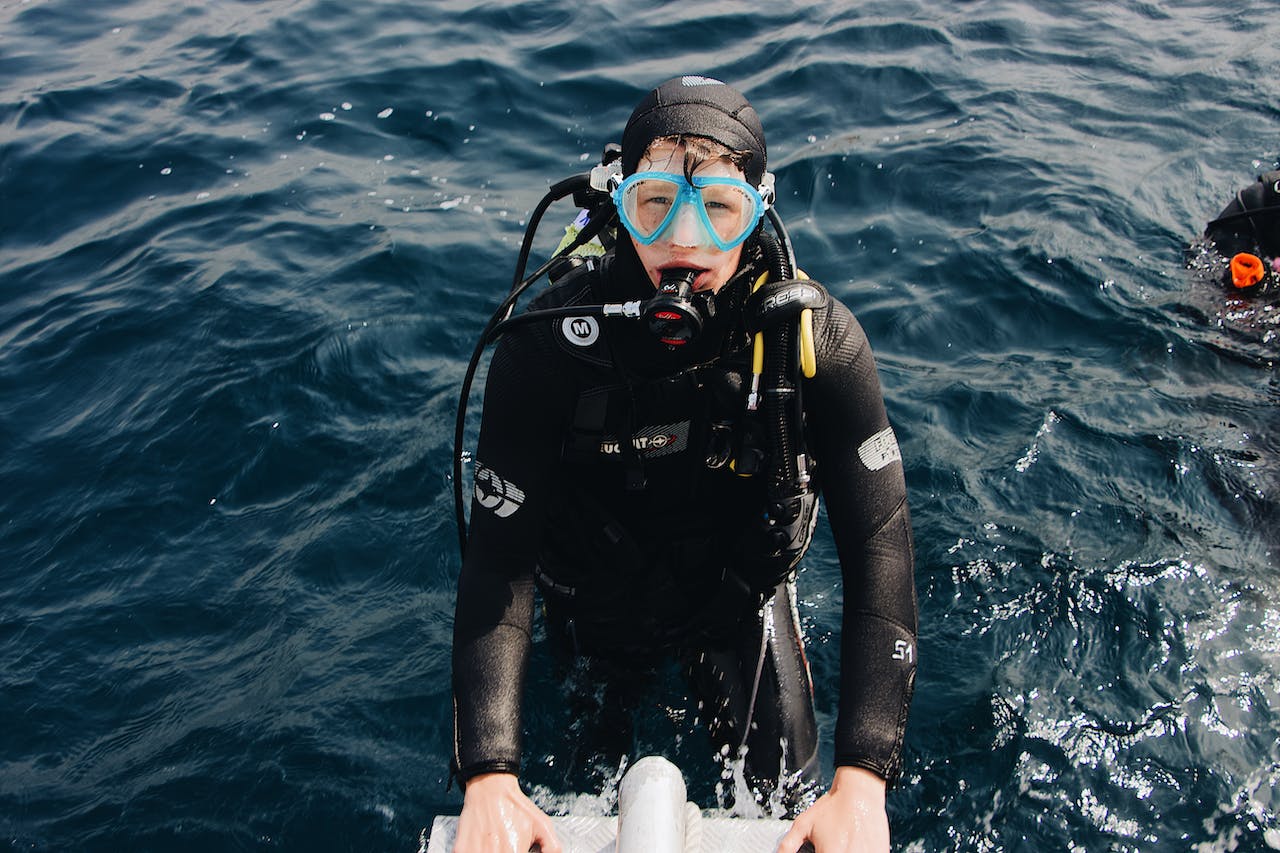
scuba

Destination Dive: Charting Courses to Thrilling Dive Spots

Embark on a fascinating journey through the development of diving, exploring its history, important equipment, training, and thrilling dive locations. Join us as we look into the ancient origins of undersea expedition, witness the SCUBA Revolution's seismic shift, and equip ourselves for the deep with essential scuba equipment. Learn about the detailed training important for diving efficiency, consisting of class knowing, restricted water training, and open water dives. Discover the attraction of diving travel, from lively tropical reefs to historic shipwrecks. Uncover the magic of diving in Chapter 5, where weightlessness, meditative silence, and amazing biodiversity produce a continually satisfying experience. In conclusion, diving is more than a pastime; it's an entrance to a covert world of marvels. Armed with the ideal equipment and training, dive into a life time of experience and discovery. The ocean's tricks wait for—start today!

Chapter 1: A Deep Dive into History

The history of diving is a testimony to humankind's inherent interest and resourcefulness. Millennia earlier, early scuba divers depended on primitive tools like hollow reeds to check out the shallow waters of rivers and lakes. These brave people might just hold their breath for restricted durations, however their expeditions fired up a stimulate that would ultimately cause a transformation in undersea discovery.

The SCUBA Revolution

In the mid-20th century, diving went through a seismic shift with the creation of the Self-Contained Underwater Breathing Apparatus, referred to as SCUBA. This game-changing development presented a self-dependent approach of undersea expedition, making it available to the masses. SCUBA equipment, making up a tank of compressed air, a regulator, and a breathing device, offered scuba divers with a constant and trustworthy air supply. This marked the birth of modern-day diving and opened the ocean's depths for travelers worldwide.

Chapter 2: Equipping for the Deep

Before venturing into the undersea world, it's necessary to familiarize yourself with the tools and equipment that guarantee your security and boost your diving experience. Let's take a closer take a look at the essential diving devices:

  • Diving Mask: Your Portal to the Deep
    • A premium diving mask uses a clear view of the undersea world.
    • Comfort and a protected fit are vital for a pleasant dive.
  • Snorkel: Surface Breathing for Air Conservation
    • The snorkel allows you to save your tank's air before coming down.
    • It works as an important tool for surface area breathing and relaxation.
  • Fins: Propelling Through the Abyss
    • Fins are your undersea propulsion system, helping with effective and simple and easy motion.
    • Choose the ideal set to match your diving design and choices.
  • Wetsuit or Drysuit: Temperature-Adaptive Gear
    • Depending on water temperature level, choose a wetsuit or drysuit to guarantee thermal security.
    • Comfort and insulation are important for a comfy dive.
  • Buoyancy Control Device (BCD): Mastering Buoyancy
    • The BCD is vital for buoyancy management and preserving your position in the water column.
    • Learn to utilize it successfully for a smooth diving experience.
  • Regulator: Your Lifeline Below
    • The regulator links you to your air supply and allows undersea breathing.
    • Familiarize yourself with its elements and performance for a protected dive.
  • Cylinders: Compressed Air Reservoir
    • These tanks save compressed air or enriched air mixes for breathing undersea.
    • Understand tank sizes and the significance of appropriate upkeep.
  • Dive Computer: Dive Data at Your Fingertips
    • This essential gadget screens depth, time undersea, and climb rate.
    • It safeguards versus decompression illness and makes sure safe diving practices.

Chapter 3: Dive Training Essentials

To end up being a skilled scuba diver, detailed training is vital. The training procedure normally consists of 3 primary elements:

  • Classroom or Online Learning: Delving into Theory
    • Dive into the theoretical elements of diving, covering subjects like dive physics, devices upkeep, and security procedures.
    • Gain insights into pressure modifications, buoyancy, and managing possible undersea emergency situations.
  • Confined Water Training: Immersing in Practical Skills
    • In a regulated environment, such as a pool, experience your very first undersea breaths.
    • Practice important abilities like buoyancy control, mask cleaning, and emergency situation treatments.
  • Open Water Dives: Applying Skills in Reality
    • Under the assistance of a licensed trainer, carry out a series of dives in open water.
    • Showcase your capability to handle devices and browse undersea.

Upon effective training conclusion, you'll make accreditation, approving you the flexibility to take part in independent diving activities. This accreditation unlocks to a world of undersea experiences and sets the phase for sophisticated courses, consisting of deep diving, wreck diving, and undersea photography.

Chapter 4: Dive Destinations Beyond Imagination

The attraction of diving encompasses a huge selection of travel chances. Dive travel is not almost checking out the undersea world; it's an invite to immerse yourself in varied cultures, foods, and enchanting landscapes. Let's check out some leading dive locations around the world:

  • Tropical Reefs: Vibrant Coral Paradises
    • Picture yourself wandering through lively coral gardens bursting with unique fish in the Maldives or the Great Barrier Reef.
    • Revel in the marvels of marine biodiversity in these tropical wonderlands.
  • Shipwrecks: A Journey through History
    • Embark on a trip through time by checking out sunken ships became synthetic reefs.
    • Witness the fascinating marine life that now grows in the middle of these maritime antiques.
  • Caves and Caverns: Thrills in Darkness
    • For adrenaline lovers, cavern diving uses a unique and difficult experience.
    • Navigate complex cavern systems and find enchanting underground landscapes.
  • Cold Water Diving: Unveiling Hidden Treasures
    • Dive into the cooler waters of chillier environments, where distinct communities and sensational undersea vistas wait for.
    • Encounter the covert charm underneath the surface area in unforeseen areas.
  • Marine Reserves: Sanctuaries of Life
    • Explore secured marine reserves, home to a few of the world's wealthiest biodiversity.
    • Witness threatened types and beautiful coral developments in their natural environment.

Chapter 5: The Magic of Scuba Diving - An Enthralling Experience

The real magic of diving depends on the fascinating experiences it uses to travelers. As you come down underneath the surface area, you go into a world of unequaled charm and serenity. The feeling of weightlessness is liberating, the silence is meditative, and the biodiversity is amazing. Each dive provides brand-new encounters and discovering chances, making diving a continually satisfying pursuit.

Conclusion: Dive into the Depths - Your Adventure Awaits

In conclusion, scuba diving is more than a sport or a pastime; it is an entrance to a covert world filled with marvels beyond creativity. Armed with the ideal scuba equipment and appropriate training, you can start a life time of experience and discovery. The possibilities for diving travel are limitless, with each location providing its distinct attraction and obstacles.

Don't wait any longer; start today and reveal the unbelievable world that lies underneath the waves. Whether you're an adrenaline candidate, a nature lover, or somebody looking for an unique experience, diving has something amazing to use. Dive in, and let the ocean's tricks mesmerize your creativity as you check out the depths of this captivating undersea world.

scuba gear, scuba equipment

Navigating the Underwater World: A Beginner’s Guide to Scuba Gear

Scuba diving opens an enchanting undersea world, a world where experience and discovery wait for. The right scuba equipment and scuba devices are necessary for this exciting journey. For novices and skilled scuba divers alike, The Scuba Club stands as a beacon, assisting you through the large options of devices and making sure a safe, comfy, and memorable diving experience.

Key Takeaways

  • Proper scuba training is necessary for security and satisfaction.
  • Selecting the right scuba equipment boosts the diving experience.
  • The Scuba Club uses professional recommendations and a wide variety of scuba devices.

1. Understanding Scuba Diving

Scuba diving is an immersive experience, permitting you to check out water marvels. Unlike snorkeling, it needs particular scuba devices, such as a self-contained undersea breathing device (SCUBA), making it possible for prolonged undersea expedition. It's not simply a sport however an entrance to a world filled with dynamic marine life and peaceful landscapes.

2. The Importance of Scuba Training

Before diving into the deep, scuba training is vital. It includes mastering scuba devices use, undersea interaction, and security procedures. Training courses, frequently offered by specialists at The Scuba Club, cover diving physics and physiology, making sure a well-rounded understanding and a safe diving experience.

3. Choosing the Right Scuba Gear

The journey to picking the ideal scuba equipment begins with comprehending specific requirements. From wetsuits to Buoyancy Control Devices (BCDs), each tool plays an important function. The Scuba Club uses a series of choices, making sure scuba divers discover equipment that fits conveniently and fulfills their diving design.

4. Essential Scuba Diving Equipment

Beyond the essentials, scuba divers require extra scuba devices like dive tanks and lights. These tools guarantee security and boost the undersea experience. The Scuba Club can help in selecting the best devices based upon diving conditions and individual choices.

5. Dive Tables and Computers

Understanding dive tables and computer systems is essential to safe diving. These gadgets, readily available at The Scuba Club, aid handle dive profiles and avoid decompression illness, vital for every single scuba diver’s toolkit.

6. Top Dive Destinations

The world is abundant with awesome dive websites, each providing a unique undersea phenomenon. The Scuba Club can assist you to locations like the Great Barrier Reef or the crystal-clear waters of the Maldives. Their proficiency guarantees you maximize these first-rate diving areas.

7. Planning Your Scuba Travel Adventure

Planning a dive journey includes more than selecting a location. From picking the right scuba gear to comprehending travel requirements, The Scuba Club offers thorough preparation help, guaranteeing your diving experience is smooth and satisfying.

8. Joining a Scuba Club

Joining a club like The Scuba Club uses many advantages. It's not almost having access to the very best scuba devices; it’s likewise about becoming part of a neighborhood where you can share experiences, find out, and grow as a scuba diver.

9. Safety Tips for Scuba Diving

Safety is critical in diving. Adhering to security practices, such as diving within limitations and carrying out pre-dive look at your scuba equipment, is something that The Scuba Club highly supporters.

10. Environmental Awareness

Responsible diving practices play an important function in safeguarding undersea communities. The Scuba Club stresses the significance of environment-friendly diving and motivates scuba divers to take part in preservation efforts.

11. Overcoming Common Challenges

Scuba diving can provide difficulties like adjusting ear pressure or handling buoyancy. The Scuba Club uses ideas and assistance to assist scuba divers conquer these difficulties, making sure a smooth diving experience.

12. Advanced Scuba Skills

For those wanting to advance their abilities, The Scuba Club uses courses and training for much deeper and more technical dives, broadening your horizons in the undersea world.

Conclusion

Scuba diving with the right scuba devices is an experience like no other. The Scuba Club is your relied on partner in this journey, supplying the equipment, training, and proficiency required to dive with confidence and properly. So prepare, dive in, and check out the marvels underneath the waves.

Online English teacher preparing lesson materials for overseas teaching

Age Limits and Health Requirements for South Africans Teaching Overseas

Teaching English abroad has become an increasingly attractive option for South Africans seeking travel, professional growth, and international income. The global demand for qualified English instructors remains strong, particularly in Asia, the Middle East, and parts of Europe. However, enthusiasm alone is not enough. Before booking flights or signing contracts, it is essential to understand the legal and medical frameworks that govern international placements.

Among the most common questions prospective educators ask are those related to age restrictions and health screenings. Governments set specific visa conditions, and schools are bound by national labor laws. In many cases, immigration policy directly influences hiring decisions. Understanding the requirements for South Africans to teach English abroad with TEFL ensures you plan strategically and avoid costly surprises.

This guide unpacks age thresholds, medical clearances, background checks, and other eligibility criteria. It also explains how these factors differ across regions and what you can do to strengthen your application.

Why Age Limits Exist in International Teaching Programs

Age restrictions are rarely arbitrary. They are typically linked to work visa regulations rather than school preferences. Immigration authorities in countries such as China, South Korea, Japan, and United Arab Emirates impose minimum and maximum age limits for foreign employees.

Most Asian countries set a minimum age of 21 or 22 for work visas tied to English teaching. The upper limit commonly falls between 55 and 60 years old, although this varies depending on the country and the specific visa category.

Employers themselves may be flexible. Immigration departments are not.

In practical terms, this means that even if a private language center wants to hire a highly experienced teacher over 60, the visa may not be granted. In contrast, some European countries operate under different labor frameworks and may not enforce strict maximum age caps, provided the applicant meets other criteria.

If you are under 21, opportunities are significantly limited. If you are over 55, destination choice becomes strategic rather than broad.

Common Age Ranges by Region

While policies change periodically, the following general patterns apply:

  • East Asia typically prefers candidates between 21 and 60

  • The Middle East often imposes upper age limits between 55 and 60

  • Southeast Asia tends to be more flexible but still requires adulthood for visa issuance

  • Parts of Europe may prioritize EU passport holders but apply fewer strict age caps

These are visa-driven constraints. They do not reflect teaching ability or professional competence.

Older candidates with extensive experience sometimes secure roles in international schools, private institutions, or corporate training environments where exceptions may apply. However, documentation must be precise and complete.

Health Requirements and Medical Screening Standards

Health assessments form a core part of overseas employment approval. Immigration authorities want assurance that foreign workers do not pose public health risks and are physically capable of fulfilling contract duties.

Most countries require a medical examination before or after arrival. This often includes blood tests, chest X-rays, and general physical assessments.

In many cases, you will be screened for:

  • Communicable diseases such as tuberculosis

  • HIV status, depending on local regulations

  • Drug use through laboratory testing

  • General physical fitness and chronic conditions

The specific tests depend on national policy. For example, work visa procedures in China and South Korea are known for comprehensive medical checks. Meanwhile, some European countries may require proof of health insurance rather than extensive laboratory screening.

If a medical condition is well managed and documented, it does not automatically disqualify you. Transparency is critical. Concealing information can invalidate a visa or employment contract.

Understanding these medical protocols is central when reviewing the requirements for South Africans to teach English abroad with TEFL, especially since health documentation must often be notarized or authenticated.

Criminal Background Checks and Character Clearance

Health is only one part of eligibility. Criminal record clearance is equally significant.

Most countries demand a police clearance certificate issued by the South African Police Service. This document verifies that you do not have disqualifying criminal convictions, particularly those related to violence or offenses involving minors.

The clearance typically needs to be:

  • Recently issued

  • Authenticated or apostilled

  • Translated if required by the destination country

Background verification aligns with child safeguarding policies and international labor standards. Schools are legally obligated to ensure student safety.

If you have minor historical offenses, disclosure is essential. Some countries differentiate between serious and non-serious infractions. Each case is assessed individually, but nondisclosure can result in immediate contract termination.

TEFL Certification and Academic Credentials

While this article focuses on age and health, academic qualifications remain foundational.

Most countries require a bachelor’s degree in any discipline. In addition, a recognized Teaching English as a Foreign Language certification is expected. Accreditation matters. Employers and immigration officials may verify course hours, practical components, and issuing institutions.

For South Africans, degree certificates often need to be verified by relevant authorities and apostilled for international use. TEFL certificates may require similar authentication.

Without these documents properly legalized, visa applications stall.

A structured understanding of the requirements for South Africans to teach English abroad with TEFL must therefore integrate academic validation, age compliance, and medical clearance as interconnected elements.

Insurance and Ongoing Health Compliance

Beyond initial screening, teachers are generally required to maintain health insurance coverage throughout their contract period.

Some employers provide state-backed insurance schemes. Others require private coverage. In the Middle East, for example, employer-sponsored health insurance is often mandatory under labor law.

Failure to maintain coverage can affect visa status.

In addition, teachers may be subject to periodic health checks. Renewal of residency permits sometimes involves updated medical reports.

Planning financially for these requirements is prudent. Medical tests, document legalization, and insurance premiums can add up before your first paycheck arrives.

Fitness for Classroom Demands

Teaching English abroad can be physically and mentally demanding.

Class sizes may be large. Workdays can be long. Climate conditions in certain regions are intense. Being medically cleared is not only about immigration approval. It is also about personal sustainability.

Before committing, assess your own readiness. Consider workload, time zone adjustments, and cultural adaptation. Managing stress effectively is part of professional resilience.

If you have chronic health conditions, discuss them with a medical professional before departure. Ensure prescriptions are available in your destination country. Carry official documentation if necessary.

Proactive preparation reduces risk and improves your overall experience.

Planning Ahead and Avoiding Delays

Many aspiring teachers underestimate document processing timelines.

Police clearance certificates can take weeks. Apostille services add further delays. Medical examinations must often be conducted within a specific timeframe prior to visa submission. Start early.

Keep digital and physical copies of every document. Verify that names match exactly across passports, degrees, and certificates. Minor discrepancies can result in administrative rejection. Recruiters and placement agencies may assist, but ultimate responsibility rests with you. Careful organization demonstrates professionalism and increases employer confidence.

For South Africans eager to expand their careers internationally, understanding the requirements for South Africans to teach English abroad with TEFL is not merely procedural. It is strategic. Age eligibility, medical compliance, academic validation, and character clearance collectively determine whether an application proceeds smoothly or encounters barriers.

With accurate information, thorough preparation, and realistic expectations, teaching overseas can be a rewarding and transformative professional step.

best plumbing company in Pretoria

How to Establish Yourself as a Top Plumber in Pretoria East

Becoming a plumbing is a gratifying profession option, using stability, development chances, and the complete satisfaction of fixing complicated issues. If you're considering this course and desire be amongst the very best plumbing professionals in Pretoria East, here's a thorough guide to assist you start.

1. Understand the Role of a Plumber

Before diving into the specifics of ending up being a plumbing, it's necessary to comprehend what the task involves. Plumbers set up and fix pipelines and components connected with heating, cooling, water circulation, and sanitation systems in domestic, industrial, and commercial structures. They make sure that these systems are operating effectively and follow regional and nationwide pipes codes.

2. Obtain the Necessary Education and Training

To end up being the very best plumbing professional in Pretoria East, you'll require to begin with the best education and training. Here are the actions you must follow:

Complete High School Education

A high school diploma or equivalent is normally needed to start a pipes apprenticeship. Focus on topics like mathematics, physics, and store classes, which supply a strong structure for the abilities you'll require.

Enroll in a Technical School

While not constantly obligatory, going to a technical school can offer you an edge. These programs provide courses particularly associated to pipes, such as pipeline system style, security practices, and plan reading. Completing a technical program can make you a more appealing prospect for apprenticeships.

3. Find an Apprenticeship

Securing an apprenticeship is an essential action in your journey to ending up being the very best plumbing professional in Pretoria East. Apprenticeships integrate class guideline with on-the-job training, enabling you to make while you find out. Here’s how to set about it:

Research and Apply

Look for apprenticeship programs provided by unions, trade schools, or pipes business. Apply to several programs to increase your opportunities of being accepted. The best plumbing company in Pretoria typically provides competitive apprenticeship chances, so watch out for those.

Complete Your Apprenticeship

Apprenticeships normally last 4-5 years, throughout which you'll work under the guidance of skilled plumbing professionals. You'll find out to set up, fix, and keep different pipes systems, acquiring hands-on experience that is vital in this trade.

4. Obtain Licensure and Certification

After finishing your apprenticeship, you’ll require to get a pipes license. The requirements differ by area, however usually, you’ll require to pass a test that checks your understanding of pipes codes, policies, and finest practices. In Pretoria East, having a license is obligatory to work as a plumbing lawfully.

Consider pursuing extra accreditations, such as those for particular kinds of pipes systems or green pipes practices. These accreditations can set you apart from other plumbing professionals and assist you end up being the very best plumbing professional in Pretoria East.

5. Gain Experience and Continue Learning

Experience is vital in the pipes market. As you acquire more experience, you’ll manage a broader range of jobs, from little repair work to massive setups. Continuing education is likewise crucial. Stay upgraded with the most recent pipes innovations, tools, and strategies through workshops, workshops, and courses. The finest plumbing professionals in Pretoria East are constantly discovering and adjusting to brand-new developments in the field.

6. Establish a Reputation

To be acknowledged as one of the very best plumbing professionals in Pretoria East, you require to develop a strong credibility. Here’s how:

Provide Excellent Service

Always aim to surpass your customers' expectations. Be prompt, expert, and considerate. Quality craftsmanship and remarkable customer support will cause favorable evaluations and repeat company.

Network and Market Yourself

Join regional trade companies and participate in market occasions to network with other experts. Create a site and social networks profiles to display your work and bring in brand-new customers. Word-of-mouth recommendations are vital, so motivate pleased consumers to advise you to others.

Becoming the very best plumbing professional in Pretoria East needs devotion, education, and hands-on experience. By following these actions, you can develop an effective profession and develop yourself as a relied on expert in the pipes market. Whether you select to work for a recognized business or begin your own, the chances in this field abound and gratifying.