
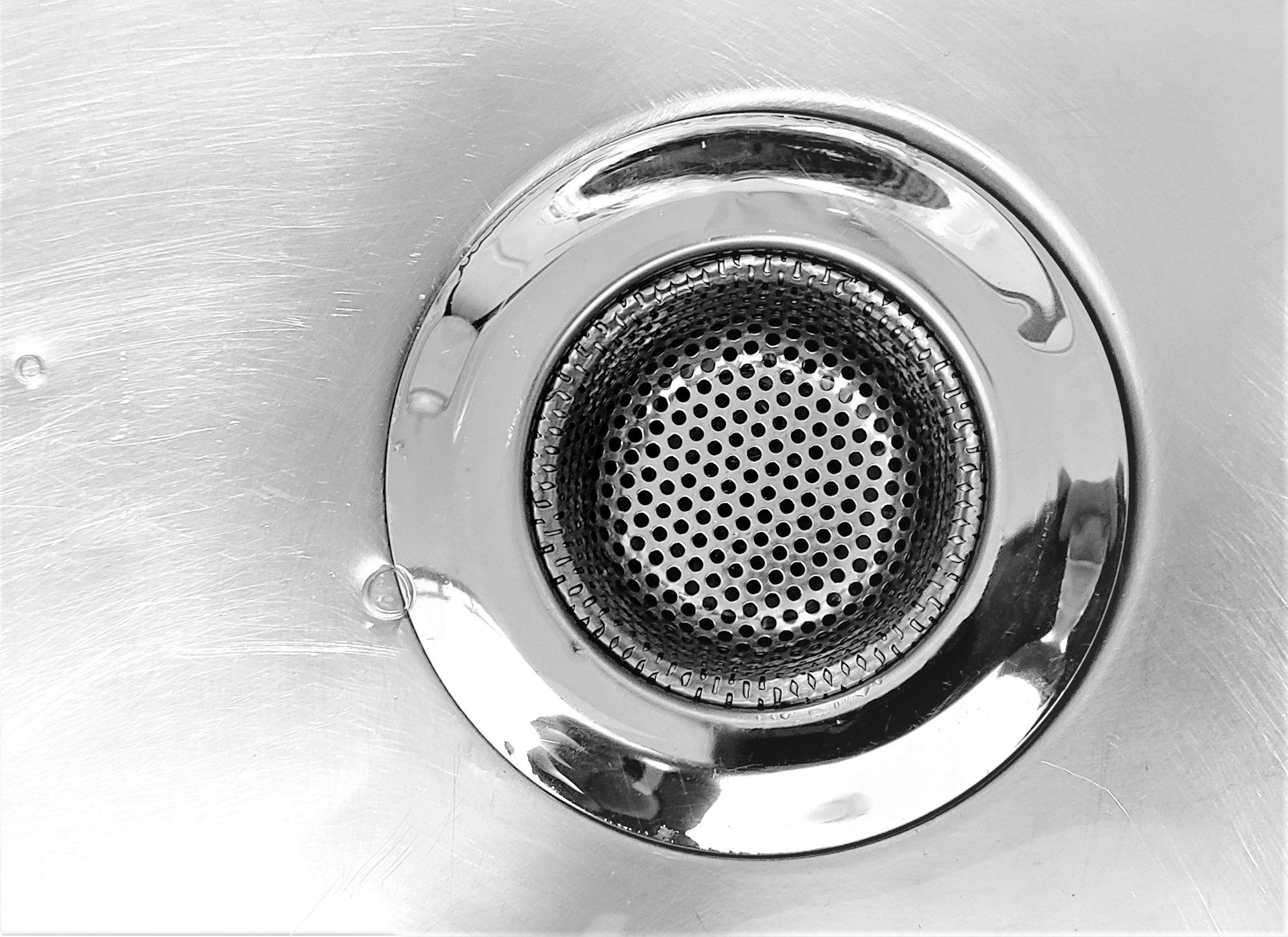
close-up of a clogged drain being cleaned

Drain Cleaning vs. DIY Unclogging: When to Call a Professional Plumber

Blocked sinks and slow-moving drains are more than a minor inconvenience. They disrupt daily routines, create unpleasant odours, and can signal deeper plumbing issues developing out of sight. Many homeowners initially reach for household remedies before considering professional drain cleaning, hoping for a quick and inexpensive fix.

In some cases, a simple blockage can be resolved without outside help. In others, what appears to be a minor clog may be the early warning sign of structural pipe damage, invasive tree roots, or years of accumulated debris. Understanding the difference is essential, especially when plumbing systems form part of your home’s long-term value and safety.

Knowing when to attempt a DIY solution and when to call a qualified plumber protects both your property and your budget. Acting too late can lead to burst pipes, water damage, or even health risks from sewage backups. Making informed decisions ensures your drainage system continues to function efficiently and safely.

Understanding What Causes Drain Blockages

Most household blockages develop gradually. Grease, soap residue, food scraps, hair, mineral buildup, and foreign objects slowly accumulate along pipe walls. Over time, the internal diameter of the pipe narrows until water can no longer pass freely.

In kitchens, grease and oils are frequent culprits. These substances may flow easily when hot but solidify as they cool, trapping other debris. Bathrooms present a different challenge, where hair combines with soap scum to form dense obstructions.

Outside the home, underground drainage lines face additional risks. Tree roots can penetrate small cracks in pipes, expanding as they grow and restricting water flow. Shifting soil and aging materials may also cause pipe misalignment or collapse.

Recognising the underlying cause determines whether a simple remedy will work or whether professional intervention is necessary.

When DIY Unclogging Can Be Effective

Minor clogs near the surface often respond well to basic household tools. If water drains slowly but does not completely back up, the blockage may be close to the fixture.

Homeowners commonly try:

  • A plunger to create pressure and dislodge debris

  • A drain snake or auger for shallow blockages

  • Removing and cleaning the P-trap beneath sinks

  • Hot water flushing for mild grease buildup

These methods are generally safe when used correctly and can restore normal flow in uncomplicated cases.

However, caution is critical. Chemical drain cleaners may promise instant results, but repeated use can corrode pipes, weaken joints, and create environmental hazards. In older plumbing systems, harsh chemicals may accelerate deterioration rather than solve the problem.

DIY approaches are best reserved for isolated, minor clogs. If symptoms persist or worsen, further action is required.

Warning Signs That Indicate a Deeper Problem

Certain symptoms suggest the issue extends beyond a simple blockage. Ignoring these warning signs can allow small issues to escalate into major repairs.

Watch for:

  • Multiple fixtures draining slowly at the same time

  • Gurgling sounds from toilets or sinks

  • Water backing up into showers or tubs

  • Persistent foul odours

  • Recurring clogs despite repeated attempts to clear them

These signs often point to a blockage in the main sewer line or a structural defect within the plumbing system. Professional assessment becomes essential at this stage.

Delaying proper intervention increases the risk of overflow and contamination. Sewage backups, in particular, pose serious health risks due to bacteria and harmful pathogens.

The Advantages of Professional Drain Cleaning

When a blockage is complex or deeply embedded, specialised equipment makes the difference. Professional plumbers use advanced diagnostic tools such as drain cameras to inspect pipes internally. This eliminates guesswork and identifies the exact source of the problem.

High-pressure hydro jetting systems can remove years of hardened grease, sludge, and mineral buildup without damaging pipe walls. Mechanical augers designed for heavy-duty use reach further than consumer-grade tools and clear obstructions more thoroughly.

Professional drain cleaning also addresses root causes rather than symptoms. If tree roots are present, a plumber can recommend long-term solutions such as pipe repair or replacement.

Most importantly, professional service reduces the likelihood of recurring problems. While DIY fixes may offer temporary relief, expert treatment restores full pipe capacity and improves overall system performance.

Financial Considerations: Short-Term Savings vs. Long-Term Costs

DIY unclogging appears cost-effective at first glance. Basic tools are affordable, and many homeowners prefer to avoid service fees.

Yet repeated attempts can increase costs over time. Purchasing multiple chemical treatments, renting equipment, or repairing accidental pipe damage can quickly exceed the price of a professional visit.

Water damage resulting from unresolved blockages is significantly more expensive. Repairs to flooring, cabinetry, and structural components often involve thousands in restoration costs.

Investing in professional care early may prevent larger financial burdens later. Proper maintenance protects both property value and household hygiene.

Health and Safety Implications

Blocked drains are not merely inconvenient. Standing water becomes a breeding ground for bacteria and insects. Sewage exposure can cause gastrointestinal illness, respiratory issues, and skin irritation.

Chemical cleaners introduce additional hazards. Fumes may irritate lungs and eyes, especially in poorly ventilated spaces. Accidental splashes can cause burns.

Professional plumbers are trained to handle hazardous situations safely. Protective equipment and industry protocols minimise risk during repairs.

When health concerns arise, prioritising safety over short-term savings is a prudent decision.

Preventative Measures to Reduce Future Blockages

Prevention remains the most effective strategy for maintaining a healthy plumbing system. Small changes in daily habits significantly reduce clog formation.

Practical prevention steps include:

  • Avoid pouring grease or oil down sinks

  • Install drain strainers to catch hair and debris

  • Flush drains periodically with hot water

  • Schedule periodic inspections for older plumbing systems

Routine maintenance extends pipe lifespan and reduces emergency calls. In properties with mature trees, regular inspections help detect root intrusion before severe damage occurs.

A proactive approach reduces stress and protects infrastructure.

Making the Right Call for Your Home

The decision between DIY methods and professional assistance depends on severity, recurrence, and overall system condition. Minor surface clogs may respond to simple tools. Persistent or widespread issues demand expert evaluation.

When multiple warning signs appear, relying solely on household remedies risks escalating damage. Plumbing systems are interconnected; what seems isolated may affect the broader network.

Experienced plumbers provide accurate diagnostics, durable solutions, and compliance with building standards. Their expertise ensures that underlying issues are resolved, not masked.

Addressing drainage concerns promptly supports household hygiene, structural integrity, and long-term property value. Thoughtful decision-making today prevents costly complications tomorrow, keeping your plumbing system reliable and efficient for years to come.

scuba

Destination Dive: Charting Courses to Thrilling Dive Spots

Embark on a fascinating journey through the development of diving, exploring its history, important equipment, training, and thrilling dive locations. Join us as we look into the ancient origins of undersea expedition, witness the SCUBA Revolution's seismic shift, and equip ourselves for the deep with essential scuba equipment. Learn about the detailed training important for diving efficiency, consisting of class knowing, restricted water training, and open water dives. Discover the attraction of diving travel, from lively tropical reefs to historic shipwrecks. Uncover the magic of diving in Chapter 5, where weightlessness, meditative silence, and amazing biodiversity produce a continually satisfying experience. In conclusion, diving is more than a pastime; it's an entrance to a covert world of marvels. Armed with the ideal equipment and training, dive into a life time of experience and discovery. The ocean's tricks wait for—start today!

Chapter 1: A Deep Dive into History

The history of diving is a testimony to humankind's inherent interest and resourcefulness. Millennia earlier, early scuba divers depended on primitive tools like hollow reeds to check out the shallow waters of rivers and lakes. These brave people might just hold their breath for restricted durations, however their expeditions fired up a stimulate that would ultimately cause a transformation in undersea discovery.

The SCUBA Revolution

In the mid-20th century, diving went through a seismic shift with the creation of the Self-Contained Underwater Breathing Apparatus, referred to as SCUBA. This game-changing development presented a self-dependent approach of undersea expedition, making it available to the masses. SCUBA equipment, making up a tank of compressed air, a regulator, and a breathing device, offered scuba divers with a constant and trustworthy air supply. This marked the birth of modern-day diving and opened the ocean's depths for travelers worldwide.

Chapter 2: Equipping for the Deep

Before venturing into the undersea world, it's necessary to familiarize yourself with the tools and equipment that guarantee your security and boost your diving experience. Let's take a closer take a look at the essential diving devices:

  • Diving Mask: Your Portal to the Deep
    • A premium diving mask uses a clear view of the undersea world.
    • Comfort and a protected fit are vital for a pleasant dive.
  • Snorkel: Surface Breathing for Air Conservation
    • The snorkel allows you to save your tank's air before coming down.
    • It works as an important tool for surface area breathing and relaxation.
  • Fins: Propelling Through the Abyss
    • Fins are your undersea propulsion system, helping with effective and simple and easy motion.
    • Choose the ideal set to match your diving design and choices.
  • Wetsuit or Drysuit: Temperature-Adaptive Gear
    • Depending on water temperature level, choose a wetsuit or drysuit to guarantee thermal security.
    • Comfort and insulation are important for a comfy dive.
  • Buoyancy Control Device (BCD): Mastering Buoyancy
    • The BCD is vital for buoyancy management and preserving your position in the water column.
    • Learn to utilize it successfully for a smooth diving experience.
  • Regulator: Your Lifeline Below
    • The regulator links you to your air supply and allows undersea breathing.
    • Familiarize yourself with its elements and performance for a protected dive.
  • Cylinders: Compressed Air Reservoir
    • These tanks save compressed air or enriched air mixes for breathing undersea.
    • Understand tank sizes and the significance of appropriate upkeep.
  • Dive Computer: Dive Data at Your Fingertips
    • This essential gadget screens depth, time undersea, and climb rate.
    • It safeguards versus decompression illness and makes sure safe diving practices.

Chapter 3: Dive Training Essentials

To end up being a skilled scuba diver, detailed training is vital. The training procedure normally consists of 3 primary elements:

  • Classroom or Online Learning: Delving into Theory
    • Dive into the theoretical elements of diving, covering subjects like dive physics, devices upkeep, and security procedures.
    • Gain insights into pressure modifications, buoyancy, and managing possible undersea emergency situations.
  • Confined Water Training: Immersing in Practical Skills
    • In a regulated environment, such as a pool, experience your very first undersea breaths.
    • Practice important abilities like buoyancy control, mask cleaning, and emergency situation treatments.
  • Open Water Dives: Applying Skills in Reality
    • Under the assistance of a licensed trainer, carry out a series of dives in open water.
    • Showcase your capability to handle devices and browse undersea.

Upon effective training conclusion, you'll make accreditation, approving you the flexibility to take part in independent diving activities. This accreditation unlocks to a world of undersea experiences and sets the phase for sophisticated courses, consisting of deep diving, wreck diving, and undersea photography.

Chapter 4: Dive Destinations Beyond Imagination

The attraction of diving encompasses a huge selection of travel chances. Dive travel is not almost checking out the undersea world; it's an invite to immerse yourself in varied cultures, foods, and enchanting landscapes. Let's check out some leading dive locations around the world:

  • Tropical Reefs: Vibrant Coral Paradises
    • Picture yourself wandering through lively coral gardens bursting with unique fish in the Maldives or the Great Barrier Reef.
    • Revel in the marvels of marine biodiversity in these tropical wonderlands.
  • Shipwrecks: A Journey through History
    • Embark on a trip through time by checking out sunken ships became synthetic reefs.
    • Witness the fascinating marine life that now grows in the middle of these maritime antiques.
  • Caves and Caverns: Thrills in Darkness
    • For adrenaline lovers, cavern diving uses a unique and difficult experience.
    • Navigate complex cavern systems and find enchanting underground landscapes.
  • Cold Water Diving: Unveiling Hidden Treasures
    • Dive into the cooler waters of chillier environments, where distinct communities and sensational undersea vistas wait for.
    • Encounter the covert charm underneath the surface area in unforeseen areas.
  • Marine Reserves: Sanctuaries of Life
    • Explore secured marine reserves, home to a few of the world's wealthiest biodiversity.
    • Witness threatened types and beautiful coral developments in their natural environment.

Chapter 5: The Magic of Scuba Diving - An Enthralling Experience

The real magic of diving depends on the fascinating experiences it uses to travelers. As you come down underneath the surface area, you go into a world of unequaled charm and serenity. The feeling of weightlessness is liberating, the silence is meditative, and the biodiversity is amazing. Each dive provides brand-new encounters and discovering chances, making diving a continually satisfying pursuit.

Conclusion: Dive into the Depths - Your Adventure Awaits

In conclusion, scuba diving is more than a sport or a pastime; it is an entrance to a covert world filled with marvels beyond creativity. Armed with the ideal scuba equipment and appropriate training, you can start a life time of experience and discovery. The possibilities for diving travel are limitless, with each location providing its distinct attraction and obstacles.

Don't wait any longer; start today and reveal the unbelievable world that lies underneath the waves. Whether you're an adrenaline candidate, a nature lover, or somebody looking for an unique experience, diving has something amazing to use. Dive in, and let the ocean's tricks mesmerize your creativity as you check out the depths of this captivating undersea world.