
Flexible furnished rentals for travellers

How Furnished Rentals Can Offer More Flexibility When Travelling

Travelling often involves more than simply choosing a destination and booking somewhere to sleep. The length of a stay, daily routines, work commitments, personal preferences and the need for practical amenities can all influence which type of accommodation makes sense. For travellers planning more than a short getaway, having a space that supports everyday living can make the experience easier to manage.

For visitors spending several days or weeks in a new city, furnished rentals Cape Town options can provide an alternative to traditional hotel accommodation. Instead of relying entirely on hotel facilities and services, travellers can have access to a ready-to-use living space with features designed for longer stays.

Flexibility is particularly useful when travel plans change. A delayed flight, extended business trip, family visit or change in itinerary can make a rigid accommodation arrangement less convenient. Furnished accommodation can offer a practical balance between the comfort of a home and the convenience of a temporary place to stay.

A Practical Option for Longer Stays

Hotels can work well for short visits, particularly when travellers spend most of their time exploring or attending meetings. However, staying in one room for an extended period can become less practical.

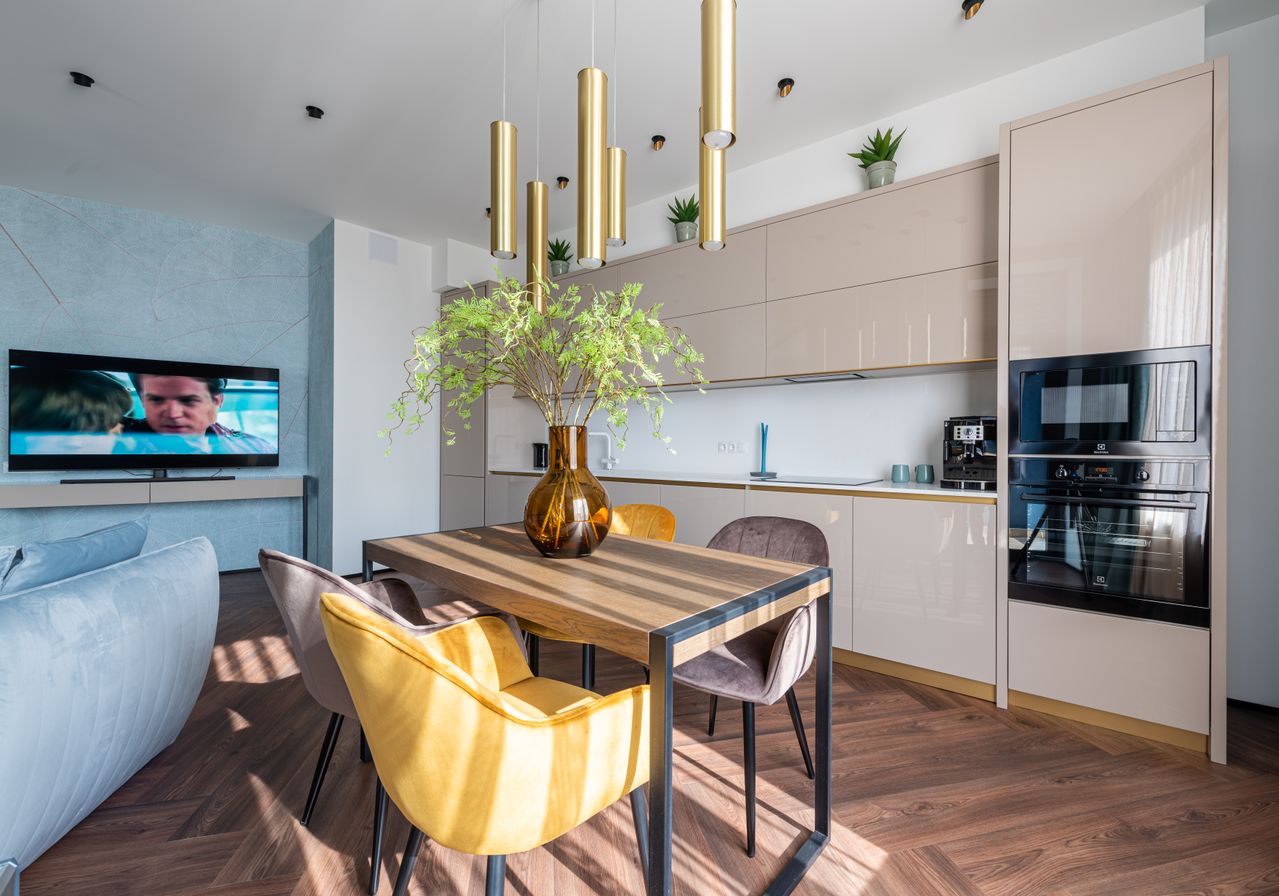
A furnished rental generally provides separate areas for sleeping, relaxing and preparing food. Having more space can make a noticeable difference when a traveller is staying for several weeks.

This arrangement can also make it easier to maintain familiar routines. Instead of adapting every part of the day around hotel services, guests may have the freedom to organise their time according to their own schedule.

More Space for Everyday Living

One of the main advantages of furnished accommodation is the additional living space it can provide.

A separate lounge or living area gives travellers somewhere to relax without having to remain in the bedroom. This can be particularly useful for couples, families or people working remotely during their trip.

A suitable rental may also include a dining area, kitchen and storage space. These features can make a temporary property feel more functional than a conventional single-room accommodation setup.

The amount of space available will vary considerably between properties, so travellers should check the layout and included facilities before booking.

Greater Freedom Around Meals

Eating out can be an enjoyable part of travelling, but doing so for every meal may not suit every traveller.

Access to a kitchen can provide more choice. Guests can prepare simple breakfasts, store snacks or make meals when they prefer not to visit a restaurant.

This can also be useful for travellers with specific dietary requirements or established eating routines. Having basic cooking facilities does not eliminate the appeal of experiencing local restaurants, but it gives guests another option.

A rental's kitchen equipment should be checked before booking, particularly if cooking is an important part of the stay.

Flexibility for Different Travel Schedules

Travel schedules are not always predictable. Business travellers may have meetings at different times each day, while leisure travellers may spend some days sightseeing and others relaxing at their accommodation.

A furnished property can support these changing routines because the space is available throughout the day.

There is no need to structure every activity around housekeeping times or hotel dining hours. Guests can generally decide when they want to work, rest, eat or leave the property, subject to the property's rules.

This can be especially valuable for people combining work and leisure during the same trip.

Useful for Business and Remote Work

Travelling for work can create different accommodation requirements from those of a typical holiday.

A person attending meetings may need somewhere comfortable to review documents, make calls or complete tasks outside normal office hours. Remote workers may need a suitable desk, reliable internet connection and a quieter environment.

Before booking, business travellers should confirm which work-related facilities are available. Internet access, workspace, power outlets and the overall layout can all affect whether a property is suitable.

The presence of a separate living area can also help create a clearer distinction between working and relaxing, particularly during longer stays.

Making It Easier to Adapt to Changing Plans

Flexibility does not necessarily mean being able to change a booking at any time. Rental terms differ, and cancellation, extension and check-in policies should always be reviewed before making a reservation.

However, furnished accommodation can provide flexibility in how travellers use their time and space once they have arrived.

For example, someone who originally planned to spend most days exploring might decide to have a quieter day indoors. Having a comfortable living area, cooking facilities and other everyday amenities makes that change easier.

Travellers extending their stay should also ask about availability and pricing before assuming an extension will be possible.

What to Check Before Booking

A furnished rental should be evaluated based on practical needs rather than appearance alone. Photographs can provide useful information, but they do not always explain the complete arrangement.

Consider the following factors:

  1. Location: Check how convenient the property is for planned activities, workplaces, transport and nearby services.
  2. Length-of-stay terms: Review minimum stays, extension policies and cancellation conditions.
  3. Included furniture: Confirm that the property contains the furniture and equipment you actually need.
  4. Kitchen facilities: Check whether cooking equipment, appliances and basic kitchen amenities are included.
  5. Internet access: If working remotely, confirm the availability and suitability of the internet connection.
  6. Laundry facilities: Washing facilities can be particularly useful during longer trips.
  7. Check-in arrangements: Understand how keys or access codes are provided and whether arrival times are restricted.
  8. Additional costs: Check whether cleaning fees, deposits, utilities or other charges apply.

Taking a few minutes to review these details can help prevent unpleasant surprises after arrival.

A Balance Between Privacy and Convenience

Some travellers want the convenience of accommodation services but also value privacy and independence.

A furnished rental can offer a middle ground. Guests have their own temporary living space while still benefiting from a professionally prepared property.

The level of service varies between providers. Some rentals may include regular cleaning or property support, while others operate more independently.

Understanding what is included is therefore important. A property described as furnished does not necessarily provide the same services as a hotel.

Suitable for Families and Groups

Families and groups can have different accommodation requirements because several people need to share the same space.

Multiple bedrooms and shared living areas can make it easier for everyone to have some personal space. Parents may also appreciate having access to a kitchen and laundry facilities when travelling with children.

The layout of the property matters as much as the total number of bedrooms. Travellers should check sleeping arrangements, bathroom availability and any occupancy restrictions before booking.

For groups, it is also useful to establish how shared areas and property rules will affect the stay.

Supporting a More Comfortable Routine

Travelling can disrupt normal routines. Sleep schedules, meal times, work patterns and leisure activities may all change when someone is away from home.

Having a familiar-style living environment can make the transition easier. A guest can unpack clothing, prepare meals, work from a dedicated area and relax in a separate room instead of keeping everything within one hotel room.

This does not mean every furnished rental will suit every traveller. Comfort depends on factors such as the property's condition, location, facilities and suitability for the length of the stay.

Considering Location as Part of the Experience

Accommodation is not simply a place to sleep. Its location can affect how easily travellers move around a destination.

A property close to public transport, shops, restaurants or major attractions may reduce the amount of time spent travelling between activities. On the other hand, a quieter location may appeal to someone who prioritises relaxation.

The right choice depends on the purpose of the trip. Business travellers may prioritise access to work locations, while holidaymakers may focus more on attractions and leisure facilities.

It is therefore worth considering daily travel requirements before selecting a property.

Why Flexibility Matters During Extended Travel

Longer trips often involve more uncertainty than short breaks. Plans may evolve after arrival, and travellers may discover that their original routine does not suit them as expected.

Furnished accommodation can provide the physical space needed to adapt. A guest might spend more time working one week, cook more meals during another, or simply choose to stay indoors after a busy period.

Having these options can make an extended trip easier to organise without requiring every day to follow the same pattern.

Choosing Accommodation Around Your Needs

There is no single accommodation type that suits every journey. Hotels, guesthouses, serviced apartments and furnished rentals can each serve different purposes.

The most useful approach is to start with the practical requirements of the trip. Consider how long you will stay, how much space you need, whether you will cook, whether you will work and how important location is.

Travellers should also review the property's terms carefully before booking. Clear information about deposits, cancellations, utilities, cleaning, occupancy and check-in arrangements can help avoid misunderstandings.

For those considering furnished rentals Cape Town, comparing properties based on these practical factors can make it easier to find accommodation that matches the structure of the trip rather than simply choosing based on photographs.

Creating a More Flexible Travel Experience

Furnished accommodation can be particularly useful when travel involves more than a few nights. Having additional living space and everyday facilities allows travellers to organise their days with greater independence.

Near the end of the planning process, it can help to focus on a few basic priorities:

  • Choose a location that fits the purpose of the trip.
  • Confirm exactly what furniture and facilities are provided.
  • Check the full pricing and cancellation terms.
  • Consider whether the property suits the planned length of stay.
  • Confirm important practical details such as internet and laundry facilities.

The value of a furnished rental ultimately depends on how well the property matches the traveller's needs. When the location, facilities, space and booking conditions are suitable, it can provide a comfortable base that accommodates both planned activities and unexpected changes along the way.

Humane bird control methods applied on urban building ledges to prevent nesting and roosting in city environments

Humane Bird Control Methods for Urban Buildings and Public Spaces

Bird-related challenges in cities have become increasingly common as urban environments expand and natural habitats shrink. Buildings, transport hubs, and public squares often provide ideal nesting and roosting spaces for pigeons, starlings, and gulls. While birds are an important part of the ecosystem, uncontrolled populations in densely populated areas can create hygiene concerns, structural damage, and safety risks. As such, bird control is a highly sought-after service in both urban and public spaces.

Effective management requires a balanced approach that protects both public health and wildlife. This is where humane solutions play a critical role. Modern urban planning increasingly focuses on long-term prevention strategies rather than reactive measures, especially when dealing with persistent nesting and roosting patterns.

Understanding ethical and environmentally responsible approaches to managing urban bird populations helps ensure that cities remain safe, clean, and biodiverse without unnecessary harm to wildlife. Careful planning, combined with professional methods, can significantly reduce conflicts between humans and birds while maintaining ecological balance.

Understanding Urban Bird Challenges and Behaviour

Birds adapt quickly to human environments because of readily available food sources, sheltered structures, and minimal natural predators. Ledges, rooftops, signage, and bridges provide perfect nesting sites. In many cases, unmanaged populations can lead to blocked drainage systems, corrosion from droppings, and slip hazards in high-footfall areas.

Public spaces such as parks and transport terminals are especially vulnerable. Food waste and predictable human activity encourage flocking behaviour, which can escalate rapidly if not addressed early. Over time, repeated roosting creates established patterns that are difficult to reverse without intervention.

In some cities, this has led to increased demand for humane urban management strategies. Effective solutions aim to discourage nesting without causing injury or distress. These approaches rely on understanding behavioural triggers such as light, sound, texture, and spatial preferences.

A key principle in modern environmental management is prevention rather than removal. Once birds have established nesting sites, relocation becomes more complex and less effective. Early-stage deterrence is therefore essential for long-term control.

Structural and Physical Deterrent Approaches

One of the most widely used categories of solutions involves physical deterrents that make surfaces less suitable for landing or nesting. These methods are designed to be non-lethal and long-lasting, focusing on exclusion rather than harm.

Common physical deterrents include angled ledge modifications, netting systems, and spike strips designed to prevent roosting. These systems are typically installed on building edges, signage, and rooflines where birds commonly gather. When correctly implemented, they do not trap or injure birds but simply discourage them from settling.

Another important method involves sealing access points. Gaps in roofing, vents, and architectural recesses are often exploited by birds seeking shelter. Closing these spaces reduces nesting opportunities significantly and supports long-term prevention.

• Installing tensioned netting across courtyards, courtyards, and open façades
• Applying surface modifications such as sloped coverings to eliminate flat roosting areas
• Using non-harmful spike systems on narrow ledges and beams

While these methods are highly effective, they require careful installation to ensure they remain safe for both wildlife and building occupants. Poorly fitted systems can reduce effectiveness or create unintended hazards.

In some cases, a combined strategy is required, especially in large public infrastructure such as airports, stadiums, and shopping centres. Here, multiple deterrent layers are often used to reinforce effectiveness.

Professional services often incorporate monitoring systems to assess whether structures remain protected over time. This adaptive approach ensures that interventions remain relevant as bird behaviour changes seasonally.

Within these strategies, bird control plays a central role in designing integrated solutions that are both humane and practical for urban environments.

Behavioural and Sensory Deterrent Techniques

Beyond physical barriers, sensory-based approaches are increasingly used to modify bird behaviour without causing distress. These techniques rely on sound, light, or visual cues that make an area less attractive to birds.

For example, reflective materials can disorient birds briefly, encouraging them to avoid certain spaces. Similarly, controlled acoustic devices emit frequencies or patterns that discourage roosting without affecting human activity in the same way. These systems are often programmable, allowing adjustments based on time of day or seasonal migration patterns.

Visual deterrents such as predator silhouettes or moving elements can also reduce nesting behaviour. Birds tend to avoid environments that appear unsafe or unpredictable. However, effectiveness can decrease over time if birds become accustomed to static deterrents, so variation is important.

Key sensory methods include:

• Motion-activated sound systems that respond only when birds are present
• Reflective tape or panels that create shifting light patterns
• Laser-based deterrents used during peak roosting hours in large open areas

These approaches are particularly useful in public spaces where physical modifications may be limited due to architectural or heritage considerations. They allow for flexible management without altering building structures.

It is important that these methods are used responsibly to avoid unnecessary disturbance to other wildlife or nearby residents. Proper calibration ensures that deterrence is targeted and proportionate.

Environmental and Waste Management Strategies

Urban bird issues are often closely linked to human behaviour, particularly waste disposal practices. Accessible food waste is one of the strongest attractants for city-dwelling birds. Reducing these incentives is a foundational part of long-term management.

Waste bins in public areas should be designed with secure lids and emptied regularly. Spillage around markets, restaurants, and transport hubs should be addressed promptly to prevent repeated feeding cycles. When food sources are reduced, bird populations naturally disperse to more suitable environments.

Landscape design also plays a role. Tree placement, water features, and open lawns can either encourage or discourage roosting depending on their configuration. Strategic planning helps reduce congregation in sensitive areas while still supporting biodiversity.

• Ensuring waste containers are sealed and resistant to tampering
• Scheduling frequent cleaning in high-traffic pedestrian zones
• Reducing accessible food waste in outdoor dining and market spaces

Education campaigns can also support behavioural change among the public. When people understand the consequences of feeding wildlife in urban zones, long-term improvements become more achievable.

Integrated environmental planning complements physical and sensory deterrents, creating a multi-layered approach that reduces reliance on reactive measures. This combination improves overall effectiveness while maintaining humane standards.

At this stage, bird control is most successful when aligned with broader municipal hygiene and urban design strategies, ensuring that prevention is embedded into everyday infrastructure management.

Ethical Considerations and Long-Term Urban Planning

Modern wildlife management prioritises humane treatment and ecological balance. Ethical frameworks guide how interventions are selected, ensuring that harm is avoided and natural behaviour is respected as far as possible.

Urban planners increasingly collaborate with environmental specialists to design buildings that are less attractive to nesting birds from the outset. This includes smoother façades, reduced ledge depth, and materials that discourage prolonged roosting. Prevention at the design stage is often more effective than remediation after construction.

Long-term success depends on continuous assessment. Bird populations are dynamic, influenced by seasonal changes, migration, and food availability. Regular monitoring allows for adjustments without resorting to aggressive measures.

Community involvement is also important. Public awareness helps reduce behaviours that unintentionally encourage overpopulation in urban spaces. When residents and businesses adopt consistent waste practices and respect wildlife boundaries, overall pressure on infrastructure decreases.

Sustainable urban environments depend on harmony between human activity and natural ecosystems. Humane deterrence strategies support this balance by reducing conflict while preserving biodiversity. Over time, well-managed cities can coexist with bird populations in a controlled and ethical way, ensuring that both ecological and public health needs are met without compromise.

property for sale in Brackenfell

Glenwood Estate: Where Luxury Meets Location in Brackenfell

Are you on the hunt for luxurious contemporary-luxe residing with the comfort of being located within the coronary heart of cosmopolitan Brackenfell? If so, Glenwood Estate's Phase 1 and Phase 2 properties are suited completely with younger professionals in thoughts who're looking for property on the market in Brackenfell. With 24-hour safety, beautiful trendy inside designs, and fast entry to procuring facilities and high quality faculties within the space, Glenwood is your one-stop store for the last word life-style improve.

When looking for a brand new residence, one of the necessary elements to think about is its location. Glenwood Estate meets this normal with its prime place within the coronary heart of vibrant Brackenfell. Glenwood Estate is conveniently located, making it simple to get to a spread of facilities and services shortly.

Unlike different developments in Brackenfell, Glenwood Estate was constructed with a singular give attention to contemporary-luxe residing. With placing trendy design options similar to dramatic lighting fixtures, Greco-Roman-inspired columns, and enormous home windows to let in ample gentle, world-class structure has been included. These lovely touches make your Glenwood Estate residence really feel like a lodge suite, quite than a conventional condo.

Another drawcard of Glenwood Estate is its spectacular safety features. The property is provided with a 24-hour safety system, safety providers, a safe access-controlled entry gate, and CCTV surveillance. Not solely will you've gotten peace of thoughts realizing that you simply and your belongings are totally protected in your house, however easy accessibility to world-class services is an added bonus.

Glenwood Estate can also be fibre-ready, which implies, primarily, you will not have to attend to entry the web. It is handy to have all of your technical wants met with out having to fret in regards to the practicalities of establishing and connectivity.

When it involves location, Glenwood Estate is definitely an space that's pleasing to reside in. Residents profit from the proximity to varsities, procuring facilities, and different facilities whereas exploring this vibrant neighborhood is an outing in itself. It's excellent for younger professionals in search of the thrill of an energetic social life and close by facilities.

Conclusion:

So, if you happen to're searching for a property for sale in Brackenfell, Glenwood Estate is the realm for you. Glenwood Estate in addition to Phase 1 and Phase 2 had been developed with distinguished modern and splendid touches to enchantment to younger city professionals in search of trendy comfort. With an abundance of facilities and services within the space to match, you'll definitely love your life at Glenwood Estate.

flats for sale in Brackenfell

Dreamy Dwellings: The Diversity of Flats for Sale in Brackenfell

Are you presently on the thrilling mission to discover the ideal flats for sale in the captivating enclave of Brackenfell? Look no additional! Our vibrant and lively neighborhood happily showcases a varied variety of flats for sale, carefully customized to deal with your private choices and special way of life requirements. Whether you're a newbie purchaser taking those preliminary actions onto the residential or commercial property ladder, a member of a growing household looking for a comfortable nest, or somebody seeking to scale down without jeopardizing on convenience, this location provides a range of alternatives that make certain to fulfill your every expectation for flats for sale in Brackenfell.

The Brackenfell Advantage

Nestled in the heart of the Cape Town city, Brackenfell stands as a beacon of the unified blend of rural serenity and metropolitan benefit. This respected suburb is commemorated for its extraordinary schools, well-equipped shopping mall, and an abundance of leisure centers. The lively neighborhood spirit that penetrates through Brackenfell changes it into more than simply a location to live; it ends up being a real sanctuary, a perfect area to call home.

Your Dream Flats for Sale in Brackenfell Await

Embark on a journey of expedition, and you'll quickly find a fascinating range of flats for sale in Brackenfell. The alternatives variety from comfortable one-bedroom systems, ideal for those beginning their independent living journey, to extensive multi-bedroom homes ideal for growing households or those wanting adequate area. Each residential or commercial property is attentively created to make the most of area and convenience, making sure that, no matter your way of life, you will discover a home that completely lines up with your choices.

Whether your taste leans towards a smooth and modern-day visual or you discover yourself captivated by a more conventional appeal, the flats for sale in Brackenfell display an outstanding range of architectural designs. Immerse yourself in open-concept home or loosen up on terraces with awesome views; the varied offerings guarantee you not just discover a flat that satisfies however surpasses your expectations.

Amenities to Elevate Your Lifestyle

Living in Brackenfell implies immersing yourself in a wealth of facilities created to boost your every day life. The hassle-free distance to shopping mall, parks, and leisure centers guarantees that every benefit and pastime is simply a stone's discard. Additionally, the reputable public transportation system turns travelling into a smooth and effective experience, including another layer of convenience to your way of life.

Start Your Journey Today

Seize the golden chance to live in among Cape Town's most in-demand areas. Don't let this possibility escape – check out the attracting alternatives of flats for sale in Brackenfell and start a brand-new chapter specified by convenience, benefit, and neighborhood. Your perfect home is simply a click away, patiently awaiting your discovery in the heart of Brackenfell's lively and inviting neighborhood!

property news South Africa

South African Property Investment: Mastering the Art of Market Timing

Unlocking the capacity of the South African home market is a pursuit that mesmerizes financiers and property buyers alike, even when staying up to date with home news South Africa, it's triggering a continuous mission for the appropriate minute to plunge into the vibrant property landscape. In the world of property news South Africa stands as a beacon, its updates echoing through the passages of decision-making for those poised to make a relocation in the market. The complex dance of market patterns and conditions manages a ballet of financial subtleties, home cost oscillations, and the ups and downs of need versus supply, all of which require watchful attention. This home news South Africa blog site works as a compass, directing both skilled financiers and newbie home purchasers through the maze of decision-making as we explore the complex concern: When is the correct time to buy home in South Africa?

Market Trends and Conditions

The very first thing to think about when purchasing home in South Africa is the existing market patterns and conditions. It’s constantly necessary to watch on the home news South Africa needs to use, to comprehend when the marketplace is climbing up or decreasing. The home market is affected by a range of aspects, consisting of financial development, home cost changes, rate of interest, and need versus supply. The South African home market is understood for its cyclical patterns, which develop changes and development durations. It can be challenging to forecast the marketplace, however it deserves thinking about the existing patterns and financial signs before entering into the marketplace.

Location, Location, Location

The place of a home is possibly the aspect that has the most substantial effect on its worth and prospective revenue. In South Africa, place is vital, with some locations experiencing faster development and gratitude than others. To optimize your financial investment return, concentrate on residential or commercial properties in prime areas such as town hall, main company locations and domestic communities with lively neighborhoods, schools and universities, and hassle-free facilities. On the other hand, residential or commercial properties in less industrialized locations or garin-town locations can have lower returns and might take longer to value in worth.

Seasonal Variations

The seasons can likewise impact the home market in South Africa, with peak seasons generally equating to greater need and increased rates. Typically, the summertime season, from December to February, is the peak time for the home market, with lots of people trying to find vacation homes or summer season leasings. If you’re wanting to buy this market, be prepared to buy before or after this peak duration to maximize the worth of these seasonal patterns.

The Right Time for Your Needs

Ultimately, the correct time to buy a home in South Africa depends upon your particular requirements and scenario. It might be the correct time for you when you have actually looked into the marketplace and chosen a preferable place. Also, when you have a monetary strategy in location and have actually protected the essential funding choices. Consider your brief and long-lasting monetary objectives and the prospective to make long-lasting wealth and the requirement to accomplish monetary self-reliance.

Conclusion:

Timing can make or break your home financial investment, and it’s necessary to watch on market patterns and conditions, place, seasonal variations, and your particular requirements to make the ideal choice for you. However, with a tactical technique, cautious research study of home news South Africa, and a little persistence, purchasing home in South Africa can be among the most profitable and fulfilling choices you can make. Thus, Entrepreneurs must stay on the lookout for chances to invest and grow their portfolios.