
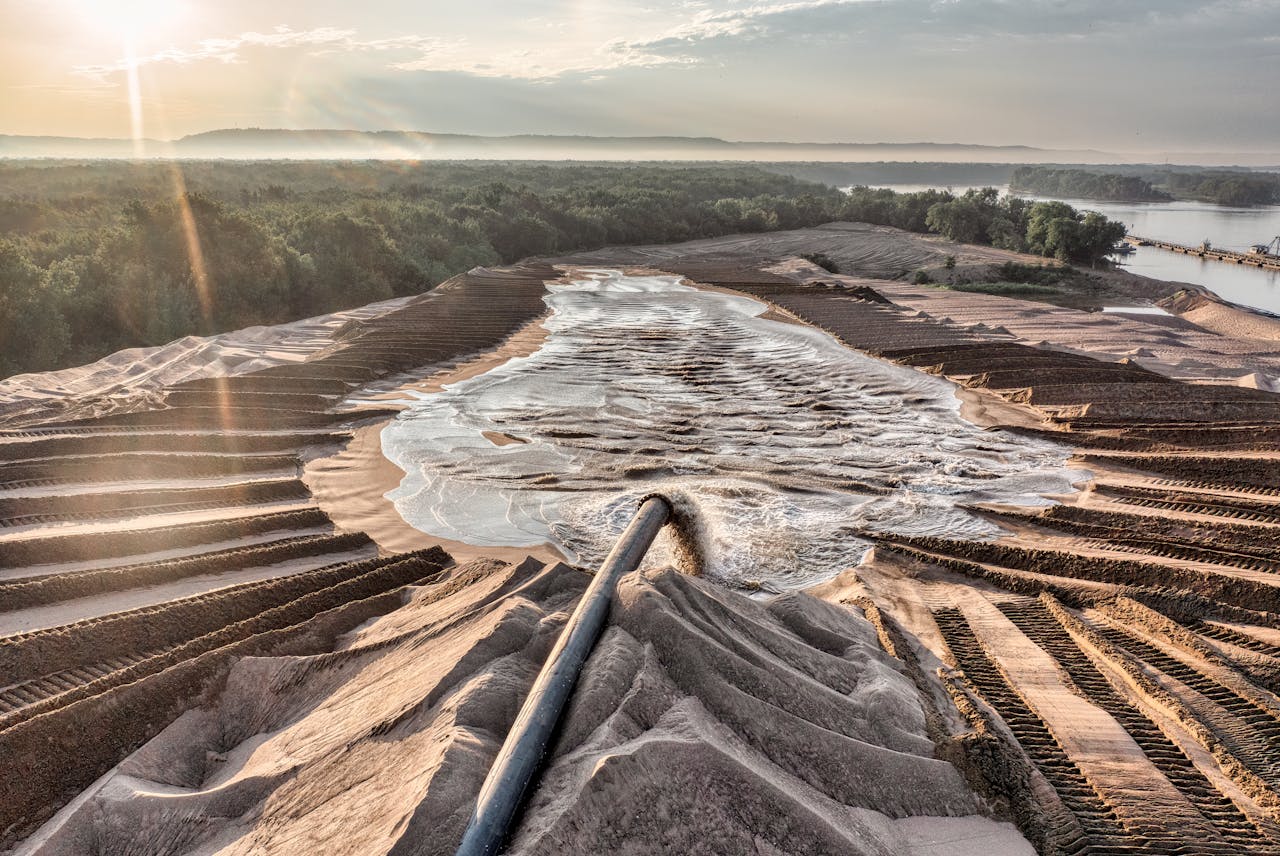
Dredging plays a critical role in maintaining navigable waterways, reclaiming land, and supporting various industries, including construction and mining. However, despite its economic benefits, dredging has significant environmental implications that must be addressed. From disrupting aquatic ecosystems to contributing to water pollution, the impact of dredging is a topic of concern. Fortunately, innovative solutions and sustainable practices can mitigate these challenges, allowing a dredging company or a dredging contractor to operate in a more environmentally responsible manner.
The Challenges of Dredging
1. Disruption of Aquatic Ecosystems
One of the primary environmental concerns associated with dredging is the disruption of aquatic habitats. Many marine and freshwater organisms, including fish, crustaceans, and plant life, rely on stable ecosystems. When sediments are disturbed, essential nutrients and organisms can be displaced, leading to habitat destruction and reduced biodiversity.
Additionally, dredging can alter the natural flow of water bodies, affecting fish migration patterns and breeding grounds. This disruption may have long-term consequences on local fisheries and overall aquatic health.
2. Sediment Resuspension and Water Pollution
A significant issue that arises from dredging is sediment resuspension. When a dredging contractor removes materials from the bottom of a river, lake, or seabed, fine sediments are released into the water column. These sediments can carry contaminants such as heavy metals, pesticides, and industrial waste, leading to water pollution.
Increased turbidity (cloudiness of water) can also block sunlight penetration, negatively affecting photosynthesis in aquatic plants. This, in turn, disrupts the entire food chain, impacting both marine life and water quality.
3. Coastal Erosion and Land Instability
Dredging can contribute to coastal erosion by removing sediment that naturally stabilizes shorelines. When a dredging company extracts large amounts of material, it may inadvertently weaken coastal defenses, making areas more vulnerable to erosion and flooding.
Furthermore, land subsidence can occur when excessive sediment is removed from estuaries and riverbeds. This can lead to sinking land, threatening nearby infrastructure, including roads, bridges, and buildings.
4. Noise and Air Pollution
Dredging operations generate noise pollution that can disturb marine life, especially species that rely on echolocation, such as dolphins and whales. The constant underwater noise from machinery can interfere with their ability to communicate, navigate, and find food.
Additionally, dredging equipment often runs on fossil fuels, releasing greenhouse gases and contributing to air pollution. A lack of proper emission controls can further exacerbate environmental degradation.
Sustainable Solutions for Dredging
1. Environmentally Friendly Dredging Techniques
To minimize the environmental impact, a dredging contractor can adopt more sustainable dredging methods. One such method is precision dredging, which targets specific areas with minimal disturbance. This approach reduces sediment resuspension and prevents unnecessary damage to aquatic habitats.
Another solution is using hydraulic dredging instead of mechanical dredging. Hydraulic dredging uses suction to remove sediment gently, reducing the likelihood of disturbing marine life and limiting water contamination.
2. Silt Curtains and Sediment Control Measures
A dredging company can implement silt curtains—floating barriers that contain suspended sediments—to prevent pollutants from spreading to other areas. These curtains are especially useful in projects near sensitive ecosystems or drinking water sources.
Additional measures, such as sediment traps and water filtration systems, can further help in controlling the spread of contaminants, ensuring cleaner and safer water conditions.
3. Habitat Restoration and Compensation
To offset environmental damage, many dredging projects now include habitat restoration efforts. After dredging is completed, a dredging contractor can engage in replanting aquatic vegetation, rebuilding artificial reefs, and creating wildlife sanctuaries to support biodiversity.
Moreover, compensatory projects such as wetland creation and mangrove rehabilitation can help restore ecological balance, providing essential breeding and feeding grounds for marine species.
4. Eco-Friendly Equipment and Renewable Energy
Modern advancements in technology have led to the development of eco-friendly dredging equipment. A forward-thinking dredging company can invest in electric or hybrid-powered dredgers, which reduce carbon emissions and lower fuel consumption.
Additionally, integrating renewable energy sources, such as solar or wind power, into dredging operations can further reduce the environmental footprint of these activities.
5. Regulatory Compliance and Environmental Monitoring
Government regulations play a crucial role in ensuring sustainable dredging practices. Many countries now require environmental impact assessments (EIAs) before approving dredging projects. These assessments help identify potential risks and implement mitigation strategies.
Continuous monitoring of water quality, sediment displacement, and marine life health can also help a dredging company make informed decisions about minimizing its ecological impact. Modern monitoring tools, such as satellite imaging and underwater drones, provide real-time data for better environmental management.
Dredging remains a vital activity for maintaining waterways and supporting industrial growth, but it comes with significant environmental challenges. From disturbing marine ecosystems to increasing water pollution, these effects must be carefully managed. However, by adopting sustainable dredging techniques, investing in eco-friendly equipment, and implementing habitat restoration projects, a dredging contractor can minimize harm and promote environmental conservation.
As regulations become stricter and awareness about ecological protection grows, the dredging industry must prioritize responsible practices. With the right balance between economic development and environmental stewardship, the long-term sustainability of aquatic ecosystems can be preserved while ensuring the continued benefits of dredging activities.
