

Humane bird control methods applied on urban building ledges to prevent nesting and roosting in city environments

Humane Bird Control Methods for Urban Buildings and Public Spaces

Bird-related challenges in cities have become increasingly common as urban environments expand and natural habitats shrink. Buildings, transport hubs, and public squares often provide ideal nesting and roosting spaces for pigeons, starlings, and gulls. While birds are an important part of the ecosystem, uncontrolled populations in densely populated areas can create hygiene concerns, structural damage, and safety risks. As such, bird control is a highly sought-after service in both urban and public spaces.

Effective management requires a balanced approach that protects both public health and wildlife. This is where humane solutions play a critical role. Modern urban planning increasingly focuses on long-term prevention strategies rather than reactive measures, especially when dealing with persistent nesting and roosting patterns.

Understanding ethical and environmentally responsible approaches to managing urban bird populations helps ensure that cities remain safe, clean, and biodiverse without unnecessary harm to wildlife. Careful planning, combined with professional methods, can significantly reduce conflicts between humans and birds while maintaining ecological balance.

Understanding Urban Bird Challenges and Behaviour

Birds adapt quickly to human environments because of readily available food sources, sheltered structures, and minimal natural predators. Ledges, rooftops, signage, and bridges provide perfect nesting sites. In many cases, unmanaged populations can lead to blocked drainage systems, corrosion from droppings, and slip hazards in high-footfall areas.

Public spaces such as parks and transport terminals are especially vulnerable. Food waste and predictable human activity encourage flocking behaviour, which can escalate rapidly if not addressed early. Over time, repeated roosting creates established patterns that are difficult to reverse without intervention.

In some cities, this has led to increased demand for humane urban management strategies. Effective solutions aim to discourage nesting without causing injury or distress. These approaches rely on understanding behavioural triggers such as light, sound, texture, and spatial preferences.

A key principle in modern environmental management is prevention rather than removal. Once birds have established nesting sites, relocation becomes more complex and less effective. Early-stage deterrence is therefore essential for long-term control.

Structural and Physical Deterrent Approaches

One of the most widely used categories of solutions involves physical deterrents that make surfaces less suitable for landing or nesting. These methods are designed to be non-lethal and long-lasting, focusing on exclusion rather than harm.

Common physical deterrents include angled ledge modifications, netting systems, and spike strips designed to prevent roosting. These systems are typically installed on building edges, signage, and rooflines where birds commonly gather. When correctly implemented, they do not trap or injure birds but simply discourage them from settling.

Another important method involves sealing access points. Gaps in roofing, vents, and architectural recesses are often exploited by birds seeking shelter. Closing these spaces reduces nesting opportunities significantly and supports long-term prevention.

• Installing tensioned netting across courtyards, courtyards, and open façades
• Applying surface modifications such as sloped coverings to eliminate flat roosting areas
• Using non-harmful spike systems on narrow ledges and beams

While these methods are highly effective, they require careful installation to ensure they remain safe for both wildlife and building occupants. Poorly fitted systems can reduce effectiveness or create unintended hazards.

In some cases, a combined strategy is required, especially in large public infrastructure such as airports, stadiums, and shopping centres. Here, multiple deterrent layers are often used to reinforce effectiveness.

Professional services often incorporate monitoring systems to assess whether structures remain protected over time. This adaptive approach ensures that interventions remain relevant as bird behaviour changes seasonally.

Within these strategies, bird control plays a central role in designing integrated solutions that are both humane and practical for urban environments.

Behavioural and Sensory Deterrent Techniques

Beyond physical barriers, sensory-based approaches are increasingly used to modify bird behaviour without causing distress. These techniques rely on sound, light, or visual cues that make an area less attractive to birds.

For example, reflective materials can disorient birds briefly, encouraging them to avoid certain spaces. Similarly, controlled acoustic devices emit frequencies or patterns that discourage roosting without affecting human activity in the same way. These systems are often programmable, allowing adjustments based on time of day or seasonal migration patterns.

Visual deterrents such as predator silhouettes or moving elements can also reduce nesting behaviour. Birds tend to avoid environments that appear unsafe or unpredictable. However, effectiveness can decrease over time if birds become accustomed to static deterrents, so variation is important.

Key sensory methods include:

• Motion-activated sound systems that respond only when birds are present
• Reflective tape or panels that create shifting light patterns
• Laser-based deterrents used during peak roosting hours in large open areas

These approaches are particularly useful in public spaces where physical modifications may be limited due to architectural or heritage considerations. They allow for flexible management without altering building structures.

It is important that these methods are used responsibly to avoid unnecessary disturbance to other wildlife or nearby residents. Proper calibration ensures that deterrence is targeted and proportionate.

Environmental and Waste Management Strategies

Urban bird issues are often closely linked to human behaviour, particularly waste disposal practices. Accessible food waste is one of the strongest attractants for city-dwelling birds. Reducing these incentives is a foundational part of long-term management.

Waste bins in public areas should be designed with secure lids and emptied regularly. Spillage around markets, restaurants, and transport hubs should be addressed promptly to prevent repeated feeding cycles. When food sources are reduced, bird populations naturally disperse to more suitable environments.

Landscape design also plays a role. Tree placement, water features, and open lawns can either encourage or discourage roosting depending on their configuration. Strategic planning helps reduce congregation in sensitive areas while still supporting biodiversity.

• Ensuring waste containers are sealed and resistant to tampering
• Scheduling frequent cleaning in high-traffic pedestrian zones
• Reducing accessible food waste in outdoor dining and market spaces

Education campaigns can also support behavioural change among the public. When people understand the consequences of feeding wildlife in urban zones, long-term improvements become more achievable.

Integrated environmental planning complements physical and sensory deterrents, creating a multi-layered approach that reduces reliance on reactive measures. This combination improves overall effectiveness while maintaining humane standards.

At this stage, bird control is most successful when aligned with broader municipal hygiene and urban design strategies, ensuring that prevention is embedded into everyday infrastructure management.

Ethical Considerations and Long-Term Urban Planning

Modern wildlife management prioritises humane treatment and ecological balance. Ethical frameworks guide how interventions are selected, ensuring that harm is avoided and natural behaviour is respected as far as possible.

Urban planners increasingly collaborate with environmental specialists to design buildings that are less attractive to nesting birds from the outset. This includes smoother façades, reduced ledge depth, and materials that discourage prolonged roosting. Prevention at the design stage is often more effective than remediation after construction.

Long-term success depends on continuous assessment. Bird populations are dynamic, influenced by seasonal changes, migration, and food availability. Regular monitoring allows for adjustments without resorting to aggressive measures.

Community involvement is also important. Public awareness helps reduce behaviours that unintentionally encourage overpopulation in urban spaces. When residents and businesses adopt consistent waste practices and respect wildlife boundaries, overall pressure on infrastructure decreases.

Sustainable urban environments depend on harmony between human activity and natural ecosystems. Humane deterrence strategies support this balance by reducing conflict while preserving biodiversity. Over time, well-managed cities can coexist with bird populations in a controlled and ethical way, ensuring that both ecological and public health needs are met without compromise.

inside a modern Johannesburg rehab centre with patient support

What to Look for in Johannesburg Rehab Centres: Accreditation, Services, and Aftercare

Addiction recovery is a journey that requires professional support, structured programs, and a safe environment. For many families and individuals in South Africa, selecting the right facility can feel overwhelming. Johannesburg, as a major urban hub, offers numerous options, but not every centre provides the same level of care or accountability. Understanding what to look for can make the difference between a successful recovery and a temporary attempt at sobriety.

The path to choosing the right facility starts with knowing the key factors that indicate quality care. Beyond just comfort and location, accredited rehabs ensure that medical, psychological, and emotional needs are addressed comprehensively. For those seeking sustainable recovery, the focus should be on long-term well-being, not merely detox or short-term interventions.

Rehabs vary widely, from small boutique centres offering personalised programs to larger rehabs in Joburg with extensive medical teams. While the variety can be reassuring, it also makes careful research essential. Knowing how to evaluate services, staff qualifications, and aftercare provisions can prevent costly mistakes and ensure that recovery is fully supported at every stage.

Understanding Accreditation and Licensing

When researching rehabilitation facilities, accreditation is the first marker of trustworthiness. Legitimate rehabs should meet national or international standards, which means they follow evidence-based practices and maintain strict safety protocols. Accreditation isn’t just a formality—it indicates that the centre has been reviewed for quality of care, ethical practices, and qualified staff.

  • Look for certifications from recognized health authorities or councils.

  • Ensure the facility complies with local legislation and healthcare regulations.

  • Ask for proof of accreditation during consultations or tours.

Accreditation also influences the availability of insurance coverage and the ability to access certain therapeutic programs. Centres with robust credentials tend to attract trained psychologists, addiction specialists, and medical professionals who can respond to complex cases effectively.

Evaluating Services and Treatment Options

A core aspect of effective rehabilitation is the range of services offered. While detoxification is often the first step, holistic recovery involves counselling, therapy, medical support, and life skills training. The best rehabs in Joburg integrate multiple modalities to cater to physical, emotional, and psychological needs.

Common services to look for include:

  • Individual and group therapy sessions focused on substance use disorders

  • Psychiatric evaluations and ongoing mental health support

  • Holistic therapies such as yoga, meditation, or art therapy

  • Family counselling to rebuild support systems and relationships

Facilities that offer personalized treatment plans tend to have higher success rates. Every individual’s addiction is unique, so a one-size-fits-all approach can be less effective. Make sure the centre assesses personal history, medical background, and emotional triggers before designing a program.

The Importance of Experienced and Compassionate Staff

Recovery environments thrive on the expertise and empathy of their staff. Professionals trained in addiction treatment, mental health, and medical care can provide a safe, structured space for transformation. Observing staff interactions with clients during tours or initial consultations can reveal the facility’s culture and approach.

Key considerations include:

  • Availability of qualified medical personnel for emergencies

  • Ongoing staff training in evidence-based addiction treatment

  • Clear patient-to-staff ratios to ensure individual attention

  • Compassionate, nonjudgmental communication style

Rehabs in Joburg often pride themselves on multidisciplinary teams. These teams include psychologists, social workers, nutritionists, and recreational therapists who work together to address both addiction and underlying issues such as trauma, stress, or co-occurring mental health disorders.

Assessing Aftercare and Long-Term Support

Entering a rehabilitation program is only part of the journey. Long-term success depends heavily on aftercare services that maintain sobriety and help clients transition back into daily life. Without a structured plan for the future, relapse becomes more likely.

Aftercare services may include:

  • Outpatient therapy or counselling sessions

  • Support groups and peer mentorship programs

  • Skills training for employment or education reintegration

  • Regular check-ins with healthcare professionals

A strong aftercare plan provides continuity, accountability, and a support network that helps former patients navigate challenges once they leave the structured environment of the rehab. Centres that emphasize follow-up care demonstrate a commitment to outcomes, not just treatment volume.

Choosing the Right Fit for Individual Needs

No two rehab centres are identical, and the right choice depends on personal circumstances. Location, treatment philosophy, and program structure are all critical factors. Some individuals may benefit from intensive inpatient programs, while others thrive in outpatient or hybrid models that allow them to maintain work or family responsibilities.

Visiting multiple centres, asking detailed questions, and consulting with healthcare professionals can provide clarity. It’s also important to trust instincts about the environment—comfort, safety, and support should never be overlooked.

Selecting a rehabilitation centre in Johannesburg is a decision that shapes the trajectory of recovery. By focusing on accreditation, comprehensive services, compassionate staff, and structured aftercare, individuals can find programs that not only address immediate addiction concerns but also foster sustainable, long-term wellness. Each step of the process matters, and investing time in research ensures the journey toward recovery begins with confidence and support.

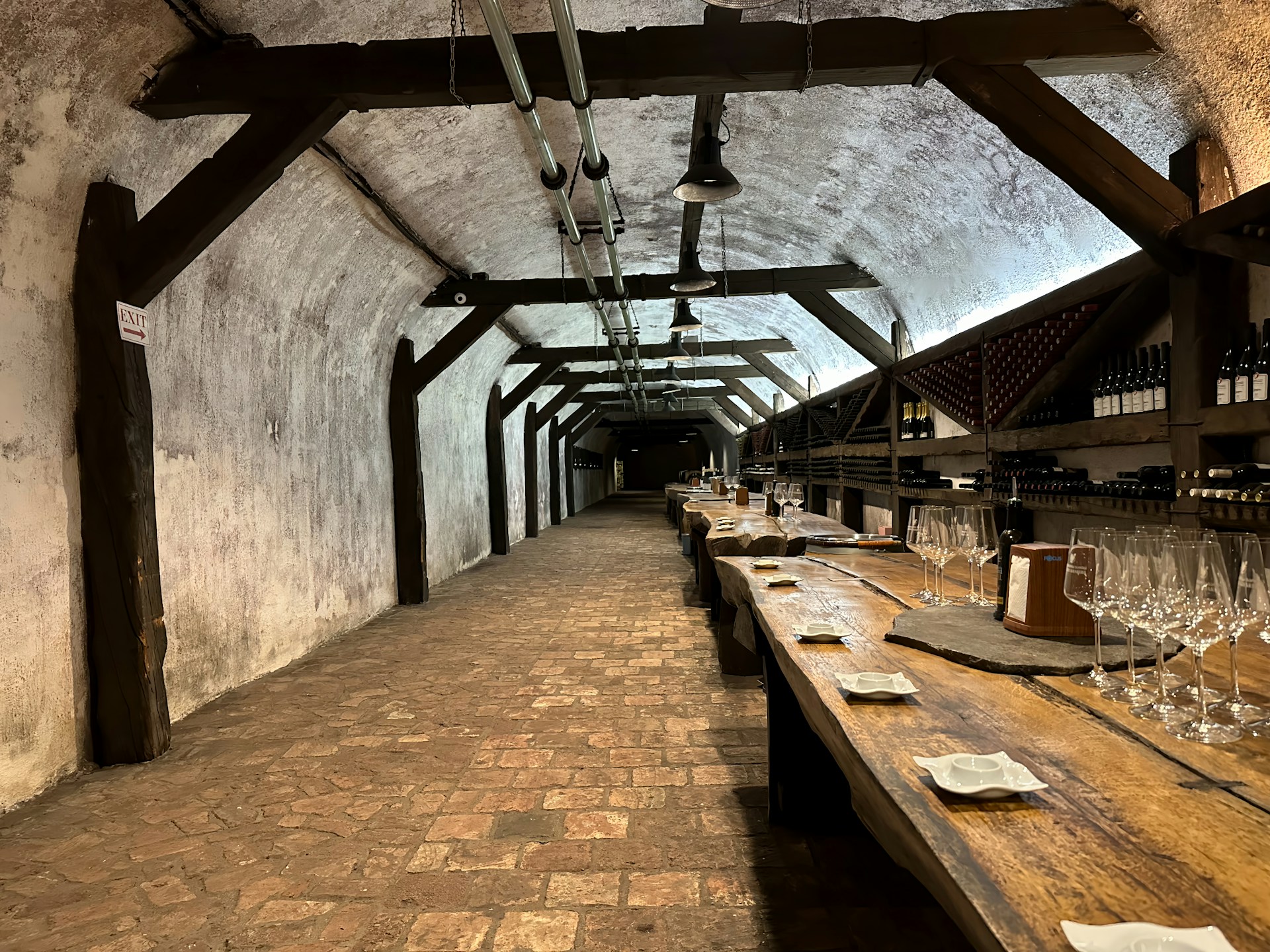
Exclusive wine tasting experience in Cape Town vineyards

Cape Town Wine Tours for Connoisseurs: Rare Wines and Exclusive Tastings

Cape Town offers an enchanting blend of natural beauty and world-class wine experiences, making it a prime destination for wine enthusiasts. For those who have explored the standard wine routes, there is a growing desire to uncover rare vintages and exclusive tasting experiences that go beyond the usual vineyard visits. Cape Town wine tours for connoisseurs cater precisely to this niche, offering curated journeys through some of the region’s most esteemed wineries.

These tours provide more than just a sip of fine wine—they immerse guests in the artistry and history behind every bottle. Small, boutique vineyards often open their doors only to those seeking an in-depth exploration of viticulture and winemaking techniques. Whether you are a seasoned sommelier or an avid enthusiast, the experience allows for a closer connection with winemakers and the passion that drives them.

Beyond wine, these tours often incorporate the region’s gastronomic delights, with gourmet pairings and locally sourced ingredients elevating every tasting. Cape Town wine tours for connoisseurs are not just about drinking wine—they are about cultivating an understanding and appreciation for the craft, culture, and community that surrounds it.

Discovering Hidden Vineyards

For connoisseurs, the appeal of Cape Town wine tours often lies in the off-the-beaten-path vineyards that are not part of conventional itineraries. These hidden gems offer intimate tasting sessions where guests can experience rare varietals. Many of these wineries have small production runs, ensuring that each bottle is crafted with meticulous care.

Visiting these secluded estates also allows for personal interactions with vintners, who share their philosophies on organic practices, barrel aging, and the unique microclimates that influence each grape. Some tours even provide behind-the-scenes access to cellars, blending rooms, and vineyards, giving a rare glimpse into the winemaking process.

  • Boutique wineries often produce wines that are unavailable in mainstream markets.

  • Seasonal harvest tours offer an immersive experience in the vineyard’s rhythm.

  • Tasting sessions frequently include experimental or single-vineyard wines, perfect for collectors.

The Art of Exclusive Tastings

Exclusive tastings elevate the experience beyond traditional wine sampling. On these tours, guests can enjoy small-group sessions with carefully curated flights of rare wines, often accompanied by detailed tasting notes and guided insights. The approach is educational as much as it is indulgent, allowing visitors to refine their palate and develop an understanding of subtleties in aroma, acidity, and body.

Many high-end wine estates incorporate food pairings to enhance the tasting experience. Think artisanal cheeses, charcuterie, and locally grown produce complementing each sip. Such pairings are designed to highlight the wine’s unique characteristics and create a memorable culinary journey.

  • Flights are often themed around a vintage, a grape varietal, or a specific vineyard plot.

  • Sommeliers or winemakers explain the influence of soil, climate, and production techniques.

  • Limited-edition wines can sometimes be purchased directly from the estate, offering a rare collectible.

Personalized and Private Tour Experiences

One of the defining features of connoisseur-level Cape Town wine tours is the level of personalization. Guests can request private tours tailored to their interests, whether focusing on biodynamic practices, rare varietals, or historic estates. Personalized itineraries often include transportation, gourmet meals, and even scenic stops to enjoy the region’s breathtaking landscapes.

Small groups or one-on-one tours ensure that every detail is attended to, from tasting temperature to pouring techniques, offering a refined and luxurious experience. Some tours also incorporate masterclasses, where participants can try blending their own wines under expert guidance, adding an interactive element to the journey.

Pairing Wine with Scenic Adventures

The Western Cape is renowned not just for its wine but also for its dramatic landscapes, and many high-end tours seamlessly integrate these elements. Picture a tasting on a hillside overlooking rolling vineyards, or a picnic among fynbos with the Atlantic Ocean as a backdrop. These moments make each sip of wine more than just a taste—it becomes an experience tied to place, history, and memory.

Outdoor tastings can also include guided walks through the vineyards, exploring the terroir that gives each wine its character. This connection between landscape and flavor is a hallmark of connoisseur-level wine tours and adds a sensory depth that standard tours often miss.

Planning Your Connoisseur Journey

While Cape Town wine tours for casual visitors can be booked on the fly, tours focusing on rare wines and exclusive tastings often require advance planning. Many boutique estates have limited availability, and peak harvest seasons can fill up months in advance.

  1. Research wineries known for unique or rare varietals and contact them directly.

  2. Consider private or semi-private tours for a more personalized experience.

  3. Plan your itinerary around the types of experiences you value most—tastings, gourmet pairings, or immersive vineyard walks.

It’s worth investing time in selecting a tour that aligns with your interests and palate, ensuring an experience that is both indulgent and educational.

Cape Town’s wine region offers a spectrum of experiences, from large commercial estates to intimate boutique vineyards. For those seeking rare vintages and exclusive tasting sessions, connoisseur-level tours provide a rare opportunity to explore the artistry behind the bottles. Each sip, paired with scenic vistas and culinary delights, creates a journey that lingers long after the last pour.

accounting courses

A Beginner’s Guide to Basic Accounting Principles

Accounting is a crucial ability in today’s organization world, whether you're a newbie seeking to go into the field or an expert looking for to improve your know-how. With numerous accounting courses readily available in South Africa, picking the ideal one can make a considerable distinction in your profession development.

Types of Accounting Courses

There are various kinds of accounting courses dealing with numerous requirements:

  1. Basic Accounting Courses – Ideal for newbies, these courses cover basic subjects like accounting, monetary declarations, and basic accounting concepts.
  2. Certified Accounting Programs – Accounting courses such as certified public accountant (Certified Public Accountant) or ACCA (Association of Chartered Certified Accountants) supply internationally acknowledged qualifications.
  3. Advanced Accounting Specializations – These courses concentrate on specialized locations such as forensic accounting, management accounting, and tax accounting.
  4. Online vs. In-Person Courses – Online courses provide versatility, while in-person classes supply hands-on experience and networking chances.

Benefits of Enrolling in an Accounting Course

  • Career Advancement – Many companies choose prospects with official accounting education.
  • Better Job Opportunities – Certifications through accounting courses can open doors to high-paying positions in financing and auditing.
  • Financial Literacy – Even if you’re not pursuing a profession in accounting, comprehending monetary declarations assists in individual and organization financing.

How to Choose the Right Course

  • Accreditation – Ensure the course is acknowledged by expert accounting bodies.
  • Course Content – Look for programs that line up with your profession objectives.
  • Flexibility – Consider whether you require part-time, full-time, or self-paced knowing.

Whether you're searching for initial accounting courses or a sophisticated accreditation, selecting the ideal accounting course can set you on a course to monetary know-how and profession success.

fibre infrastructure in South Africa

The Economic and Social Benefits of Fibre Connectivity in South Africa

In a period where connection is vital, we stand at a turning point in our journey towards developing robust fiber facilities in South Africa. With the increasing need for high-speed web driven by digital improvement, remote working, and online education, the advancement of fiber networks has actually never ever been more essential.

The Current State of Fibre Infrastructure

As of 2024, South Africa has actually made considerable strides in broadening its fiber facilities, yet challenges stay. Major city centers like Johannesburg, Cape Town, and Durban have actually seen fast implementation of fiber networks, with various Internet Service Providers (ISPs) contending to use high-speed broadband to customers. According to current stats, the variety of homes linked to fiber has actually grown tremendously, showing an increased acknowledgment of the requirement for reputable web gain access to.

However, rural and underserved locations still drag. The variation in connection not just impacts private users however likewise suppresses possible financial development in these areas. The federal government and economic sectors should continue to work together to bridge this digital divide, dealing with fiber facilities in South Africa to make sure that all South Africans can gain from high-speed web.

Benefits of Fibre Infrastructure

The benefits of establishing a thorough fiber facilities in South Africa are manifold:

  1. Economic Growth: Improved web connection can promote financial activities, draw in foreign financial investment, and foster development in numerous sectors. Businesses can run more effectively, causing increased performance.
  2. Enhanced Education: With the increase of online knowing platforms, specifically post-pandemic, reputable web gain access to is crucial for trainees and teachers. Fibre connection assists in access to academic resources and makes it possible for remote knowing.
  3. Healthcare Advancements: Telemedicine and digital health services rely greatly on steady web connections. Fibre facilities can enhance access to health care services, specifically in backwoods where conventional health care centers are restricted.
  4. Job Creation: The growth of fiber networks produces tasks not just in building and setup however likewise in innovation and client service sectors. As more business purchase digital services, the need for competent employees will increase.

Challenges Facing Fibre Deployment

Despite the clear advantages, the implementation of fiber facilities in South Africa deals with numerous obstacles:

  • High Costs: The preliminary financial investment needed for setting fiber cable televisions can be considerable, preventing some companies from broadening into less successful locations.
  • Regulatory Hurdles: Bureaucratic bureaucracy can decrease the approval procedures for brand-new jobs, postponing the rollout of fiber networks.
  • Geographical Barriers: South Africa's varied landscape provides logistical obstacles for fiber implementation, especially in remote areas.

The Way Forward

To conquer these obstacles, a multi-faceted technique is required. Policymakers should produce an allowing environment that motivates financial investment in fiber facilities. This can consist of aids for rural connection jobs, structured regulative procedures, and rewards for private-sector involvement.

Collaboration in between federal government, ISPs, and regional neighborhoods is important to make sure that the advantages of fiber facilities extend beyond city centers. Initiatives targeted at raising awareness about the significance of digital connection can likewise drive need and motivate financial investment in underdeveloped locations.

Conclusion

Fibre infrastructure in South Africa represents not simply a technological improvement, however a path to a more linked and fair society. As the nation makes every effort to satisfy the needs of the digital age, continued financial investment and partnership will be essential to making sure that every South African has access to high-speed web. By resolving the existing obstacles and taking chances for development, South Africa can develop a future where connection is a right, not an opportunity.

best plumbing company in Pretoria

How to Establish Yourself as a Top Plumber in Pretoria East

Becoming a plumbing is a gratifying profession option, using stability, development chances, and the complete satisfaction of fixing complicated issues. If you're considering this course and desire be amongst the very best plumbing professionals in Pretoria East, here's a thorough guide to assist you start.

1. Understand the Role of a Plumber

Before diving into the specifics of ending up being a plumbing, it's necessary to comprehend what the task involves. Plumbers set up and fix pipelines and components connected with heating, cooling, water circulation, and sanitation systems in domestic, industrial, and commercial structures. They make sure that these systems are operating effectively and follow regional and nationwide pipes codes.

2. Obtain the Necessary Education and Training

To end up being the very best plumbing professional in Pretoria East, you'll require to begin with the best education and training. Here are the actions you must follow:

Complete High School Education

A high school diploma or equivalent is normally needed to start a pipes apprenticeship. Focus on topics like mathematics, physics, and store classes, which supply a strong structure for the abilities you'll require.

Enroll in a Technical School

While not constantly obligatory, going to a technical school can offer you an edge. These programs provide courses particularly associated to pipes, such as pipeline system style, security practices, and plan reading. Completing a technical program can make you a more appealing prospect for apprenticeships.

3. Find an Apprenticeship

Securing an apprenticeship is an essential action in your journey to ending up being the very best plumbing professional in Pretoria East. Apprenticeships integrate class guideline with on-the-job training, enabling you to make while you find out. Here’s how to set about it:

Research and Apply

Look for apprenticeship programs provided by unions, trade schools, or pipes business. Apply to several programs to increase your opportunities of being accepted. The best plumbing company in Pretoria typically provides competitive apprenticeship chances, so watch out for those.

Complete Your Apprenticeship

Apprenticeships normally last 4-5 years, throughout which you'll work under the guidance of skilled plumbing professionals. You'll find out to set up, fix, and keep different pipes systems, acquiring hands-on experience that is vital in this trade.

4. Obtain Licensure and Certification

After finishing your apprenticeship, you’ll require to get a pipes license. The requirements differ by area, however usually, you’ll require to pass a test that checks your understanding of pipes codes, policies, and finest practices. In Pretoria East, having a license is obligatory to work as a plumbing lawfully.

Consider pursuing extra accreditations, such as those for particular kinds of pipes systems or green pipes practices. These accreditations can set you apart from other plumbing professionals and assist you end up being the very best plumbing professional in Pretoria East.

5. Gain Experience and Continue Learning

Experience is vital in the pipes market. As you acquire more experience, you’ll manage a broader range of jobs, from little repair work to massive setups. Continuing education is likewise crucial. Stay upgraded with the most recent pipes innovations, tools, and strategies through workshops, workshops, and courses. The finest plumbing professionals in Pretoria East are constantly discovering and adjusting to brand-new developments in the field.

6. Establish a Reputation

To be acknowledged as one of the very best plumbing professionals in Pretoria East, you require to develop a strong credibility. Here’s how:

Provide Excellent Service

Always aim to surpass your customers' expectations. Be prompt, expert, and considerate. Quality craftsmanship and remarkable customer support will cause favorable evaluations and repeat company.

Network and Market Yourself

Join regional trade companies and participate in market occasions to network with other experts. Create a site and social networks profiles to display your work and bring in brand-new customers. Word-of-mouth recommendations are vital, so motivate pleased consumers to advise you to others.

Becoming the very best plumbing professional in Pretoria East needs devotion, education, and hands-on experience. By following these actions, you can develop an effective profession and develop yourself as a relied on expert in the pipes market. Whether you select to work for a recognized business or begin your own, the chances in this field abound and gratifying.

career in tax

The Roadmap to Becoming a Tax Expert

As tax season methods, numerous trainees are thinking about pursuing a profession in tax. Whether you have an interest in working for a big accounting company, concentrating on worldwide tax law, or assisting people with their individual taxes, there are many chances in the field of tax. In this article, we will explore what it requires to prosper in a profession in tax and supply important insights for tax trainees aiming to release their professions.

First and primary, education is crucial when it pertains to pursuing a profession in tax. Most entry-level positions need a minimum of a bachelor's degree in accounting or financing, however numerous companies choose prospects with a master's degree or accreditation such as a Certified Public Accountant (CERTIFIED PUBLIC ACCOUNTANT) or Enrolled Agent (EA). These qualifications not just show your competence in tax laws and policies however likewise open more task chances and possible for improvement within the field.

Gaining Practical Experience

In addition to official education, acquiring hands-on experience through internships or part-time positions can substantially enhance your opportunities of landing a task or profession in tax. Many accounting companies provide internship programs that permit trainees to work along with knowledgeable specialists and acquire useful abilities in preparing income tax return, performing audits, and offering tactical tax preparation suggestions to customers. Building relationships with coaches and networking within the market can likewise assist you stand apart to name a few prospects.

Staying Informed on Tax Law Changes

Furthermore, remaining updated on modifications to tax laws and policies is important for anybody pursuing a profession in tax. The field of tax is continuously developing, with brand-new legislation being passed each year that can affect how people and organizations are taxed. Subscribing to market publications, participating in conferences and workshops, and taking part in continuing education courses are all outstanding methods to remain notified about a profession in tax and the most recent advancements in tax policy and practice.

Developing Analytical and Soft Skills

Another crucial element of developing an effective profession in tax is establishing strong analytical and analytical abilities. Tax specialists are typically entrusted with analyzing complicated monetary info, recognizing possible mistakes or disparities on income tax return, and discovering imaginative options to lessen customers' gross income. Being detail-oriented, arranged, and able to work under pressure are vital qualities for anybody operating in the hectic world of tax.

Lastly, do not ignore the worth of soft abilities when it pertains to advancing your career in tax. Effective interaction abilities are vital for discussing complicated tax ideas to customers who might not have a background in financing or accounting. Additionally, showing professionalism, stability, and ethical habits will assist you develop trust with customers and associates alike. Cultivating these social abilities can set you apart from other prospects and lead the way for long-lasting success in the field of tax and a profession in tax.

Conclusion

In conclusion, pursuing a profession in tax can be both tough and gratifying for striving specialists aiming to make an effect on people' monetary wellness or assistance organizations browse complicated regulative requirements. By investing effort and time into acquiring appropriate education and accreditations, acquiring useful experience through internships or entry-level positions, remaining existing on market patterns through constant knowing chances, refining analytical abilities through analytical workouts, and establishing strong interaction capabilities through reliable customer interactions, striving specialists can place themselves for success within this vibrant field. So whether you're simply beginning as a trainee studying tax or currently working as an entry-level expert aiming to advance your profession potential customers, keep in mind that devotion, effort, and determination will eventually settle as you open the tricks embodied by effective professions within this interesting discipline!