
Modern device installed for cleaner household water

Understanding the Different Types of Water Filter Systems Available in South Africa

South Africans are becoming increasingly aware of water quality and its impact on health. With rising concerns around municipal water safety, many households are turning to a water purifier to improve the taste, smell, and cleanliness of their drinking water. But with so many options available, how do you know which type of water filter is right for your home?

In this guide, we’ll break down the most common types of water purification systems available in South Africa and help you choose the one best suited to your needs.

Why You Might Need a Water Filtration System

Even though most urban areas in South Africa have treated water, contamination can still occur due to ageing infrastructure, burst pipes, or water storage tanks. Heavy metals, bacteria, and microplastics have all been detected in various sources. That’s why investing in a water filter can be a proactive step toward protecting your family's health.

For example, homeowners looking to improve their overall water quality without going through a complex installation process often opt for a countertop unit or a faucet-mounted device. These systems are both affordable and easy to maintain.

Popular Types of Water Filters in South Africa

Here are the main types of water purification systems used in homes across the country:

1. Activated Carbon Filters

Activated carbon is one of the most common and effective water filtration methods. These filters use charcoal to trap impurities such as chlorine, pesticides, and volatile organic compounds (VOCs), improving both taste and smell.

Best for: City dwellers using municipal water
Drawback: Doesn’t remove bacteria or dissolved salts

2. Reverse Osmosis (RO) Systems

A reverse osmosis water purifier forces water through a semi-permeable membrane to remove up to 99% of contaminants, including bacteria, nitrates, heavy metals, and fluoride.

Best for: Areas with high contamination or borehole water
Drawback: Wastes some water during filtration and requires professional installation

3. UV (Ultraviolet) Purification Systems

UV filters use ultraviolet light to neutralise harmful bacteria and viruses. This method is chemical-free and doesn't affect the taste of water.

Best for: Homes relying on rainwater tanks or well water
Drawback: Does not remove physical particles or improve taste

4. Ceramic Filters

Ceramic filters are made from natural materials and physically block bacteria and sediment. They are often combined with silver or carbon to enhance their antibacterial properties.

Best for: Rural or off-grid households
Drawback: May clog quickly and require regular cleaning

5. Whole-House Water Filters

These systems are installed at the point of entry so that all the water entering your home is filtered. They can be customised to target specific issues like sediment, rust, or chemical contaminants.

Best for: Large households or homes with water tanks
Drawback: More expensive upfront and may require space for installation

Choosing the Right System for Your Home

To make the right choice, ask yourself a few questions:

  • What is the source of your water — municipal, borehole, rainwater, or tank?

  • Do you want to filter water only for drinking or for the whole house?

  • Are you concerned about bacteria, heavy metals, chlorine, or all of the above?

  • What is your budget for installation and maintenance?

Based on your answers, you may find that a basic activated carbon unit is enough, or that a more advanced water purification system with reverse osmosis and UV treatment is necessary.

Maintenance and Running Costs

When investing in a water filter, it’s important to consider not just the initial cost but also the maintenance. Filters need to be replaced regularly to function effectively. Some systems require monthly maintenance, while others can last up to a year before needing new parts.

Here’s a quick comparison:

  • Activated Carbon: Replace every 3–6 months

  • RO Membranes: Replace every 1–2 years

  • UV Lamps: Replace annually

  • Ceramic Elements: Clean monthly and replace every 6–12 months

Keeping track of maintenance will ensure your system continues to provide safe, clean water without interruptions. The water you drink every day has a direct effect on your well-being. Whether you go for a compact countertop unit or a full-house filtration system, the right water purifier can reduce health risks and provide peace of mind.

In South Africa’s diverse climate and infrastructure landscape, no one solution fits all. But by understanding your needs and learning about the available technology, you can make a smart and healthy investment for your home.
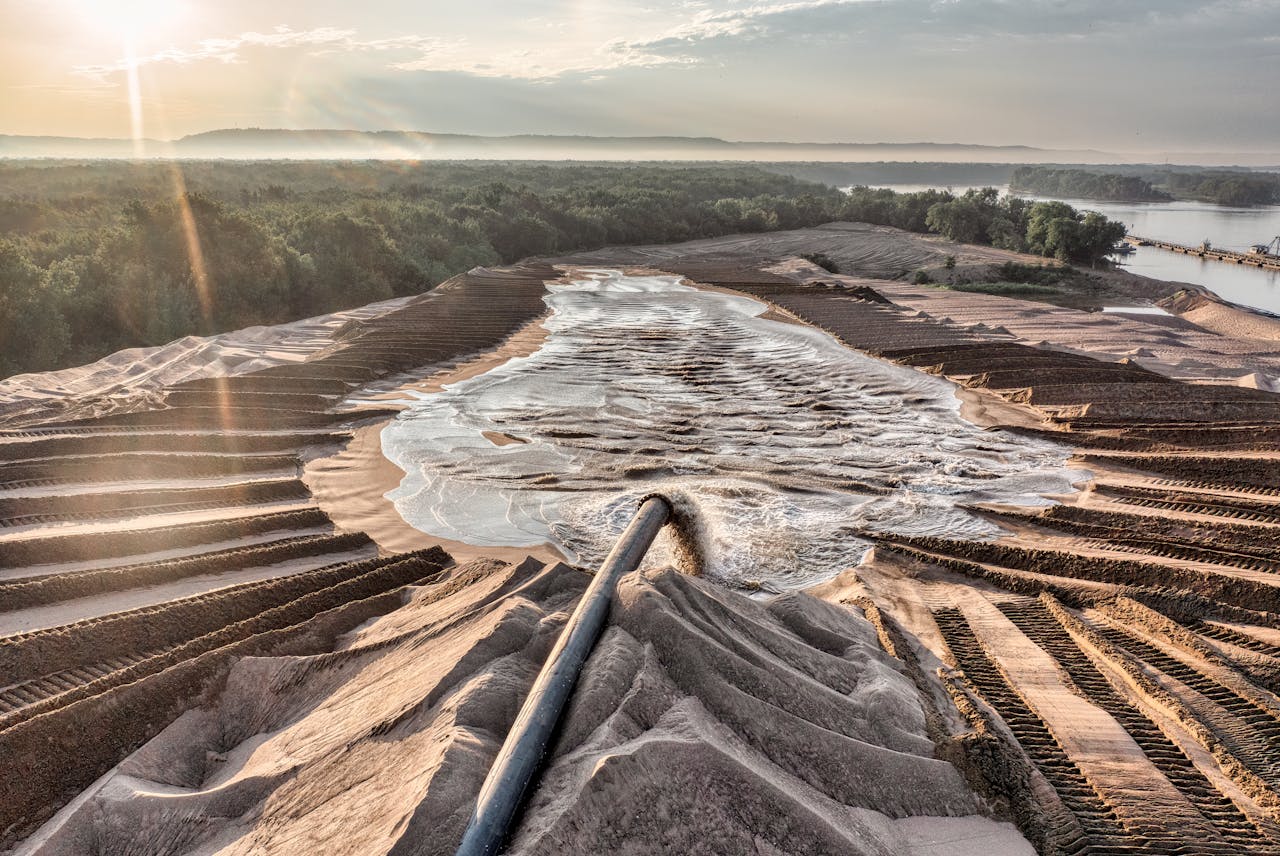
dredging company

The Impact of Dredging on Nature and Innovations for a Greener Future

Dredging plays a critical role in maintaining navigable waterways, reclaiming land, and supporting various industries, including construction and mining. However, despite its economic benefits, dredging has significant environmental implications that must be addressed. From disrupting aquatic ecosystems to contributing to water pollution, the impact of dredging is a topic of concern. Fortunately, innovative solutions and sustainable practices can mitigate these challenges, allowing a dredging company or a dredging contractor to operate in a more environmentally responsible manner.

The Challenges of Dredging

1. Disruption of Aquatic Ecosystems

One of the primary environmental concerns associated with dredging is the disruption of aquatic habitats. Many marine and freshwater organisms, including fish, crustaceans, and plant life, rely on stable ecosystems. When sediments are disturbed, essential nutrients and organisms can be displaced, leading to habitat destruction and reduced biodiversity.

Additionally, dredging can alter the natural flow of water bodies, affecting fish migration patterns and breeding grounds. This disruption may have long-term consequences on local fisheries and overall aquatic health.

2. Sediment Resuspension and Water Pollution

A significant issue that arises from dredging is sediment resuspension. When a dredging contractor removes materials from the bottom of a river, lake, or seabed, fine sediments are released into the water column. These sediments can carry contaminants such as heavy metals, pesticides, and industrial waste, leading to water pollution.

Increased turbidity (cloudiness of water) can also block sunlight penetration, negatively affecting photosynthesis in aquatic plants. This, in turn, disrupts the entire food chain, impacting both marine life and water quality.

3. Coastal Erosion and Land Instability

Dredging can contribute to coastal erosion by removing sediment that naturally stabilizes shorelines. When a dredging company extracts large amounts of material, it may inadvertently weaken coastal defenses, making areas more vulnerable to erosion and flooding.

Furthermore, land subsidence can occur when excessive sediment is removed from estuaries and riverbeds. This can lead to sinking land, threatening nearby infrastructure, including roads, bridges, and buildings.

4. Noise and Air Pollution

Dredging operations generate noise pollution that can disturb marine life, especially species that rely on echolocation, such as dolphins and whales. The constant underwater noise from machinery can interfere with their ability to communicate, navigate, and find food.

Additionally, dredging equipment often runs on fossil fuels, releasing greenhouse gases and contributing to air pollution. A lack of proper emission controls can further exacerbate environmental degradation.

Sustainable Solutions for Dredging

1. Environmentally Friendly Dredging Techniques

To minimize the environmental impact, a dredging contractor can adopt more sustainable dredging methods. One such method is precision dredging, which targets specific areas with minimal disturbance. This approach reduces sediment resuspension and prevents unnecessary damage to aquatic habitats.

Another solution is using hydraulic dredging instead of mechanical dredging. Hydraulic dredging uses suction to remove sediment gently, reducing the likelihood of disturbing marine life and limiting water contamination.

2. Silt Curtains and Sediment Control Measures

A dredging company can implement silt curtains—floating barriers that contain suspended sediments—to prevent pollutants from spreading to other areas. These curtains are especially useful in projects near sensitive ecosystems or drinking water sources.

Additional measures, such as sediment traps and water filtration systems, can further help in controlling the spread of contaminants, ensuring cleaner and safer water conditions.

3. Habitat Restoration and Compensation

To offset environmental damage, many dredging projects now include habitat restoration efforts. After dredging is completed, a dredging contractor can engage in replanting aquatic vegetation, rebuilding artificial reefs, and creating wildlife sanctuaries to support biodiversity.

Moreover, compensatory projects such as wetland creation and mangrove rehabilitation can help restore ecological balance, providing essential breeding and feeding grounds for marine species.

4. Eco-Friendly Equipment and Renewable Energy

Modern advancements in technology have led to the development of eco-friendly dredging equipment. A forward-thinking dredging company can invest in electric or hybrid-powered dredgers, which reduce carbon emissions and lower fuel consumption.

Additionally, integrating renewable energy sources, such as solar or wind power, into dredging operations can further reduce the environmental footprint of these activities.

5. Regulatory Compliance and Environmental Monitoring

Government regulations play a crucial role in ensuring sustainable dredging practices. Many countries now require environmental impact assessments (EIAs) before approving dredging projects. These assessments help identify potential risks and implement mitigation strategies.

Continuous monitoring of water quality, sediment displacement, and marine life health can also help a dredging company make informed decisions about minimizing its ecological impact. Modern monitoring tools, such as satellite imaging and underwater drones, provide real-time data for better environmental management.

Dredging remains a vital activity for maintaining waterways and supporting industrial growth, but it comes with significant environmental challenges. From disturbing marine ecosystems to increasing water pollution, these effects must be carefully managed. However, by adopting sustainable dredging techniques, investing in eco-friendly equipment, and implementing habitat restoration projects, a dredging contractor can minimize harm and promote environmental conservation.

As regulations become stricter and awareness about ecological protection grows, the dredging industry must prioritize responsible practices. With the right balance between economic development and environmental stewardship, the long-term sustainability of aquatic ecosystems can be preserved while ensuring the continued benefits of dredging activities.