
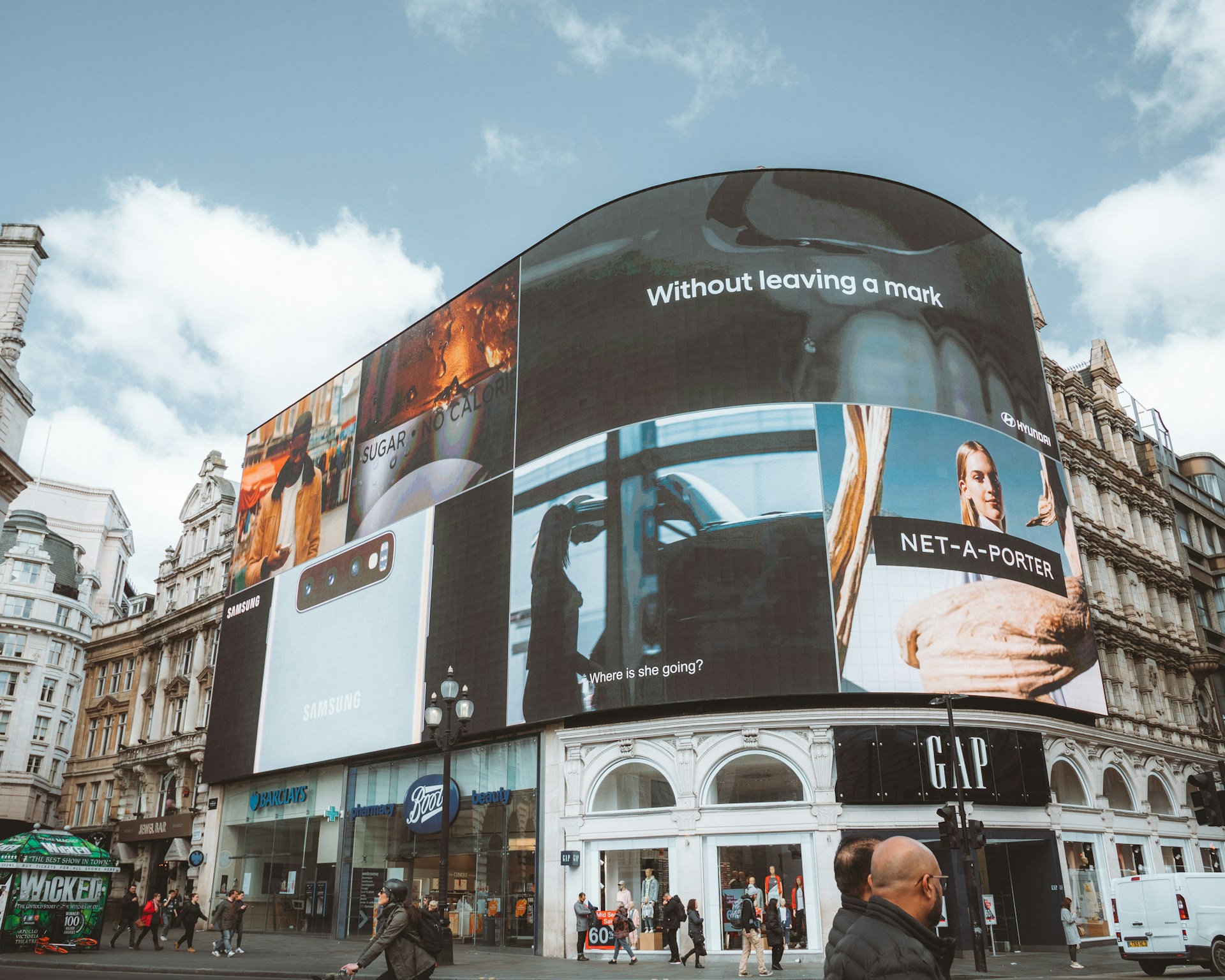
Customer attention is becoming increasingly fragmented, and businesses are competing not just with direct competitors but with every screen in a customer’s environment. In this landscape, digital signage has evolved into a powerful communication tool that can influence behaviour, guide decisions, and enhance brand perception when used strategically.
However, simply displaying content on screens is no longer enough. Audiences expect relevance, timing, and clarity. Poorly designed messaging can easily be ignored, while well-planned visual communication can meaningfully improve engagement and in-store experience.
The difference often comes down to strategy rather than technology alone. Understanding how to structure content, design visuals, and measure outcomes is essential for organisations aiming to improve customer interaction in physical and hybrid environments.
Core Engagement Foundations That Drive Results
Before diving into advanced techniques, it is important to understand the structural principles that underpin effective screen-based communication. Many businesses overlook these fundamentals, which leads to inconsistent results.
- Define a clear engagement objective for each screen or location
- Segment audiences based on context, time, or behaviour
- Align messaging with physical environment and customer journey
- Prioritise readability and visual hierarchy over complexity
- Ensure content updates are scheduled and consistent
Each of these steps may seem simple on its own, but together they form the backbone of effective in-store communication systems.
A common mistake is treating all screens the same. In reality, a screen at a reception area serves a different purpose from one placed near a point-of-sale counter. Context matters more than volume of content.
Another overlooked aspect is timing. Messages delivered at the wrong moment are often ignored, regardless of quality. Consistency in delivery builds recognition and trust over time.
Design Principles That Capture Attention
Visual design plays a critical role in whether audiences engage or disengage within seconds. High-performing systems rely on clarity, contrast, and movement rather than overcrowded layouts or excessive messaging.
Typography should be bold enough to read at a distance, while colour contrast must support visibility under different lighting conditions. Subtle animation can guide attention, but excessive motion often creates cognitive overload.
When designing content for screens in retail or service environments, simplicity is not a limitation—it is an advantage. A focused message will always outperform a cluttered one.
At this stage, many organisations begin experimenting with formats, but consistency remains key. The effectiveness of digital signage improves significantly when design templates are standardised across locations.
A practical example of this is using a single visual framework that adapts messaging without changing structural design. This reduces cognitive effort for viewers and strengthens brand recognition.
It is also important to avoid over-reliance on static content. Movement should be intentional and purposeful, not decorative.
Content Strategy and Behavioural Alignment
Effective engagement is not only about what is shown, but why it is shown. Content should reflect user intent and behavioural patterns within a specific environment.
For example, customers waiting in a queue are more receptive to short, informative messages than long promotional narratives. Meanwhile, waiting areas allow for slightly more detailed storytelling.
This is where behavioural mapping becomes essential. Understanding how long people typically remain in a space allows content to be tailored accordingly.
Relevance is the strongest driver of attention. If content feels disconnected from the customer’s immediate context, it will likely be ignored within seconds.
Tone also plays a role. Informational messaging should remain neutral and clear, while promotional content should be subtle and value-driven rather than aggressive.
In many cases, organisations underestimate how quickly audiences filter irrelevant stimuli. Even well-produced visuals can fail if they do not match intent or timing.
Design Consistency and Environmental Integration
A strong engagement system must integrate seamlessly into its physical surroundings. Screens should feel like part of the environment rather than external interruptions.
Lighting, placement, and viewing angles all influence effectiveness. A poorly positioned display can undermine even the most compelling content.
Consistency across multiple locations is also critical. When audiences encounter familiar formats, they are more likely to process information quickly and confidently.
It is not uncommon for organisations to overlook environmental factors in favour of content creation alone. However, both elements must work together to achieve meaningful outcomes.
Subtle repetition of design elements helps reinforce messaging without overwhelming viewers. Over time, this builds familiarity and improves retention.
Measuring Engagement and Optimising Performance
Without measurement, even well-designed systems operate on assumption rather than insight. Tracking performance allows organisations to refine messaging and improve effectiveness over time.
Key performance indicators might include dwell time, interaction rates, or conversion-related behaviours depending on the environment.
It is also important to evaluate content rotation frequency. Too much repetition can lead to audience fatigue, while too little consistency may reduce message recognition.
Below are common indicators used to assess engagement quality:
- Average viewing duration per screen or zone
- Interaction rates where touch or response systems are used
- Conversion lift in nearby transactional areas
- Content recall based on customer feedback
- Frequency of repeat engagement over time
These metrics should not be viewed in isolation. Patterns across multiple indicators provide a more reliable understanding of performance.
One of the challenges in this space is separating correlation from causation. Just because engagement increases does not always mean content alone is responsible.
Careful testing and iteration are essential. Small adjustments to layout, timing, or messaging can produce significant differences in outcomes.
Common Pitfalls and Strategic Improvements
Even well-funded implementations can underperform when strategy is unclear. One of the most frequent issues is content overload, where too much information is displayed at once.
Another issue is lack of audience segmentation. Treating all viewers as a single group reduces relevance and weakens impact.
Technical maintenance is also often underestimated. Screens that are not regularly updated or monitored can quickly lose effectiveness and credibility.
There is also a tendency to focus heavily on visual appeal while neglecting message clarity. While aesthetics are important, they should never compromise comprehension.
A final consideration is adaptability. Environments change, and communication systems must evolve accordingly to remain effective.
Improving outcomes typically involves a combination of refinement and discipline:
- Regularly review content performance data and adjust accordingly
- Simplify messaging to focus on one key idea per visual frame
- Align content schedules with peak audience presence times
- Standardise templates while allowing controlled variation
- Conduct periodic audits of screen placement and visibility
When these practices are applied consistently, engagement tends to improve gradually but sustainably.
Over time, organisations that treat screen-based communication as a strategic system rather than a static tool are better positioned to influence behaviour and improve customer experience. In this sense, effective use of digital signage becomes less about display technology and more about understanding people, context, and timing in a structured way.