
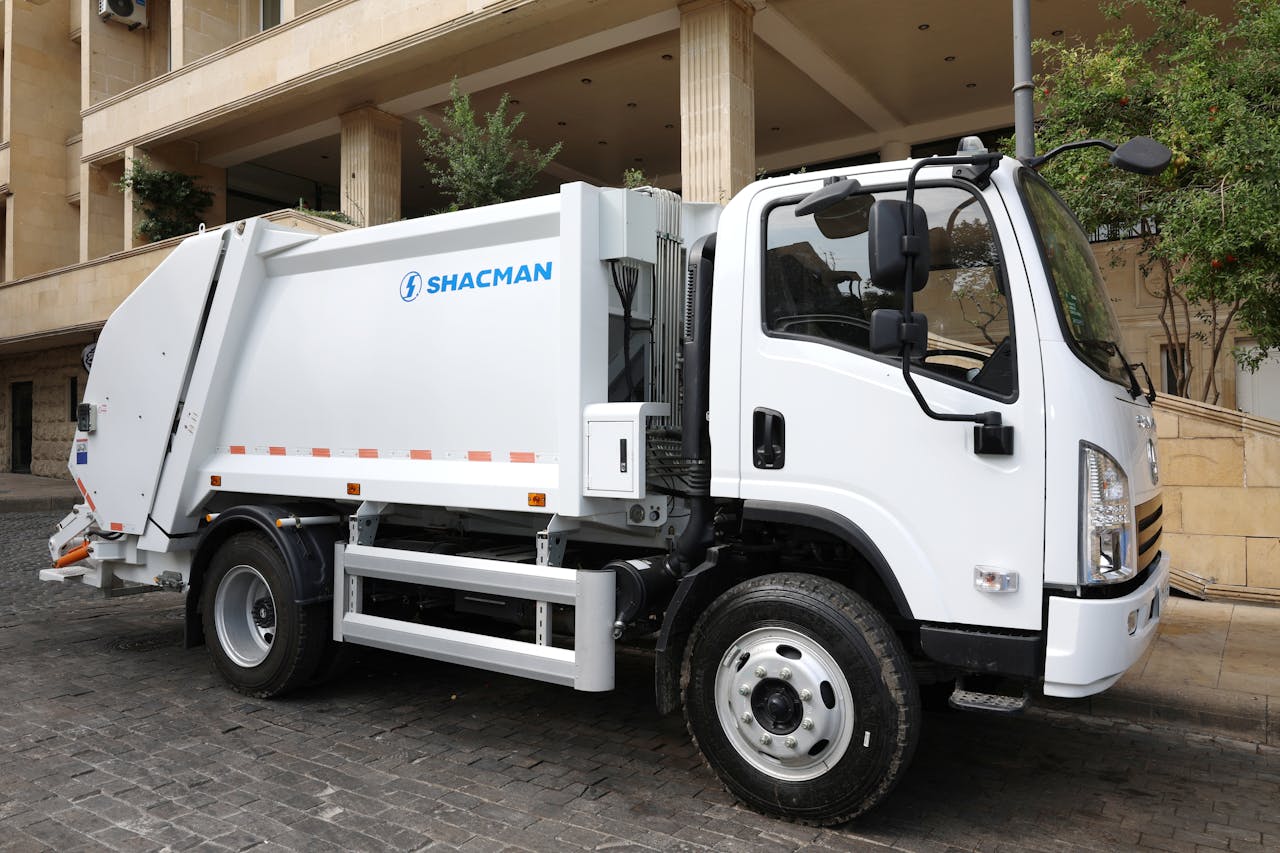
Understanding waste removal service costs in Cape Town

The Real Cost of Waste Removal Services in Cape Town

The cost of keeping a property clean and free from waste is something many homeowners and businesses underestimate until they need the service. Whether it’s after a renovation, a garden clean-up, or routine disposal, understanding what you’re actually paying for can make a significant difference in how you budget and plan. In cities where demand is high and regulations are strict, pricing can vary more than expected.

In a growing urban environment, managing waste responsibly is not just about convenience. It involves logistics, labour, compliance, and environmental considerations. Many people searching for waste removal Cape Town services are initially drawn to the lowest price, but that approach often overlooks the full picture.

To make informed decisions, it’s important to break down the real cost components behind these services. This allows you to compare quotes properly, avoid hidden fees, and ensure you’re getting both value and reliability rather than just a quick fix.

What Influences the Price of Waste Removal Services

Pricing is rarely a flat rate because waste removal involves several moving parts. The type of waste is one of the biggest cost drivers. General household waste is usually cheaper to remove than construction debris, hazardous materials, or bulky items like furniture and appliances.

Volume also plays a key role. Most service providers charge based on how much waste needs to be collected, often measured in cubic metres or truckload capacity. A small garden clean-up will naturally cost less than clearing out an entire property or construction site.

Accessibility is another factor that can affect pricing. If waste is easy to access and load, the job is quicker and requires less labour. However, properties with limited access, stairs, or tight spaces may increase the time and effort required, which is often reflected in the final cost.

Labour and Equipment Costs Explained

Behind every waste removal job is a team of workers and specialised equipment. Labour costs include the time it takes to load, transport, and dispose of the waste. This is especially relevant for heavier or more complex jobs that require additional manpower.

Vehicles and fuel also contribute to pricing. Trucks must be maintained, fuelled, and operated efficiently, particularly when covering longer distances. Rising fuel costs can have a direct impact on service rates, especially in areas that are further from disposal facilities.

In some cases, specialised equipment may be needed. This could include compactors, lifting tools, or protective gear for handling certain types of waste. These added requirements can increase the overall cost but are necessary for safe and compliant operations.

Disposal Fees and Environmental Compliance

One of the most overlooked aspects of waste removal pricing is disposal. Waste does not simply disappear after collection. It must be transported to designated facilities where it is sorted, processed, or disposed of according to local regulations.

Disposal sites often charge tipping fees based on the type and weight of the waste. Hazardous materials, for example, are more expensive to process due to the strict handling requirements involved. These costs are typically included in your quote but may not always be clearly itemised.

Environmental compliance is another critical factor. Reputable service providers follow regulations to ensure waste is handled responsibly. This includes recycling where possible and avoiding illegal dumping, which can carry heavy fines. While compliant services may cost slightly more, they protect you from potential legal and environmental risks.

Hidden Costs to Watch Out For

Not all quotes are as straightforward as they seem. Some providers may advertise low base rates but exclude additional charges that only become apparent later. This can lead to unexpected expenses that quickly push the total cost higher than anticipated.

Common hidden costs include extra charges for overweight loads, extended labour time, or specific types of waste that require special handling. Travel fees may also apply if your location falls outside a standard service area.

To avoid surprises, always ask for a detailed breakdown of what is included in the quote. Transparency is a strong indicator of a professional and trustworthy service provider.

Comparing Value Instead of Just Price

Choosing a waste removal service based solely on the lowest price can be misleading. A cheaper option may cut corners, lack proper licensing, or fail to dispose of waste responsibly. This can create more problems in the long run, including environmental harm or potential fines.

Instead, focus on overall value. This includes reliability, professionalism, and adherence to regulations. A slightly higher upfront cost can often translate into better service, faster turnaround times, and peace of mind.

Customer reviews and reputation also play a role in assessing value. Consistent positive feedback usually indicates a provider that delivers on its promises and handles waste responsibly.

When Waste Removal Becomes More Expensive

Certain situations naturally lead to higher costs. Emergency or same-day services often come at a premium due to the urgency and scheduling adjustments required. Similarly, large-scale projects like construction clean-ups involve more resources and coordination.

Seasonal demand can also affect pricing. Periods of increased activity, such as after major storms or during peak renovation seasons, may lead to higher rates due to limited availability.

Another factor is the type of client. Commercial projects often require ongoing services, compliance documentation, and stricter timelines, all of which can influence pricing structures compared to once-off residential jobs.

How to Reduce Your Waste Removal Costs

While some costs are unavoidable, there are ways to manage and potentially reduce your expenses. Planning ahead is one of the most effective strategies. Booking in advance allows you to avoid rush fees and secure better rates.

Sorting your waste can also make a difference. Separating recyclable materials from general waste may reduce disposal fees and improve efficiency during collection. This is particularly useful for larger projects where waste types vary.

Being clear about the scope of the job helps prevent misunderstandings and additional charges. Accurate information allows service providers to quote more precisely and allocate the right resources from the start.

Key Takeaways Before Hiring a Service

Before committing to a provider, it’s important to evaluate all aspects of the service rather than focusing on a single factor. The real cost goes beyond the initial quote and includes quality, compliance, and long-term impact.

Keep the following points in mind when comparing options:

  • Always request a detailed, itemised quote
  • Confirm what types of waste are included in the price
  • Check for proper licensing and compliance with local regulations
  • Consider the provider’s reputation and customer feedback
  • Avoid deals that seem unusually cheap without clear explanations

Understanding the full scope of what goes into pricing helps you make smarter decisions. When looking at waste removal in Cape Town, taking a balanced approach ensures you get reliable service without unnecessary expenses, while also contributing to responsible waste management in your community.

Humane bird control methods applied on urban building ledges to prevent nesting and roosting in city environments

Humane Bird Control Methods for Urban Buildings and Public Spaces

Bird-related challenges in cities have become increasingly common as urban environments expand and natural habitats shrink. Buildings, transport hubs, and public squares often provide ideal nesting and roosting spaces for pigeons, starlings, and gulls. While birds are an important part of the ecosystem, uncontrolled populations in densely populated areas can create hygiene concerns, structural damage, and safety risks. As such, bird control is a highly sought-after service in both urban and public spaces.

Effective management requires a balanced approach that protects both public health and wildlife. This is where humane solutions play a critical role. Modern urban planning increasingly focuses on long-term prevention strategies rather than reactive measures, especially when dealing with persistent nesting and roosting patterns.

Understanding ethical and environmentally responsible approaches to managing urban bird populations helps ensure that cities remain safe, clean, and biodiverse without unnecessary harm to wildlife. Careful planning, combined with professional methods, can significantly reduce conflicts between humans and birds while maintaining ecological balance.

Understanding Urban Bird Challenges and Behaviour

Birds adapt quickly to human environments because of readily available food sources, sheltered structures, and minimal natural predators. Ledges, rooftops, signage, and bridges provide perfect nesting sites. In many cases, unmanaged populations can lead to blocked drainage systems, corrosion from droppings, and slip hazards in high-footfall areas.

Public spaces such as parks and transport terminals are especially vulnerable. Food waste and predictable human activity encourage flocking behaviour, which can escalate rapidly if not addressed early. Over time, repeated roosting creates established patterns that are difficult to reverse without intervention.

In some cities, this has led to increased demand for humane urban management strategies. Effective solutions aim to discourage nesting without causing injury or distress. These approaches rely on understanding behavioural triggers such as light, sound, texture, and spatial preferences.

A key principle in modern environmental management is prevention rather than removal. Once birds have established nesting sites, relocation becomes more complex and less effective. Early-stage deterrence is therefore essential for long-term control.

Structural and Physical Deterrent Approaches

One of the most widely used categories of solutions involves physical deterrents that make surfaces less suitable for landing or nesting. These methods are designed to be non-lethal and long-lasting, focusing on exclusion rather than harm.

Common physical deterrents include angled ledge modifications, netting systems, and spike strips designed to prevent roosting. These systems are typically installed on building edges, signage, and rooflines where birds commonly gather. When correctly implemented, they do not trap or injure birds but simply discourage them from settling.

Another important method involves sealing access points. Gaps in roofing, vents, and architectural recesses are often exploited by birds seeking shelter. Closing these spaces reduces nesting opportunities significantly and supports long-term prevention.

• Installing tensioned netting across courtyards, courtyards, and open façades
• Applying surface modifications such as sloped coverings to eliminate flat roosting areas
• Using non-harmful spike systems on narrow ledges and beams

While these methods are highly effective, they require careful installation to ensure they remain safe for both wildlife and building occupants. Poorly fitted systems can reduce effectiveness or create unintended hazards.

In some cases, a combined strategy is required, especially in large public infrastructure such as airports, stadiums, and shopping centres. Here, multiple deterrent layers are often used to reinforce effectiveness.

Professional services often incorporate monitoring systems to assess whether structures remain protected over time. This adaptive approach ensures that interventions remain relevant as bird behaviour changes seasonally.

Within these strategies, bird control plays a central role in designing integrated solutions that are both humane and practical for urban environments.

Behavioural and Sensory Deterrent Techniques

Beyond physical barriers, sensory-based approaches are increasingly used to modify bird behaviour without causing distress. These techniques rely on sound, light, or visual cues that make an area less attractive to birds.

For example, reflective materials can disorient birds briefly, encouraging them to avoid certain spaces. Similarly, controlled acoustic devices emit frequencies or patterns that discourage roosting without affecting human activity in the same way. These systems are often programmable, allowing adjustments based on time of day or seasonal migration patterns.

Visual deterrents such as predator silhouettes or moving elements can also reduce nesting behaviour. Birds tend to avoid environments that appear unsafe or unpredictable. However, effectiveness can decrease over time if birds become accustomed to static deterrents, so variation is important.

Key sensory methods include:

• Motion-activated sound systems that respond only when birds are present
• Reflective tape or panels that create shifting light patterns
• Laser-based deterrents used during peak roosting hours in large open areas

These approaches are particularly useful in public spaces where physical modifications may be limited due to architectural or heritage considerations. They allow for flexible management without altering building structures.

It is important that these methods are used responsibly to avoid unnecessary disturbance to other wildlife or nearby residents. Proper calibration ensures that deterrence is targeted and proportionate.

Environmental and Waste Management Strategies

Urban bird issues are often closely linked to human behaviour, particularly waste disposal practices. Accessible food waste is one of the strongest attractants for city-dwelling birds. Reducing these incentives is a foundational part of long-term management.

Waste bins in public areas should be designed with secure lids and emptied regularly. Spillage around markets, restaurants, and transport hubs should be addressed promptly to prevent repeated feeding cycles. When food sources are reduced, bird populations naturally disperse to more suitable environments.

Landscape design also plays a role. Tree placement, water features, and open lawns can either encourage or discourage roosting depending on their configuration. Strategic planning helps reduce congregation in sensitive areas while still supporting biodiversity.

• Ensuring waste containers are sealed and resistant to tampering
• Scheduling frequent cleaning in high-traffic pedestrian zones
• Reducing accessible food waste in outdoor dining and market spaces

Education campaigns can also support behavioural change among the public. When people understand the consequences of feeding wildlife in urban zones, long-term improvements become more achievable.

Integrated environmental planning complements physical and sensory deterrents, creating a multi-layered approach that reduces reliance on reactive measures. This combination improves overall effectiveness while maintaining humane standards.

At this stage, bird control is most successful when aligned with broader municipal hygiene and urban design strategies, ensuring that prevention is embedded into everyday infrastructure management.

Ethical Considerations and Long-Term Urban Planning

Modern wildlife management prioritises humane treatment and ecological balance. Ethical frameworks guide how interventions are selected, ensuring that harm is avoided and natural behaviour is respected as far as possible.

Urban planners increasingly collaborate with environmental specialists to design buildings that are less attractive to nesting birds from the outset. This includes smoother façades, reduced ledge depth, and materials that discourage prolonged roosting. Prevention at the design stage is often more effective than remediation after construction.

Long-term success depends on continuous assessment. Bird populations are dynamic, influenced by seasonal changes, migration, and food availability. Regular monitoring allows for adjustments without resorting to aggressive measures.

Community involvement is also important. Public awareness helps reduce behaviours that unintentionally encourage overpopulation in urban spaces. When residents and businesses adopt consistent waste practices and respect wildlife boundaries, overall pressure on infrastructure decreases.

Sustainable urban environments depend on harmony between human activity and natural ecosystems. Humane deterrence strategies support this balance by reducing conflict while preserving biodiversity. Over time, well-managed cities can coexist with bird populations in a controlled and ethical way, ensuring that both ecological and public health needs are met without compromise.

emergency plumbers near me

Plumbing Maintenance 101 for Business Owners: Save Money and Prevent Emergencies

As a company owner, preserving your business residential or commercial property includes more than simply keeping the lights on and the floorings tidy. One of the most essential—yet typically neglected—elements of residential or commercial property maintenance is pipes. A small leakage or obstructed drain can rapidly intensify into a pricey and disruptive concern if not attended to early. That's why having a strong pipes upkeep strategy is necessary for safeguarding your financial investment, preserving operations, and guaranteeing a favorable experience for consumers and personnel.

Why Plumbing Maintenance Matters for Businesses

Commercial pipes systems are normally more intricate and greatly utilized than domestic ones. Restaurants, workplaces, stores, and commercial areas all have special pipes requires based upon day-to-day use, service hours, and market guidelines. Poor pipes upkeep can cause:

  • Water damage and structural concerns

  • Health and security code infractions

  • Unpleasant smells and unhygienic conditions

  • Increased water expenses

  • Emergency repair work and downtime

Preventive upkeep and wise pipes practices can assist you prevent these concerns, conserving your service money and time in the long run.

Regular Inspections: Your First Line of Defense

Routine pipes assessments must become part of your residential or commercial property upkeep list. Hire a certified business plumbing technician to examine your whole system a minimum of as soon as a year. They can recognize early indications of wear, deterioration, leakages, and inadequacies that may otherwise go undetected.

Some warnings to keep an eye out for consist of:

  • Slow-draining pipes sinks or flooring drains pipes

  • Fluctuating water pressure

  • Unexplained spikes in water expenses

  • Discoloration or water discolorations on ceilings and walls

If you find any of these indications, it’s a great concept to get in touch with an expert right now. A fast online look for emergency situation plumbing professionals near me can link you with a certified specialist who can evaluate the scenario before it gets worse.

Upgrade to Commercial-Grade Fixtures

Residential-grade components might not depend on the job in a high-use service environment. Commercial-grade components are created for toughness and effectiveness. Investing in touchless faucets, high-efficiency toilets, and sensor-activated urinals not just conserves water however likewise improves health—a significantly crucial aspect for client trust.

Low-circulation and energy-efficient components can likewise lower energy expenses, which builds up substantially in time for bigger centers.

Establish a Plumbing Emergency Plan

Even with the very best upkeep practices, emergency situations can still occur. A burst pipeline or a drain backup can close down your service for hours or perhaps days. To reduce disturbance, produce a pipes emergency situation strategy that consists of:

  • A list of shut-off valves and directions on how to utilize them

  • Emergency contact information for your favored pipes business

  • Steps to consider various situations (e.g., floods, gas leakages, backflows)

When time is of the essence, browsing emergency plumbers near me is among the fastest methods to get assist on-site. Make sure your personnel likewise understands how to access this details so they can act promptly in your lack.

Keep Grease Traps and Drains Clean

For services in the food and hospitality markets, grease and food waste are continuous pipes difficulties. Failing to tidy grease traps frequently can cause extreme clogs and ecological infractions.

Set a schedule to have grease traps and flooring drains pipes cleaned up expertly. Avoid putting oils, fats, and food particles down the drain—even with a waste disposal unit. Educate personnel on finest practices to avoid accumulation that might lead to nasty smells or pipes downtime.

Backflow Prevention and Water Quality

If your business residential or commercial property utilizes water for drinking, cleansing, or production, water quality is important. Backflow—where polluted water streams backwards into tidy water lines—can trigger severe health threats and legal liabilities.

Installing a backflow avoidance gadget is a wise relocation, specifically in markets like health care, food service, and production. These gadgets must likewise be examined each year by licensed experts to guarantee compliance with regional guidelines.

Partner with a Reliable Plumbing Service

Having a relied on pipes company on speed dial can make a world of distinction. Look for experts with experience in business pipes systems and a credibility for dependability and quick reaction times. When looking for aid in immediate scenarios, typing emergency situation plumbing professionals near me into your internet browser can assist you find 24/7 services in your location.

Consider participating in an upkeep arrangement with your favored plumbing technician. These typically featured set up check-ups, top priority service, and discount rates on emergency situation repair work—perfect for services intending to reduce danger and keep smooth operations.

Your business residential or commercial property is more than simply a business—it's a reflection of your brand name, your professionalism, and your dedication to quality. Investing in proactive pipes upkeep not just safeguards that image however likewise assists you prevent expensive disturbances. From regular assessments and wise upgrades to emergency situation readiness, these pipes pointers will assist keep your service streaming efficiently.

And keep in mind, whether you're handling an emergency situation or preparation preventative care, a fast look for emergency situation plumbing professionals near me will guarantee aid is constantly close at hand.