
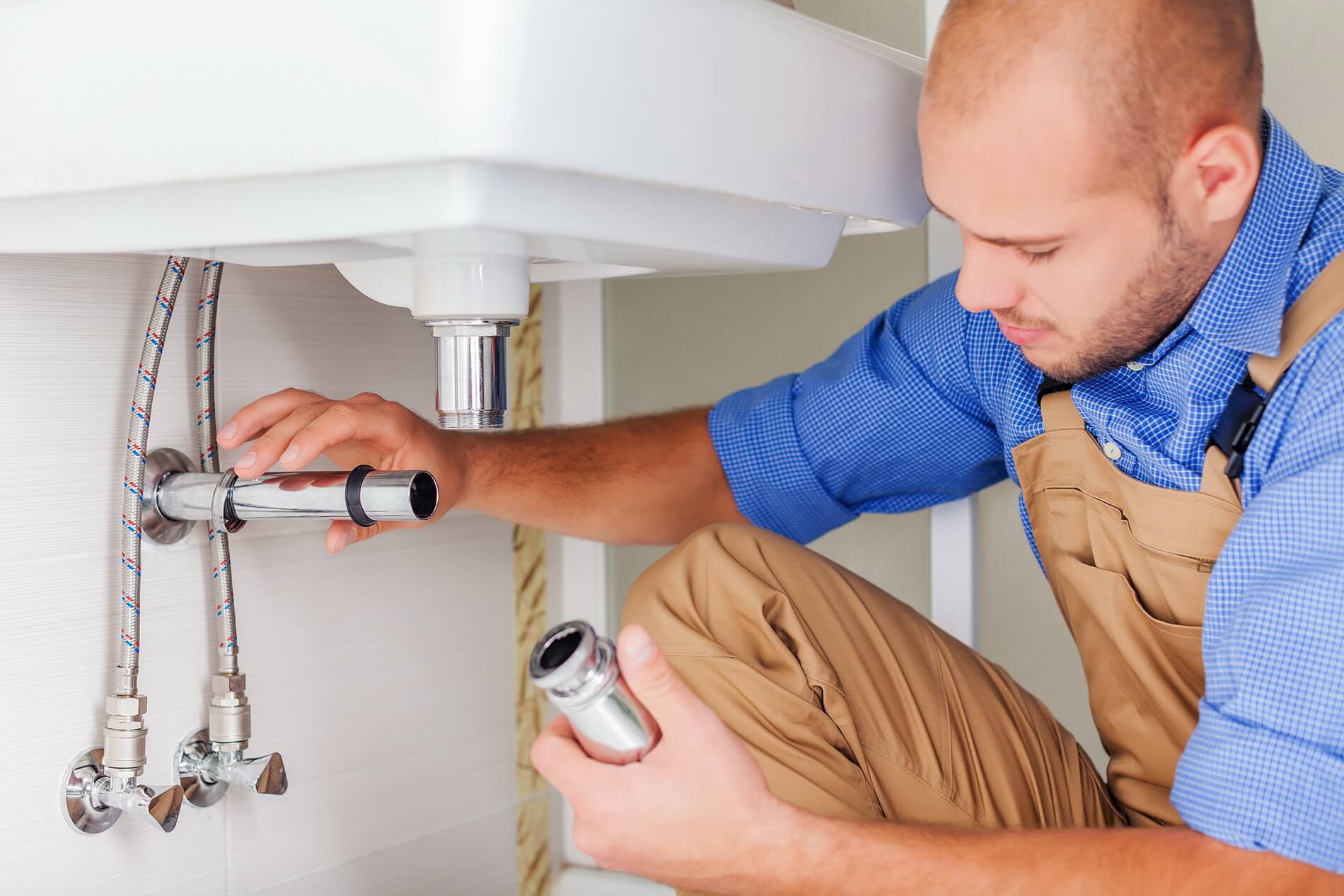
plumbing services

From Drips to Disasters: Navigating the Maze of Plumbing Service Providers

When it comes to the vital systems in our homes, plumbing services are at the top of the list. A skilled plumber plays a crucial role in maintaining the water supply, drainage, and overall functionality of your home. However, finding the right plumber can be a daunting task, especially when faced with plumbing emergencies such as burst pipes or clogged drains. The decision to hire a plumber services provider should not be taken lightly. It's essential to select a professional who not only possesses the necessary skills but also offers reliable and efficient services, and additional services like refuse removal. In this article, we will guide you through the process of choosing the right plumber for your needs, ensuring your plumbing problems are addressed promptly and effectively.

Define Your Plumbing Needs

The first step in finding the right plumber is to determine your specific plumbing needs. Plumbing services cover a wide range of issues, from minor repairs like leaky faucets to major projects such as sewer line replacement. By identifying the exact problem you're facing, you can narrow down your search for a plumber with expertise in that area. Knowing the scope of work required will also help you obtain accurate quotes and ensure that the plumber you choose has the necessary skills.

Ask for Recommendations

One of the most reliable ways to find a reputable plumber is by asking for recommendations from friends, family, and neighbors. Personal referrals can provide valuable insights into the quality of service you can expect. Additionally, you can inquire with local contractors or builders who often work closely with plumbers. Online platforms and review websites are also helpful resources for gathering recommendations and reading reviews from previous customers.

Check Credentials and Licensing

Before hiring a plumber, it's crucial to verify their credentials and ensure they are licensed to operate in your area. Licensing requirements vary from place to place, but a valid license is a clear indication that the plumber has met the necessary standards and regulations. You can typically check a plumber's licensing status with your local regulatory authority. Don't hesitate to ask the plumber for their license number and proof of insurance, including liability coverage. This will protect you from potential liabilities in case of accidents or damages during the project, such as refuse removal.

Obtain Multiple Quotes

To make an informed decision, it's advisable to obtain quotes from multiple plumbers. A professional plumber should be willing to provide a detailed written estimate that outlines the scope of work, materials required, labor costs, and a timeline for completion. By comparing quotes, you can not only get a sense of the fair market price for your project but also assess the professionalism and transparency of each plumber. Be cautious of significantly low or high quotes, as they may indicate potential issues with the service.

Check References

To gauge the quality of a plumber's work, don't hesitate to ask for references from past clients. Contact these references and inquire about their experiences with the plumber, including the timeliness of the service, the quality of workmanship, and whether the plumber effectively resolved their plumbing issues. References can provide valuable insights into what you can expect from the plumber you are considering hiring.

Assess Availability and Communication

Plumbing emergencies can happen at any time, so it's important to assess a plumber's availability and communication. A reliable plumber should be reachable during emergencies and respond promptly to your inquiries. Pay attention to how they communicate, whether they are clear in explaining the problem and the proposed solution. Effective communication is key to a successful plumbing project, and a plumber who values clear communication is more likely to ensure your plumbing issues are resolved to your satisfaction.

Conclusion

Choosing the right plumber is essential to maintaining a smoothly functioning home. By defining your plumbing needs, seeking recommendations, checking credentials, obtaining multiple quotes, checking references, and assessing availability and communication, you can make an informed decision and hire a plumber who can address your plumbing issues efficiently and effectively. Remember, a skilled and reputable plumber not only fixes problems but also helps you prevent future plumbing issues, saving you time, money, and the hassle of dealing with unexpected plumbing emergencies, including refuse removal concerns.

lightweight concrete blocks South Africa

Top Sustainable Construction Materials South Africa Is Using to Build a Greener Future

As the world grapples with the consequences of climate change and environmental degradation, the construction industry is undergoing a much-needed transformation. One of the most innovative solutions emerging in South Africa is recycled polystyrene concrete, a building material that combines sustainability, performance, and cost-effectiveness. This breakthrough is not only tackling waste management issues but also driving the adoption of eco-friendly building materials South Africa wide.

What Is Recycled Polystyrene Concrete?

Recycled polystyrene concrete is a lightweight concrete mixture that incorporates recycled polystyrene beads—commonly found in packaging waste—into traditional cement mixes. These beads replace natural aggregates like sand and gravel, significantly reducing the overall weight of the concrete while offering excellent insulation properties.

The result is a material that is easier to work with, provides superior energy efficiency, and helps divert waste from landfills. In a country where waste management remains a pressing challenge, recycled polystyrene concrete is a perfect example of how innovation can turn a problem into a solution.

A New Era of Lightweight Building

One of the major advantages of recycled polystyrene concrete is its ability to produce lightweight concrete blocks South Africa builders increasingly prefer. These blocks are ideal for both residential and commercial construction because they are easier to transport and install, reduce labour costs, and speed up project timelines.

Moreover, their lightweight nature doesn’t compromise structural integrity. When engineered correctly, these blocks meet rigorous building standards while offering thermal and acoustic insulation benefits—making them suitable for schools, homes, and commercial spaces alike.

Driving the Demand for Sustainable Construction

The demand for sustainable construction materials South Africa is growing rapidly as both private developers and government projects focus more on environmental impact and energy efficiency. Using recycled polystyrene concrete is a powerful way to meet these goals.

Buildings constructed with this material require less energy for heating and cooling due to its excellent insulating properties. This means lower electricity bills and reduced greenhouse gas emissions over the building’s lifespan—both critical for sustainable development.

As more companies and contractors realise the long-term benefits, recycled polystyrene concrete is becoming a preferred choice in modern construction projects.

Liteconcrete Products: Leading the Innovation

A key player in this green revolution is Liteconcrete products, a South African company at the forefront of manufacturing high-performance building materials using polystyrene concrete. Known for their innovative approach and commitment to sustainability, Liteconcrete products offer a range of solutions that meet modern construction needs while reducing environmental impact.

Their offerings include lightweight concrete blocks South Africa developers can use for walls, insulation, and partitioning—helping to streamline construction and enhance energy efficiency at the same time.

By utilising recycled polystyrene concrete, Liteconcrete products contribute to cleaner production practices and set a benchmark for what sustainable building materials should look like.

Eco-Friendly Building Materials for a Greener Future

The construction industry has long been criticised for its heavy environmental footprint. However, innovations like recycled polystyrene concrete and other eco-friendly building materials South Africa are changing the game.

These materials offer multiple advantages:

  • Lower Embodied Energy: They require less energy to produce compared to traditional concrete.

  • Reduced Waste: They incorporate recycled components, helping to address the growing problem of plastic and construction waste.

  • Improved Energy Efficiency: Buildings made from polystyrene-based concrete need less heating and cooling, which translates into long-term savings.

  • Faster Build Times: Lightweight components are easier to handle, reducing construction time and labour costs.

The Road Ahead for South African Construction

The rise of sustainable construction materials South Africa is more than a trend—it’s a necessary shift in how we think about building. As the country continues to face environmental challenges, the adoption of eco-friendly building materials South Africa will play a crucial role in shaping a more resilient and responsible future.

By supporting local innovators like Liteconcrete products and embracing solutions like recycled polystyrene concrete, South Africa is setting a precedent for other nations to follow. This is not just about building structures—it’s about building a sustainable legacy for future generations.

The integration of recycled polystyrene concrete into mainstream construction is a powerful example of how waste can become a resource. From lightweight concrete blocks South Africa to full-scale building systems, this material is reshaping how we think about the built environment.

As more developers and homeowners prioritise sustainability, the demand for eco-friendly building materials South Africa will only continue to rise. In this new era of green building, recycled materials like polystyrene concrete are not just part of the solution—they are leading the way.