
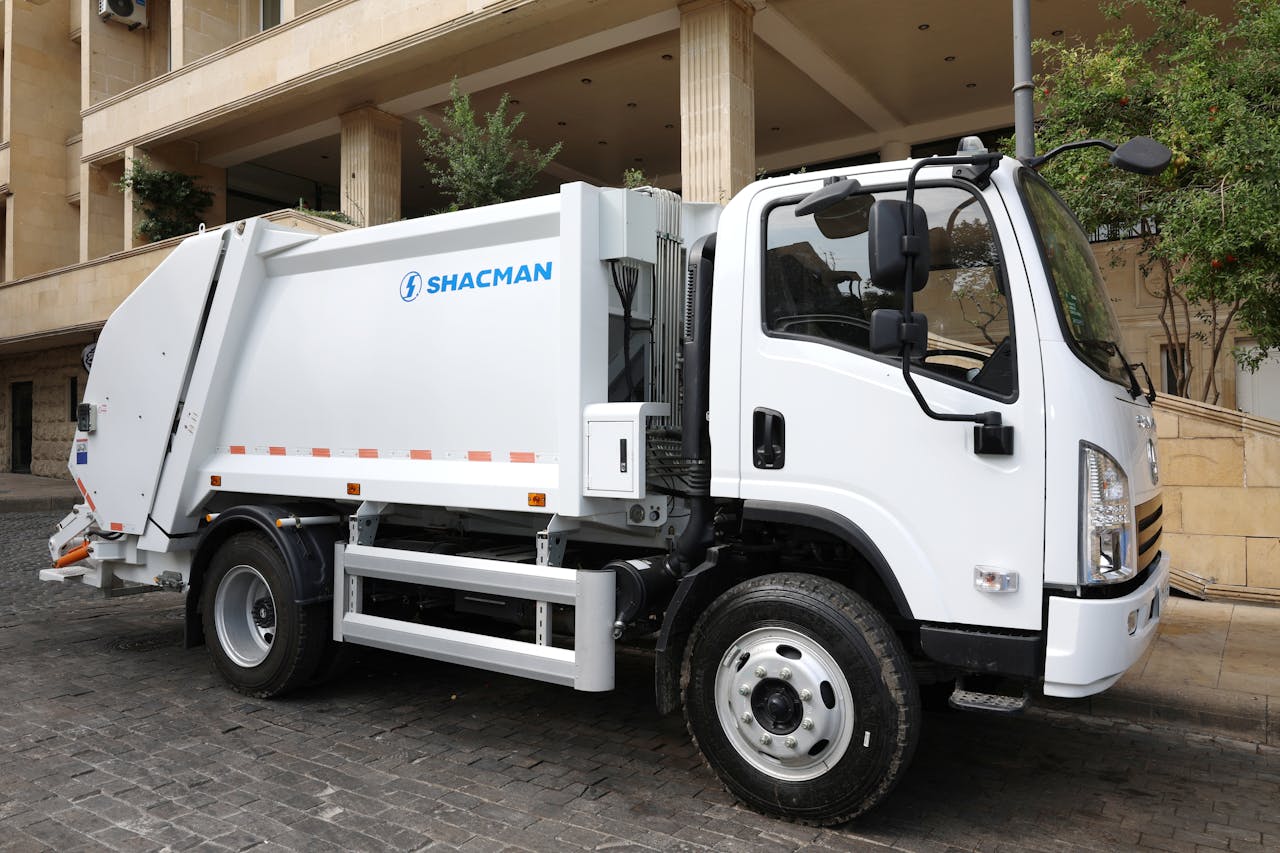
Understanding waste removal service costs in Cape Town

The Real Cost of Waste Removal Services in Cape Town

The cost of keeping a property clean and free from waste is something many homeowners and businesses underestimate until they need the service. Whether it’s after a renovation, a garden clean-up, or routine disposal, understanding what you’re actually paying for can make a significant difference in how you budget and plan. In cities where demand is high and regulations are strict, pricing can vary more than expected.

In a growing urban environment, managing waste responsibly is not just about convenience. It involves logistics, labour, compliance, and environmental considerations. Many people searching for waste removal Cape Town services are initially drawn to the lowest price, but that approach often overlooks the full picture.

To make informed decisions, it’s important to break down the real cost components behind these services. This allows you to compare quotes properly, avoid hidden fees, and ensure you’re getting both value and reliability rather than just a quick fix.

What Influences the Price of Waste Removal Services

Pricing is rarely a flat rate because waste removal involves several moving parts. The type of waste is one of the biggest cost drivers. General household waste is usually cheaper to remove than construction debris, hazardous materials, or bulky items like furniture and appliances.

Volume also plays a key role. Most service providers charge based on how much waste needs to be collected, often measured in cubic metres or truckload capacity. A small garden clean-up will naturally cost less than clearing out an entire property or construction site.

Accessibility is another factor that can affect pricing. If waste is easy to access and load, the job is quicker and requires less labour. However, properties with limited access, stairs, or tight spaces may increase the time and effort required, which is often reflected in the final cost.

Labour and Equipment Costs Explained

Behind every waste removal job is a team of workers and specialised equipment. Labour costs include the time it takes to load, transport, and dispose of the waste. This is especially relevant for heavier or more complex jobs that require additional manpower.

Vehicles and fuel also contribute to pricing. Trucks must be maintained, fuelled, and operated efficiently, particularly when covering longer distances. Rising fuel costs can have a direct impact on service rates, especially in areas that are further from disposal facilities.

In some cases, specialised equipment may be needed. This could include compactors, lifting tools, or protective gear for handling certain types of waste. These added requirements can increase the overall cost but are necessary for safe and compliant operations.

Disposal Fees and Environmental Compliance

One of the most overlooked aspects of waste removal pricing is disposal. Waste does not simply disappear after collection. It must be transported to designated facilities where it is sorted, processed, or disposed of according to local regulations.

Disposal sites often charge tipping fees based on the type and weight of the waste. Hazardous materials, for example, are more expensive to process due to the strict handling requirements involved. These costs are typically included in your quote but may not always be clearly itemised.

Environmental compliance is another critical factor. Reputable service providers follow regulations to ensure waste is handled responsibly. This includes recycling where possible and avoiding illegal dumping, which can carry heavy fines. While compliant services may cost slightly more, they protect you from potential legal and environmental risks.

Hidden Costs to Watch Out For

Not all quotes are as straightforward as they seem. Some providers may advertise low base rates but exclude additional charges that only become apparent later. This can lead to unexpected expenses that quickly push the total cost higher than anticipated.

Common hidden costs include extra charges for overweight loads, extended labour time, or specific types of waste that require special handling. Travel fees may also apply if your location falls outside a standard service area.

To avoid surprises, always ask for a detailed breakdown of what is included in the quote. Transparency is a strong indicator of a professional and trustworthy service provider.

Comparing Value Instead of Just Price

Choosing a waste removal service based solely on the lowest price can be misleading. A cheaper option may cut corners, lack proper licensing, or fail to dispose of waste responsibly. This can create more problems in the long run, including environmental harm or potential fines.

Instead, focus on overall value. This includes reliability, professionalism, and adherence to regulations. A slightly higher upfront cost can often translate into better service, faster turnaround times, and peace of mind.

Customer reviews and reputation also play a role in assessing value. Consistent positive feedback usually indicates a provider that delivers on its promises and handles waste responsibly.

When Waste Removal Becomes More Expensive

Certain situations naturally lead to higher costs. Emergency or same-day services often come at a premium due to the urgency and scheduling adjustments required. Similarly, large-scale projects like construction clean-ups involve more resources and coordination.

Seasonal demand can also affect pricing. Periods of increased activity, such as after major storms or during peak renovation seasons, may lead to higher rates due to limited availability.

Another factor is the type of client. Commercial projects often require ongoing services, compliance documentation, and stricter timelines, all of which can influence pricing structures compared to once-off residential jobs.

How to Reduce Your Waste Removal Costs

While some costs are unavoidable, there are ways to manage and potentially reduce your expenses. Planning ahead is one of the most effective strategies. Booking in advance allows you to avoid rush fees and secure better rates.

Sorting your waste can also make a difference. Separating recyclable materials from general waste may reduce disposal fees and improve efficiency during collection. This is particularly useful for larger projects where waste types vary.

Being clear about the scope of the job helps prevent misunderstandings and additional charges. Accurate information allows service providers to quote more precisely and allocate the right resources from the start.

Key Takeaways Before Hiring a Service

Before committing to a provider, it’s important to evaluate all aspects of the service rather than focusing on a single factor. The real cost goes beyond the initial quote and includes quality, compliance, and long-term impact.

Keep the following points in mind when comparing options:

  • Always request a detailed, itemised quote
  • Confirm what types of waste are included in the price
  • Check for proper licensing and compliance with local regulations
  • Consider the provider’s reputation and customer feedback
  • Avoid deals that seem unusually cheap without clear explanations

Understanding the full scope of what goes into pricing helps you make smarter decisions. When looking at waste removal in Cape Town, taking a balanced approach ensures you get reliable service without unnecessary expenses, while also contributing to responsible waste management in your community.


home construction companies near me

Pretoria’s Premier Construction Companies: Building Excellence in South Africa

Construction has actually constantly been a need in any society, and it will constantly be an essential part of our lives. The structures that we reside in not just keep us safe from natural components however have likewise end up being a kind of expression. If you are checking out preparation and performing business or property structures in Pretoria, you'll discover yourself confronted with lots of choices. Among the many construction companies in Pretoria, Dobiecon sticks out as your leading option.

Why Choose Dobiecon?

Dobiecon is a leading turnkey building business in Pretoria that can offer you with a total variety of services to construct and enhance civil structures in 2023. With Dobiecon, you get access to amazing management and engineering services customized for both business and property structure tasks. Our main focus is on providing accuracy work within particular due dates, and our devoted group is all set to bring your building concepts to life.

Project Management Excellence

One of the standout functions of Dobiecon is our remarkable task management and assessment services. We make it much easier than ever to deal with a building and construction business in Pretoria. Our knowledgeable group will assist you through every stage of the building procedure, looking after important elements such as logistical preparation and legal management. With Dobiecon, you can rely on that your task will remain on schedule and within budget plan.

Comprehensive Construction Services

Dobiecon provides a vast array of building services, consisting of home repair work, remodelling, and brand-new building. No matter the vision you want, we have the proficiency and experience to turn it into a truth. Whether you're seeking to refurbish your existing area, construct a new home, or improve your business home, Dobiecon has you covered.

Affordability and Transparency

We comprehend that lots of possible clients are worried about building tasks spiraling out of control in regards to expense. At Dobiecon, we are dedicated to supplying you with the relevant understanding and openness you require. Our objective is not just to bring industry-leading experience and service to the table however likewise to do so at a cost point that you can pay for. We think that quality building services ought to be available to everybody, and we make every effort to make that a truth.

In conclusion, when looking for building business in Pretoria or building business near you, Dobiecon ought to be at the top of your list. Our dedication to quality, task management proficiency, extensive services, and cost set us apart in the market. Trust Dobiecon to bring your building tasks to life with accuracy, professionalism, and enthusiasm. Contact us today to discuss your building requirements and take the initial step towards turning your vision into truth.

Humane bird control methods applied on urban building ledges to prevent nesting and roosting in city environments

Humane Bird Control Methods for Urban Buildings and Public Spaces

Bird-related challenges in cities have become increasingly common as urban environments expand and natural habitats shrink. Buildings, transport hubs, and public squares often provide ideal nesting and roosting spaces for pigeons, starlings, and gulls. While birds are an important part of the ecosystem, uncontrolled populations in densely populated areas can create hygiene concerns, structural damage, and safety risks. As such, bird control is a highly sought-after service in both urban and public spaces.

Effective management requires a balanced approach that protects both public health and wildlife. This is where humane solutions play a critical role. Modern urban planning increasingly focuses on long-term prevention strategies rather than reactive measures, especially when dealing with persistent nesting and roosting patterns.

Understanding ethical and environmentally responsible approaches to managing urban bird populations helps ensure that cities remain safe, clean, and biodiverse without unnecessary harm to wildlife. Careful planning, combined with professional methods, can significantly reduce conflicts between humans and birds while maintaining ecological balance.

Understanding Urban Bird Challenges and Behaviour

Birds adapt quickly to human environments because of readily available food sources, sheltered structures, and minimal natural predators. Ledges, rooftops, signage, and bridges provide perfect nesting sites. In many cases, unmanaged populations can lead to blocked drainage systems, corrosion from droppings, and slip hazards in high-footfall areas.

Public spaces such as parks and transport terminals are especially vulnerable. Food waste and predictable human activity encourage flocking behaviour, which can escalate rapidly if not addressed early. Over time, repeated roosting creates established patterns that are difficult to reverse without intervention.

In some cities, this has led to increased demand for humane urban management strategies. Effective solutions aim to discourage nesting without causing injury or distress. These approaches rely on understanding behavioural triggers such as light, sound, texture, and spatial preferences.

A key principle in modern environmental management is prevention rather than removal. Once birds have established nesting sites, relocation becomes more complex and less effective. Early-stage deterrence is therefore essential for long-term control.

Structural and Physical Deterrent Approaches

One of the most widely used categories of solutions involves physical deterrents that make surfaces less suitable for landing or nesting. These methods are designed to be non-lethal and long-lasting, focusing on exclusion rather than harm.

Common physical deterrents include angled ledge modifications, netting systems, and spike strips designed to prevent roosting. These systems are typically installed on building edges, signage, and rooflines where birds commonly gather. When correctly implemented, they do not trap or injure birds but simply discourage them from settling.

Another important method involves sealing access points. Gaps in roofing, vents, and architectural recesses are often exploited by birds seeking shelter. Closing these spaces reduces nesting opportunities significantly and supports long-term prevention.

• Installing tensioned netting across courtyards, courtyards, and open façades
• Applying surface modifications such as sloped coverings to eliminate flat roosting areas
• Using non-harmful spike systems on narrow ledges and beams

While these methods are highly effective, they require careful installation to ensure they remain safe for both wildlife and building occupants. Poorly fitted systems can reduce effectiveness or create unintended hazards.

In some cases, a combined strategy is required, especially in large public infrastructure such as airports, stadiums, and shopping centres. Here, multiple deterrent layers are often used to reinforce effectiveness.

Professional services often incorporate monitoring systems to assess whether structures remain protected over time. This adaptive approach ensures that interventions remain relevant as bird behaviour changes seasonally.

Within these strategies, bird control plays a central role in designing integrated solutions that are both humane and practical for urban environments.

Behavioural and Sensory Deterrent Techniques

Beyond physical barriers, sensory-based approaches are increasingly used to modify bird behaviour without causing distress. These techniques rely on sound, light, or visual cues that make an area less attractive to birds.

For example, reflective materials can disorient birds briefly, encouraging them to avoid certain spaces. Similarly, controlled acoustic devices emit frequencies or patterns that discourage roosting without affecting human activity in the same way. These systems are often programmable, allowing adjustments based on time of day or seasonal migration patterns.

Visual deterrents such as predator silhouettes or moving elements can also reduce nesting behaviour. Birds tend to avoid environments that appear unsafe or unpredictable. However, effectiveness can decrease over time if birds become accustomed to static deterrents, so variation is important.

Key sensory methods include:

• Motion-activated sound systems that respond only when birds are present
• Reflective tape or panels that create shifting light patterns
• Laser-based deterrents used during peak roosting hours in large open areas

These approaches are particularly useful in public spaces where physical modifications may be limited due to architectural or heritage considerations. They allow for flexible management without altering building structures.

It is important that these methods are used responsibly to avoid unnecessary disturbance to other wildlife or nearby residents. Proper calibration ensures that deterrence is targeted and proportionate.

Environmental and Waste Management Strategies

Urban bird issues are often closely linked to human behaviour, particularly waste disposal practices. Accessible food waste is one of the strongest attractants for city-dwelling birds. Reducing these incentives is a foundational part of long-term management.

Waste bins in public areas should be designed with secure lids and emptied regularly. Spillage around markets, restaurants, and transport hubs should be addressed promptly to prevent repeated feeding cycles. When food sources are reduced, bird populations naturally disperse to more suitable environments.

Landscape design also plays a role. Tree placement, water features, and open lawns can either encourage or discourage roosting depending on their configuration. Strategic planning helps reduce congregation in sensitive areas while still supporting biodiversity.

• Ensuring waste containers are sealed and resistant to tampering
• Scheduling frequent cleaning in high-traffic pedestrian zones
• Reducing accessible food waste in outdoor dining and market spaces

Education campaigns can also support behavioural change among the public. When people understand the consequences of feeding wildlife in urban zones, long-term improvements become more achievable.

Integrated environmental planning complements physical and sensory deterrents, creating a multi-layered approach that reduces reliance on reactive measures. This combination improves overall effectiveness while maintaining humane standards.

At this stage, bird control is most successful when aligned with broader municipal hygiene and urban design strategies, ensuring that prevention is embedded into everyday infrastructure management.

Ethical Considerations and Long-Term Urban Planning

Modern wildlife management prioritises humane treatment and ecological balance. Ethical frameworks guide how interventions are selected, ensuring that harm is avoided and natural behaviour is respected as far as possible.

Urban planners increasingly collaborate with environmental specialists to design buildings that are less attractive to nesting birds from the outset. This includes smoother façades, reduced ledge depth, and materials that discourage prolonged roosting. Prevention at the design stage is often more effective than remediation after construction.

Long-term success depends on continuous assessment. Bird populations are dynamic, influenced by seasonal changes, migration, and food availability. Regular monitoring allows for adjustments without resorting to aggressive measures.

Community involvement is also important. Public awareness helps reduce behaviours that unintentionally encourage overpopulation in urban spaces. When residents and businesses adopt consistent waste practices and respect wildlife boundaries, overall pressure on infrastructure decreases.

Sustainable urban environments depend on harmony between human activity and natural ecosystems. Humane deterrence strategies support this balance by reducing conflict while preserving biodiversity. Over time, well-managed cities can coexist with bird populations in a controlled and ethical way, ensuring that both ecological and public health needs are met without compromise.

Couple watching TV after DStv Explora installation

Everything You Need to Know Before Booking a DStv Explora Installation

Booking a new decoder setup is not something most homeowners do often. Yet when the time comes, the decisions you make can affect your viewing experience for years. Modern satellite television systems are more advanced than many people realize. Signal quality, cabling standards, smart LNB compatibility, and proper configuration all matter.

Before committing to a DStv Explora installation, it is essential to understand what the process involves, what equipment is required, and how to ensure the job is done correctly and safely.

Understanding How the DStv Explora Works

The DStv Explora is not just a standard decoder. It is a Personal Video Recorder (PVR) designed to allow recording, pausing live TV, and accessing Catch Up services. Unlike older single-view decoders, it typically requires a Smart LNB or compatible multiswitch setup to unlock full functionality.

This means installation is more technical than simply mounting a satellite dish and connecting a cable. Signal splitting, correct frequency band allocation, and precise dish alignment are critical for optimal performance.

If these technical aspects are handled incorrectly, users may experience:

  • Signal loss during bad weather

  • Recording failures

  • Decoder reboot loops

  • Incomplete channel access

Because of this complexity, working with a trained and accredited installer is strongly recommended.

What Equipment Is Required

Before scheduling your appointment, confirm which components are included in your package and which may require upgrades.

A typical setup includes:

  1. Satellite dish (properly sized and aligned)

  2. Smart LNB compatible with Explora

  3. Approved coaxial cabling

  4. Wall brackets and mounting hardware

  5. The Explora decoder itself

In some homes, existing infrastructure can be reused. However, older LNBs or degraded cabling may not support full functionality. Installers often need to replace outdated components to ensure reliable signal strength and long-term stability.

If you live in a complex or sectional title property, you may also need permission from the body corporate before external installations are done.

Choosing a Qualified Installer

Satellite systems require technical precision. Improper alignment of even a few millimeters can reduce signal quality dramatically.

When selecting a technician, look for the following:

  1. Accreditation and registration with Multichoice

  2. Clear, written quotations

  3. Transparent explanation of equipment used

  4. Warranty on workmanship

  5. Positive client feedback

Avoid choosing purely based on price. Extremely low quotes may exclude essential components such as upgraded LNBs or high-quality cabling.

A reputable installer will inspect your property beforehand, evaluate signal line of sight, and explain whether roof mounting, wall mounting, or pole installation is most appropriate.

Site Assessment and Signal Positioning

One of the most overlooked aspects of a DStv Explora installation involves site evaluation. Satellite dishes require an unobstructed line of sight to the satellite. Trees, neighboring buildings, and even future construction plans can affect placement decisions.

An experienced technician will:

  • Test signal strength before final mounting

  • Ensure the dish is securely fixed to prevent wind damage

  • Route cabling neatly and safely

  • Seal entry points to prevent water leaks

Poor sealing around cable entry points can lead to water ingress, which may cause structural damage or electrical issues over time.

Understanding Costs and Avoiding Hidden Fees

Many homeowners underestimate the total cost of installation. The advertised decoder price often does not include mounting brackets, extra cabling, or signal boosters if required.

Before confirming your booking, ask for a breakdown that includes:

  1. Equipment costs

  2. Labour charges

  3. Call-out fees

  4. Any additional hardware required

  5. Warranty coverage details

Transparent pricing protects you from unexpected charges on the day of installation.

In some cases, additional cabling may be needed if your television location is far from the dish position. Complex routing through ceilings or walls can increase labour time.

Smart LNB vs Older Systems

Older satellite systems used dual-view or single-view LNBs that are not compatible with Explora’s advanced features. A Smart LNB is specifically designed to distribute multiple frequency bands through a single cable configuration.

Without the correct LNB, you may not be able to:

  • Record multiple channels simultaneously

  • Access Catch Up features

  • Enjoy uninterrupted viewing during recordings

Ensuring the correct LNB is installed at the outset avoids costly upgrades later.

Installation Day: What to Expect

On installation day, the technician will typically:

  1. Mount and align the satellite dish

  2. Install or upgrade the LNB

  3. Run cabling to the decoder

  4. Configure signal settings

  5. Test all channels and recording functions

This process usually takes between one to three hours, depending on property layout and infrastructure.

Homeowners should be present during setup to confirm TV positioning and verify that all features are functioning correctly before the installer leaves.

Post-Installation Checks and Maintenance

Once the system is active, take a few minutes to verify functionality.

Test live TV, pause and rewind functions, and scheduled recordings. Ensure remote control pairing is successful and that the signal strength indicator reflects stable reception.

Regular maintenance is minimal but important. Keep the dish free from debris and check for loose mounting brackets after severe storms.

If you notice signal disruption, avoid attempting to realign the dish yourself. Satellite positioning requires precision instruments and incorrect adjustments may worsen the issue.

Legal and Safety Considerations

Satellite installations involve working at height, electrical routing, and structural mounting. DIY attempts can pose safety risks and may void equipment warranties.

Professional installers follow safety standards, use proper mounting equipment, and ensure compliance with building regulations where applicable.

If you reside in a rental property, always obtain landlord approval before proceeding. Unauthorized installations may lead to penalties or removal costs.

Is Upgrading Worth It?

For many households, the Explora offers significant value through enhanced recording capabilities and on-demand content access. However, the quality of your viewing experience depends heavily on correct setup.

A properly executed DStv Explora installation ensures signal stability, optimal picture quality, and long-term reliability. Cutting corners at this stage often leads to frustration and additional expenses.

Before booking, take the time to evaluate equipment compatibility, installer credentials, and cost transparency. Ask detailed questions. Confirm warranties. Understand what is included.

By approaching the process with informed expectations, you reduce risk, protect your investment, and ensure that your entertainment system performs exactly as intended for years to come.

Fleet manager using GPS tracking software on desktop

The Cost-Saving Benefits of GPS Tracking for Contractor Fleets

GPS tracking has revolutionized the way contractors manage their fleets, providing a level of oversight and efficiency that was unimaginable just a decade ago. For businesses that rely on multiple vehicles and equipment moving across various sites, the ability to monitor locations, optimize routes, and ensure timely deliveries can directly impact profitability. Many contractors often underestimate how much waste occurs through inefficient scheduling, fuel overuse, and unplanned maintenance—areas where modern GPS technology can make a significant difference.

Investing in GPS tracking for contractors goes beyond simple location monitoring. It enables managers to make data-driven decisions, from assessing driver performance to planning preventative maintenance schedules. These insights not only reduce operational costs but also improve customer satisfaction, as contractors can provide accurate estimates and ensure projects stay on schedule. In the competitive world of contracting, even small improvements in efficiency can translate into substantial financial gains.

Moreover, adopting GPS systems aligns with a broader trend of digital transformation in the construction and service industries. Companies that fail to leverage these tools risk falling behind competitors who can streamline operations, reduce overheads, and provide higher-quality services. GPS tracking systems have become more affordable and sophisticated, making them accessible even to smaller contractors looking to gain an edge without significant upfront investment.

Improved Route Planning and Fuel Efficiency

One of the most immediate cost-saving benefits of GPS tracking for contractors is the ability to optimize routes. Vehicles that travel unnecessary miles or take inefficient paths consume more fuel and experience greater wear and tear. GPS systems can analyze traffic patterns, suggest alternative routes, and help dispatchers assign vehicles based on real-time conditions.

Optimized routing has a direct impact on fuel costs, which can be one of the largest recurring expenses for contractors. By reducing unnecessary mileage, businesses not only save on fuel but also reduce emissions, contributing to greener operations. Over time, these savings can offset the initial investment in GPS hardware and software, making the technology cost-effective for fleets of all sizes.

Enhanced Fleet Utilization and Asset Management

GPS tracking allows contractors to monitor the usage of each vehicle in their fleet, ensuring that assets are used efficiently. Idle times, overuse, or misallocation of vehicles can be easily identified and corrected. This oversight helps prevent costly mistakes, such as assigning the wrong vehicle to a distant job site or scheduling maintenance too late, which could lead to breakdowns and project delays.

Real-time tracking also improves accountability among drivers. Contractors can monitor driving behavior, such as speeding or harsh braking, which can contribute to vehicle damage and higher insurance premiums. By addressing these behaviors, companies reduce risk and extend the life of their fleet, further lowering operational costs.

Time Savings and Increased Productivity

Beyond the financial savings, GPS tracking contributes to time efficiency. Contractors can schedule jobs more effectively, monitor progress remotely, and adjust plans dynamically if unexpected delays occur. This level of oversight reduces downtime and ensures that labor and equipment are deployed optimally.

Teams can also communicate more effectively with the office and with clients. Instead of relying on phone calls or estimates, managers can provide accurate arrival times, status updates, and completion forecasts. This transparency builds trust with clients and enhances the professional reputation of the contracting company.

Maintenance Management and Reduced Repair Costs

Regular maintenance is critical for keeping contractor vehicles in peak condition, but manual tracking of service schedules can be error-prone and inconsistent. GPS tracking systems often include maintenance alerts, notifying managers when a vehicle is due for servicing or when unusual engine activity is detected.

Preventative maintenance reduces the likelihood of major breakdowns, which are expensive both in repair costs and lost productivity. Contractors can plan for routine services during off-peak hours, minimizing disruption to operations while extending the lifespan of vehicles and equipment.

Safety, Compliance, and Risk Mitigation

GPS tracking for contractors also enhances safety and compliance. By monitoring driver behavior, companies can enforce safer driving practices, reducing the risk of accidents. Systems often store detailed logs that can assist in resolving disputes or insurance claims, ensuring that contractors remain compliant with regulations and maintain a safe working environment.

The combination of safety monitoring, route optimization, and maintenance management contributes to lower insurance premiums over time. Insurers often reward companies that demonstrate proactive risk management through telematics, further improving the overall cost-effectiveness of GPS solutions.

Key Takeaways for Contractors Considering GPS Tracking

Adopting GPS tracking offers multiple avenues for cost savings and efficiency improvements. To summarize the most important benefits:

  • Fuel efficiency: Reduced unnecessary mileage and optimized routes lower fuel expenses.

  • Better fleet utilization: Real-time monitoring prevents idle time and asset misallocation.

  • Time savings: Improved scheduling and job oversight boost productivity.

  • Maintenance management: Alerts for routine servicing prevent costly breakdowns.

  • Safety and compliance: Monitoring driver behavior and maintaining records reduce risk and insurance costs.

For contractors seeking to maximize profitability and streamline operations, investing in GPS technology is no longer optional. By reducing inefficiencies, lowering operational costs, and increasing transparency, GPS tracking can transform the way fleets are managed and give businesses a measurable competitive advantage.

geotechnical drilling

How Geotechnical Drilling Ensures Long-Term Foundation Stability

Foundation failures are among the most serious and costly problems in construction. Whether in residential homes, commercial buildings, or infrastructure projects, a compromised foundation can lead to structural damage, safety hazards, and major financial losses. To avoid such outcomes, one of the most crucial steps in the construction process is conducting thorough geotechnical drilling.

Geotechnical drilling plays a central role in evaluating the soil and rock beneath a construction site. By understanding subsurface conditions, engineers can design foundations that are tailored to the specific characteristics of the site, thereby significantly reducing the risk of failure. It is a proactive approach that protects both structures and budgets.

Understanding Geotechnical Drilling

Geotechnical drilling involves the extraction of soil and rock samples from below the surface of a construction site. These samples are analyzed to determine properties such as soil composition, density, moisture content, shear strength, and bearing capacity. The results inform engineers about the suitability of the ground to support the intended structure.

By using geotechnical drilling to examine the earth beneath a proposed building site, construction professionals gain critical insights that can prevent future problems. It’s a foundational step that ensures the actual foundation of the structure is designed to perform safely and reliably.

The Connection Between Soil Conditions and Foundation Performance

The performance of any foundation depends heavily on the condition of the underlying soil. For example, clay soils can expand and contract with changes in moisture, sandy soils may shift under load, and loose fill can lead to uneven settling. Without a clear understanding of these factors, foundations can crack, sink, or become unstable over time.

Geotechnical drilling identifies these soil behaviors before construction begins. By revealing weak or variable soil layers, the process allows engineers to adapt the design—such as choosing a deep pile foundation instead of a shallow footing—to suit the conditions and prevent future failure.

Tailored Foundation Design

One-size-fits-all does not apply to foundation engineering. Every site is unique, and geotechnical drilling provides the specific information needed to design a foundation that will perform well under the given conditions. Whether the project is a high-rise building, a bridge, or a warehouse, the foundation must match the load it will carry and the ground it will rest on.

Through geotechnical drilling, engineers can calculate how much weight the soil can safely bear, determine the depth at which stable soil or rock can be found, and assess potential issues such as groundwater presence or soil movement. This information is used to select the most suitable foundation type and depth, greatly reducing the chance of failure.

Early Detection of Problematic Conditions

Foundation failures are often caused by conditions that were not identified during the planning phase—soft soils, sinkholes, buried organic matter, or high water tables. Geotechnical drilling serves as an early warning system, flagging these problems before construction begins.

For instance, if geotechnical drilling uncovers a layer of compressible clay, the design can be altered to include deeper supports or soil stabilization methods. Without this knowledge, the foundation may settle unevenly, leading to cracking walls, sloping floors, and ultimately a compromised structure.

Long-Term Structural Integrity

A strong foundation supports more than just the structure—it supports the entire lifecycle of a building. Foundation failures can manifest slowly, years after the project is completed. These long-term issues can lead to expensive repairs, loss of property value, and even complete structural loss in extreme cases.

Geotechnical drilling provides peace of mind that the building has a solid and informed base. By investing in this process upfront, developers can reduce maintenance costs, avoid legal liability, and ensure the long-term safety of occupants.

Supporting Regulatory Compliance and Insurance

In many regions, geotechnical drilling is not just a best practice—it’s a regulatory requirement. Building codes often demand soil investigations before permits are issued. Moreover, insurers and lenders may require geotechnical reports to mitigate the risk of foundation failure and related claims.

By performing geotechnical drilling, project owners ensure compliance with local laws and satisfy the conditions set by financial institutions. This adds another layer of security to the project, further supporting its financial and structural stability.

Foundation failure is a risk no construction project can afford. The consequences—financial, structural, and reputational—are simply too great. Geotechnical drilling stands out as a vital step in preventing these failures by providing the critical data needed to design safe and effective foundations.

Rather than viewing it as an added expense, geotechnical drilling should be seen as an investment in quality, safety, and long-term success. When the ground beneath your project is thoroughly understood and accounted for, the foundation you build on it will be far less likely to fail.

dredging company

The Impact of Dredging on Nature and Innovations for a Greener Future

Dredging plays a critical role in maintaining navigable waterways, reclaiming land, and supporting various industries, including construction and mining. However, despite its economic benefits, dredging has significant environmental implications that must be addressed. From disrupting aquatic ecosystems to contributing to water pollution, the impact of dredging is a topic of concern. Fortunately, innovative solutions and sustainable practices can mitigate these challenges, allowing a dredging company or a dredging contractor to operate in a more environmentally responsible manner.

The Challenges of Dredging

1. Disruption of Aquatic Ecosystems

One of the primary environmental concerns associated with dredging is the disruption of aquatic habitats. Many marine and freshwater organisms, including fish, crustaceans, and plant life, rely on stable ecosystems. When sediments are disturbed, essential nutrients and organisms can be displaced, leading to habitat destruction and reduced biodiversity.

Additionally, dredging can alter the natural flow of water bodies, affecting fish migration patterns and breeding grounds. This disruption may have long-term consequences on local fisheries and overall aquatic health.

2. Sediment Resuspension and Water Pollution

A significant issue that arises from dredging is sediment resuspension. When a dredging contractor removes materials from the bottom of a river, lake, or seabed, fine sediments are released into the water column. These sediments can carry contaminants such as heavy metals, pesticides, and industrial waste, leading to water pollution.

Increased turbidity (cloudiness of water) can also block sunlight penetration, negatively affecting photosynthesis in aquatic plants. This, in turn, disrupts the entire food chain, impacting both marine life and water quality.

3. Coastal Erosion and Land Instability

Dredging can contribute to coastal erosion by removing sediment that naturally stabilizes shorelines. When a dredging company extracts large amounts of material, it may inadvertently weaken coastal defenses, making areas more vulnerable to erosion and flooding.

Furthermore, land subsidence can occur when excessive sediment is removed from estuaries and riverbeds. This can lead to sinking land, threatening nearby infrastructure, including roads, bridges, and buildings.

4. Noise and Air Pollution

Dredging operations generate noise pollution that can disturb marine life, especially species that rely on echolocation, such as dolphins and whales. The constant underwater noise from machinery can interfere with their ability to communicate, navigate, and find food.

Additionally, dredging equipment often runs on fossil fuels, releasing greenhouse gases and contributing to air pollution. A lack of proper emission controls can further exacerbate environmental degradation.

Sustainable Solutions for Dredging

1. Environmentally Friendly Dredging Techniques

To minimize the environmental impact, a dredging contractor can adopt more sustainable dredging methods. One such method is precision dredging, which targets specific areas with minimal disturbance. This approach reduces sediment resuspension and prevents unnecessary damage to aquatic habitats.

Another solution is using hydraulic dredging instead of mechanical dredging. Hydraulic dredging uses suction to remove sediment gently, reducing the likelihood of disturbing marine life and limiting water contamination.

2. Silt Curtains and Sediment Control Measures

A dredging company can implement silt curtains—floating barriers that contain suspended sediments—to prevent pollutants from spreading to other areas. These curtains are especially useful in projects near sensitive ecosystems or drinking water sources.

Additional measures, such as sediment traps and water filtration systems, can further help in controlling the spread of contaminants, ensuring cleaner and safer water conditions.

3. Habitat Restoration and Compensation

To offset environmental damage, many dredging projects now include habitat restoration efforts. After dredging is completed, a dredging contractor can engage in replanting aquatic vegetation, rebuilding artificial reefs, and creating wildlife sanctuaries to support biodiversity.

Moreover, compensatory projects such as wetland creation and mangrove rehabilitation can help restore ecological balance, providing essential breeding and feeding grounds for marine species.

4. Eco-Friendly Equipment and Renewable Energy

Modern advancements in technology have led to the development of eco-friendly dredging equipment. A forward-thinking dredging company can invest in electric or hybrid-powered dredgers, which reduce carbon emissions and lower fuel consumption.

Additionally, integrating renewable energy sources, such as solar or wind power, into dredging operations can further reduce the environmental footprint of these activities.

5. Regulatory Compliance and Environmental Monitoring

Government regulations play a crucial role in ensuring sustainable dredging practices. Many countries now require environmental impact assessments (EIAs) before approving dredging projects. These assessments help identify potential risks and implement mitigation strategies.

Continuous monitoring of water quality, sediment displacement, and marine life health can also help a dredging company make informed decisions about minimizing its ecological impact. Modern monitoring tools, such as satellite imaging and underwater drones, provide real-time data for better environmental management.

Dredging remains a vital activity for maintaining waterways and supporting industrial growth, but it comes with significant environmental challenges. From disturbing marine ecosystems to increasing water pollution, these effects must be carefully managed. However, by adopting sustainable dredging techniques, investing in eco-friendly equipment, and implementing habitat restoration projects, a dredging contractor can minimize harm and promote environmental conservation.

As regulations become stricter and awareness about ecological protection grows, the dredging industry must prioritize responsible practices. With the right balance between economic development and environmental stewardship, the long-term sustainability of aquatic ecosystems can be preserved while ensuring the continued benefits of dredging activities.