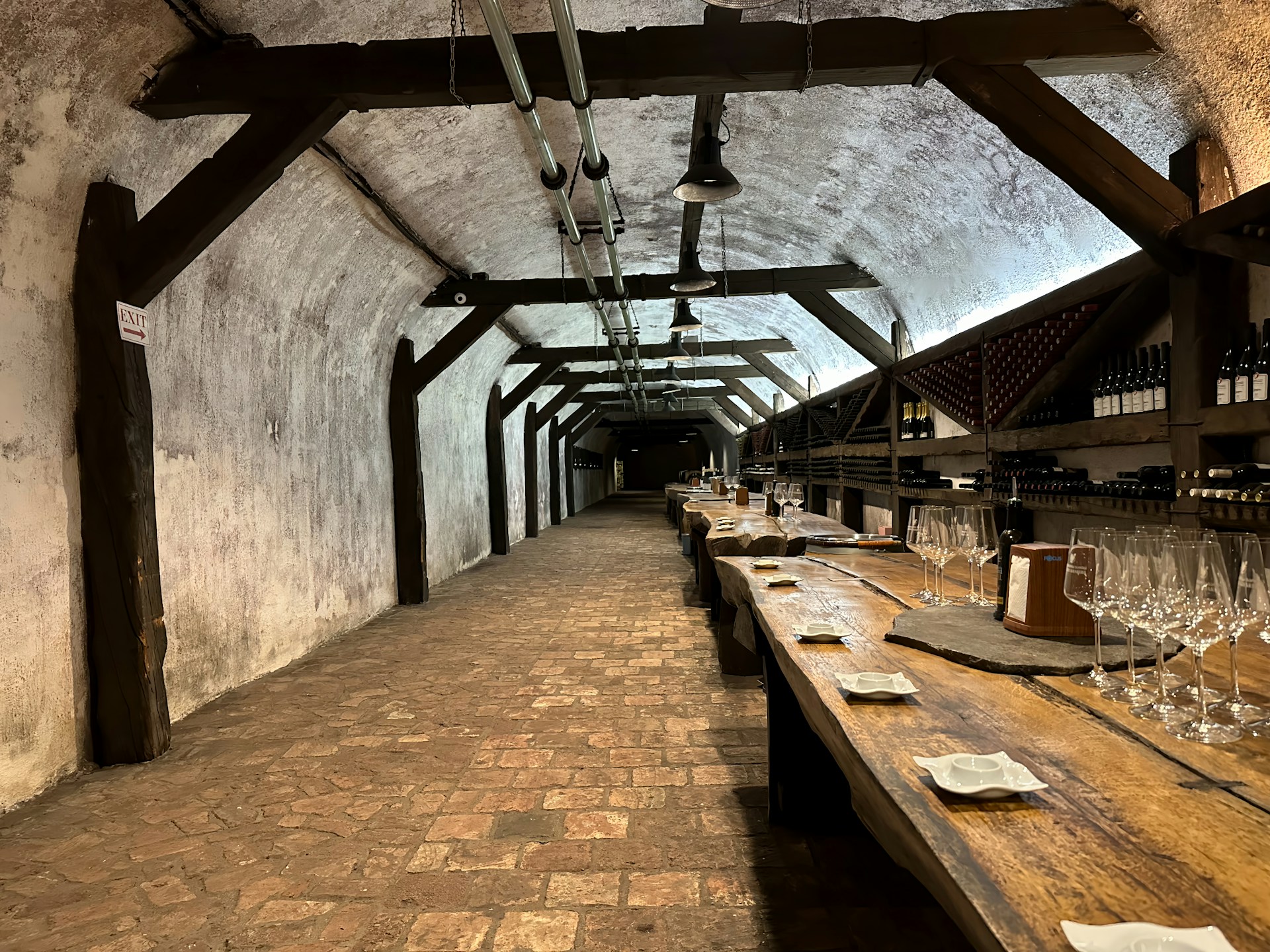
Exclusive wine tasting experience in Cape Town vineyards

Cape Town Wine Tours for Connoisseurs: Rare Wines and Exclusive Tastings

Cape Town offers an enchanting blend of natural beauty and world-class wine experiences, making it a prime destination for wine enthusiasts. For those who have explored the standard wine routes, there is a growing desire to uncover rare vintages and exclusive tasting experiences that go beyond the usual vineyard visits. Cape Town wine tours for connoisseurs cater precisely to this niche, offering curated journeys through some of the region’s most esteemed wineries.

These tours provide more than just a sip of fine wine—they immerse guests in the artistry and history behind every bottle. Small, boutique vineyards often open their doors only to those seeking an in-depth exploration of viticulture and winemaking techniques. Whether you are a seasoned sommelier or an avid enthusiast, the experience allows for a closer connection with winemakers and the passion that drives them.

Beyond wine, these tours often incorporate the region’s gastronomic delights, with gourmet pairings and locally sourced ingredients elevating every tasting. Cape Town wine tours for connoisseurs are not just about drinking wine—they are about cultivating an understanding and appreciation for the craft, culture, and community that surrounds it.

Discovering Hidden Vineyards

For connoisseurs, the appeal of Cape Town wine tours often lies in the off-the-beaten-path vineyards that are not part of conventional itineraries. These hidden gems offer intimate tasting sessions where guests can experience rare varietals. Many of these wineries have small production runs, ensuring that each bottle is crafted with meticulous care.

Visiting these secluded estates also allows for personal interactions with vintners, who share their philosophies on organic practices, barrel aging, and the unique microclimates that influence each grape. Some tours even provide behind-the-scenes access to cellars, blending rooms, and vineyards, giving a rare glimpse into the winemaking process.

  • Boutique wineries often produce wines that are unavailable in mainstream markets.

  • Seasonal harvest tours offer an immersive experience in the vineyard’s rhythm.

  • Tasting sessions frequently include experimental or single-vineyard wines, perfect for collectors.

The Art of Exclusive Tastings

Exclusive tastings elevate the experience beyond traditional wine sampling. On these tours, guests can enjoy small-group sessions with carefully curated flights of rare wines, often accompanied by detailed tasting notes and guided insights. The approach is educational as much as it is indulgent, allowing visitors to refine their palate and develop an understanding of subtleties in aroma, acidity, and body.

Many high-end wine estates incorporate food pairings to enhance the tasting experience. Think artisanal cheeses, charcuterie, and locally grown produce complementing each sip. Such pairings are designed to highlight the wine’s unique characteristics and create a memorable culinary journey.

  • Flights are often themed around a vintage, a grape varietal, or a specific vineyard plot.

  • Sommeliers or winemakers explain the influence of soil, climate, and production techniques.

  • Limited-edition wines can sometimes be purchased directly from the estate, offering a rare collectible.

Personalized and Private Tour Experiences

One of the defining features of connoisseur-level Cape Town wine tours is the level of personalization. Guests can request private tours tailored to their interests, whether focusing on biodynamic practices, rare varietals, or historic estates. Personalized itineraries often include transportation, gourmet meals, and even scenic stops to enjoy the region’s breathtaking landscapes.

Small groups or one-on-one tours ensure that every detail is attended to, from tasting temperature to pouring techniques, offering a refined and luxurious experience. Some tours also incorporate masterclasses, where participants can try blending their own wines under expert guidance, adding an interactive element to the journey.

Pairing Wine with Scenic Adventures

The Western Cape is renowned not just for its wine but also for its dramatic landscapes, and many high-end tours seamlessly integrate these elements. Picture a tasting on a hillside overlooking rolling vineyards, or a picnic among fynbos with the Atlantic Ocean as a backdrop. These moments make each sip of wine more than just a taste—it becomes an experience tied to place, history, and memory.

Outdoor tastings can also include guided walks through the vineyards, exploring the terroir that gives each wine its character. This connection between landscape and flavor is a hallmark of connoisseur-level wine tours and adds a sensory depth that standard tours often miss.

Planning Your Connoisseur Journey

While Cape Town wine tours for casual visitors can be booked on the fly, tours focusing on rare wines and exclusive tastings often require advance planning. Many boutique estates have limited availability, and peak harvest seasons can fill up months in advance.

  1. Research wineries known for unique or rare varietals and contact them directly.

  2. Consider private or semi-private tours for a more personalized experience.

  3. Plan your itinerary around the types of experiences you value most—tastings, gourmet pairings, or immersive vineyard walks.

It’s worth investing time in selecting a tour that aligns with your interests and palate, ensuring an experience that is both indulgent and educational.

Cape Town’s wine region offers a spectrum of experiences, from large commercial estates to intimate boutique vineyards. For those seeking rare vintages and exclusive tasting sessions, connoisseur-level tours provide a rare opportunity to explore the artistry behind the bottles. Each sip, paired with scenic vistas and culinary delights, creates a journey that lingers long after the last pour.

structured addiction care centre supporting recovery

How Structured Care Centres Support Recovery Through Multidisciplinary Treatment

Addiction recovery is a journey that often requires more than determination and self-discipline. Many individuals face intertwined physical, emotional, and social challenges that cannot be addressed by a single method. Structured care centres have become pivotal in providing comprehensive, multi-layered support to people navigating these challenges. They offer an environment where professional guidance, therapeutic interventions, and personal development come together to support long-term recovery.

Entering a structured programme can feel daunting for clients at first. The schedules, assessments, and varied treatment options might appear overwhelming. However, these routines and structures are essential for fostering a sense of stability. By removing individuals from their usual environment and potential triggers, structured care centres allow clients to focus solely on recovery while receiving professional support and guidance.

These centres do more than manage withdrawal symptoms—they work to address the root causes of addiction. Facilities like Changes Addiction Care Centre integrate medical care, therapy, and social support into a cohesive plan, ensuring that recovery is sustainable. Clients receive tools not only to overcome substance dependence but also to rebuild relationships, improve coping mechanisms, and develop skills that support long-term well-being.

The Multidisciplinary Approach in Addiction Care

Structured care centres often rely on multidisciplinary treatment teams to address the diverse needs of clients. This approach brings together psychologists, medical doctors, social workers, occupational therapists, and other professionals, each offering specialized expertise. The goal is to treat the whole person rather than just the addiction, considering mental health, physical health, and social factors.

Medical supervision is a critical component of multidisciplinary treatment. Physicians oversee detoxification, manage co-occurring conditions, and prescribe medications when necessary. Psychologists and therapists address cognitive and emotional aspects of addiction, employing techniques such as cognitive behavioral therapy (CBT), motivational interviewing, and trauma-informed therapy. Social workers help clients reintegrate into society, providing guidance for housing, employment, and family relationships.

Therapy sessions, both individual and group-based, are central to recovery. Group therapy fosters peer support, helping individuals share experiences and develop empathy. Individual therapy allows clients to explore personal challenges and triggers with tailored strategies. By combining these approaches, structured care centres can address addiction’s multifaceted nature, equipping clients with the skills to maintain recovery once they leave the facility.

Creating a Supportive Environment for Healing

The environment in a structured care centre is carefully designed to promote healing. By removing clients from situations and places that may trigger substance use, centres offer a safe and controlled space to focus on recovery. Daily routines, therapeutic activities, and monitored social interactions create stability and predictability, which are crucial for individuals learning to manage addiction.

Structured schedules also teach valuable life skills. Regular meals, exercise, therapy sessions, and skill-building workshops help clients develop discipline and self-management strategies. Over time, these routines become habits that support long-term recovery and personal growth.

Interaction with peers in the centre also plays a significant role in emotional recovery. Sharing experiences reduces feelings of isolation and builds accountability. Clients learn from each other’s successes and challenges, fostering a sense of community that extends beyond the treatment programme.

Personalized Care for Lasting Recovery

Structured care centres recognize that every client’s journey is unique. Comprehensive assessments are conducted at intake to identify the specific needs, challenges, and strengths of each individual. Treatment plans are then tailored to address these factors, combining therapy, medical care, and life skills development into an integrated programme.

Facilities like Changes Addiction Care Centre emphasize flexibility within structured routines. Professionals regularly review client progress, adjusting therapy intensity, session frequency, and interventions based on individual response. This personalized approach ensures that clients are neither overwhelmed nor under-stimulated, allowing recovery to progress at a sustainable pace.

By addressing individual differences, multidisciplinary treatment becomes more effective. Clients gain insight into their behaviours, develop emotional regulation skills, and acquire practical tools to manage real-world challenges post-treatment. This focus on personalized recovery planning significantly improves the chances of long-term success.

Advantages of Multidisciplinary Structured Care

Structured care centres with a multidisciplinary approach offer several benefits:

  • Holistic support addressing medical, psychological, and social aspects of addiction

  • Close monitoring by qualified medical and mental health professionals

  • Individualized treatment plans designed for each client’s needs

  • Safe, controlled environments that reduce relapse triggers

  • Opportunities to develop life skills, emotional resilience, and peer connections

  • Encouragement of accountability and consistent routines for sustainable recovery

These benefits make structured care centres more effective than traditional single-method treatments, helping clients achieve lasting sobriety and improved quality of life.

The combination of professional expertise, structured routines, and supportive environments allows individuals to rebuild confidence and regain control over their lives. Recovery is rarely linear, but with the right support and multidisciplinary interventions, it can be achievable and life-changing. Centres like Changes Addiction Care Centre play a pivotal role in offering this holistic support, guiding clients toward sustainable wellness and meaningful life improvements.

detailed plumber quote for home plumbing

How to Get an Accurate Plumbing Quote Without Hidden Costs

Getting a clear and accurate estimate from a plumbing professional can be a stressful process for homeowners and business owners alike. Many people have experienced the frustration of receiving a bill far higher than anticipated, often due to hidden costs or vague initial quotes. Understanding how to navigate this process effectively is essential for avoiding unexpected expenses and ensuring that your plumbing project stays within budget. A well-prepared approach to requesting and reviewing a plumber quote can save time, money, and stress.

Plumbing work varies widely in scope, from simple faucet repairs to extensive pipe replacements or system installations. This variability makes it difficult to rely on generic pricing or online estimators, as each situation has unique considerations. Communicating your needs clearly and providing detailed information upfront can help a plumber deliver an accurate quote, reducing the chance of surprises later. Knowing what questions to ask and what details to include is just as important as understanding the pricing itself.

Another common challenge is differentiating between a legitimate quote and an incomplete estimate that hides potential charges. Some quotes may initially appear low, but once work begins, additional fees for materials, labor, or unforeseen complications can inflate the final bill. Learning how to request a comprehensive quote and understanding the components that make up a plumber's quote is essential. By being proactive and informed, you can secure services that align with your expectations and budget.

Why Accuracy Matters in Plumbing Quotes

Receiving an accurate plumber quote is about more than just knowing the total cost upfront. It also sets expectations for the timeline, the materials involved, and the quality of workmanship. When a quote is clear and detailed, you are better equipped to compare different plumbers and make an informed decision. Without this clarity, you risk hiring someone whose services might not meet your needs or whose pricing could quickly escalate.

Accuracy also impacts planning and budgeting. Unexpected costs can disrupt household finances or delay critical projects. By obtaining a quote that accounts for all necessary materials, labor, and potential contingencies, you reduce the likelihood of unpleasant financial surprises. An accurate quote reflects transparency and professionalism, giving you confidence in the plumber’s reliability and ethics.

Furthermore, detailed quotes often include breakdowns for labor, parts, and potential additional services. This level of transparency allows you to evaluate which elements are essential and which could be optional, giving you more control over your budget. In many cases, this can prevent disputes after the work is completed and foster a smoother working relationship with your plumber.

Steps to Get a Clear and Reliable Quote

  1. Prepare Detailed Information
    Before contacting a plumber, take note of the exact issues you are experiencing. Include details like the type of fixtures, the age of your plumbing system, and any prior repairs. Photos or short video clips of the problem can be very helpful. This allows the plumber to assess the situation more accurately and provide a realistic quote.

  2. Request Written Estimates
    Always ask for a written quote rather than relying on verbal estimates. A written document reduces misunderstandings and ensures that all parties agree on the scope of work, costs, and timelines. Written quotes also serve as a reference in case any disputes arise during or after the work.

  3. Ask for a Breakdown of Costs
    A transparent quote should list labor, materials, permits (if required), and any additional charges separately. Avoid accepting a single lump-sum figure without understanding what it covers. Knowing exactly what you are paying for helps prevent hidden fees from appearing later.

  4. Compare Multiple Quotes
    Contact at least two or three plumbers for estimates to get a sense of market rates. While the cheapest quote may be appealing, it’s crucial to assess the value being offered. Look for discrepancies in materials, warranties, and service guarantees rather than focusing solely on price.

  5. Clarify Terms and Conditions
    Discuss terms regarding payment schedules, unexpected complications, and additional charges before agreeing to any work. Clear communication reduces the risk of surprises and ensures that both parties have a shared understanding of expectations.

Common Hidden Costs and How to Avoid Them

Even with a detailed quote, some hidden costs can sneak into plumbing projects if you are not vigilant. Common examples include:

  • Material Substitutions: Plumbers may use lower-grade materials than initially quoted if the original parts are unavailable. Confirm the quality and brand of all materials upfront.

  • Emergency or After-Hours Charges: If work is done outside normal business hours, additional fees may apply. Clarify the timing and potential extra costs before agreeing.

  • Unexpected Repairs: Old or damaged pipes may require additional work. Ask the plumber how such situations will be handled and whether they are included in the original quote.

  • Permit Fees: Some plumbing work requires municipal permits, which can add to the cost. Confirm whether these fees are included or if they will be billed separately.

Being aware of these potential charges and discussing them in advance can help you avoid surprises. It also signals to the plumber that you are informed and expect transparency, which often leads to more accurate estimates.

Tips for Ensuring a Smooth Quoting Process

  • Communicate Clearly: Provide complete details about your plumbing issue and desired outcome.

  • Document Everything: Keep copies of all quotes, receipts, and correspondence.

  • Verify Licenses and Insurance: A qualified and insured plumber is more likely to provide reliable and accurate quotes.

  • Ask About Guarantees: Ensure that labor and materials come with warranties to protect your investment.

  • Be Patient and Ask Questions: Take the time to understand each quote fully before making a decision.

By following these strategies, you can increase the likelihood of receiving a fair and precise plumbing quote. It ensures that both you and the plumbing professional are aligned, reducing stress and improving the overall experience.

Ultimately, securing a reliable plumbing estimate is about preparation, transparency, and communication. When you take the necessary steps to provide detailed information, request comprehensive written quotes, and clarify potential hidden costs, you set the stage for a successful project. This approach not only helps you stay within budget but also ensures peace of mind and confidence in the work being done.