
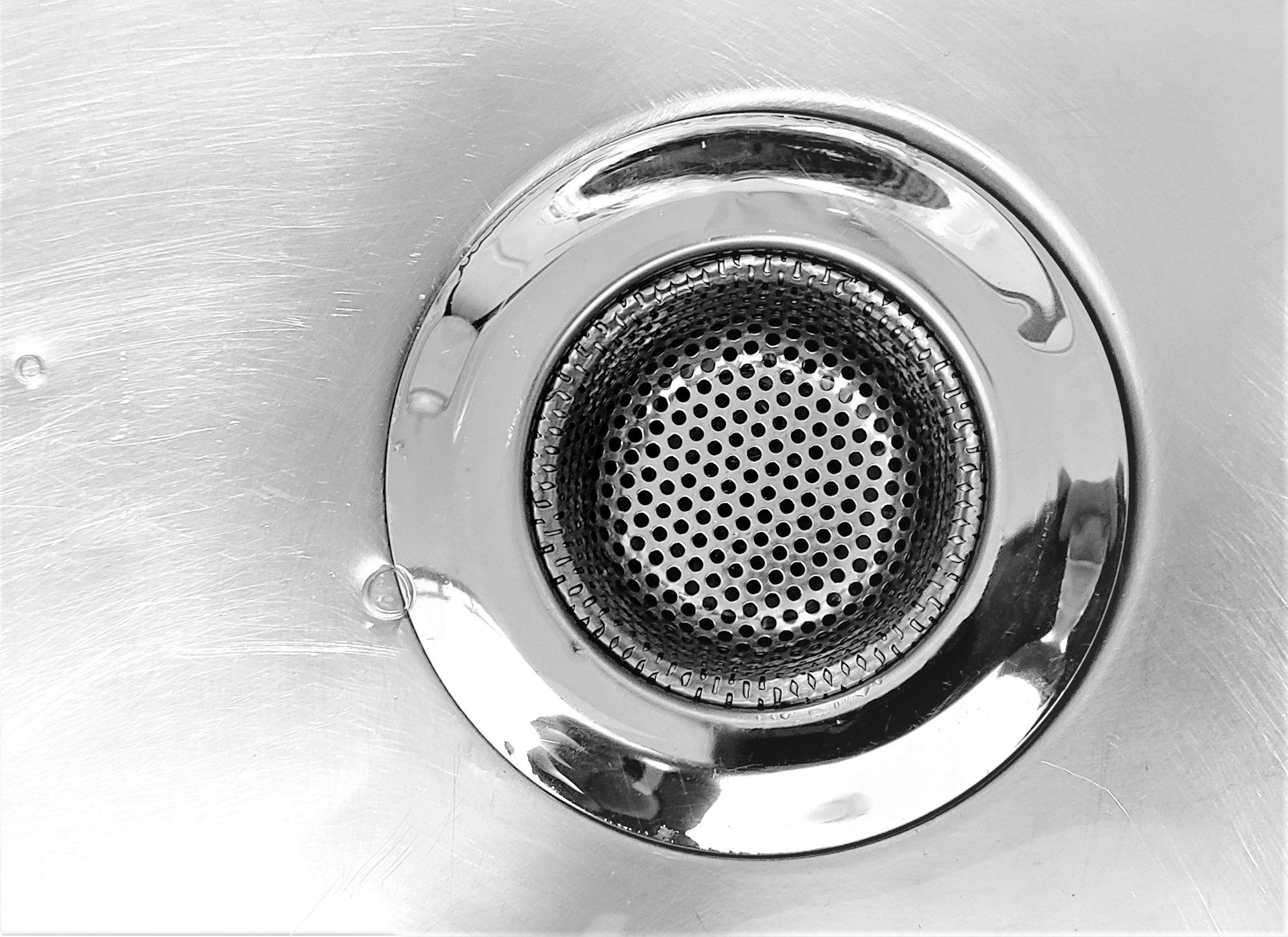
Blocked sinks and slow-moving drains are more than a minor inconvenience. They disrupt daily routines, create unpleasant odours, and can signal deeper plumbing issues developing out of sight. Many homeowners initially reach for household remedies before considering professional drain cleaning, hoping for a quick and inexpensive fix.
In some cases, a simple blockage can be resolved without outside help. In others, what appears to be a minor clog may be the early warning sign of structural pipe damage, invasive tree roots, or years of accumulated debris. Understanding the difference is essential, especially when plumbing systems form part of your home’s long-term value and safety.
Knowing when to attempt a DIY solution and when to call a qualified plumber protects both your property and your budget. Acting too late can lead to burst pipes, water damage, or even health risks from sewage backups. Making informed decisions ensures your drainage system continues to function efficiently and safely.
Understanding What Causes Drain Blockages
Most household blockages develop gradually. Grease, soap residue, food scraps, hair, mineral buildup, and foreign objects slowly accumulate along pipe walls. Over time, the internal diameter of the pipe narrows until water can no longer pass freely.
In kitchens, grease and oils are frequent culprits. These substances may flow easily when hot but solidify as they cool, trapping other debris. Bathrooms present a different challenge, where hair combines with soap scum to form dense obstructions.
Outside the home, underground drainage lines face additional risks. Tree roots can penetrate small cracks in pipes, expanding as they grow and restricting water flow. Shifting soil and aging materials may also cause pipe misalignment or collapse.
Recognising the underlying cause determines whether a simple remedy will work or whether professional intervention is necessary.
When DIY Unclogging Can Be Effective
Minor clogs near the surface often respond well to basic household tools. If water drains slowly but does not completely back up, the blockage may be close to the fixture.
Homeowners commonly try:
-
A plunger to create pressure and dislodge debris
-
A drain snake or auger for shallow blockages
-
Removing and cleaning the P-trap beneath sinks
-
Hot water flushing for mild grease buildup
These methods are generally safe when used correctly and can restore normal flow in uncomplicated cases.
However, caution is critical. Chemical drain cleaners may promise instant results, but repeated use can corrode pipes, weaken joints, and create environmental hazards. In older plumbing systems, harsh chemicals may accelerate deterioration rather than solve the problem.
DIY approaches are best reserved for isolated, minor clogs. If symptoms persist or worsen, further action is required.
Warning Signs That Indicate a Deeper Problem
Certain symptoms suggest the issue extends beyond a simple blockage. Ignoring these warning signs can allow small issues to escalate into major repairs.
Watch for:
-
Multiple fixtures draining slowly at the same time
-
Gurgling sounds from toilets or sinks
-
Water backing up into showers or tubs
-
Persistent foul odours
-
Recurring clogs despite repeated attempts to clear them
These signs often point to a blockage in the main sewer line or a structural defect within the plumbing system. Professional assessment becomes essential at this stage.
Delaying proper intervention increases the risk of overflow and contamination. Sewage backups, in particular, pose serious health risks due to bacteria and harmful pathogens.
The Advantages of Professional Drain Cleaning
When a blockage is complex or deeply embedded, specialised equipment makes the difference. Professional plumbers use advanced diagnostic tools such as drain cameras to inspect pipes internally. This eliminates guesswork and identifies the exact source of the problem.
High-pressure hydro jetting systems can remove years of hardened grease, sludge, and mineral buildup without damaging pipe walls. Mechanical augers designed for heavy-duty use reach further than consumer-grade tools and clear obstructions more thoroughly.
Professional drain cleaning also addresses root causes rather than symptoms. If tree roots are present, a plumber can recommend long-term solutions such as pipe repair or replacement.
Most importantly, professional service reduces the likelihood of recurring problems. While DIY fixes may offer temporary relief, expert treatment restores full pipe capacity and improves overall system performance.
Financial Considerations: Short-Term Savings vs. Long-Term Costs
DIY unclogging appears cost-effective at first glance. Basic tools are affordable, and many homeowners prefer to avoid service fees.
Yet repeated attempts can increase costs over time. Purchasing multiple chemical treatments, renting equipment, or repairing accidental pipe damage can quickly exceed the price of a professional visit.
Water damage resulting from unresolved blockages is significantly more expensive. Repairs to flooring, cabinetry, and structural components often involve thousands in restoration costs.
Investing in professional care early may prevent larger financial burdens later. Proper maintenance protects both property value and household hygiene.
Health and Safety Implications
Blocked drains are not merely inconvenient. Standing water becomes a breeding ground for bacteria and insects. Sewage exposure can cause gastrointestinal illness, respiratory issues, and skin irritation.
Chemical cleaners introduce additional hazards. Fumes may irritate lungs and eyes, especially in poorly ventilated spaces. Accidental splashes can cause burns.
Professional plumbers are trained to handle hazardous situations safely. Protective equipment and industry protocols minimise risk during repairs.
When health concerns arise, prioritising safety over short-term savings is a prudent decision.
Preventative Measures to Reduce Future Blockages
Prevention remains the most effective strategy for maintaining a healthy plumbing system. Small changes in daily habits significantly reduce clog formation.
Practical prevention steps include:
-
Avoid pouring grease or oil down sinks
-
Install drain strainers to catch hair and debris
-
Flush drains periodically with hot water
-
Schedule periodic inspections for older plumbing systems
Routine maintenance extends pipe lifespan and reduces emergency calls. In properties with mature trees, regular inspections help detect root intrusion before severe damage occurs.
A proactive approach reduces stress and protects infrastructure.
Making the Right Call for Your Home
The decision between DIY methods and professional assistance depends on severity, recurrence, and overall system condition. Minor surface clogs may respond to simple tools. Persistent or widespread issues demand expert evaluation.
When multiple warning signs appear, relying solely on household remedies risks escalating damage. Plumbing systems are interconnected; what seems isolated may affect the broader network.
Experienced plumbers provide accurate diagnostics, durable solutions, and compliance with building standards. Their expertise ensures that underlying issues are resolved, not masked.
Addressing drainage concerns promptly supports household hygiene, structural integrity, and long-term property value. Thoughtful decision-making today prevents costly complications tomorrow, keeping your plumbing system reliable and efficient for years to come.