
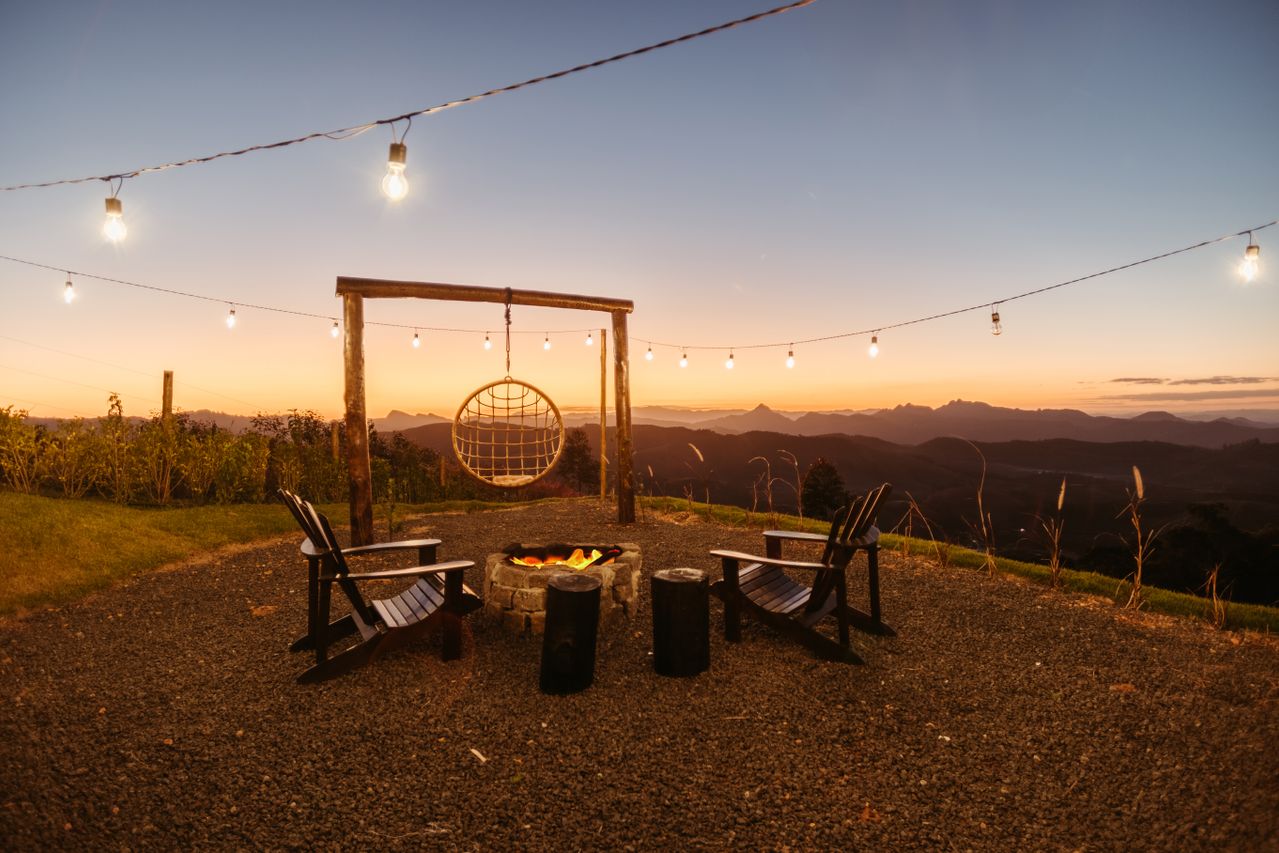
Clay fire pits can bring warmth, texture and a distinctive sense of character to outdoor entertaining areas. Their natural appearance creates a relaxed atmosphere that suits everything from traditional South African gardens to modern patios. Unlike many manufactured fire features, clay designs often have subtle variations in colour and surface texture, giving each installation a more individual look.
Outdoor entertaining spaces are often designed around comfortable seating, practical furniture and attractive landscaping. A carefully chosen fire feature can bring these elements together, creating a natural focal point where family and friends can gather. Whether the setting is a spacious garden, a covered entertainment area or a compact courtyard, the right design can make the space feel more inviting.
For homeowners who want something different from conventional metal or brick installations, clay boma fire pits offer an appealing combination of traditional character and practical outdoor design. Their earthy finishes and distinctive shapes can complement a wide range of materials, helping create an entertainment area that feels connected to its surroundings.
The Natural Appeal of Clay in Outdoor Design
Clay has a long history in traditional building and decorative crafts. Its natural origins give it a visual warmth that works particularly well in outdoor environments, where stone, timber, plants and other organic materials are often prominent.
Depending on the manufacturing process, clay fire features may display terracotta tones, muted browns, sandy shades or deeper earthy colours. These finishes can soften the appearance of a paved patio or add contrast to a garden dominated by green foliage.
The material also offers a different visual experience from polished metal or concrete. Instead of creating a sleek, uniform appearance, clay can introduce subtle imperfections and texture that contribute to a more handcrafted aesthetic.
This makes it suitable for homeowners who prefer outdoor spaces with personality rather than a completely uniform finish.
Creating a Natural Focal Point for Entertaining
An effective outdoor entertainment area needs a clear focal point. It might be a dining table, a built-in braai or a comfortable seating arrangement. A fire pit can fulfil the same role while adding warmth and atmosphere to the setting.
Its circular or sculptural form can help define a gathering area without requiring extensive landscaping or permanent construction. Seating can be arranged around the feature, making it easier for people to interact while enjoying the outdoor environment.
The surrounding layout is just as important as the fire pit itself. Adequate space for movement, stable seating and suitable surfaces can help make the area more comfortable to use.
Consider these elements when planning the layout:
-
Seating arrangements: Position chairs to encourage conversation while maintaining a safe distance from the fire.
-
Ground surfaces: Choose a stable, non-combustible surface suitable for the specific installation.
-
Lighting: Use appropriate outdoor lighting to improve visibility around pathways and seating.
-
Practical access: Keep routes to doors, gates and other parts of the garden clear.
When these details work together, the fire feature becomes part of a cohesive entertainment space rather than an isolated decorative object.
How Clay Complements Different Outdoor Styles
One advantage of clay is its versatility in outdoor design. Its natural colours and textured finish can complement both rustic and contemporary settings, depending on the shape of the fire pit and the materials used around it.
In a traditional garden, clay can sit comfortably alongside stone walls, timber benches, gravel paths and established planting. These materials share an organic quality that helps create a relaxed, informal atmosphere.
For a more modern patio, a simple clay fire feature can introduce warmth against straight lines, neutral paving and minimalist furniture. The contrast between a textured surface and clean architectural finishes can make the design feel more balanced.
Colour coordination can also influence the final result. Warm terracotta tones may work well with natural timber and sandy paving, while darker earthy finishes can provide contrast against lighter outdoor furniture.
Rather than matching every element exactly, aim for a consistent palette. Two or three complementary materials are often enough to create a considered appearance without making the space feel overly designed.
Supporting Comfortable Outdoor Gatherings
A fire pit can change how an outdoor area is used, particularly during cooler evenings. It provides a natural gathering point and can encourage people to spend more time outside after a meal or during a casual social occasion.
The atmosphere does not depend on the fire feature alone. Comfortable seating, weather-appropriate cushions, accessible side tables and practical lighting all contribute to a more enjoyable setting.
It is also worth considering how the entertainment area will function when the fire is not in use. A well-positioned feature should still complement the garden or patio during the day rather than making the space feel incomplete without a flame.
Flexible furniture can help achieve this balance. Lightweight chairs can be rearranged when needed, while outdoor benches can provide permanent seating without overcrowding the area.
Thoughtful planning allows the fire pit to serve as both a design feature and a practical part of everyday outdoor living.
Understanding the Practical Considerations of Clay
Although clay offers distinctive visual qualities, it is important to understand the characteristics of the specific product before installation. Not every clay vessel or decorative fire feature is designed to withstand direct flames or repeated heating.
Thermal stress, moisture exposure and sudden temperature changes can affect some clay products. The suitability of a fire pit depends on its construction, intended use and the manufacturer's instructions.
Before purchasing, consider the following:
-
Heat resistance: Confirm that the product is specifically designed for burning fires.
-
Weather protection: Check whether it requires a cover or sheltered storage when not in use.
-
Installation requirements: Follow the manufacturer's guidance on placement, ventilation and the supporting surface.
-
Maintenance: Find out how the material should be cleaned and whether any protective treatment is recommended.
-
Replacement considerations: Ask whether components are available if a part becomes damaged through normal use.
These checks can help prevent problems and make it easier to select a product suited to local conditions.
Regular inspection is also worthwhile. If the clay develops significant cracks, becomes unstable or shows other signs of damage, stop using the fire pit until its condition has been assessed. Repairs should only be carried out using methods approved for that particular product.
Designing a Safer Fire Pit Area
A visually attractive fire pit should also be positioned with safety in mind. Open flames produce heat, sparks and smoke, so placement needs to account for nearby structures, vegetation, furniture and pedestrian movement.
Keep the installation away from overhanging branches, dry plants, combustible materials and areas where smoke could enter buildings. The required clearance will depend on the product and local fire-safety guidance.
Use the fire pit only in an appropriate outdoor location with sufficient ventilation. Avoid placing it beneath enclosed structures or in spaces where smoke and combustion gases could accumulate. Never leave a fire unattended, and ensure children and pets can be kept at a safe distance.
A suitable method of extinguishing the fire should also be available. Follow the manufacturer's instructions for managing the fire and allow the unit to cool completely before cleaning, covering or moving it.
Local fire restrictions may apply during periods of high fire danger. South African homeowners should check relevant municipal or local fire-service guidance, particularly when living in areas with dry vegetation or strong seasonal winds.
Choosing Materials That Work Together
The surrounding materials can influence whether a clay fire pit looks integrated or out of place. Natural stone, exposed aggregate, gravel and suitable paving can all provide an attractive foundation, provided the selected surface meets the product's installation and fire-safety requirements.
Timber can introduce warmth, while metal furniture can create contrast. Outdoor textiles add softness, helping balance the solid appearance of paving and clay. Plants can frame the entertainment area, but combustible vegetation must remain outside the required safety clearances.
Avoid overcrowding the immediate surroundings with decorative objects. Leaving some open space allows the shape and texture of the fire pit to stand out while making the area easier to navigate.
Drainage is another important consideration. Water should not collect around the installation, and the product should be protected from moisture according to its manufacturer's recommendations.
Adding Lasting Character to Outdoor Living
A well-planned outdoor entertainment area should reflect how the household enjoys spending time outside. Some spaces are designed for informal family gatherings, while others accommodate larger social occasions or quiet evenings in the garden.
Clay can bring a distinctive visual quality to these settings through its earthy colours, tactile finish and traditional character. When paired with suitable seating, complementary landscaping and practical lighting, it can help create an inviting space that feels personal rather than generic.
The key is to choose a fire feature that suits the available space, the surrounding materials and the level of maintenance it requires. Careful attention to installation and fire safety is equally important.
With the right planning, a clay fire pit can become a defining feature of an outdoor entertainment area, bringing together natural design, comfortable gathering spaces and the enduring appeal of spending time around a fire.