
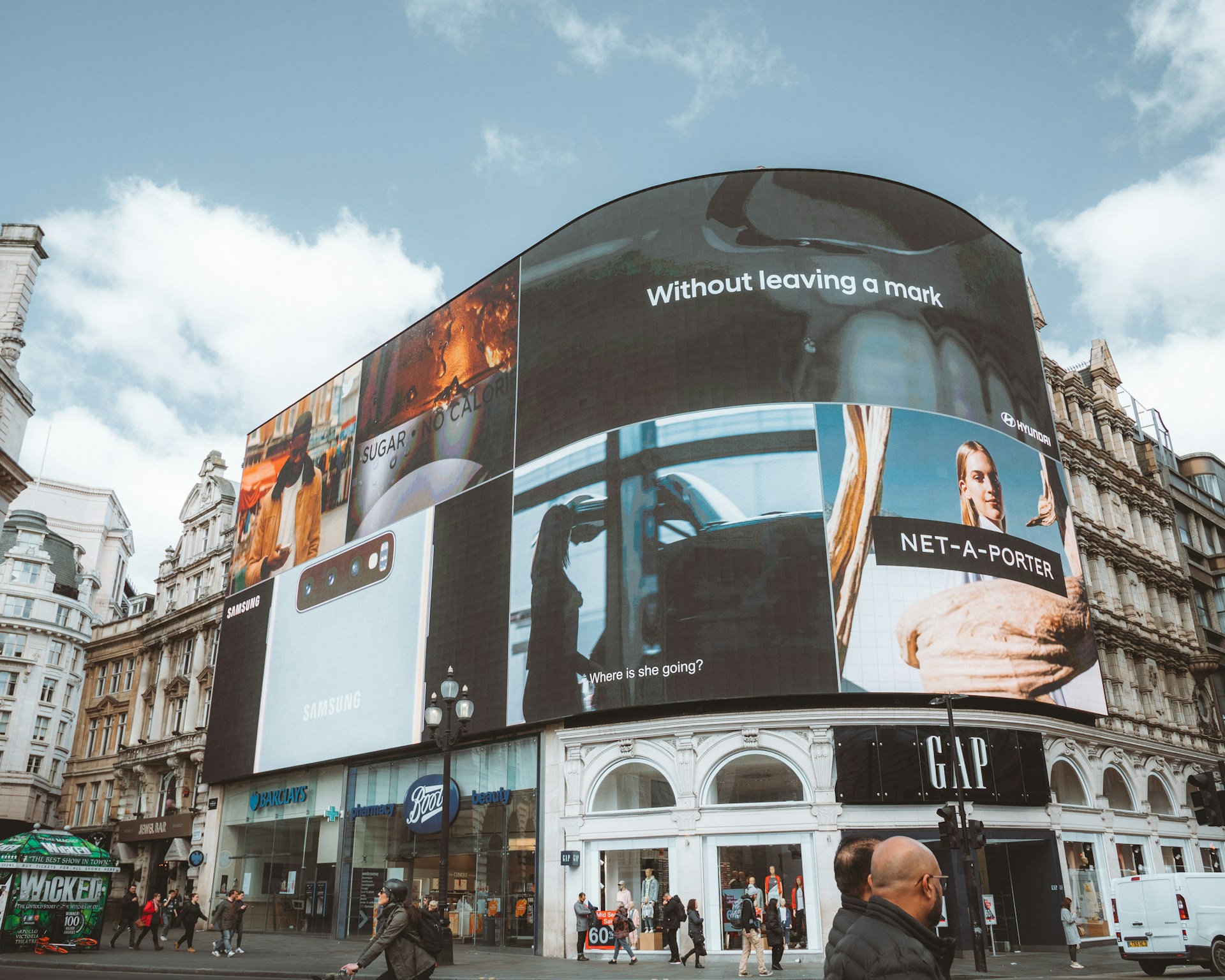
Digital signage strategies improving customer engagement in retail environments

Digital Signage Strategies That Actually Increase Customer Engagement

Customer attention is becoming increasingly fragmented, and businesses are competing not just with direct competitors but with every screen in a customer’s environment. In this landscape, digital signage has evolved into a powerful communication tool that can influence behaviour, guide decisions, and enhance brand perception when used strategically.

However, simply displaying content on screens is no longer enough. Audiences expect relevance, timing, and clarity. Poorly designed messaging can easily be ignored, while well-planned visual communication can meaningfully improve engagement and in-store experience.

The difference often comes down to strategy rather than technology alone. Understanding how to structure content, design visuals, and measure outcomes is essential for organisations aiming to improve customer interaction in physical and hybrid environments.

Core Engagement Foundations That Drive Results

Before diving into advanced techniques, it is important to understand the structural principles that underpin effective screen-based communication. Many businesses overlook these fundamentals, which leads to inconsistent results.

  1. Define a clear engagement objective for each screen or location
  2. Segment audiences based on context, time, or behaviour
  3. Align messaging with physical environment and customer journey
  4. Prioritise readability and visual hierarchy over complexity
  5. Ensure content updates are scheduled and consistent

Each of these steps may seem simple on its own, but together they form the backbone of effective in-store communication systems.

A common mistake is treating all screens the same. In reality, a screen at a reception area serves a different purpose from one placed near a point-of-sale counter. Context matters more than volume of content.

Another overlooked aspect is timing. Messages delivered at the wrong moment are often ignored, regardless of quality. Consistency in delivery builds recognition and trust over time.

Design Principles That Capture Attention

Visual design plays a critical role in whether audiences engage or disengage within seconds. High-performing systems rely on clarity, contrast, and movement rather than overcrowded layouts or excessive messaging.

Typography should be bold enough to read at a distance, while colour contrast must support visibility under different lighting conditions. Subtle animation can guide attention, but excessive motion often creates cognitive overload.

When designing content for screens in retail or service environments, simplicity is not a limitation—it is an advantage. A focused message will always outperform a cluttered one.

At this stage, many organisations begin experimenting with formats, but consistency remains key. The effectiveness of digital signage improves significantly when design templates are standardised across locations.

A practical example of this is using a single visual framework that adapts messaging without changing structural design. This reduces cognitive effort for viewers and strengthens brand recognition.

It is also important to avoid over-reliance on static content. Movement should be intentional and purposeful, not decorative.

Content Strategy and Behavioural Alignment

Effective engagement is not only about what is shown, but why it is shown. Content should reflect user intent and behavioural patterns within a specific environment.

For example, customers waiting in a queue are more receptive to short, informative messages than long promotional narratives. Meanwhile, waiting areas allow for slightly more detailed storytelling.

This is where behavioural mapping becomes essential. Understanding how long people typically remain in a space allows content to be tailored accordingly.

Relevance is the strongest driver of attention. If content feels disconnected from the customer’s immediate context, it will likely be ignored within seconds.

Tone also plays a role. Informational messaging should remain neutral and clear, while promotional content should be subtle and value-driven rather than aggressive.

In many cases, organisations underestimate how quickly audiences filter irrelevant stimuli. Even well-produced visuals can fail if they do not match intent or timing.

Design Consistency and Environmental Integration

A strong engagement system must integrate seamlessly into its physical surroundings. Screens should feel like part of the environment rather than external interruptions.

Lighting, placement, and viewing angles all influence effectiveness. A poorly positioned display can undermine even the most compelling content.

Consistency across multiple locations is also critical. When audiences encounter familiar formats, they are more likely to process information quickly and confidently.

It is not uncommon for organisations to overlook environmental factors in favour of content creation alone. However, both elements must work together to achieve meaningful outcomes.

Subtle repetition of design elements helps reinforce messaging without overwhelming viewers. Over time, this builds familiarity and improves retention.

Measuring Engagement and Optimising Performance

Without measurement, even well-designed systems operate on assumption rather than insight. Tracking performance allows organisations to refine messaging and improve effectiveness over time.

Key performance indicators might include dwell time, interaction rates, or conversion-related behaviours depending on the environment.

It is also important to evaluate content rotation frequency. Too much repetition can lead to audience fatigue, while too little consistency may reduce message recognition.

Below are common indicators used to assess engagement quality:

  • Average viewing duration per screen or zone
  • Interaction rates where touch or response systems are used
  • Conversion lift in nearby transactional areas
  • Content recall based on customer feedback
  • Frequency of repeat engagement over time

These metrics should not be viewed in isolation. Patterns across multiple indicators provide a more reliable understanding of performance.

One of the challenges in this space is separating correlation from causation. Just because engagement increases does not always mean content alone is responsible.

Careful testing and iteration are essential. Small adjustments to layout, timing, or messaging can produce significant differences in outcomes.

Common Pitfalls and Strategic Improvements

Even well-funded implementations can underperform when strategy is unclear. One of the most frequent issues is content overload, where too much information is displayed at once.

Another issue is lack of audience segmentation. Treating all viewers as a single group reduces relevance and weakens impact.

Technical maintenance is also often underestimated. Screens that are not regularly updated or monitored can quickly lose effectiveness and credibility.

There is also a tendency to focus heavily on visual appeal while neglecting message clarity. While aesthetics are important, they should never compromise comprehension.

A final consideration is adaptability. Environments change, and communication systems must evolve accordingly to remain effective.

Improving outcomes typically involves a combination of refinement and discipline:

  • Regularly review content performance data and adjust accordingly
  • Simplify messaging to focus on one key idea per visual frame
  • Align content schedules with peak audience presence times
  • Standardise templates while allowing controlled variation
  • Conduct periodic audits of screen placement and visibility

When these practices are applied consistently, engagement tends to improve gradually but sustainably.

Over time, organisations that treat screen-based communication as a strategic system rather than a static tool are better positioned to influence behaviour and improve customer experience. In this sense, effective use of digital signage becomes less about display technology and more about understanding people, context, and timing in a structured way.

local specialist assessing diamond pieces for resale

Understanding How Gold and Diamond Jewellery Is Assessed by Jewellery Buyers

People have always looked for innovative ways to access cash when needed, and in recent years, leveraging valuable personal assets has become a preferred option. Among these, gold and diamonds stand out due to their enduring worth and demand in both local and global markets. Many individuals facing financial pressures are turning to jewellery as a means of securing short-term liquidity, without necessarily giving up ownership permanently. There is often sentimental value attached to these pieces, which makes this method especially beneficial compared to selling other assets.

The process usually starts with assessing what items could hold the most resale or collateral value. Older heirlooms, engagement rings, luxury watches, and inherited jewellery often sit unused for years, yet they contain substantial financial potential. This is where diamond jewelry buyers Sandton often come in, helping people determine how much capital can be unlocked based on purity, cut, weight, and current market conditions. Rather than relying solely on loans or credit, this asset-based strategy offers immediate solutions.

For many, this option serves as an alternative to traditional lending. Instead of undergoing lengthy application processes or facing credit checks, individuals can negotiate directly with reputable specialists. These experts, particularly the more established diamond jewelry buyers in Sandton, offer appraisals based on intrinsic and market value, making it possible to liquidate quickly while maintaining some control over the transaction.

Why Jewellery Is Ideal for Unlocking Cash

Gold and diamond items hold intrinsic value due to the raw materials used, but they also often have added aesthetic or brand value if from sought-after designers. Unlike other assets that depreciate quickly, well-maintained jewellery generally retains, and sometimes increases, in value over time. Market fluctuations exist, but historical trends show that precious metals perform reliably during economic uncertainty.

Because jewellery is compact and easy to store, many people forget just how valuable it may be. An antique bracelet locked away in a safe or a diamond ring buried in a drawer might hold more cash value than expected. This ease of access makes jewellery a powerful financial tool in emergencies or when opportunities arise and quick funding is required.

Additionally, unlike selling property or vehicles, which can involve lengthy legal and administrative processes, jewellery appraisals and transactions are relatively quick. Most assessments can be completed in under an hour, and cash or transfer is often available immediately after acceptance of the offer.

Types of Jewellery Most Commonly Used

There are certain categories of items that tend to perform especially well in the resale or collateral market. These typically include:

  • Diamond engagement rings

  • Certified diamond pendants or earrings

  • Solid gold chains and bracelets

  • Luxury brand jewellery such as Cartier or Tiffany

  • Antique or vintage pieces with historical significance

Jewellery with certification, especially from recognised grading bodies, usually attracts higher offers. This documentation confirms clarity, colour, carat weight, and cut quality, giving buyers confidence in potential resale value.

Things That Affect the Value You Can Unlock

Several key factors determine how much cash an individual can extract from jewellery items. Market demand, global precious metal pricing, and exchange rates influence the final amount offered. However, the condition of the piece plays a major role too. Items in excellent condition, with minimal wear, tend to receive better appraisals.

Sentimentality also enters the decision process. Some owners agree to items being used as surety rather than permanently sold, allowing for repurchase at a later stage. This provides flexibility for those who need money temporarily but don’t wish to permanently part with valuable or emotionally significant pieces.

Jewellery with designer signatures or original packaging can also increase perceived value, as these elements add authenticity and desirability to the item.

How the Transaction Process Typically Works

Although it may differ slightly depending on the business, most transactions follow a similar format. If you’re considering unlocking value through jewellery, the steps below offer a clear picture:

  1. Identify the item or collection of items you’re willing to offer.

  2. Schedule an appraisal with a trusted specialist.

  3. Receive an offer based on evaluation.

  4. Choose between outright sale or loan with collateral.

  5. Finalise the agreement and receive your funds.

It’s also recommended to research multiple providers to compare evaluations. Some may specialise in diamonds while others may be more experienced with luxury items or rare designs.

Why Many Prefer This Over a Loan

Some people choose this route because it allows them to avoid additional interest charges or complex repayment structures. If an individual opts for an outright sale rather than borrowing against the asset, there is no obligation to repay any amount. In financial planning terms, this can be beneficial for those trying to avoid accumulation of debt.

Furthermore, no credit checks are needed, which makes the process straightforward even for those with previous financial challenges. Quick access to funds can support anything from business ventures to urgent personal expenses, medical emergencies, or property repairs.

Getting the Most Out of Your Jewellery

To ensure you receive the highest possible valuation, consider preparing before heading to an appointment:

  • Clean the jewellery carefully

  • Gather any certificates or appraisals

  • Look for packaging or receipts

  • Research current precious metal and gemstone prices

This preparation demonstrates care and can support your negotiation position. It also shows the item has been well preserved, which reassures potential buyers.

As more people become aware of the financial potential of jewellery, alternatives emerge for short-term funding. Some businesses even allow a buy-back option at a later stage, enabling the owner to reclaim the item if finances improve.

Unlocking cash from jewellery is not always a long-term solution, but it can serve as a lifeline when immediate liquidity is needed. It offers flexibility, speed, and discretion, all of which are appealing for those in urgent financial situations. With the right advice and a reliable service provider, many South Africans have discovered that cherished items can provide more than sentimental value. Engaging experienced diamond jewelry buyers in Sandton or similar specialists allows you to benefit from professional evaluation and a transparent process, ensuring you make financially sound decisions while retaining as much control as possible over your assets.

This content is for informational purposes only and should not be considered financial advice.

pawn your car and still drive it in Johannesburg

Unlocking the Value: Best Items to Pawn for Fast Cash

When you require fast money, checking out a pawn store can be an effective method to protect a loan or offer important products. Whether you’re in need of instant cash loans Johannesburg or simply want to explore your options for turning possessions into money, knowing which items hold the most value can make a big difference. Here are the top 10 items that pawn shops consider valuable.

1. Jewelry and Precious Metals

Jewelry, particularly those made of gold, silver, and platinum, consistently holds high value at pawn shops. Items such as engagement rings, necklaces, and luxury watches are often sought after due to their intrinsic value and market demand. If you need quick cash loans in Johannesburg, pawning your jewelry could provide a significant return. Additionally, pawn shops are often willing to offer a higher loan amount for jewelry because of its ease in resale.

2. High-End Electronics

In the modern age, electronics such as smartphones, laptops, and gaming consoles are always in demand. These items are especially valuable if they are from top brands like Apple, Samsung, or Sony and are in good working condition. The ability to quickly resell these items makes them a popular choice for those looking for cash advance loans Sandton or anywhere else.

3. Luxury Watches

Luxury watches from brands like Rolex, Omega, and Breitling are another category of items that hold considerable value at pawn shops. These timepieces are not only valuable because of their craftsmanship but also because they retain their value over time. If you're considering immediate cash for your car, but also own a luxury watch, it could be worth comparing the potential loan amounts for both.

4. Vehicles

Vehicles, including cars, motorcycles, and boats, are among the highest-value items you can pawn. Many people are unaware that you can pawn your car and still drive it in Johannesburg. This option allows you to use your vehicle as collateral for a loan without losing access to it. This makes it a viable choice for those in need of instant cash loans in Johannesburg while still needing their car for daily activities.

5. Collectibles

Collectibles such as rare coins, stamps, and vintage toys can fetch a high price at pawn shops. Their value depends heavily on their rarity, condition, and market demand. Collectors often turn to pawn shops when they need quick cash loans in Johannesburg, as these items can be liquidated quickly for a significant amount of money.

6. Firearms

Firearms are another category that holds significant value, especially if they are well-maintained and come from reputable manufacturers. In some regions, pawn shops require a special license to handle firearms, but where allowed, they can be a great source of immediate cash for your car or other needs. Always ensure you follow local laws when considering this option.

7. Musical Instruments

High-quality musical instruments, particularly those from renowned brands like Gibson, Fender, and Steinway, can be valuable assets to pawn. Instruments such as guitars, pianos, and violins are often sought after by both musicians and collectors. If you require cash advance loans in Sandton, a high-end musical instrument might provide the funds you need.

8. Power Tools

Power tools, especially those used in construction and home improvement, can be highly valuable at pawn shops. Brands like DeWalt, Makita, and Bosch are particularly popular. If you find yourself in a tight financial situation, pawning your power tools can be a quick way to secure instantaneous money loans in Johannesburg.

9. Luxury Handbags

Designer handbags from brands like Louis Vuitton, Chanel, and Gucci can be surprisingly valuable when pawned. The market for second-hand luxury goods is strong, and these items often retain their value well. If you’re looking for quick cash loans Johannesburg, a high-end handbag might be worth considering.

10. Fine Art and Antiques

Fine art and antiques are some of the most valuable items you can pawn, though their value is highly dependent on the market. If you own original works of art, sculptures, or antique furniture, these could be significant assets in securing cash advance loans in Sandton. However, it’s essential to have these items appraised by a professional before pawning them.

When it comes to securing a pawn loan, understanding which products hold the most worth can help you get the best possible return. Whether you're interested in immediate cash for your car or exploring other valuable products, understanding market trends and demand is key. Remember, pawn stores offer a viable solution for those needing instant cash loans in Johannesburg or cash advance loans in Sandton. By choosing the right items to pawn, you can secure the funds you require rapidly and effectively.

Comprehensive Guide to SEO Services in South Africa

Digital Marketing Mastery: Choosing South Africa’s Best SEO Company

Have you ever questioned what makes sure sites appear as the very first outcomes on Google while others stay buried on the tenth page? Well, the secret depend on 3 wonderful words: Search Engine Optimization (SEO).

Now, when it pertains to SEO in the Rainbow Nation, "The SEO Company in South Africa" is a name that stands apart. Why, you ask? Let’s look into the digital savannah where this business runs and learn.

1. Understanding SEO and Its Importance

SEO resembles the compass that guides tourists to your virtual doorstep. It's an important part of any digital marketing method, making your site more noticeable to those who are looking for your service or products online. It’s not practically being seen; it’s about being recognized as the best answer to your audience's queries.

2. Who is The SEO Company in South Africa?

The SEO Company in South Africa is not just a single entity but a representation of top-tier digital marketing maestros dedicated to optimizing your online presence. They're the wizards behind the curtain, working their magic to ensure your website ranks high on search engines.

3. Comprehensive SEO Services Offered

From keyword research to backlink analysis, these SEO services encompass a wide range of tactics designed to give your business a competitive edge. They offer a full suite of tools to climb the search engine ladder, step by digital step.

4. The Human Touch in a Digital World

In a realm where algorithms and bots dictate the pace, The SEO Company in South Africa hasn’t forgotten the human element. Their services are peppered with personalized strategies that resonate with your human audience – because at the end of the day, it’s people who click and convert.

5. Measuring Your SEO Success

How do you know if your SEO efforts are paying off? Metrics and analytics are the bread and butter of any SEO company, offering tangible proof of your digital growth. It’s not just about rankings; it’s about traffic, engagement, and ultimately, conversions.

6. Content is King

We've heard it time and again, but content really is king in the world of SEO. The SEO Company in South Africa understands that quality content is the cornerstone of any successful SEO strategy. It's not just about peppering your text with keywords; it has to do with providing value that keeps visitors coming back for more.

7. On-Page vs Off-Page SEO

Consider on-page SEO as your website's inner beauty and off-page SEO as its social skills. You need a balance of both to charm the search engines. The SEO Company knows the ins and outs of optimizing both aspects to build a robust online persona for your brand.

8. The Technical Side of SEO

Under the hood of your website lies a complex network of technical elements that can influence your SEO. Site speed, mobile-friendliness, and structured data are simply the tip of the iceberg. The right SEO company ensures your site's technical health is up to scratch.

9. Local SEO: Connecting with the Community

Local SEO is the art of appealing to the community around you. It’s about being the big fish in your local pond. For businesses targeting the South African market, this means showing up in local searches and maps, becoming a local authority.

10. E-commerce SEO Strategies

With online shopping booming in South Africa, e-commerce SEO has become the lifeblood of online retailers. The SEO Company crafts strategies that help your products stand out in a crowded online marketplace.

11. The Cost of SEO Services

Investing in SEO shouldn't cost you an arm and a leg. While prices vary, the value comes from custom solutions tailored to your business needs, ensuring a return on investment that makes sense.

12. Choosing the Right SEO Company

Picking the right partner in your SEO journey is crucial. It's like choosing a companion for a hike up Table Mountain – you need someone experienced, reliable, and equipped for the trek.

13. Future Trends in SEO

SEO is an ever-evolving landscape. Voice search optimization, AI, and machine learning are the up-and-coming stars in this digital galaxy. The SEO Company in South Africa stays ahead of the curve, preparing your business for tomorrow’s SEO trends.

14. SEO Myths Debunked

Not everything you hear about SEO is true. The myths surrounding keyword stuffing or the idea that SEO is a one-time task are busted by facts and tested strategies.

15. The Final Verdict on SEO Companies

Investing in a reputable SEO company is not a luxury; it’s a necessity in the digital age. With the right team, you can ensure that your South African business not only survives however thrives online.

Conclusion

The SEO Company in South Africa could be your ally in the vast digital landscape, a shepherd guiding your brand through the complex terrain of the internet. Whether you’re a local startup or an established brand, embracing SEO with the help of the experts can lead you to heights as majestic as the Drakensberg Mountains themselves.

FAQs

Q1: What exactly does an SEO company do? A1: An SEO company improves your site’s visibility in online search engine through a variety of techniques such as keyword optimization, content creation, link building, and technical website improvements.

Q2: How long does it take to see results from SEO? A2: SEO is more of a marathon than a sprint. It typically takes several months to see significant results due to the nature of how search engines index and rank websites.

Q3: Can I do SEO on my own? A3: While it's possible to learn and implement basic SEO techniques yourself, a professional SEO business can provide expertise and resources that you may not have access to.

Q4: Is SEO worth the investment for small businesses? A4: Absolutely. SEO can be one of the most cost-effective ways for small businesses to reach their target audience and compete with larger companies.

Q5: How often should SEO strategies be updated? A5: SEO strategies should be reviewed regularly as search engines frequently update their algorithms. A good SEO company will keep you ahead of these changes and adapt your method appropriately.