
skilled creator assembling a detailed scale model

The New Era of Architectural Models: How 3D Printing Transforms Physical Design

A growing number of architects and designers are turning to new technology to bring concepts to life, and one of the biggest shifts has come from how a model builder now approaches visualisation. Instead of relying solely on manual crafting, professionals can merge craftsmanship with innovation to speed up early-stage design work. This change has allowed more detailed representations to emerge in the early planning phase, helping teams communicate ideas clearly.

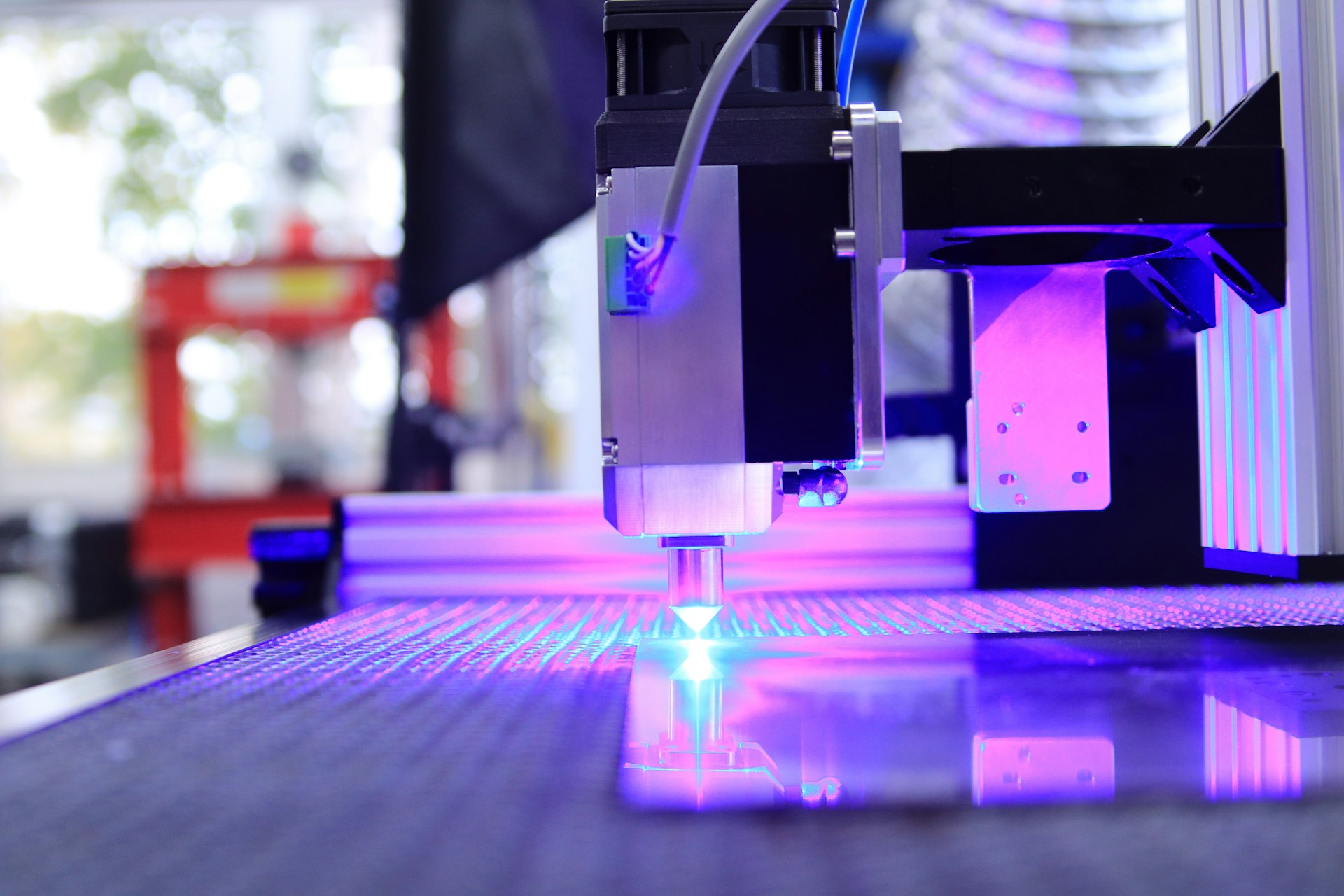
Traditional scale models once required hours of cutting, shaping, and refining by hand, but the introduction of 3d printing into the workflow has changed the pace completely. Today, firms can test proportions, experiment with layouts, and refine structural details before committing to final drawings. This evolution has made it easier for a model builder to streamline tricky or repetitive tasks while still maintaining a high level of accuracy and artistic intention.

Creating an architectural model was once a slow, intricate process, often limited by the materials available. With digital tools and advanced fabrication methods, designers can now replicate curves, interiors, textures, and complex patterns in ways that were previously impossible. And as 3d printing continues to advance, it’s opening new creative and practical possibilities for both small and large projects.

Why Technology Has Transformed Physical Design Models

The arrival of additive manufacturing has made precise, reliable replicas far more attainable. Instead of shaping foam, cardboard, or wood by hand, teams can translate digital drawings directly into scaled components. This gives architects the opportunity to see how a concept will behave in real-world space long before construction begins.

Another major benefit is the ability to experiment. When ideas can be printed quickly and adjusted with ease, it encourages designers to try more daring structural elements. Complex rooflines, organic curves, and multi-layered façades become easier to showcase without excessive manual labour, making early visualisation far more dynamic.

In many firms, these tools also help reduce errors. By printing individual sections separately, problems can be spotted early, allowing professionals to fix proportions, alignment, or spacing before committing to full presentations.

How 3D Printing Improves Accuracy and Detail

One of the biggest strengths of additive fabrication is its ability to recreate minute details. Layer-by-layer construction allows tiny elements—such as window frames, decorative trims, stair rails, and façade textures—to appear with remarkable precision. These details were once extremely time-consuming to produce by hand.

To achieve this, many design teams break down a structure into components so the final architectural model shows depth and realism. The process also helps when demonstrating spatial flow, allowing clients to better understand movement between rooms and levels.

In addition, 3d printing enables the use of different materials depending on the effect required. Some sections may be printed with rigid plastics for stability, while more flexible filaments can be used for unusual shapes or unique design features. This flexibility makes each model more expressive and adaptable.

Steps a Model Maker Might Follow

The workflow can vary slightly between firms, but the general stages remain consistent. Many teams follow a structure similar to this:

  1. Translate sketches or CAD drawings into a printable digital format.

  2. Break the project into smaller parts suitable for fabrication.

  3. Print each section using chosen materials and settings.

  4. Assemble, refine, and paint the finished components.

  5. Add landscape, lighting, or surrounding structures if required.

This process gives both architects and clients a tangible representation of the future build, often leading to faster approvals and more confident decision-making.

Benefits for Client Presentations and Approvals

Physical models remain a powerful communication tool, especially when proposals need to be presented to stakeholders who may not interpret floor plans easily. When the structure is displayed in three dimensions, discussions become clearer and more engaging.

Clients can interact with the materials, get a sense of scale, and visualise how different volumes connect. This often leads to more productive feedback sessions, and because alterations can be implemented quickly, revisions no longer stall the project timeline.

Moreover, 3d printing helps firms create multiple display versions for open days, exhibitions, or investment pitches without significantly increasing production costs.

Sustainability and Material Efficiency

The ability to print only what is needed dramatically reduces waste. Laser cutting and hand-shaping often produce offcuts that cannot be reused, but additive processes generate minimal scrap. Environmentally friendly filament options are also becoming more common, allowing firms to reduce ecological impact.

This efficiency is especially useful when producing large or repeated architectural elements. If a model requires numerous identical pieces, each one can be printed consistently without added labour.

The Future of Scaled Architectural Representations

As technology evolves, we can expect even greater realism. Multi-material printers, colour-integrated fabrication, and faster production methods are already entering the industry. These improvements will make the architectural model even more integral to planning, marketing, and problem-solving.

What was once seen as a supplementary tool is now a critical part of the design process. By merging digital innovation with traditional craftsmanship, professionals are finding new ways to express creativity while enhancing accuracy and efficiency.


local specialist assessing diamond pieces for resale

Understanding How Gold and Diamond Jewellery Is Assessed by Jewellery Buyers

People have always looked for innovative ways to access cash when needed, and in recent years, leveraging valuable personal assets has become a preferred option. Among these, gold and diamonds stand out due to their enduring worth and demand in both local and global markets. Many individuals facing financial pressures are turning to jewellery as a means of securing short-term liquidity, without necessarily giving up ownership permanently. There is often sentimental value attached to these pieces, which makes this method especially beneficial compared to selling other assets.

The process usually starts with assessing what items could hold the most resale or collateral value. Older heirlooms, engagement rings, luxury watches, and inherited jewellery often sit unused for years, yet they contain substantial financial potential. This is where diamond jewelry buyers Sandton often come in, helping people determine how much capital can be unlocked based on purity, cut, weight, and current market conditions. Rather than relying solely on loans or credit, this asset-based strategy offers immediate solutions.

For many, this option serves as an alternative to traditional lending. Instead of undergoing lengthy application processes or facing credit checks, individuals can negotiate directly with reputable specialists. These experts, particularly the more established diamond jewelry buyers in Sandton, offer appraisals based on intrinsic and market value, making it possible to liquidate quickly while maintaining some control over the transaction.

Why Jewellery Is Ideal for Unlocking Cash

Gold and diamond items hold intrinsic value due to the raw materials used, but they also often have added aesthetic or brand value if from sought-after designers. Unlike other assets that depreciate quickly, well-maintained jewellery generally retains, and sometimes increases, in value over time. Market fluctuations exist, but historical trends show that precious metals perform reliably during economic uncertainty.

Because jewellery is compact and easy to store, many people forget just how valuable it may be. An antique bracelet locked away in a safe or a diamond ring buried in a drawer might hold more cash value than expected. This ease of access makes jewellery a powerful financial tool in emergencies or when opportunities arise and quick funding is required.

Additionally, unlike selling property or vehicles, which can involve lengthy legal and administrative processes, jewellery appraisals and transactions are relatively quick. Most assessments can be completed in under an hour, and cash or transfer is often available immediately after acceptance of the offer.

Types of Jewellery Most Commonly Used

There are certain categories of items that tend to perform especially well in the resale or collateral market. These typically include:

  • Diamond engagement rings

  • Certified diamond pendants or earrings

  • Solid gold chains and bracelets

  • Luxury brand jewellery such as Cartier or Tiffany

  • Antique or vintage pieces with historical significance

Jewellery with certification, especially from recognised grading bodies, usually attracts higher offers. This documentation confirms clarity, colour, carat weight, and cut quality, giving buyers confidence in potential resale value.

Things That Affect the Value You Can Unlock

Several key factors determine how much cash an individual can extract from jewellery items. Market demand, global precious metal pricing, and exchange rates influence the final amount offered. However, the condition of the piece plays a major role too. Items in excellent condition, with minimal wear, tend to receive better appraisals.

Sentimentality also enters the decision process. Some owners agree to items being used as surety rather than permanently sold, allowing for repurchase at a later stage. This provides flexibility for those who need money temporarily but don’t wish to permanently part with valuable or emotionally significant pieces.

Jewellery with designer signatures or original packaging can also increase perceived value, as these elements add authenticity and desirability to the item.

How the Transaction Process Typically Works

Although it may differ slightly depending on the business, most transactions follow a similar format. If you’re considering unlocking value through jewellery, the steps below offer a clear picture:

  1. Identify the item or collection of items you’re willing to offer.

  2. Schedule an appraisal with a trusted specialist.

  3. Receive an offer based on evaluation.

  4. Choose between outright sale or loan with collateral.

  5. Finalise the agreement and receive your funds.

It’s also recommended to research multiple providers to compare evaluations. Some may specialise in diamonds while others may be more experienced with luxury items or rare designs.

Why Many Prefer This Over a Loan

Some people choose this route because it allows them to avoid additional interest charges or complex repayment structures. If an individual opts for an outright sale rather than borrowing against the asset, there is no obligation to repay any amount. In financial planning terms, this can be beneficial for those trying to avoid accumulation of debt.

Furthermore, no credit checks are needed, which makes the process straightforward even for those with previous financial challenges. Quick access to funds can support anything from business ventures to urgent personal expenses, medical emergencies, or property repairs.

Getting the Most Out of Your Jewellery

To ensure you receive the highest possible valuation, consider preparing before heading to an appointment:

  • Clean the jewellery carefully

  • Gather any certificates or appraisals

  • Look for packaging or receipts

  • Research current precious metal and gemstone prices

This preparation demonstrates care and can support your negotiation position. It also shows the item has been well preserved, which reassures potential buyers.

As more people become aware of the financial potential of jewellery, alternatives emerge for short-term funding. Some businesses even allow a buy-back option at a later stage, enabling the owner to reclaim the item if finances improve.

Unlocking cash from jewellery is not always a long-term solution, but it can serve as a lifeline when immediate liquidity is needed. It offers flexibility, speed, and discretion, all of which are appealing for those in urgent financial situations. With the right advice and a reliable service provider, many South Africans have discovered that cherished items can provide more than sentimental value. Engaging experienced diamond jewelry buyers in Sandton or similar specialists allows you to benefit from professional evaluation and a transparent process, ensuring you make financially sound decisions while retaining as much control as possible over your assets.

This content is for informational purposes only and should not be considered financial advice.

Trainees participating in live online TEFL sessions

The Ultimate Guide to Comparing Online TEFL Courses and In-Person Programs

Many people dream of teaching English abroad or from the comfort of their home, but deciding how to get certified can be surprisingly tricky. Should you enrol in traditional classroom training or take advantage of modern online TEFL courses? The best choice depends less on cost or convenience and more on how you learn, stay motivated, and plan to use your qualification.

The two paths offer similar certification outcomes, but the learning experiences are vastly different. Some people thrive in the self-paced rhythm of online study, while others find energy and accountability in live, in-person interaction. Knowing which approach aligns with your learning style can make your journey smoother — and your teaching stronger.

Before diving in, it’s worth comparing how both course types prepare you for real-world teaching, what kind of learner each suits best, and how your career goals may shape your decision.

How Your Learning Style Affects Your Choice

Everyone learns differently. Some people love the independence of studying on their own, while others rely on group interaction to stay focused. To figure out which training suits you best, consider these questions:

  1. Do you prefer flexible schedules or structured timetables?

  2. Are you self-disciplined, or do you need external motivation?

  3. Do you learn best by reading and watching, or by doing and practicing?

If you value autonomy and like to work through lessons at your own speed, online TEFL courses might be a great fit. You can pause, review, and progress as needed, which helps many visual and reflective learners succeed. But if you feed off collaboration, prefer live demonstrations, or enjoy instant feedback, face-to-face learning could keep you more engaged.

The In-Person TEFL Advantage

For students who crave interaction, traditional classroom courses provide an immersive learning environment. You’ll practice teaching in real classrooms, receive direct feedback from instructors, and collaborate with classmates who share your goals.

A few key benefits include:

  • Practical experience: You’ll teach real students, not just role-play scenarios.

  • Immediate support: Trainers can correct mistakes in real time.

  • Community learning: Discussions and peer activities make learning dynamic.

However, this format demands time and commitment. It’s typically more expensive, requires travel, and runs on fixed schedules — which might not suit those balancing work or family obligations.

Flexibility and Freedom in Online TEFL Courses

Digital learning has opened the door for people who want to get certified without putting their lives on hold. The ability to study anytime, from anywhere, makes online TEFL courses perfect for busy professionals, frequent travellers, or those living far from training centres.

Some additional perks include:

  • Studying at your own pace

  • Lower overall costs

  • Exposure to virtual teaching tools

  • The option to complete lessons around your existing routine

Still, success in an online environment relies on motivation. Without physical classes or peers nearby, it’s easy to fall behind if you’re not disciplined. Setting a study schedule and joining online teaching communities can help you stay on track.

Aligning Your Course with Career Goals

When choosing between online and in-person learning, it helps to think long-term. Where do you want to teach? What kind of students do you hope to work with?

  • If your goal is to teach English online, the virtual format not only saves time but also prepares you to use digital tools effectively.

  • If you’re planning to teach abroad, especially in a classroom environment, employers often value the hands-on teaching practice you gain through in-person training.

Some new teachers even combine both paths: starting with an online course to build knowledge, then attending a short, in-person practicum later to refine their classroom technique.

Weighing the Pros and Cons Before You Decide

Before enrolling, compare what matters most to you — cost, structure, flexibility, or experience. Write down your priorities, such as:

  1. Your learning style
  2. Your availability and schedule

  3. Your preferred teaching environment

  4. Your confidence with technology

Once you’ve mapped these out, it usually becomes clear which route suits you better.

Choosing how to earn your TEFL qualification is more than a logistical decision — it’s about creating the right foundation for your teaching career. Whether you embrace the independence of studying online or the energy of in-person instruction, both paths can open doors to incredible opportunities worldwide. What matters most is choosing the approach that motivates you to learn, grow, and confidently share English with others.