

Couple watching TV after DStv Explora installation

Everything You Need to Know Before Booking a DStv Explora Installation

Booking a new decoder setup is not something most homeowners do often. Yet when the time comes, the decisions you make can affect your viewing experience for years. Modern satellite television systems are more advanced than many people realize. Signal quality, cabling standards, smart LNB compatibility, and proper configuration all matter.

Before committing to a DStv Explora installation, it is essential to understand what the process involves, what equipment is required, and how to ensure the job is done correctly and safely.

Understanding How the DStv Explora Works

The DStv Explora is not just a standard decoder. It is a Personal Video Recorder (PVR) designed to allow recording, pausing live TV, and accessing Catch Up services. Unlike older single-view decoders, it typically requires a Smart LNB or compatible multiswitch setup to unlock full functionality.

This means installation is more technical than simply mounting a satellite dish and connecting a cable. Signal splitting, correct frequency band allocation, and precise dish alignment are critical for optimal performance.

If these technical aspects are handled incorrectly, users may experience:

  • Signal loss during bad weather

  • Recording failures

  • Decoder reboot loops

  • Incomplete channel access

Because of this complexity, working with a trained and accredited installer is strongly recommended.

What Equipment Is Required

Before scheduling your appointment, confirm which components are included in your package and which may require upgrades.

A typical setup includes:

  1. Satellite dish (properly sized and aligned)

  2. Smart LNB compatible with Explora

  3. Approved coaxial cabling

  4. Wall brackets and mounting hardware

  5. The Explora decoder itself

In some homes, existing infrastructure can be reused. However, older LNBs or degraded cabling may not support full functionality. Installers often need to replace outdated components to ensure reliable signal strength and long-term stability.

If you live in a complex or sectional title property, you may also need permission from the body corporate before external installations are done.

Choosing a Qualified Installer

Satellite systems require technical precision. Improper alignment of even a few millimeters can reduce signal quality dramatically.

When selecting a technician, look for the following:

  1. Accreditation and registration with Multichoice

  2. Clear, written quotations

  3. Transparent explanation of equipment used

  4. Warranty on workmanship

  5. Positive client feedback

Avoid choosing purely based on price. Extremely low quotes may exclude essential components such as upgraded LNBs or high-quality cabling.

A reputable installer will inspect your property beforehand, evaluate signal line of sight, and explain whether roof mounting, wall mounting, or pole installation is most appropriate.

Site Assessment and Signal Positioning

One of the most overlooked aspects of a DStv Explora installation involves site evaluation. Satellite dishes require an unobstructed line of sight to the satellite. Trees, neighboring buildings, and even future construction plans can affect placement decisions.

An experienced technician will:

  • Test signal strength before final mounting

  • Ensure the dish is securely fixed to prevent wind damage

  • Route cabling neatly and safely

  • Seal entry points to prevent water leaks

Poor sealing around cable entry points can lead to water ingress, which may cause structural damage or electrical issues over time.

Understanding Costs and Avoiding Hidden Fees

Many homeowners underestimate the total cost of installation. The advertised decoder price often does not include mounting brackets, extra cabling, or signal boosters if required.

Before confirming your booking, ask for a breakdown that includes:

  1. Equipment costs

  2. Labour charges

  3. Call-out fees

  4. Any additional hardware required

  5. Warranty coverage details

Transparent pricing protects you from unexpected charges on the day of installation.

In some cases, additional cabling may be needed if your television location is far from the dish position. Complex routing through ceilings or walls can increase labour time.

Smart LNB vs Older Systems

Older satellite systems used dual-view or single-view LNBs that are not compatible with Explora’s advanced features. A Smart LNB is specifically designed to distribute multiple frequency bands through a single cable configuration.

Without the correct LNB, you may not be able to:

  • Record multiple channels simultaneously

  • Access Catch Up features

  • Enjoy uninterrupted viewing during recordings

Ensuring the correct LNB is installed at the outset avoids costly upgrades later.

Installation Day: What to Expect

On installation day, the technician will typically:

  1. Mount and align the satellite dish

  2. Install or upgrade the LNB

  3. Run cabling to the decoder

  4. Configure signal settings

  5. Test all channels and recording functions

This process usually takes between one to three hours, depending on property layout and infrastructure.

Homeowners should be present during setup to confirm TV positioning and verify that all features are functioning correctly before the installer leaves.

Post-Installation Checks and Maintenance

Once the system is active, take a few minutes to verify functionality.

Test live TV, pause and rewind functions, and scheduled recordings. Ensure remote control pairing is successful and that the signal strength indicator reflects stable reception.

Regular maintenance is minimal but important. Keep the dish free from debris and check for loose mounting brackets after severe storms.

If you notice signal disruption, avoid attempting to realign the dish yourself. Satellite positioning requires precision instruments and incorrect adjustments may worsen the issue.

Legal and Safety Considerations

Satellite installations involve working at height, electrical routing, and structural mounting. DIY attempts can pose safety risks and may void equipment warranties.

Professional installers follow safety standards, use proper mounting equipment, and ensure compliance with building regulations where applicable.

If you reside in a rental property, always obtain landlord approval before proceeding. Unauthorized installations may lead to penalties or removal costs.

Is Upgrading Worth It?

For many households, the Explora offers significant value through enhanced recording capabilities and on-demand content access. However, the quality of your viewing experience depends heavily on correct setup.

A properly executed DStv Explora installation ensures signal stability, optimal picture quality, and long-term reliability. Cutting corners at this stage often leads to frustration and additional expenses.

Before booking, take the time to evaluate equipment compatibility, installer credentials, and cost transparency. Ask detailed questions. Confirm warranties. Understand what is included.

By approaching the process with informed expectations, you reduce risk, protect your investment, and ensure that your entertainment system performs exactly as intended for years to come.
skilled creator assembling a detailed scale model

The New Era of Architectural Models: How 3D Printing Transforms Physical Design

A growing number of architects and designers are turning to new technology to bring concepts to life, and one of the biggest shifts has come from how a model builder now approaches visualisation. Instead of relying solely on manual crafting, professionals can merge craftsmanship with innovation to speed up early-stage design work. This change has allowed more detailed representations to emerge in the early planning phase, helping teams communicate ideas clearly.

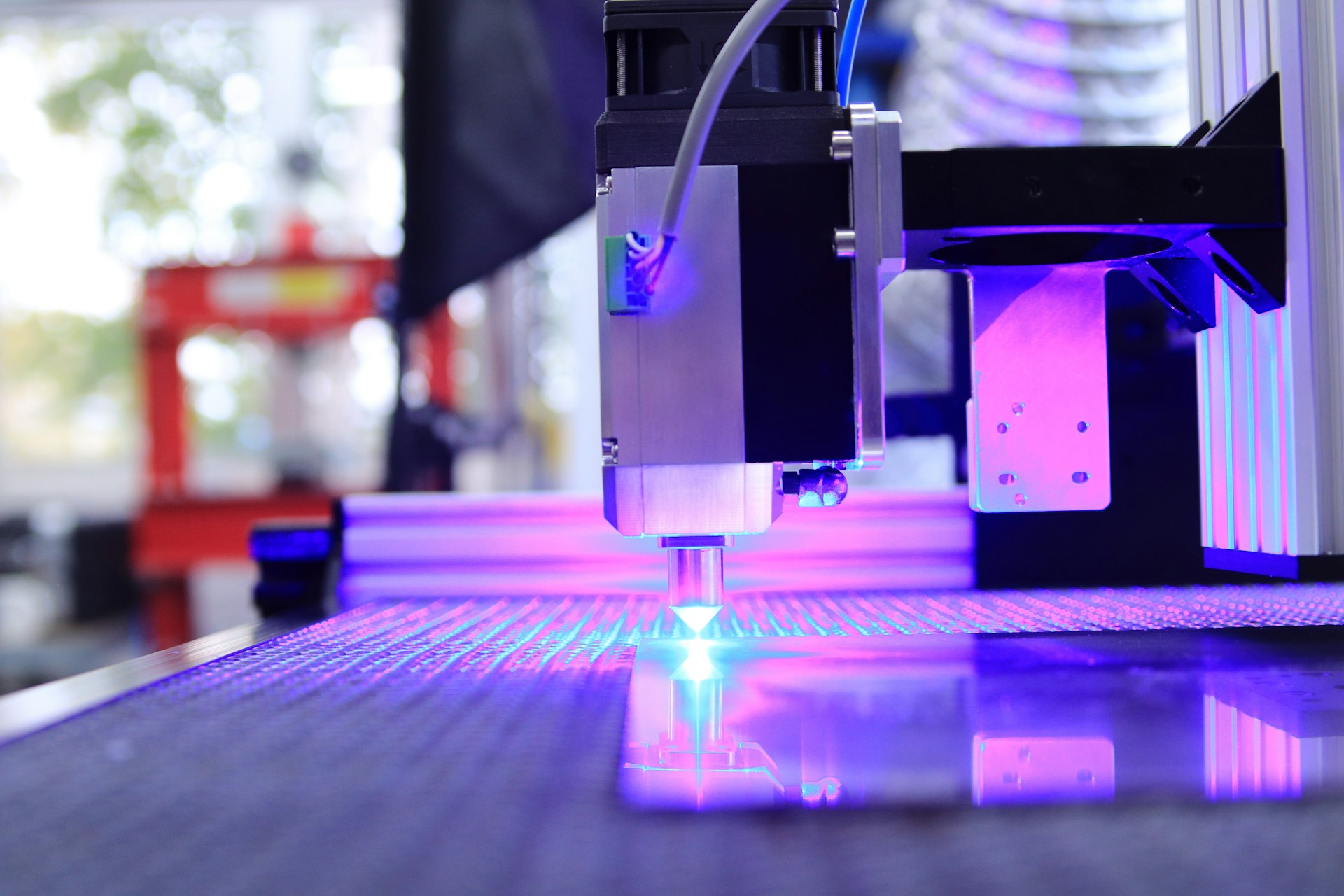
Traditional scale models once required hours of cutting, shaping, and refining by hand, but the introduction of 3d printing into the workflow has changed the pace completely. Today, firms can test proportions, experiment with layouts, and refine structural details before committing to final drawings. This evolution has made it easier for a model builder to streamline tricky or repetitive tasks while still maintaining a high level of accuracy and artistic intention.

Creating an architectural model was once a slow, intricate process, often limited by the materials available. With digital tools and advanced fabrication methods, designers can now replicate curves, interiors, textures, and complex patterns in ways that were previously impossible. And as 3d printing continues to advance, it’s opening new creative and practical possibilities for both small and large projects.

Why Technology Has Transformed Physical Design Models

The arrival of additive manufacturing has made precise, reliable replicas far more attainable. Instead of shaping foam, cardboard, or wood by hand, teams can translate digital drawings directly into scaled components. This gives architects the opportunity to see how a concept will behave in real-world space long before construction begins.

Another major benefit is the ability to experiment. When ideas can be printed quickly and adjusted with ease, it encourages designers to try more daring structural elements. Complex rooflines, organic curves, and multi-layered façades become easier to showcase without excessive manual labour, making early visualisation far more dynamic.

In many firms, these tools also help reduce errors. By printing individual sections separately, problems can be spotted early, allowing professionals to fix proportions, alignment, or spacing before committing to full presentations.

How 3D Printing Improves Accuracy and Detail

One of the biggest strengths of additive fabrication is its ability to recreate minute details. Layer-by-layer construction allows tiny elements—such as window frames, decorative trims, stair rails, and façade textures—to appear with remarkable precision. These details were once extremely time-consuming to produce by hand.

To achieve this, many design teams break down a structure into components so the final architectural model shows depth and realism. The process also helps when demonstrating spatial flow, allowing clients to better understand movement between rooms and levels.

In addition, 3d printing enables the use of different materials depending on the effect required. Some sections may be printed with rigid plastics for stability, while more flexible filaments can be used for unusual shapes or unique design features. This flexibility makes each model more expressive and adaptable.

Steps a Model Maker Might Follow

The workflow can vary slightly between firms, but the general stages remain consistent. Many teams follow a structure similar to this:

  1. Translate sketches or CAD drawings into a printable digital format.

  2. Break the project into smaller parts suitable for fabrication.

  3. Print each section using chosen materials and settings.

  4. Assemble, refine, and paint the finished components.

  5. Add landscape, lighting, or surrounding structures if required.

This process gives both architects and clients a tangible representation of the future build, often leading to faster approvals and more confident decision-making.

Benefits for Client Presentations and Approvals

Physical models remain a powerful communication tool, especially when proposals need to be presented to stakeholders who may not interpret floor plans easily. When the structure is displayed in three dimensions, discussions become clearer and more engaging.

Clients can interact with the materials, get a sense of scale, and visualise how different volumes connect. This often leads to more productive feedback sessions, and because alterations can be implemented quickly, revisions no longer stall the project timeline.

Moreover, 3d printing helps firms create multiple display versions for open days, exhibitions, or investment pitches without significantly increasing production costs.

Sustainability and Material Efficiency

The ability to print only what is needed dramatically reduces waste. Laser cutting and hand-shaping often produce offcuts that cannot be reused, but additive processes generate minimal scrap. Environmentally friendly filament options are also becoming more common, allowing firms to reduce ecological impact.

This efficiency is especially useful when producing large or repeated architectural elements. If a model requires numerous identical pieces, each one can be printed consistently without added labour.

The Future of Scaled Architectural Representations

As technology evolves, we can expect even greater realism. Multi-material printers, colour-integrated fabrication, and faster production methods are already entering the industry. These improvements will make the architectural model even more integral to planning, marketing, and problem-solving.

What was once seen as a supplementary tool is now a critical part of the design process. By merging digital innovation with traditional craftsmanship, professionals are finding new ways to express creativity while enhancing accuracy and efficiency.

plumbers near me

Preventing Water Damage with Digital Leak Detection Solutions

Water leaks can be a homeowner’s worst nightmare, leading to costly repairs, wasted water, and potential damage to your property. Traditional methods of finding leaks often involve guesswork, disruption, and extensive labor. Digital leak detection, on the other hand, offers a non-invasive, accurate, and efficient solution to pinpoint leaks before they escalate into major problems. In this article, we’ll explore how digital leak detection works, its benefits, and why it’s worth considering as a long-term investment.

Understanding Digital Leak Detection

Digital leak detection is a modern method that uses advanced technology to locate leaks in plumbing systems without the need for invasive measures. It employs tools such as acoustic sensors, infrared cameras, and moisture detectors to identify leaks with precision.

When you call plumbers near me who specialize in digital leak detection, they use these tools to assess your plumbing system. Unlike traditional methods that might require cutting through walls or digging into floors, digital detection minimizes disruption and provides accurate results in a fraction of the time.

The Technology Behind Digital Leak Detection

Digital leak detection combines various technologies to ensure leaks are identified accurately and efficiently:

  1. Acoustic Sensors
    These sensors pick up sound waves generated by water escaping from pipes. Plumbers analyze these sounds to determine the exact location of a leak, even if it’s underground or behind walls.
  2. Infrared Cameras
    Infrared imaging detects temperature variations caused by moisture. It’s particularly effective in locating leaks hidden within walls or ceilings, as the camera highlights damp or wet areas.
  3. Moisture Meters
    These devices measure the moisture content in materials such as drywall or flooring, helping plumbers detect hidden leaks that may not yet show visible signs of damage.
  4. Pressure Testing
    Plumbers can also use pressure gauges to identify inconsistencies in water pressure, indicating a potential leak.

With these tools, plumbers near me can detect leaks early, preventing further damage and unnecessary expenses.

Why Digital Leak Detection Is Worth the Investment

Investing in digital leak detection services may seem like an added expense, but its long-term benefits make it a cost-effective solution. Here’s why:

  1. Cost Savings
    Undetected leaks can lead to skyrocketing water bills and costly repairs. Digital leak detection ensures leaks are caught early, reducing water waste and preventing structural damage to your home.
  2. Non-Invasive Process
    Traditional methods of finding leaks often involve tearing through walls or digging up floors, which can be disruptive and expensive. Digital detection offers a precise, non-invasive alternative that minimizes property damage.
  3. Time Efficiency
    With advanced tools, leaks can be located quickly and accurately. This efficiency reduces labor costs and ensures your plumbing system is back to normal in no time.
  4. Environmental Impact
    Conserving water is essential for the environment. By addressing leaks promptly with the help of plumbers near me, you contribute to water conservation efforts while lowering your utility bills.
  5. Preventing Mold and Mildew
    Undetected leaks can lead to damp conditions that promote the growth of mold and mildew. Digital detection helps maintain a healthier home environment by addressing leaks before they cause secondary issues.

When to Consider Digital Leak Detection

Certain signs indicate it’s time to call plumbers near me for digital leak detection. These include:

  • Unexpectedly high water bills
  • Damp spots or discoloration on walls, ceilings, or floors
  • Reduced water pressure in your taps or showers
  • The sound of running water when all taps are off
  • Persistent moldy odors

Addressing these signs promptly can save you from more extensive damage and expenses.

Choosing the Right Plumbers Near Me for Digital Leak Detection

Not all plumbers offer digital leak detection services, so finding the right professional is crucial. Here are some tips for selecting the best service provider:

  1. Experience and Expertise
    Look for plumbers who have experience with digital leak detection and a track record of successful cases.
  2. Advanced Equipment
    Ensure the plumbers use state-of-the-art tools and technology to deliver accurate results.
  3. Customer Reviews
    Check online reviews or ask for recommendations to find trusted plumbers near me who provide excellent service.
  4. Transparent Pricing
    A reputable plumber will provide clear pricing and explain the costs involved in the digital detection process.

Digital leak detection is a game-changer in modern plumbing, offering precise and non-invasive solutions to detect leaks. By investing in this technology, homeowners can save money, protect their property, and contribute to water conservation efforts. The benefits far outweigh the costs, making it a worthwhile investment for any household.

If you’re experiencing signs of a potential leak, don’t wait for the problem to worsen. Reach out to plumbers near me who specialize in digital leak detection and take the first step toward safeguarding your home’s plumbing system. With the right tools and expertise, you can enjoy peace of mind knowing your plumbing is in optimal condition.