
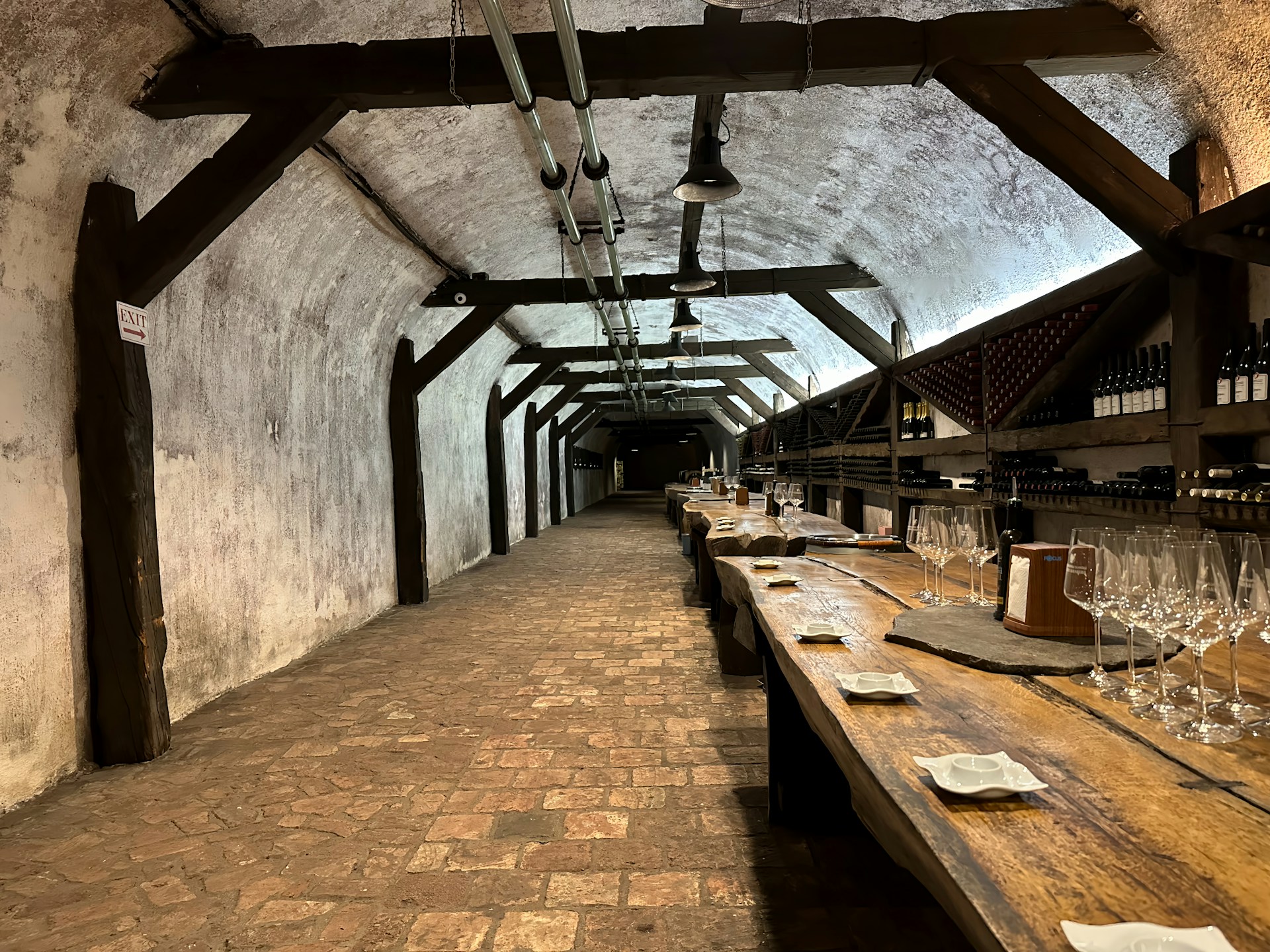
Exclusive wine tasting experience in Cape Town vineyards

Cape Town Wine Tours for Connoisseurs: Rare Wines and Exclusive Tastings

Cape Town offers an enchanting blend of natural beauty and world-class wine experiences, making it a prime destination for wine enthusiasts. For those who have explored the standard wine routes, there is a growing desire to uncover rare vintages and exclusive tasting experiences that go beyond the usual vineyard visits. Cape Town wine tours for connoisseurs cater precisely to this niche, offering curated journeys through some of the region’s most esteemed wineries.

These tours provide more than just a sip of fine wine—they immerse guests in the artistry and history behind every bottle. Small, boutique vineyards often open their doors only to those seeking an in-depth exploration of viticulture and winemaking techniques. Whether you are a seasoned sommelier or an avid enthusiast, the experience allows for a closer connection with winemakers and the passion that drives them.

Beyond wine, these tours often incorporate the region’s gastronomic delights, with gourmet pairings and locally sourced ingredients elevating every tasting. Cape Town wine tours for connoisseurs are not just about drinking wine—they are about cultivating an understanding and appreciation for the craft, culture, and community that surrounds it.

Discovering Hidden Vineyards

For connoisseurs, the appeal of Cape Town wine tours often lies in the off-the-beaten-path vineyards that are not part of conventional itineraries. These hidden gems offer intimate tasting sessions where guests can experience rare varietals. Many of these wineries have small production runs, ensuring that each bottle is crafted with meticulous care.

Visiting these secluded estates also allows for personal interactions with vintners, who share their philosophies on organic practices, barrel aging, and the unique microclimates that influence each grape. Some tours even provide behind-the-scenes access to cellars, blending rooms, and vineyards, giving a rare glimpse into the winemaking process.

  • Boutique wineries often produce wines that are unavailable in mainstream markets.

  • Seasonal harvest tours offer an immersive experience in the vineyard’s rhythm.

  • Tasting sessions frequently include experimental or single-vineyard wines, perfect for collectors.

The Art of Exclusive Tastings

Exclusive tastings elevate the experience beyond traditional wine sampling. On these tours, guests can enjoy small-group sessions with carefully curated flights of rare wines, often accompanied by detailed tasting notes and guided insights. The approach is educational as much as it is indulgent, allowing visitors to refine their palate and develop an understanding of subtleties in aroma, acidity, and body.

Many high-end wine estates incorporate food pairings to enhance the tasting experience. Think artisanal cheeses, charcuterie, and locally grown produce complementing each sip. Such pairings are designed to highlight the wine’s unique characteristics and create a memorable culinary journey.

  • Flights are often themed around a vintage, a grape varietal, or a specific vineyard plot.

  • Sommeliers or winemakers explain the influence of soil, climate, and production techniques.

  • Limited-edition wines can sometimes be purchased directly from the estate, offering a rare collectible.

Personalized and Private Tour Experiences

One of the defining features of connoisseur-level Cape Town wine tours is the level of personalization. Guests can request private tours tailored to their interests, whether focusing on biodynamic practices, rare varietals, or historic estates. Personalized itineraries often include transportation, gourmet meals, and even scenic stops to enjoy the region’s breathtaking landscapes.

Small groups or one-on-one tours ensure that every detail is attended to, from tasting temperature to pouring techniques, offering a refined and luxurious experience. Some tours also incorporate masterclasses, where participants can try blending their own wines under expert guidance, adding an interactive element to the journey.

Pairing Wine with Scenic Adventures

The Western Cape is renowned not just for its wine but also for its dramatic landscapes, and many high-end tours seamlessly integrate these elements. Picture a tasting on a hillside overlooking rolling vineyards, or a picnic among fynbos with the Atlantic Ocean as a backdrop. These moments make each sip of wine more than just a taste—it becomes an experience tied to place, history, and memory.

Outdoor tastings can also include guided walks through the vineyards, exploring the terroir that gives each wine its character. This connection between landscape and flavor is a hallmark of connoisseur-level wine tours and adds a sensory depth that standard tours often miss.

Planning Your Connoisseur Journey

While Cape Town wine tours for casual visitors can be booked on the fly, tours focusing on rare wines and exclusive tastings often require advance planning. Many boutique estates have limited availability, and peak harvest seasons can fill up months in advance.

  1. Research wineries known for unique or rare varietals and contact them directly.

  2. Consider private or semi-private tours for a more personalized experience.

  3. Plan your itinerary around the types of experiences you value most—tastings, gourmet pairings, or immersive vineyard walks.

It’s worth investing time in selecting a tour that aligns with your interests and palate, ensuring an experience that is both indulgent and educational.

Cape Town’s wine region offers a spectrum of experiences, from large commercial estates to intimate boutique vineyards. For those seeking rare vintages and exclusive tasting sessions, connoisseur-level tours provide a rare opportunity to explore the artistry behind the bottles. Each sip, paired with scenic vistas and culinary delights, creates a journey that lingers long after the last pour.
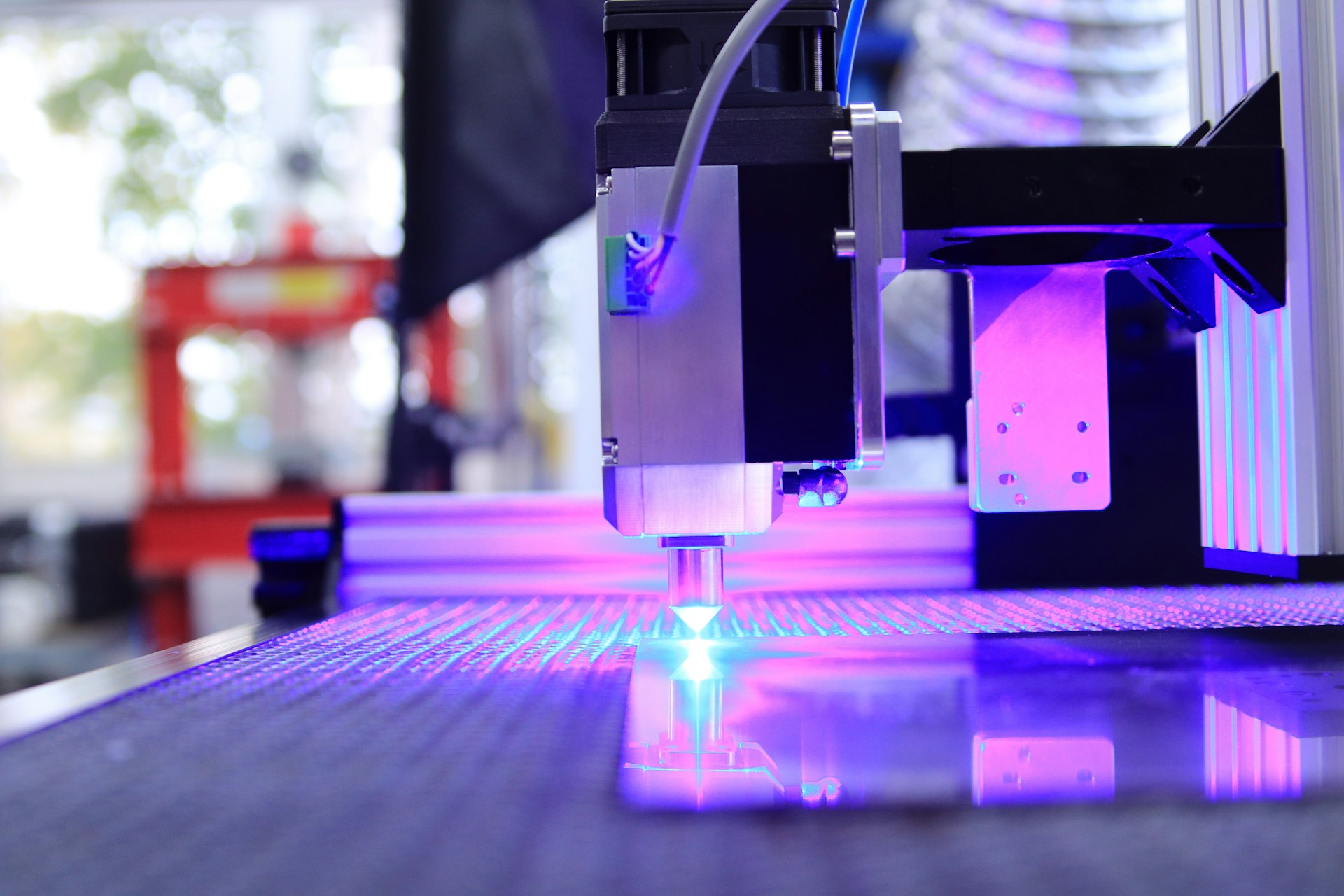
skilled creator assembling a detailed scale model

The New Era of Architectural Models: How 3D Printing Transforms Physical Design

A growing number of architects and designers are turning to new technology to bring concepts to life, and one of the biggest shifts has come from how a model builder now approaches visualisation. Instead of relying solely on manual crafting, professionals can merge craftsmanship with innovation to speed up early-stage design work. This change has allowed more detailed representations to emerge in the early planning phase, helping teams communicate ideas clearly.

Traditional scale models once required hours of cutting, shaping, and refining by hand, but the introduction of 3d printing into the workflow has changed the pace completely. Today, firms can test proportions, experiment with layouts, and refine structural details before committing to final drawings. This evolution has made it easier for a model builder to streamline tricky or repetitive tasks while still maintaining a high level of accuracy and artistic intention.

Creating an architectural model was once a slow, intricate process, often limited by the materials available. With digital tools and advanced fabrication methods, designers can now replicate curves, interiors, textures, and complex patterns in ways that were previously impossible. And as 3d printing continues to advance, it’s opening new creative and practical possibilities for both small and large projects.

Why Technology Has Transformed Physical Design Models

The arrival of additive manufacturing has made precise, reliable replicas far more attainable. Instead of shaping foam, cardboard, or wood by hand, teams can translate digital drawings directly into scaled components. This gives architects the opportunity to see how a concept will behave in real-world space long before construction begins.

Another major benefit is the ability to experiment. When ideas can be printed quickly and adjusted with ease, it encourages designers to try more daring structural elements. Complex rooflines, organic curves, and multi-layered façades become easier to showcase without excessive manual labour, making early visualisation far more dynamic.

In many firms, these tools also help reduce errors. By printing individual sections separately, problems can be spotted early, allowing professionals to fix proportions, alignment, or spacing before committing to full presentations.

How 3D Printing Improves Accuracy and Detail

One of the biggest strengths of additive fabrication is its ability to recreate minute details. Layer-by-layer construction allows tiny elements—such as window frames, decorative trims, stair rails, and façade textures—to appear with remarkable precision. These details were once extremely time-consuming to produce by hand.

To achieve this, many design teams break down a structure into components so the final architectural model shows depth and realism. The process also helps when demonstrating spatial flow, allowing clients to better understand movement between rooms and levels.

In addition, 3d printing enables the use of different materials depending on the effect required. Some sections may be printed with rigid plastics for stability, while more flexible filaments can be used for unusual shapes or unique design features. This flexibility makes each model more expressive and adaptable.

Steps a Model Maker Might Follow

The workflow can vary slightly between firms, but the general stages remain consistent. Many teams follow a structure similar to this:

  1. Translate sketches or CAD drawings into a printable digital format.

  2. Break the project into smaller parts suitable for fabrication.

  3. Print each section using chosen materials and settings.

  4. Assemble, refine, and paint the finished components.

  5. Add landscape, lighting, or surrounding structures if required.

This process gives both architects and clients a tangible representation of the future build, often leading to faster approvals and more confident decision-making.

Benefits for Client Presentations and Approvals

Physical models remain a powerful communication tool, especially when proposals need to be presented to stakeholders who may not interpret floor plans easily. When the structure is displayed in three dimensions, discussions become clearer and more engaging.

Clients can interact with the materials, get a sense of scale, and visualise how different volumes connect. This often leads to more productive feedback sessions, and because alterations can be implemented quickly, revisions no longer stall the project timeline.

Moreover, 3d printing helps firms create multiple display versions for open days, exhibitions, or investment pitches without significantly increasing production costs.

Sustainability and Material Efficiency

The ability to print only what is needed dramatically reduces waste. Laser cutting and hand-shaping often produce offcuts that cannot be reused, but additive processes generate minimal scrap. Environmentally friendly filament options are also becoming more common, allowing firms to reduce ecological impact.

This efficiency is especially useful when producing large or repeated architectural elements. If a model requires numerous identical pieces, each one can be printed consistently without added labour.

The Future of Scaled Architectural Representations

As technology evolves, we can expect even greater realism. Multi-material printers, colour-integrated fabrication, and faster production methods are already entering the industry. These improvements will make the architectural model even more integral to planning, marketing, and problem-solving.

What was once seen as a supplementary tool is now a critical part of the design process. By merging digital innovation with traditional craftsmanship, professionals are finding new ways to express creativity while enhancing accuracy and efficiency.