

Couple watching TV after DStv Explora installation

Everything You Need to Know Before Booking a DStv Explora Installation

Booking a new decoder setup is not something most homeowners do often. Yet when the time comes, the decisions you make can affect your viewing experience for years. Modern satellite television systems are more advanced than many people realize. Signal quality, cabling standards, smart LNB compatibility, and proper configuration all matter.

Before committing to a DStv Explora installation, it is essential to understand what the process involves, what equipment is required, and how to ensure the job is done correctly and safely.

Understanding How the DStv Explora Works

The DStv Explora is not just a standard decoder. It is a Personal Video Recorder (PVR) designed to allow recording, pausing live TV, and accessing Catch Up services. Unlike older single-view decoders, it typically requires a Smart LNB or compatible multiswitch setup to unlock full functionality.

This means installation is more technical than simply mounting a satellite dish and connecting a cable. Signal splitting, correct frequency band allocation, and precise dish alignment are critical for optimal performance.

If these technical aspects are handled incorrectly, users may experience:

  • Signal loss during bad weather

  • Recording failures

  • Decoder reboot loops

  • Incomplete channel access

Because of this complexity, working with a trained and accredited installer is strongly recommended.

What Equipment Is Required

Before scheduling your appointment, confirm which components are included in your package and which may require upgrades.

A typical setup includes:

  1. Satellite dish (properly sized and aligned)

  2. Smart LNB compatible with Explora

  3. Approved coaxial cabling

  4. Wall brackets and mounting hardware

  5. The Explora decoder itself

In some homes, existing infrastructure can be reused. However, older LNBs or degraded cabling may not support full functionality. Installers often need to replace outdated components to ensure reliable signal strength and long-term stability.

If you live in a complex or sectional title property, you may also need permission from the body corporate before external installations are done.

Choosing a Qualified Installer

Satellite systems require technical precision. Improper alignment of even a few millimeters can reduce signal quality dramatically.

When selecting a technician, look for the following:

  1. Accreditation and registration with Multichoice

  2. Clear, written quotations

  3. Transparent explanation of equipment used

  4. Warranty on workmanship

  5. Positive client feedback

Avoid choosing purely based on price. Extremely low quotes may exclude essential components such as upgraded LNBs or high-quality cabling.

A reputable installer will inspect your property beforehand, evaluate signal line of sight, and explain whether roof mounting, wall mounting, or pole installation is most appropriate.

Site Assessment and Signal Positioning

One of the most overlooked aspects of a DStv Explora installation involves site evaluation. Satellite dishes require an unobstructed line of sight to the satellite. Trees, neighboring buildings, and even future construction plans can affect placement decisions.

An experienced technician will:

  • Test signal strength before final mounting

  • Ensure the dish is securely fixed to prevent wind damage

  • Route cabling neatly and safely

  • Seal entry points to prevent water leaks

Poor sealing around cable entry points can lead to water ingress, which may cause structural damage or electrical issues over time.

Understanding Costs and Avoiding Hidden Fees

Many homeowners underestimate the total cost of installation. The advertised decoder price often does not include mounting brackets, extra cabling, or signal boosters if required.

Before confirming your booking, ask for a breakdown that includes:

  1. Equipment costs

  2. Labour charges

  3. Call-out fees

  4. Any additional hardware required

  5. Warranty coverage details

Transparent pricing protects you from unexpected charges on the day of installation.

In some cases, additional cabling may be needed if your television location is far from the dish position. Complex routing through ceilings or walls can increase labour time.

Smart LNB vs Older Systems

Older satellite systems used dual-view or single-view LNBs that are not compatible with Explora’s advanced features. A Smart LNB is specifically designed to distribute multiple frequency bands through a single cable configuration.

Without the correct LNB, you may not be able to:

  • Record multiple channels simultaneously

  • Access Catch Up features

  • Enjoy uninterrupted viewing during recordings

Ensuring the correct LNB is installed at the outset avoids costly upgrades later.

Installation Day: What to Expect

On installation day, the technician will typically:

  1. Mount and align the satellite dish

  2. Install or upgrade the LNB

  3. Run cabling to the decoder

  4. Configure signal settings

  5. Test all channels and recording functions

This process usually takes between one to three hours, depending on property layout and infrastructure.

Homeowners should be present during setup to confirm TV positioning and verify that all features are functioning correctly before the installer leaves.

Post-Installation Checks and Maintenance

Once the system is active, take a few minutes to verify functionality.

Test live TV, pause and rewind functions, and scheduled recordings. Ensure remote control pairing is successful and that the signal strength indicator reflects stable reception.

Regular maintenance is minimal but important. Keep the dish free from debris and check for loose mounting brackets after severe storms.

If you notice signal disruption, avoid attempting to realign the dish yourself. Satellite positioning requires precision instruments and incorrect adjustments may worsen the issue.

Legal and Safety Considerations

Satellite installations involve working at height, electrical routing, and structural mounting. DIY attempts can pose safety risks and may void equipment warranties.

Professional installers follow safety standards, use proper mounting equipment, and ensure compliance with building regulations where applicable.

If you reside in a rental property, always obtain landlord approval before proceeding. Unauthorized installations may lead to penalties or removal costs.

Is Upgrading Worth It?

For many households, the Explora offers significant value through enhanced recording capabilities and on-demand content access. However, the quality of your viewing experience depends heavily on correct setup.

A properly executed DStv Explora installation ensures signal stability, optimal picture quality, and long-term reliability. Cutting corners at this stage often leads to frustration and additional expenses.

Before booking, take the time to evaluate equipment compatibility, installer credentials, and cost transparency. Ask detailed questions. Confirm warranties. Understand what is included.

By approaching the process with informed expectations, you reduce risk, protect your investment, and ensure that your entertainment system performs exactly as intended for years to come.

IPTV

How IPTV Works: A Complete Guide to Internet TV in South Africa

Internet-based television has changed the way we watch our favourite shows and movies. Instead of relying on traditional broadcasting methods like satellite or cable, viewers can now access a world of entertainment through the internet. This modern approach is called IPTV, a technology that has gained massive popularity due to its convenience, flexibility, and growing affordability. Whether you’re a casual viewer or a binge-watcher, IPTV offers a more personalised and versatile way to enjoy content.

In places where streaming services are becoming a household standard, the interest in IPTV South Africa has grown rapidly. It allows users to watch live TV, on-demand movies, and series without needing expensive hardware or long installation processes. What sets this technology apart is how easily it fits into our digital lifestyles — all you need is a stable internet connection and a compatible device.

Africa IP TV services are evolving quickly as more regions improve internet access. Viewers from urban areas to rural communities are discovering that this technology provides more control and better content variety than traditional TV subscriptions. The ability to stream channels from across the world and access regional content has made IPTV an appealing option for modern households.

Understanding the Basics of IPTV

IPTV stands for Internet Protocol Television. Unlike traditional broadcasting methods that send signals through satellite or cable, IPTV delivers video content using the same protocols that power the internet. This means instead of tuning into specific frequencies, viewers receive digital signals over a broadband connection. The result is smoother streaming, better picture quality, and the ability to pause, rewind, or replay live television — something not possible with regular TV.

The technology works by transmitting data packets from a server to your device. These packets are then decoded and displayed as video through your IPTV player or application. Since the data travels over the internet, you can use a variety of devices, including smart TVs, computers, tablets, and smartphones, making it one of the most accessible entertainment solutions today.

How IPTV Differs from Traditional Broadcasting

Traditional broadcasting methods such as satellite and cable rely on one-way transmission. This means that whatever the broadcaster sends, the viewer receives — there’s no flexibility or control. With IPTV, it’s a two-way system. The user requests the content they want, and the server sends it on demand. This creates a fully interactive viewing experience, allowing people to watch what they want, when they want.

Another big difference lies in content storage. While cable networks broadcast live channels, IPTV systems often store programs on servers. This makes features like catch-up TV and video-on-demand possible. It’s especially useful for those with unpredictable schedules or viewers who prefer to binge-watch entire series over a weekend.

The Three Main Types of IPTV Services

IPTV can be divided into three primary categories:

  1. Live Television – This mimics traditional broadcasting, allowing viewers to watch live events such as news or sports in real time.

  2. Video on Demand (VOD) – Users can choose movies or shows from a vast library and play them instantly.

  3. Time-Shifted TV – This feature lets you replay or catch up on shows that were broadcast earlier.

Each of these services offers its own advantages, making IPTV suitable for a wide range of viewing habits and preferences. Whether you’re interested in staying up to date with the latest sports match or relaxing with a late-night movie, there’s always something available

Why IPTV Is Growing in Popularity Across Africa

The increasing adoption of Africa IP TV is no coincidence. Faster internet speeds, more affordable data plans, and the growing number of smart devices have made it easier for households to switch to streaming. People no longer want to be limited by scheduled programming or region-locked content. IPTV offers a more inclusive and dynamic experience, appealing to both local audiences and international viewers.

For South Africans, the value of IPTV South Africa lies in its flexibility. It allows users to choose subscription packages that suit their budgets while still enjoying premium content. Local providers are also beginning to offer tailored solutions that blend international channels with African entertainment, giving viewers the best of both worlds.

Choosing the Right IPTV Service

Selecting a reliable IPTV provider can make all the difference in your viewing experience. Here are a few things to consider before subscribing:

  • Content Variety: Check whether the service includes both local and international channels.

  • Streaming Quality: Ensure the provider offers HD or 4K streams for a clearer picture.

  • Device Compatibility: The best services work across smart TVs, smartphones, and tablets.

  • Customer Support: Look for responsive customer assistance in case of technical issues.

It’s also worth testing the platform during a trial period to evaluate performance and stability. A well-structured service should provide consistent streaming without buffering or downtime.

The shift toward internet-based television is transforming how Africa consumes entertainment. IPTV is more than just a trend; it’s the future of broadcasting. As technology continues to evolve, viewers will enjoy even more seamless integration between devices, smarter recommendations, and richer content libraries. For households looking to modernise their viewing habits, IPTV represents a simple yet powerful way to access the world of entertainment — anytime, anywhere.

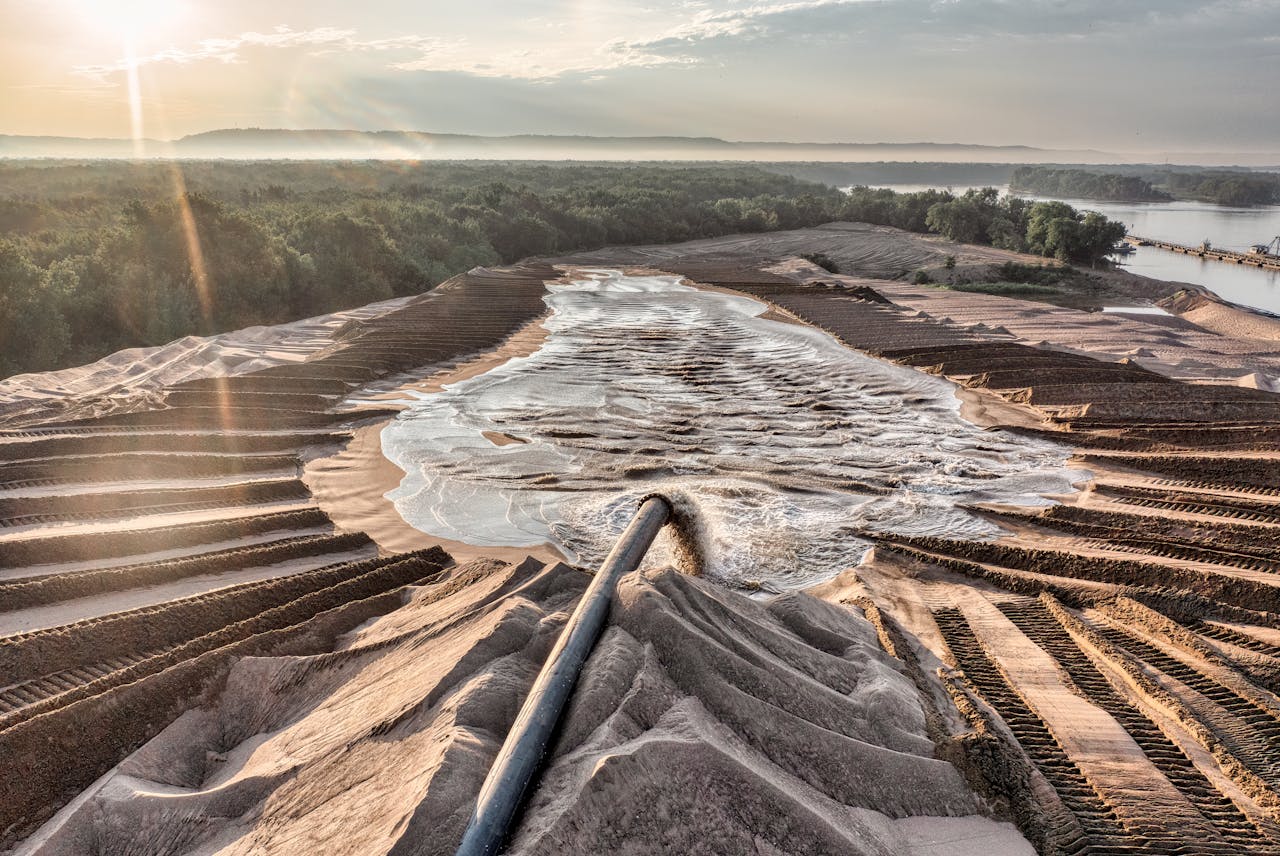
dredging company

The Impact of Dredging on Nature and Innovations for a Greener Future

Dredging plays a critical role in maintaining navigable waterways, reclaiming land, and supporting various industries, including construction and mining. However, despite its economic benefits, dredging has significant environmental implications that must be addressed. From disrupting aquatic ecosystems to contributing to water pollution, the impact of dredging is a topic of concern. Fortunately, innovative solutions and sustainable practices can mitigate these challenges, allowing a dredging company or a dredging contractor to operate in a more environmentally responsible manner.

The Challenges of Dredging

1. Disruption of Aquatic Ecosystems

One of the primary environmental concerns associated with dredging is the disruption of aquatic habitats. Many marine and freshwater organisms, including fish, crustaceans, and plant life, rely on stable ecosystems. When sediments are disturbed, essential nutrients and organisms can be displaced, leading to habitat destruction and reduced biodiversity.

Additionally, dredging can alter the natural flow of water bodies, affecting fish migration patterns and breeding grounds. This disruption may have long-term consequences on local fisheries and overall aquatic health.

2. Sediment Resuspension and Water Pollution

A significant issue that arises from dredging is sediment resuspension. When a dredging contractor removes materials from the bottom of a river, lake, or seabed, fine sediments are released into the water column. These sediments can carry contaminants such as heavy metals, pesticides, and industrial waste, leading to water pollution.

Increased turbidity (cloudiness of water) can also block sunlight penetration, negatively affecting photosynthesis in aquatic plants. This, in turn, disrupts the entire food chain, impacting both marine life and water quality.

3. Coastal Erosion and Land Instability

Dredging can contribute to coastal erosion by removing sediment that naturally stabilizes shorelines. When a dredging company extracts large amounts of material, it may inadvertently weaken coastal defenses, making areas more vulnerable to erosion and flooding.

Furthermore, land subsidence can occur when excessive sediment is removed from estuaries and riverbeds. This can lead to sinking land, threatening nearby infrastructure, including roads, bridges, and buildings.

4. Noise and Air Pollution

Dredging operations generate noise pollution that can disturb marine life, especially species that rely on echolocation, such as dolphins and whales. The constant underwater noise from machinery can interfere with their ability to communicate, navigate, and find food.

Additionally, dredging equipment often runs on fossil fuels, releasing greenhouse gases and contributing to air pollution. A lack of proper emission controls can further exacerbate environmental degradation.

Sustainable Solutions for Dredging

1. Environmentally Friendly Dredging Techniques

To minimize the environmental impact, a dredging contractor can adopt more sustainable dredging methods. One such method is precision dredging, which targets specific areas with minimal disturbance. This approach reduces sediment resuspension and prevents unnecessary damage to aquatic habitats.

Another solution is using hydraulic dredging instead of mechanical dredging. Hydraulic dredging uses suction to remove sediment gently, reducing the likelihood of disturbing marine life and limiting water contamination.

2. Silt Curtains and Sediment Control Measures

A dredging company can implement silt curtains—floating barriers that contain suspended sediments—to prevent pollutants from spreading to other areas. These curtains are especially useful in projects near sensitive ecosystems or drinking water sources.

Additional measures, such as sediment traps and water filtration systems, can further help in controlling the spread of contaminants, ensuring cleaner and safer water conditions.

3. Habitat Restoration and Compensation

To offset environmental damage, many dredging projects now include habitat restoration efforts. After dredging is completed, a dredging contractor can engage in replanting aquatic vegetation, rebuilding artificial reefs, and creating wildlife sanctuaries to support biodiversity.

Moreover, compensatory projects such as wetland creation and mangrove rehabilitation can help restore ecological balance, providing essential breeding and feeding grounds for marine species.

4. Eco-Friendly Equipment and Renewable Energy

Modern advancements in technology have led to the development of eco-friendly dredging equipment. A forward-thinking dredging company can invest in electric or hybrid-powered dredgers, which reduce carbon emissions and lower fuel consumption.

Additionally, integrating renewable energy sources, such as solar or wind power, into dredging operations can further reduce the environmental footprint of these activities.

5. Regulatory Compliance and Environmental Monitoring

Government regulations play a crucial role in ensuring sustainable dredging practices. Many countries now require environmental impact assessments (EIAs) before approving dredging projects. These assessments help identify potential risks and implement mitigation strategies.

Continuous monitoring of water quality, sediment displacement, and marine life health can also help a dredging company make informed decisions about minimizing its ecological impact. Modern monitoring tools, such as satellite imaging and underwater drones, provide real-time data for better environmental management.

Dredging remains a vital activity for maintaining waterways and supporting industrial growth, but it comes with significant environmental challenges. From disturbing marine ecosystems to increasing water pollution, these effects must be carefully managed. However, by adopting sustainable dredging techniques, investing in eco-friendly equipment, and implementing habitat restoration projects, a dredging contractor can minimize harm and promote environmental conservation.

As regulations become stricter and awareness about ecological protection grows, the dredging industry must prioritize responsible practices. With the right balance between economic development and environmental stewardship, the long-term sustainability of aquatic ecosystems can be preserved while ensuring the continued benefits of dredging activities.