

detailed plumber quote for home plumbing

How to Get an Accurate Plumbing Quote Without Hidden Costs

Getting a clear and accurate estimate from a plumbing professional can be a stressful process for homeowners and business owners alike. Many people have experienced the frustration of receiving a bill far higher than anticipated, often due to hidden costs or vague initial quotes. Understanding how to navigate this process effectively is essential for avoiding unexpected expenses and ensuring that your plumbing project stays within budget. A well-prepared approach to requesting and reviewing a plumber quote can save time, money, and stress.

Plumbing work varies widely in scope, from simple faucet repairs to extensive pipe replacements or system installations. This variability makes it difficult to rely on generic pricing or online estimators, as each situation has unique considerations. Communicating your needs clearly and providing detailed information upfront can help a plumber deliver an accurate quote, reducing the chance of surprises later. Knowing what questions to ask and what details to include is just as important as understanding the pricing itself.

Another common challenge is differentiating between a legitimate quote and an incomplete estimate that hides potential charges. Some quotes may initially appear low, but once work begins, additional fees for materials, labor, or unforeseen complications can inflate the final bill. Learning how to request a comprehensive quote and understanding the components that make up a plumber's quote is essential. By being proactive and informed, you can secure services that align with your expectations and budget.

Why Accuracy Matters in Plumbing Quotes

Receiving an accurate plumber quote is about more than just knowing the total cost upfront. It also sets expectations for the timeline, the materials involved, and the quality of workmanship. When a quote is clear and detailed, you are better equipped to compare different plumbers and make an informed decision. Without this clarity, you risk hiring someone whose services might not meet your needs or whose pricing could quickly escalate.

Accuracy also impacts planning and budgeting. Unexpected costs can disrupt household finances or delay critical projects. By obtaining a quote that accounts for all necessary materials, labor, and potential contingencies, you reduce the likelihood of unpleasant financial surprises. An accurate quote reflects transparency and professionalism, giving you confidence in the plumber’s reliability and ethics.

Furthermore, detailed quotes often include breakdowns for labor, parts, and potential additional services. This level of transparency allows you to evaluate which elements are essential and which could be optional, giving you more control over your budget. In many cases, this can prevent disputes after the work is completed and foster a smoother working relationship with your plumber.

Steps to Get a Clear and Reliable Quote

  1. Prepare Detailed Information
    Before contacting a plumber, take note of the exact issues you are experiencing. Include details like the type of fixtures, the age of your plumbing system, and any prior repairs. Photos or short video clips of the problem can be very helpful. This allows the plumber to assess the situation more accurately and provide a realistic quote.

  2. Request Written Estimates
    Always ask for a written quote rather than relying on verbal estimates. A written document reduces misunderstandings and ensures that all parties agree on the scope of work, costs, and timelines. Written quotes also serve as a reference in case any disputes arise during or after the work.

  3. Ask for a Breakdown of Costs
    A transparent quote should list labor, materials, permits (if required), and any additional charges separately. Avoid accepting a single lump-sum figure without understanding what it covers. Knowing exactly what you are paying for helps prevent hidden fees from appearing later.

  4. Compare Multiple Quotes
    Contact at least two or three plumbers for estimates to get a sense of market rates. While the cheapest quote may be appealing, it’s crucial to assess the value being offered. Look for discrepancies in materials, warranties, and service guarantees rather than focusing solely on price.

  5. Clarify Terms and Conditions
    Discuss terms regarding payment schedules, unexpected complications, and additional charges before agreeing to any work. Clear communication reduces the risk of surprises and ensures that both parties have a shared understanding of expectations.

Common Hidden Costs and How to Avoid Them

Even with a detailed quote, some hidden costs can sneak into plumbing projects if you are not vigilant. Common examples include:

  • Material Substitutions: Plumbers may use lower-grade materials than initially quoted if the original parts are unavailable. Confirm the quality and brand of all materials upfront.

  • Emergency or After-Hours Charges: If work is done outside normal business hours, additional fees may apply. Clarify the timing and potential extra costs before agreeing.

  • Unexpected Repairs: Old or damaged pipes may require additional work. Ask the plumber how such situations will be handled and whether they are included in the original quote.

  • Permit Fees: Some plumbing work requires municipal permits, which can add to the cost. Confirm whether these fees are included or if they will be billed separately.

Being aware of these potential charges and discussing them in advance can help you avoid surprises. It also signals to the plumber that you are informed and expect transparency, which often leads to more accurate estimates.

Tips for Ensuring a Smooth Quoting Process

  • Communicate Clearly: Provide complete details about your plumbing issue and desired outcome.

  • Document Everything: Keep copies of all quotes, receipts, and correspondence.

  • Verify Licenses and Insurance: A qualified and insured plumber is more likely to provide reliable and accurate quotes.

  • Ask About Guarantees: Ensure that labor and materials come with warranties to protect your investment.

  • Be Patient and Ask Questions: Take the time to understand each quote fully before making a decision.

By following these strategies, you can increase the likelihood of receiving a fair and precise plumbing quote. It ensures that both you and the plumbing professional are aligned, reducing stress and improving the overall experience.

Ultimately, securing a reliable plumbing estimate is about preparation, transparency, and communication. When you take the necessary steps to provide detailed information, request comprehensive written quotes, and clarify potential hidden costs, you set the stage for a successful project. This approach not only helps you stay within budget but also ensures peace of mind and confidence in the work being done.
skilled creator assembling a detailed scale model

The New Era of Architectural Models: How 3D Printing Transforms Physical Design

A growing number of architects and designers are turning to new technology to bring concepts to life, and one of the biggest shifts has come from how a model builder now approaches visualisation. Instead of relying solely on manual crafting, professionals can merge craftsmanship with innovation to speed up early-stage design work. This change has allowed more detailed representations to emerge in the early planning phase, helping teams communicate ideas clearly.

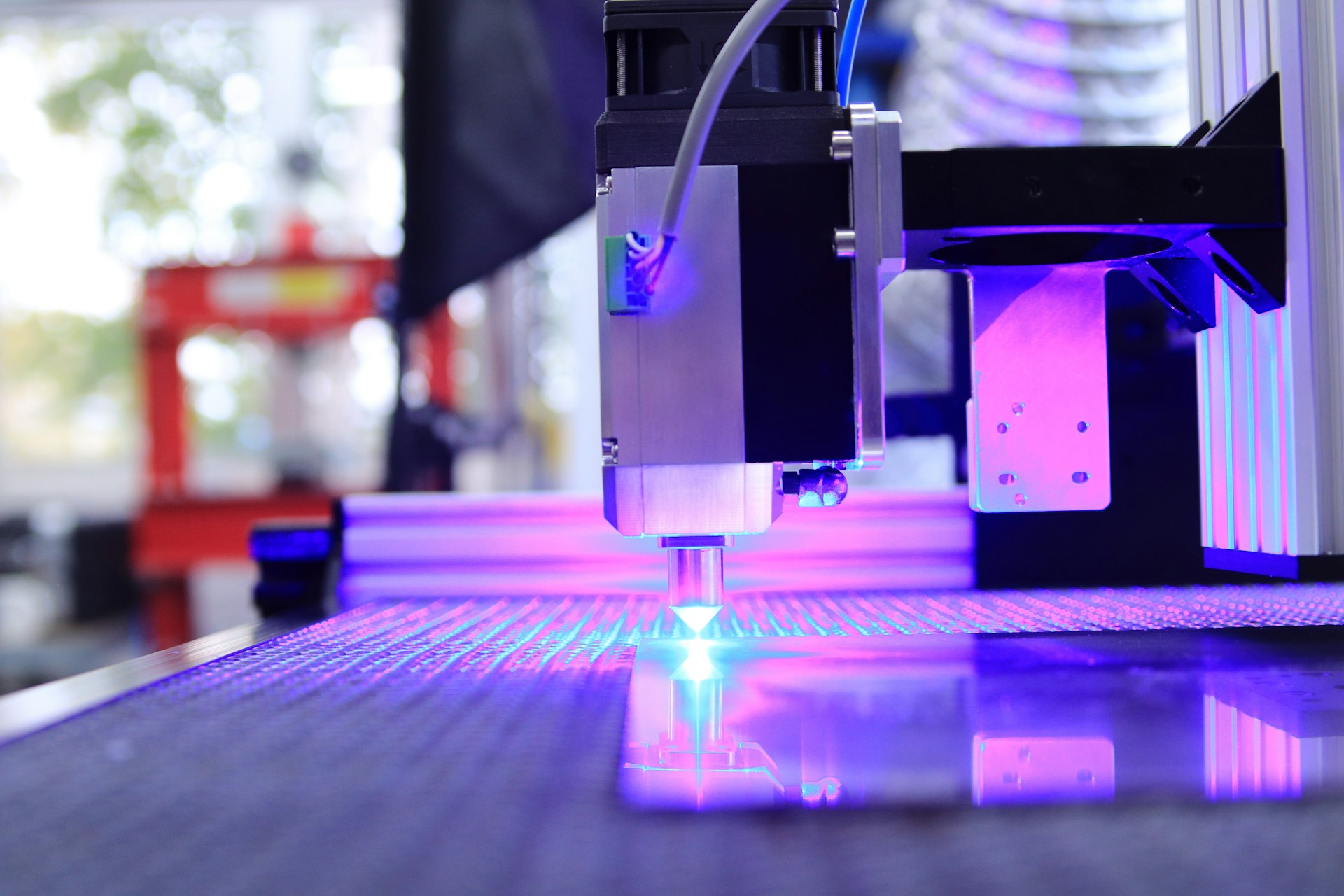
Traditional scale models once required hours of cutting, shaping, and refining by hand, but the introduction of 3d printing into the workflow has changed the pace completely. Today, firms can test proportions, experiment with layouts, and refine structural details before committing to final drawings. This evolution has made it easier for a model builder to streamline tricky or repetitive tasks while still maintaining a high level of accuracy and artistic intention.

Creating an architectural model was once a slow, intricate process, often limited by the materials available. With digital tools and advanced fabrication methods, designers can now replicate curves, interiors, textures, and complex patterns in ways that were previously impossible. And as 3d printing continues to advance, it’s opening new creative and practical possibilities for both small and large projects.

Why Technology Has Transformed Physical Design Models

The arrival of additive manufacturing has made precise, reliable replicas far more attainable. Instead of shaping foam, cardboard, or wood by hand, teams can translate digital drawings directly into scaled components. This gives architects the opportunity to see how a concept will behave in real-world space long before construction begins.

Another major benefit is the ability to experiment. When ideas can be printed quickly and adjusted with ease, it encourages designers to try more daring structural elements. Complex rooflines, organic curves, and multi-layered façades become easier to showcase without excessive manual labour, making early visualisation far more dynamic.

In many firms, these tools also help reduce errors. By printing individual sections separately, problems can be spotted early, allowing professionals to fix proportions, alignment, or spacing before committing to full presentations.

How 3D Printing Improves Accuracy and Detail

One of the biggest strengths of additive fabrication is its ability to recreate minute details. Layer-by-layer construction allows tiny elements—such as window frames, decorative trims, stair rails, and façade textures—to appear with remarkable precision. These details were once extremely time-consuming to produce by hand.

To achieve this, many design teams break down a structure into components so the final architectural model shows depth and realism. The process also helps when demonstrating spatial flow, allowing clients to better understand movement between rooms and levels.

In addition, 3d printing enables the use of different materials depending on the effect required. Some sections may be printed with rigid plastics for stability, while more flexible filaments can be used for unusual shapes or unique design features. This flexibility makes each model more expressive and adaptable.

Steps a Model Maker Might Follow

The workflow can vary slightly between firms, but the general stages remain consistent. Many teams follow a structure similar to this:

  1. Translate sketches or CAD drawings into a printable digital format.

  2. Break the project into smaller parts suitable for fabrication.

  3. Print each section using chosen materials and settings.

  4. Assemble, refine, and paint the finished components.

  5. Add landscape, lighting, or surrounding structures if required.

This process gives both architects and clients a tangible representation of the future build, often leading to faster approvals and more confident decision-making.

Benefits for Client Presentations and Approvals

Physical models remain a powerful communication tool, especially when proposals need to be presented to stakeholders who may not interpret floor plans easily. When the structure is displayed in three dimensions, discussions become clearer and more engaging.

Clients can interact with the materials, get a sense of scale, and visualise how different volumes connect. This often leads to more productive feedback sessions, and because alterations can be implemented quickly, revisions no longer stall the project timeline.

Moreover, 3d printing helps firms create multiple display versions for open days, exhibitions, or investment pitches without significantly increasing production costs.

Sustainability and Material Efficiency

The ability to print only what is needed dramatically reduces waste. Laser cutting and hand-shaping often produce offcuts that cannot be reused, but additive processes generate minimal scrap. Environmentally friendly filament options are also becoming more common, allowing firms to reduce ecological impact.

This efficiency is especially useful when producing large or repeated architectural elements. If a model requires numerous identical pieces, each one can be printed consistently without added labour.

The Future of Scaled Architectural Representations

As technology evolves, we can expect even greater realism. Multi-material printers, colour-integrated fabrication, and faster production methods are already entering the industry. These improvements will make the architectural model even more integral to planning, marketing, and problem-solving.

What was once seen as a supplementary tool is now a critical part of the design process. By merging digital innovation with traditional craftsmanship, professionals are finding new ways to express creativity while enhancing accuracy and efficiency.

home decor

A Comprehensive Guide to Finding the Ideal Wall Art for Your Home

Wall art is among the most impactful aspects in changing a home into a home. It brings character, color, and life to any area, making it a vital part of your total home decor. Whether you’re going back to square one or seeking to revitalize your living-room design, selecting the ideal wall art can be a complicated job. This guide will assist you browse the procedure, supplying pointers and motivation to pick the ideal pieces for your area.

1. Consider Your Space and Style

Before you begin searching for wall art, take a minute to think about the design and area you’re dealing with. Is your home design contemporary, rustic, or standard? Do you choose strong, dynamic colors or soft, soft tones? Understanding the total design of your home will assist you choose wall art that matches your interior design items.

For example, if your living-room design leans towards a modern-day visual, you may select abstract pieces with tidy lines and minimalistic frames. On the other hand, if your home has a more rustic ambiance, landscape paintings or nature-inspired prints in wood frames may be a much better fit. The objective is to pick art that boosts the existing design while including a unique touch to the area.

2. Determine the Right Size and Placement

The size of the wall art is simply as crucial as the art itself. A typical error is picking pieces that are too little or too big for the area. As a general rule, the art work must use up about two-thirds to three-quarters of the wall area above a furniture piece, such as a couch or bed.

When organizing several pieces, think about the spacing in between them. Grouping smaller sized pieces together can develop a gallery wall, which is a fantastic method to integrate different designs and sizes of art. This method not just includes visual interest however likewise permits you to display various elements of your character through your home design.

In regards to positioning, eye-level is usually the very best height for hanging wall art. This is typically around 57 to 60 inches from the flooring, depending upon the typical height of individuals in your house. Proper positioning guarantees that your ornamental devices and wall art are the centerpieces of the space.

3. Mix and Match Styles and Mediums

One of the most interesting elements of selecting wall art is the chance to blend and match various designs and mediums. Don’t feel minimal to standard paintings—think about integrating photos, prints, fabrics, and even sculptures as part of your wall design. This range includes depth and interest to your area, making it feel more vibrant and curated.

When blending various designs, it’s vital to discover a typical thread that connects the pieces together. This might be a color design, a style, and even the kind of frame you utilize. For example, if your living-room design is diverse, you might integrate a modern-day abstract painting with a classic picture, as long as they share a comparable color scheme.

Mixing mediums can likewise develop a layered and textured appearance that boosts the total ambiance of your home design. For circumstances, integrating canvas prints with metal or wood ornamental devices can include a tactile aspect to your walls, making them more aesthetically engaging.

4. Choose Art That Resonates with You

While it’s vital to think about how wall art suits your total home design, the most crucial element is selecting pieces that resonate with you personally. Art is a reflection of your character and tastes, so choose pieces that you enjoy which stimulate feelings or memories.

Consider the state of mind you wish to develop in each space. In a living-room, you may desire art that influences discussion and includes energy to the area, whereas, in a bed room, you may choose more soothing, peaceful pieces. The ideal wall art can substantially affect the environment of a space, making it feel more welcoming and comfy.

If you’re drawn to a specific piece however aren’t sure if it fits with your existing interior design items, don’t hesitate to gamble. Sometimes, an unforeseen piece can end up being the emphasize of a space, including character and individuality to your home.

5. Incorporate Decorative Accessories to Enhance Your Art

Once you’ve picked your wall art, think about how ornamental devices can match and boost it. For example, if you’ve picked a vibrant, vibrant painting, you may wish to echo its colors in your toss pillows, carpets, or vases. This produces a cohesive appearance that connects the space together.

On the other hand, if your wall art is more neutral or minimalist, you can utilize ornamental devices to include pops of color or texture. For circumstances, an easy black-and-white picture can be coupled with dynamic devices in your living-room design, producing a well balanced yet dynamic environment.

Incorporating ornamental devices like mirrors, sconces, or shelving around your wall art can likewise include measurement and depth to your area. These aspects not just highlight your art however likewise make the whole wall a more important part of your home design.

6. Rotate Your Art Seasonally

One of the very best methods to keep your home design fresh and interesting is by turning your wall art seasonally. This doesn’t indicate you require to upgrade your whole collection every couple of months, however switching out a couple of crucial pieces can offer your area a makeover and feel.

For circumstances, you may pick lighter, more dynamic pieces for spring and summer season, and switch to richer, warmer tones in the fall and winter season. This seasonal rotation permits you to try out various designs and keep your home design in tune with the altering seasons.

Choosing the ideal wall art is a crucial part of producing a stunning and cohesive home. By thinking about aspects like size, design, and individual resonance, you can pick pieces that not just boost your interior design items however likewise show your special character. Whether you’re blending various designs, integrating ornamental devices, or just selecting art that speaks with you, the ideal wall art can change your area and make it really your own.