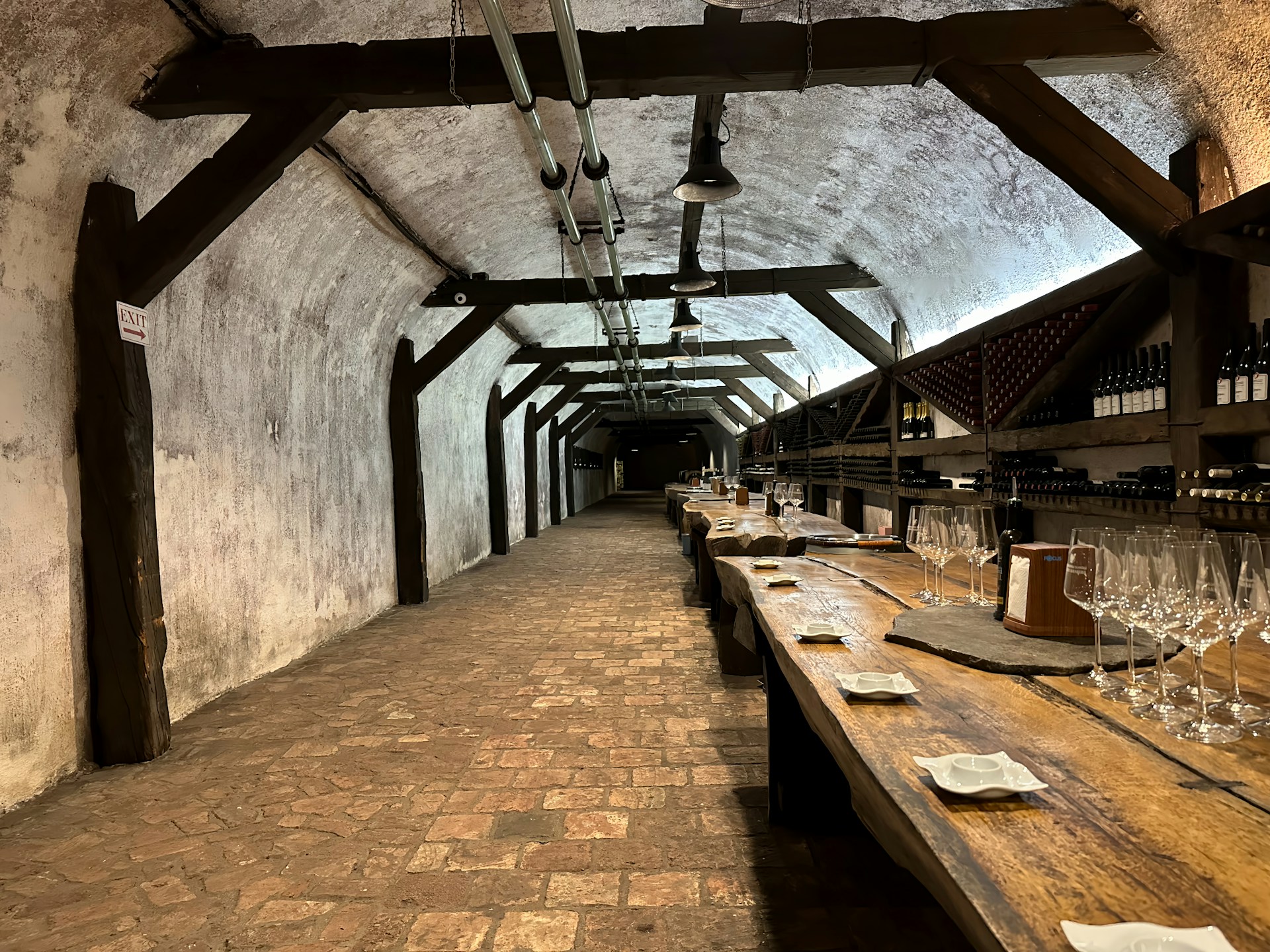
Exclusive wine tasting experience in Cape Town vineyards

Cape Town Wine Tours for Connoisseurs: Rare Wines and Exclusive Tastings

Cape Town offers an enchanting blend of natural beauty and world-class wine experiences, making it a prime destination for wine enthusiasts. For those who have explored the standard wine routes, there is a growing desire to uncover rare vintages and exclusive tasting experiences that go beyond the usual vineyard visits. Cape Town wine tours for connoisseurs cater precisely to this niche, offering curated journeys through some of the region’s most esteemed wineries.

These tours provide more than just a sip of fine wine—they immerse guests in the artistry and history behind every bottle. Small, boutique vineyards often open their doors only to those seeking an in-depth exploration of viticulture and winemaking techniques. Whether you are a seasoned sommelier or an avid enthusiast, the experience allows for a closer connection with winemakers and the passion that drives them.

Beyond wine, these tours often incorporate the region’s gastronomic delights, with gourmet pairings and locally sourced ingredients elevating every tasting. Cape Town wine tours for connoisseurs are not just about drinking wine—they are about cultivating an understanding and appreciation for the craft, culture, and community that surrounds it.

Discovering Hidden Vineyards

For connoisseurs, the appeal of Cape Town wine tours often lies in the off-the-beaten-path vineyards that are not part of conventional itineraries. These hidden gems offer intimate tasting sessions where guests can experience rare varietals. Many of these wineries have small production runs, ensuring that each bottle is crafted with meticulous care.

Visiting these secluded estates also allows for personal interactions with vintners, who share their philosophies on organic practices, barrel aging, and the unique microclimates that influence each grape. Some tours even provide behind-the-scenes access to cellars, blending rooms, and vineyards, giving a rare glimpse into the winemaking process.

  • Boutique wineries often produce wines that are unavailable in mainstream markets.

  • Seasonal harvest tours offer an immersive experience in the vineyard’s rhythm.

  • Tasting sessions frequently include experimental or single-vineyard wines, perfect for collectors.

The Art of Exclusive Tastings

Exclusive tastings elevate the experience beyond traditional wine sampling. On these tours, guests can enjoy small-group sessions with carefully curated flights of rare wines, often accompanied by detailed tasting notes and guided insights. The approach is educational as much as it is indulgent, allowing visitors to refine their palate and develop an understanding of subtleties in aroma, acidity, and body.

Many high-end wine estates incorporate food pairings to enhance the tasting experience. Think artisanal cheeses, charcuterie, and locally grown produce complementing each sip. Such pairings are designed to highlight the wine’s unique characteristics and create a memorable culinary journey.

  • Flights are often themed around a vintage, a grape varietal, or a specific vineyard plot.

  • Sommeliers or winemakers explain the influence of soil, climate, and production techniques.

  • Limited-edition wines can sometimes be purchased directly from the estate, offering a rare collectible.

Personalized and Private Tour Experiences

One of the defining features of connoisseur-level Cape Town wine tours is the level of personalization. Guests can request private tours tailored to their interests, whether focusing on biodynamic practices, rare varietals, or historic estates. Personalized itineraries often include transportation, gourmet meals, and even scenic stops to enjoy the region’s breathtaking landscapes.

Small groups or one-on-one tours ensure that every detail is attended to, from tasting temperature to pouring techniques, offering a refined and luxurious experience. Some tours also incorporate masterclasses, where participants can try blending their own wines under expert guidance, adding an interactive element to the journey.

Pairing Wine with Scenic Adventures

The Western Cape is renowned not just for its wine but also for its dramatic landscapes, and many high-end tours seamlessly integrate these elements. Picture a tasting on a hillside overlooking rolling vineyards, or a picnic among fynbos with the Atlantic Ocean as a backdrop. These moments make each sip of wine more than just a taste—it becomes an experience tied to place, history, and memory.

Outdoor tastings can also include guided walks through the vineyards, exploring the terroir that gives each wine its character. This connection between landscape and flavor is a hallmark of connoisseur-level wine tours and adds a sensory depth that standard tours often miss.

Planning Your Connoisseur Journey

While Cape Town wine tours for casual visitors can be booked on the fly, tours focusing on rare wines and exclusive tastings often require advance planning. Many boutique estates have limited availability, and peak harvest seasons can fill up months in advance.

  1. Research wineries known for unique or rare varietals and contact them directly.

  2. Consider private or semi-private tours for a more personalized experience.

  3. Plan your itinerary around the types of experiences you value most—tastings, gourmet pairings, or immersive vineyard walks.

It’s worth investing time in selecting a tour that aligns with your interests and palate, ensuring an experience that is both indulgent and educational.

Cape Town’s wine region offers a spectrum of experiences, from large commercial estates to intimate boutique vineyards. For those seeking rare vintages and exclusive tasting sessions, connoisseur-level tours provide a rare opportunity to explore the artistry behind the bottles. Each sip, paired with scenic vistas and culinary delights, creates a journey that lingers long after the last pour.
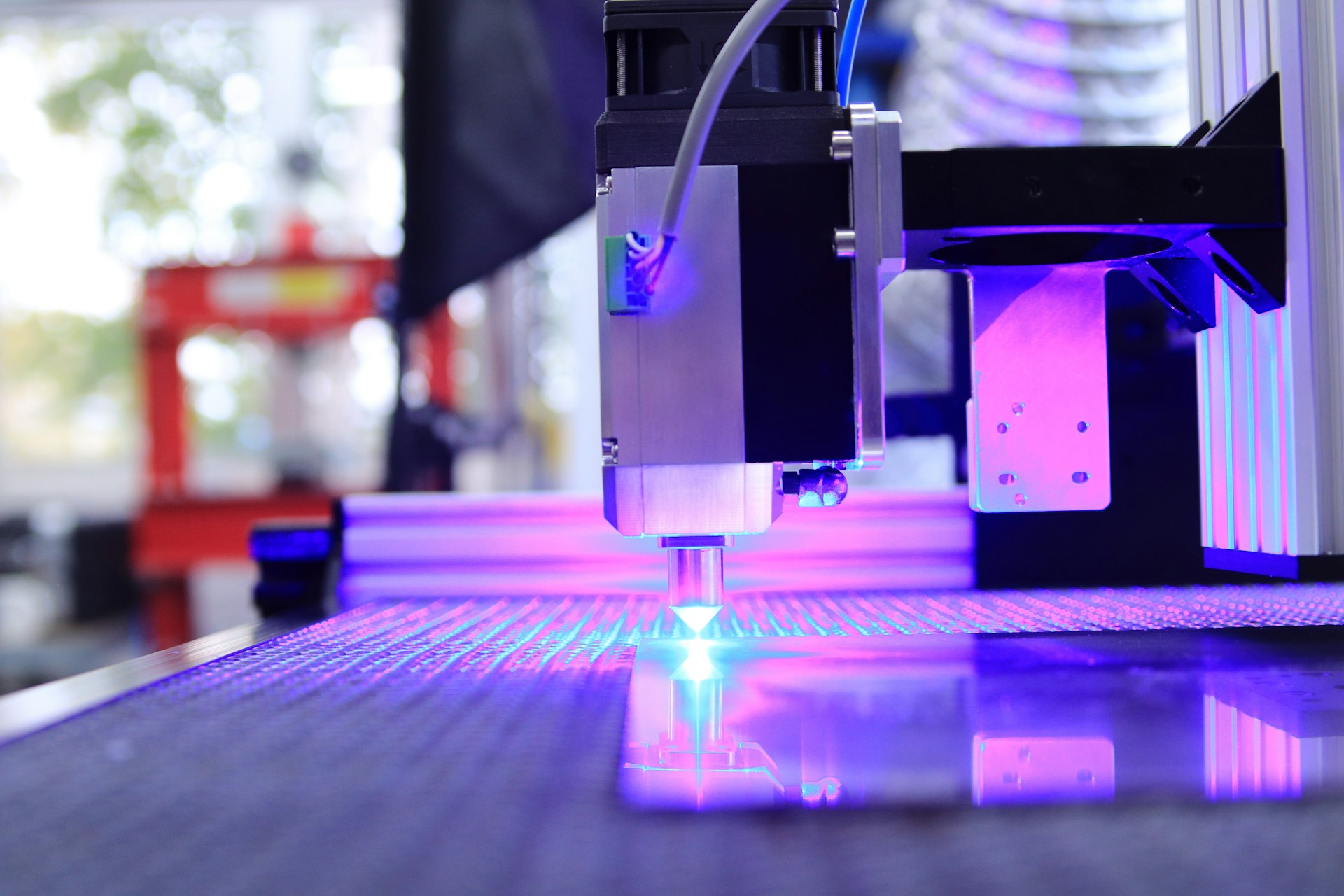
skilled creator assembling a detailed scale model

The New Era of Architectural Models: How 3D Printing Transforms Physical Design

A growing number of architects and designers are turning to new technology to bring concepts to life, and one of the biggest shifts has come from how a model builder now approaches visualisation. Instead of relying solely on manual crafting, professionals can merge craftsmanship with innovation to speed up early-stage design work. This change has allowed more detailed representations to emerge in the early planning phase, helping teams communicate ideas clearly.

Traditional scale models once required hours of cutting, shaping, and refining by hand, but the introduction of 3d printing into the workflow has changed the pace completely. Today, firms can test proportions, experiment with layouts, and refine structural details before committing to final drawings. This evolution has made it easier for a model builder to streamline tricky or repetitive tasks while still maintaining a high level of accuracy and artistic intention.

Creating an architectural model was once a slow, intricate process, often limited by the materials available. With digital tools and advanced fabrication methods, designers can now replicate curves, interiors, textures, and complex patterns in ways that were previously impossible. And as 3d printing continues to advance, it’s opening new creative and practical possibilities for both small and large projects.

Why Technology Has Transformed Physical Design Models

The arrival of additive manufacturing has made precise, reliable replicas far more attainable. Instead of shaping foam, cardboard, or wood by hand, teams can translate digital drawings directly into scaled components. This gives architects the opportunity to see how a concept will behave in real-world space long before construction begins.

Another major benefit is the ability to experiment. When ideas can be printed quickly and adjusted with ease, it encourages designers to try more daring structural elements. Complex rooflines, organic curves, and multi-layered façades become easier to showcase without excessive manual labour, making early visualisation far more dynamic.

In many firms, these tools also help reduce errors. By printing individual sections separately, problems can be spotted early, allowing professionals to fix proportions, alignment, or spacing before committing to full presentations.

How 3D Printing Improves Accuracy and Detail

One of the biggest strengths of additive fabrication is its ability to recreate minute details. Layer-by-layer construction allows tiny elements—such as window frames, decorative trims, stair rails, and façade textures—to appear with remarkable precision. These details were once extremely time-consuming to produce by hand.

To achieve this, many design teams break down a structure into components so the final architectural model shows depth and realism. The process also helps when demonstrating spatial flow, allowing clients to better understand movement between rooms and levels.

In addition, 3d printing enables the use of different materials depending on the effect required. Some sections may be printed with rigid plastics for stability, while more flexible filaments can be used for unusual shapes or unique design features. This flexibility makes each model more expressive and adaptable.

Steps a Model Maker Might Follow

The workflow can vary slightly between firms, but the general stages remain consistent. Many teams follow a structure similar to this:

  1. Translate sketches or CAD drawings into a printable digital format.

  2. Break the project into smaller parts suitable for fabrication.

  3. Print each section using chosen materials and settings.

  4. Assemble, refine, and paint the finished components.

  5. Add landscape, lighting, or surrounding structures if required.

This process gives both architects and clients a tangible representation of the future build, often leading to faster approvals and more confident decision-making.

Benefits for Client Presentations and Approvals

Physical models remain a powerful communication tool, especially when proposals need to be presented to stakeholders who may not interpret floor plans easily. When the structure is displayed in three dimensions, discussions become clearer and more engaging.

Clients can interact with the materials, get a sense of scale, and visualise how different volumes connect. This often leads to more productive feedback sessions, and because alterations can be implemented quickly, revisions no longer stall the project timeline.

Moreover, 3d printing helps firms create multiple display versions for open days, exhibitions, or investment pitches without significantly increasing production costs.

Sustainability and Material Efficiency

The ability to print only what is needed dramatically reduces waste. Laser cutting and hand-shaping often produce offcuts that cannot be reused, but additive processes generate minimal scrap. Environmentally friendly filament options are also becoming more common, allowing firms to reduce ecological impact.

This efficiency is especially useful when producing large or repeated architectural elements. If a model requires numerous identical pieces, each one can be printed consistently without added labour.

The Future of Scaled Architectural Representations

As technology evolves, we can expect even greater realism. Multi-material printers, colour-integrated fabrication, and faster production methods are already entering the industry. These improvements will make the architectural model even more integral to planning, marketing, and problem-solving.

What was once seen as a supplementary tool is now a critical part of the design process. By merging digital innovation with traditional craftsmanship, professionals are finding new ways to express creativity while enhancing accuracy and efficiency.

buy custom gifts

The Ultimate Guide to Custom Gift Ideas with 3D Printing

Personalized gifting has actually handled an entire brand-new level of imagination, thanks to the increase of 3D printing innovation. If you’ve ever had a hard time to discover a unique present that completely matches somebody’s character, utilizing a 3D printing service can be a game-changer. Whether you wish to purchase customized presents for birthdays, anniversaries, or unique turning points, 3D printing uses unlimited possibilities to produce something significant, unforgettable, and distinctive. This post will direct you on how to utilize 3D printing South Africa to produce the very best customized presents for your enjoyed ones.

Why Choose 3D Printing for Custom Gifts?

When you buy custom gifts, you’re not simply buying an item—you’re buying a thoughtful experience. Traditional presents typically do not have the individual touch, however with 3D printing, you can bring your concepts to life with total innovative control. Whether it's a mini reproduction of a preferred animal, a tailored piece of precious jewelry, or a practical device with an unique message etched, the possibilities are almost endless.

3D printing likewise uses the benefit of speed and versatility. Need a present at brief notification? A regional 3D printing service can typically reverse tasks in simply a couple of days, specifically when you offer a ready-made style.

Step 1: Come Up with a Creative Idea

Start by conceptualizing what sort of customized present you wish to produce. Think about the recipient’s pastimes, occupation, or a shared inside joke. Some popular concepts consist of:

  • Personalized keychains or phone holders

  • Custom nameplates or desk devices

  • Figurines or busts based upon images

  • Puzzle boxes with covert messages

  • Custom cookie cutters or cooking area tools

Keep in mind that the very best customized presents are both individual and useful. If the product can be utilized every day or showed happily, it will have more emotional worth.

Step 2: Design or Source a 3D Model

If you're tech-savvy, you can develop your own 3D design utilizing complimentary software application like Tinkercad or Blender. If not, don’t stress—numerous 3D printing company in South Africa can assist with the style procedure or recommend adjustments based upon your concept.

Alternatively, you can browse online repositories like Thingiverse or MyMiniFactory for ready-made 3D designs, much of which are complimentary to utilize. These can be personalized even more to make the present distinct.

Step 3: Choose the Right 3D Printing Service

When choosing a 3D printing service, think about the following:

  • Material choices: PLA, ABS, resin, and even metal or wood-infused filaments are readily available depending upon the printer and your task.

  • Print quality: Check examines or ask to see sample prints.

  • Lead time: Ensure the company can satisfy your due date, specifically throughout holiday.

  • Location: Opt for a regional 3D printing South Africa business to save money on shipping expenses and turn-around time.

Many suppliers likewise provide completing services such as painting, sanding, or putting together multi-part designs, contributing to the last quality of your present.

Step 4: Personalize and Finalize the Details

This is where you include the touches that make your present stick out. Include:

  • The individual’s name or initials

  • An unique date or significant quote

  • Colors that match their choices

  • A practical twist—like a surprise compartment or a magnetic base

These little changes can turn a cool item into a wholehearted treasure.

Step 5: Wrap It Up with a Story

Once your customized present is all set, present it with a note discussing the idea behind it. Tell them why you picked that specific style or how it associates with your shared memories. This psychological layer includes genuine weight to the physical item and makes your present memorable.

Where to Find 3D Printing South Africa Services

If you’re aiming to purchase customized presents through 3D printing in your area, South Africa has a growing variety of quality suppliers. You’ll discover services in cities like Johannesburg, Cape Town, Durban, and Pretoria, providing both online assessments and in-person assistance.

Many business now run totally online, permitting you to submit a style, choose products, and get the completed product delivered to your door.

Giving a custom-made present has to do with more than simply the item—it’s about revealing somebody that you care enough to go above and beyond. With a 3D printing service, you can produce something really unique that lines up with your enjoyed one’s character, enthusiasms, and memories.

Whether you’re brand-new to 3D printing South Africa or currently have an imaginative streak, there’s no much better time to explore this ingenious method to purchase customized presents that leave a long lasting impression. The future of gifting is individual, and 3D printing is blazing a trail.

lightweight concrete blocks South Africa

Top Sustainable Construction Materials South Africa Is Using to Build a Greener Future

As the world grapples with the consequences of climate change and environmental degradation, the construction industry is undergoing a much-needed transformation. One of the most innovative solutions emerging in South Africa is recycled polystyrene concrete, a building material that combines sustainability, performance, and cost-effectiveness. This breakthrough is not only tackling waste management issues but also driving the adoption of eco-friendly building materials South Africa wide.

What Is Recycled Polystyrene Concrete?

Recycled polystyrene concrete is a lightweight concrete mixture that incorporates recycled polystyrene beads—commonly found in packaging waste—into traditional cement mixes. These beads replace natural aggregates like sand and gravel, significantly reducing the overall weight of the concrete while offering excellent insulation properties.

The result is a material that is easier to work with, provides superior energy efficiency, and helps divert waste from landfills. In a country where waste management remains a pressing challenge, recycled polystyrene concrete is a perfect example of how innovation can turn a problem into a solution.

A New Era of Lightweight Building

One of the major advantages of recycled polystyrene concrete is its ability to produce lightweight concrete blocks South Africa builders increasingly prefer. These blocks are ideal for both residential and commercial construction because they are easier to transport and install, reduce labour costs, and speed up project timelines.

Moreover, their lightweight nature doesn’t compromise structural integrity. When engineered correctly, these blocks meet rigorous building standards while offering thermal and acoustic insulation benefits—making them suitable for schools, homes, and commercial spaces alike.

Driving the Demand for Sustainable Construction

The demand for sustainable construction materials South Africa is growing rapidly as both private developers and government projects focus more on environmental impact and energy efficiency. Using recycled polystyrene concrete is a powerful way to meet these goals.

Buildings constructed with this material require less energy for heating and cooling due to its excellent insulating properties. This means lower electricity bills and reduced greenhouse gas emissions over the building’s lifespan—both critical for sustainable development.

As more companies and contractors realise the long-term benefits, recycled polystyrene concrete is becoming a preferred choice in modern construction projects.

Liteconcrete Products: Leading the Innovation

A key player in this green revolution is Liteconcrete products, a South African company at the forefront of manufacturing high-performance building materials using polystyrene concrete. Known for their innovative approach and commitment to sustainability, Liteconcrete products offer a range of solutions that meet modern construction needs while reducing environmental impact.

Their offerings include lightweight concrete blocks South Africa developers can use for walls, insulation, and partitioning—helping to streamline construction and enhance energy efficiency at the same time.

By utilising recycled polystyrene concrete, Liteconcrete products contribute to cleaner production practices and set a benchmark for what sustainable building materials should look like.

Eco-Friendly Building Materials for a Greener Future

The construction industry has long been criticised for its heavy environmental footprint. However, innovations like recycled polystyrene concrete and other eco-friendly building materials South Africa are changing the game.

These materials offer multiple advantages:

  • Lower Embodied Energy: They require less energy to produce compared to traditional concrete.

  • Reduced Waste: They incorporate recycled components, helping to address the growing problem of plastic and construction waste.

  • Improved Energy Efficiency: Buildings made from polystyrene-based concrete need less heating and cooling, which translates into long-term savings.

  • Faster Build Times: Lightweight components are easier to handle, reducing construction time and labour costs.

The Road Ahead for South African Construction

The rise of sustainable construction materials South Africa is more than a trend—it’s a necessary shift in how we think about building. As the country continues to face environmental challenges, the adoption of eco-friendly building materials South Africa will play a crucial role in shaping a more resilient and responsible future.

By supporting local innovators like Liteconcrete products and embracing solutions like recycled polystyrene concrete, South Africa is setting a precedent for other nations to follow. This is not just about building structures—it’s about building a sustainable legacy for future generations.

The integration of recycled polystyrene concrete into mainstream construction is a powerful example of how waste can become a resource. From lightweight concrete blocks South Africa to full-scale building systems, this material is reshaping how we think about the built environment.

As more developers and homeowners prioritise sustainability, the demand for eco-friendly building materials South Africa will only continue to rise. In this new era of green building, recycled materials like polystyrene concrete are not just part of the solution—they are leading the way.

emergency plumbers near me

Plumbing Maintenance 101 for Business Owners: Save Money and Prevent Emergencies

As a company owner, preserving your business residential or commercial property includes more than simply keeping the lights on and the floorings tidy. One of the most essential—yet typically neglected—elements of residential or commercial property maintenance is pipes. A small leakage or obstructed drain can rapidly intensify into a pricey and disruptive concern if not attended to early. That's why having a strong pipes upkeep strategy is necessary for safeguarding your financial investment, preserving operations, and guaranteeing a favorable experience for consumers and personnel.

Why Plumbing Maintenance Matters for Businesses

Commercial pipes systems are normally more intricate and greatly utilized than domestic ones. Restaurants, workplaces, stores, and commercial areas all have special pipes requires based upon day-to-day use, service hours, and market guidelines. Poor pipes upkeep can cause:

  • Water damage and structural concerns

  • Health and security code infractions

  • Unpleasant smells and unhygienic conditions

  • Increased water expenses

  • Emergency repair work and downtime

Preventive upkeep and wise pipes practices can assist you prevent these concerns, conserving your service money and time in the long run.

Regular Inspections: Your First Line of Defense

Routine pipes assessments must become part of your residential or commercial property upkeep list. Hire a certified business plumbing technician to examine your whole system a minimum of as soon as a year. They can recognize early indications of wear, deterioration, leakages, and inadequacies that may otherwise go undetected.

Some warnings to keep an eye out for consist of:

  • Slow-draining pipes sinks or flooring drains pipes

  • Fluctuating water pressure

  • Unexplained spikes in water expenses

  • Discoloration or water discolorations on ceilings and walls

If you find any of these indications, it’s a great concept to get in touch with an expert right now. A fast online look for emergency situation plumbing professionals near me can link you with a certified specialist who can evaluate the scenario before it gets worse.

Upgrade to Commercial-Grade Fixtures

Residential-grade components might not depend on the job in a high-use service environment. Commercial-grade components are created for toughness and effectiveness. Investing in touchless faucets, high-efficiency toilets, and sensor-activated urinals not just conserves water however likewise improves health—a significantly crucial aspect for client trust.

Low-circulation and energy-efficient components can likewise lower energy expenses, which builds up substantially in time for bigger centers.

Establish a Plumbing Emergency Plan

Even with the very best upkeep practices, emergency situations can still occur. A burst pipeline or a drain backup can close down your service for hours or perhaps days. To reduce disturbance, produce a pipes emergency situation strategy that consists of:

  • A list of shut-off valves and directions on how to utilize them

  • Emergency contact information for your favored pipes business

  • Steps to consider various situations (e.g., floods, gas leakages, backflows)

When time is of the essence, browsing emergency plumbers near me is among the fastest methods to get assist on-site. Make sure your personnel likewise understands how to access this details so they can act promptly in your lack.

Keep Grease Traps and Drains Clean

For services in the food and hospitality markets, grease and food waste are continuous pipes difficulties. Failing to tidy grease traps frequently can cause extreme clogs and ecological infractions.

Set a schedule to have grease traps and flooring drains pipes cleaned up expertly. Avoid putting oils, fats, and food particles down the drain—even with a waste disposal unit. Educate personnel on finest practices to avoid accumulation that might lead to nasty smells or pipes downtime.

Backflow Prevention and Water Quality

If your business residential or commercial property utilizes water for drinking, cleansing, or production, water quality is important. Backflow—where polluted water streams backwards into tidy water lines—can trigger severe health threats and legal liabilities.

Installing a backflow avoidance gadget is a wise relocation, specifically in markets like health care, food service, and production. These gadgets must likewise be examined each year by licensed experts to guarantee compliance with regional guidelines.

Partner with a Reliable Plumbing Service

Having a relied on pipes company on speed dial can make a world of distinction. Look for experts with experience in business pipes systems and a credibility for dependability and quick reaction times. When looking for aid in immediate scenarios, typing emergency situation plumbing professionals near me into your internet browser can assist you find 24/7 services in your location.

Consider participating in an upkeep arrangement with your favored plumbing technician. These typically featured set up check-ups, top priority service, and discount rates on emergency situation repair work—perfect for services intending to reduce danger and keep smooth operations.

Your business residential or commercial property is more than simply a business—it's a reflection of your brand name, your professionalism, and your dedication to quality. Investing in proactive pipes upkeep not just safeguards that image however likewise assists you prevent expensive disturbances. From regular assessments and wise upgrades to emergency situation readiness, these pipes pointers will assist keep your service streaming efficiently.

And keep in mind, whether you're handling an emergency situation or preparation preventative care, a fast look for emergency situation plumbing professionals near me will guarantee aid is constantly close at hand.

appliance repairs in Western Cape

Essential Tips for Keeping Your Refrigerator Running Smoothly

In every home, the fridge is a foundation device, working relentlessly to maintain food and preserve freshness. Yet, it’s simple to neglect this important device till it begins revealing indications of problem. Proper refrigerator upkeep is crucial, not simply to guarantee its effective operation however likewise to extend its life-span. Neglecting fundamental maintenance can cause pricey breakdowns and the requirement for device repair work in Western Cape. Here’s why routine refrigerator upkeep is a needs to and how it adds to the durability of your device.

Energy Efficiency and Cost Savings

A properly maintained refrigerator runs more effectively, taking in less energy. Dust and dirt building up on the condenser coils require the device to work more difficult to preserve the wanted temperature level. This increased work not just increases your electrical energy expense however likewise uses down internal elements much faster. Cleaning the coils and guaranteeing sufficient air flow can considerably improve your refrigerator’s performance. Additionally, correct sealing of the door gasket avoids cold air from leaving, lowering the pressure on the compressor. These easy actions can conserve you from the hassle and expenditure of regular device repair work in Western Cape.

Preventing Costly Breakdowns

Fridges are developed to last, however just if they are treated with care. Ignoring uncommon sounds, temperature level changes, or water leakages can cause more serious concerns with time. Regular assessments enable you to recognize and attend to small issues before they intensify. For circumstances, a stopped up defrost drain may appear like a small hassle, however left ignored, it can cause water damage and increased repair work expenses. By watching on your device’s efficiency, you can prevent the requirement for emergency situation device repair work in Western Cape.

Prolonging Appliance Lifespan

The typical fridge is developed to last 10 to 15 years, however incorrect upkeep can considerably minimize this life-span. Components like the compressor, evaporator, and fans need to operate in consistency to make sure smooth operation. Routine cleansing and prompt maintenance aid these parts operate efficiently, lowering the threat of early failure. Investing a little time in upkeep can imply the distinction in between changing your refrigerator in 5 years or enjoying its reputable efficiency for over a years.

Food Safety and Hygiene

A badly preserved fridge can jeopardize food security. If the temperature level inside the refrigerator isn’t constant, disposable products might ruin much faster, causing lose and possible health dangers. Regularly cleaning up the interior, inspecting temperature level settings, and guaranteeing correct air blood circulation are important for keeping your food fresh and safe to take in. Moreover, a tidy refrigerator lessens the threat of mold, germs, and undesirable smells, developing a much healthier environment for you and your household.

Maintenance Tips for Your Fridge

To guarantee your refrigerator remains in leading condition, follow these easy yet efficient upkeep suggestions:

  1. Clean the Condenser Coils: Dust and particles can collect on the coils situated at the back or bottom of your refrigerator. Use a vacuum or a soft brush to clean them every 6 months.
  2. Check the Door Seals: Inspect the rubber gasket around the refrigerator door for fractures or damage. Replace it if needed to preserve an appropriate seal.
  3. Set the Right Temperature: Keep your refrigerator at 3-5°C and your freezer at -18°C for ideal food conservation and energy performance.
  4. Keep It Level: Ensure your refrigerator is put on a level surface area to avoid pressure on the compressor and enable doors to close appropriately.
  5. Defrost Regularly: If your refrigerator doesn’t have an automated defrost function, make certain to by hand thaw it to avoid ice accumulation.
  6. Organize the Contents: Avoid overwhelming your refrigerator, as this limits air blood circulation and impacts cooling performance.

Professional Maintenance Services

While numerous upkeep jobs can be done in the house, some need the knowledge of an expert. Scheduling yearly check-ups with certified service technicians makes sure that any underlying concerns are dealt with immediately. For locals in the location, reputable device repair work in Western Cape offer extensive services to keep your refrigerator running efficiently. From detecting complicated issues to changing damaged elements, specialists make sure that your device stays in peak condition.

The Long-Term Benefits of Maintenance

By focusing on refrigerator upkeep, you’re not simply safeguarding your financial investment however likewise adding to ecological sustainability. A properly maintained refrigerator takes in less energy, lowering your family’s carbon footprint. Additionally, extending the life-span of your device lessens waste and the need for brand-new production, which has its own ecological effect.

Fridge upkeep is a little effort with considerable benefits. From enhancing energy performance to avoiding pricey breakdowns, routine care makes sure that your fridge stays a reliable part of your family for many years to come. Don’t await an issue to occur; take proactive actions today to preserve your device. And if you ever experience concerns beyond your knowledge, bear in mind that relied on appliance repairs in Western Cape are simply a call away. Investing in upkeep is not just a financial investment in your refrigerator however likewise in your comfort.

hotel architects

A Guide to Architectural Specialties and Their Unique Focus Areas

Architecture is a varied and imaginative field that mixes art and science to form the areas we live, work, and play in. While all designers share fundamental training, numerous select to focus on particular niches, refining their abilities to fulfill the distinct needs of specific jobs. One such expertise is that of hotel designers, specialists who create areas accommodating hospitality and visitor experiences. Let’s check out the different designer specializeds, consisting of hotel designers, and what makes each distinct.

1. Residential Architects

Residential designers concentrate on developing homes, varying from single-family homes to extensive estates and multi-unit advancements. Their work focuses on producing areas that fulfill the visual choices and practical requirements of people or households. This specialized frequently includes working together carefully with customers to guarantee their vision is shown in the last style. These designers need to think about elements like energy effectiveness, zoning laws, and long-lasting use to produce comfy and sustainable home.

2. Commercial Architects

Commercial designers style areas for organizations and companies. Their work covers office complex, retail areas, and mixed-use advancements. These designers focus on performance and success, making sure that their styles line up with a company's functional requirements while likewise being aesthetically interesting clients. Key factors to consider consist of foot traffic circulation, lighting, and adherence to brand name identity. Their work frequently converges with other specializeds, such as hotel designers, when developing big business homes with hospitality elements.

3. Landscape Architects

Not all designers concentrate on structures. Landscape designers focus on developing outside areas, such as parks, gardens, and city plazas. Their work highlights consistency in between natural and developed environments, frequently incorporating components like water functions, paths, and green areas to boost the visual and practical worth of outside locations. These designers need to stabilize ecological sustainability with customer requirements, making them crucial gamers in city preparation jobs.

4. Interior Architects

Interior designers concentrate on the style and performance of indoor areas. Unlike interior designers, who mainly handle visual appeals, interior designers deal with the structural and spatial elements of interiors. They think about elements such as lighting, acoustics, and ergonomics to produce areas that are both stunning and useful. This specialized is important in jobs like hotels, where the know-how of hotel architects is matched by interior designers to provide cohesive visitor experiences.

5. Sustainable Architects

As the world ends up being more mindful of ecological obstacles, sustainable designers play a critical function in producing environmentally friendly styles. Their work concentrates on decreasing the ecological effect of structures through energy-efficient styles, usage of sustainable products, and incorporation of green innovations like photovoltaic panels and rainwater harvesting systems. They frequently work together with other specializeds to guarantee sustainability is incorporated throughout all elements of a job.

6. Urban Architects

Urban designers, likewise referred to as city organizers, concentrate on the style and company of cities and neighborhoods. Their work includes producing master strategies for areas, transport systems, and public areas. They goal to boost city living by enhancing ease of access, decreasing blockage, and making sure sustainability. Urban designers need to work together with policymakers, engineers, and other stakeholders to bring their visions to life.

7. Industrial Architects

Industrial designers focus on developing centers for production, warehousing, and circulation. These designers concentrate on performance and effectiveness, making sure that their styles fulfill the functional requirements of commercial procedures. Key factors to consider consist of workflow optimization, security requirements, and compliance with market guidelines. Their styles frequently include big open areas, robust structural components, and simple gain access to for heavy equipment.

8. Hotel Architects

Among the numerous architectural specializeds, hotel designers stick out for their capability to craft areas that focus on visitor convenience, functional effectiveness, and visual appeal. Their work frequently includes developing grand lobbies, glamorous suites, and modern features that deal with varied tourists. Hotel designers need to likewise stabilize visual appeals with performance, making sure that their styles accommodate whatever from high visitor traffic to energy effectiveness.

For circumstances, the design of a hotel need to think about optimum space positioning to take full advantage of views while decreasing sound. Additionally, hotel designers frequently incorporate ingenious functions like clever space controls and sustainable products to boost visitor experiences and fulfill contemporary needs.

9. Restoration Architects

Restoration designers focus on maintaining and bring back historic structures. Their work includes preserving the stability of structures while adjusting them for contemporary usage. This needs a deep understanding of architectural history, products, and building methods. Restoration designers frequently work together with historians and preservation specialists to guarantee their jobs honor the initial style while satisfying modern requirements.

10. Healthcare Architects

Healthcare designers style medical facilities, centers, and medical research study centers. Their work highlights performance, security, and convenience for both clients and personnel. These designers need to think about elements like infection control, ease of access, and effective workflows to produce areas that support health and wellness. Specialized understanding of medical devices and regulative requirements is important in this field.

The architectural occupation is abundant with chances for expertise, each offering distinct obstacles and benefits. From domestic and business designers to specialized fields like hotel designers, each plays a crucial function in forming the world we reside in. By comprehending the subtleties of these specializeds, customers can select the best specialist for their particular requirements, making sure that their jobs are brought to life with know-how and imagination.

firewood in Cape Town

Firewood in Cape Town vs. Charcoal: Which is Best for Your Braai?

When it comes to braaing, the choice between wood and charcoal can significantly impact your grilling experience. While both options have their merits, understanding their differences can help you make an informed decision. This article explores the nuances of braaing with wood and charcoal, focusing on aspects such as flavor, heat control, and convenience. Whether you’re a seasoned braai master or a novice, this guide will help you choose the best fuel for your next cookout.

The Flavor Profile: Wood vs. Charcoal

One of the most compelling reasons to choose firewood in Cape Town for your braai is the rich, smoky flavor it imparts to the food. Different types of fire wood, such as oak, hickory, and maple, offer distinct aromas and tastes. This variety allows you to experiment and find the perfect match for your meats and vegetables. Firewood Cape Town enthusiasts often swear by the unique taste that only wood can provide, making it a favorite for traditionalists.

Charcoal, on the other hand, produces a more neutral flavor. While it can add a slight smokiness, it lacks the complexity of wood. However, many people appreciate the consistency of charcoal, which allows the natural flavors of the food to shine through. For those who prefer a subtler taste, charcoal can be a great choice.

Heat Control and Cooking Experience

Another key factor to consider is heat control. Firewood offers excellent heat but can be challenging to manage due to its inconsistency. The size and type of wood, as well as its moisture content, can affect how evenly it burns. This can be both a pro and a con: while it provides the opportunity for high heat and searing, it requires constant attention to maintain a steady temperature.

Charcoal, particularly in the form of briquettes, provides a more uniform heat source. It ignites quickly and burns consistently, making it easier to control the cooking temperature. This reliability is one reason why many people opt for charcoal, especially for longer cooking sessions or when preparing delicate items that require precise heat.

Convenience and Availability

When considering what fuel to use, convenience is a significant factor. Firewood places near me often offer a variety of wood types, but the process of selecting, storing, and preparing the wood can be time-consuming. Additionally, sourcing quality bulk firewood can sometimes be a challenge, especially in urban areas. However, the effort can be worth it for those who relish the authentic braaing experience.

Charcoal is readily available in most supermarkets and convenience stores. It’s easy to transport, store, and use, making it a practical option for many braai enthusiasts. The convenience of charcoal is particularly appealing for those who want a quick and straightforward grilling experience without the need for extensive preparation.

Environmental Impact

The environmental impact of your braaing choice is another consideration. Firewood, when sourced sustainably, can be a more environmentally friendly option. Using local firewood in Cape Town helps reduce the carbon footprint associated with transportation. Moreover, firewood is a renewable resource if harvested responsibly.

Charcoal production, however, often involves deforestation and the release of greenhouse gases. While there are eco-friendly charcoal options available, they can be harder to find and more expensive. If environmental concerns are a priority for you, seeking out sustainably sourced fire wood might be the better choice.

Cost Considerations

Cost is always a factor in deciding between firewood and charcoal. Firewood can be more economical if purchased in bulk. Bulk firewood often offers better value, especially if you have storage space and braai frequently. However, the initial investment can be higher due to the need for proper storage solutions and potential delivery costs.

Charcoal, while generally more expensive per use, offers the convenience of buying in smaller quantities. This can be advantageous if you braai infrequently or have limited storage space. The cost difference can be a deciding factor for many, depending on their specific needs and usage patterns.

In conclusion, both firewood and charcoal have their distinct advantages and drawbacks. The choice between the two ultimately depends on your priorities, whether they be flavor, heat control, convenience, environmental impact, or cost. Firewood in Cape Town provides a traditional, flavorful experience that many purists prefer, while charcoal offers ease of use and consistent results.

By considering these factors and understanding the unique benefits of each option, you can make an informed decision that enhances your braaing experience. Whether you opt for the rich aromas of firewood or the practicality of charcoal, the key is to enjoy the process and savor the delicious results of your efforts.