
Legal and municipal requirements for successful property rezoning approval

Legal and Municipal Requirements for Rezoning Property Successfully

Land development in South Africa is closely regulated to ensure that urban growth remains structured, sustainable, and aligned with public interest. Whether for residential expansion, commercial redevelopment, or mixed-use projects, understanding how planning systems operate is essential before making any property changes.

One of the most important considerations for landowners and developers is how zoning laws influence what can and cannot be built on a site. These rules are not static and can be changed through formal municipal processes, but only under strict legal conditions.

Before submitting any application, it is critical to understand how the process works and what authorities expect when assessing a request for changing land use rights. A well-prepared approach can significantly improve the chances of approval, while incomplete submissions often result in delays or refusals, particularly when dealing with rezoning property requests.

Understanding municipal land use control systems

Municipal planning systems exist to regulate how land is developed and used within a specific jurisdiction. These systems are guided by national legislation, municipal zoning schemes, and spatial development frameworks that aim to balance growth with environmental and social needs.

In practice, zoning determines whether land is designated for residential, commercial, agricultural, industrial, or mixed-use purposes. Any deviation from the approved zoning requires formal approval through a structured application process reviewed by local authorities, such as planning departments within municipalities.

In cities like Cape Town, land use management is particularly detailed due to rapid urban growth and competing development pressures. Applicants are expected to demonstrate that proposed changes align with long-term planning goals and will not negatively impact surrounding communities.

A successful application is not simply about requesting a change; it is about proving compatibility with broader municipal strategies, infrastructure capacity, and environmental considerations.

Legal framework governing land use changes

The legal foundation for land use change applications is rooted in national and municipal legislation. These laws define what information must be submitted, how applications are assessed, and what criteria must be met before approval is granted.

The following steps typically form part of the formal legal process:

  1. Pre-application consultation with municipal planning officials to confirm requirements and identify potential constraints
  2. Appointment of a qualified land use or town planning professional to prepare documentation and motivation reports
  3. Submission of a formal application with supporting drawings, site plans, and land use motivation statements
  4. Public participation process, where affected parties are notified and allowed to comment or object
  5. Assessment by municipal planning committees, considering spatial policies and legal compliance
  6. Final decision issued by the authorized municipal decision-making body
  7. Appeal period, where applicable, if the application is refused or conditions are disputed

Each stage must be handled carefully, as missing documentation or procedural errors can invalidate the application or delay approval significantly.

At this stage, many applicants underestimate the complexity involved in rezoning property processes, particularly the need for alignment between legal requirements and spatial planning objectives. The outcome is heavily influenced by how well the application is prepared and justified.

Municipal approval considerations and planning alignment

Municipal authorities evaluate applications based on several key factors that go beyond simple land ownership rights. These include infrastructure capacity, traffic impact, environmental sensitivity, and compatibility with surrounding land uses.

Planning officials assess whether the proposed development supports integrated urban growth and whether it aligns with approved spatial development frameworks. If an application conflicts with these policies, it is unlikely to succeed without substantial justification or redesign.

In many cases, applicants seek professional assistance to ensure compliance with technical requirements and to strengthen the motivation behind the proposal. This is particularly important when dealing with complex land parcels or sensitive areas where development pressure is high.

A well-prepared submission for rezoning property is typically supported by detailed planning reports, environmental assessments (where required), and clear explanations of public benefit or economic value.

Common compliance risks and procedural challenges

Although the process is clearly defined, many applications face challenges due to avoidable mistakes or insufficient preparation. Understanding these risks can improve the likelihood of a successful outcome.

Common issues include:

  • Incomplete or inaccurate application documentation submitted to the municipality
  • Failure to engage with surrounding property owners during the public participation process
  • Misalignment between the proposed development and municipal spatial planning frameworks
  • Overlooking environmental regulations or heritage restrictions that apply to the site
  • Underestimating infrastructure limitations such as water, sewage, or road access capacity
  • Submitting applications without professional planning input or technical reports

These challenges can lead to delays, additional information requests, or outright refusals. In some cases, applicants must restart the process entirely, resulting in significant time and financial loss.

Proper due diligence is therefore essential before proceeding with any land use change request, especially where rezoning property is involved in high-density or strategically important areas.

Strategic planning and improving approval outcomes

Successful land use applications are typically the result of careful preparation, professional input, and strong alignment with municipal objectives. Authorities are more likely to approve proposals that demonstrate clear public benefit, efficient land use, and minimal disruption to surrounding areas.

Engaging early with municipal officials can help identify potential issues before submission. This allows applicants to adjust proposals in advance, reducing the likelihood of rejection later in the process.

It is also important to consider long-term implications rather than focusing solely on immediate development goals. Well-planned projects contribute to sustainable urban growth and are viewed more favourably during assessment.

Applicants who approach rezoning property strategically, with a clear understanding of legal frameworks and planning expectations, generally experience smoother approval processes and fewer administrative setbacks.

Ultimately, land use change is not just a procedural exercise but a structured evaluation of how land fits into the broader urban environment. Careful preparation, regulatory awareness, and professional guidance remain key factors in achieving successful outcomes.


Digital signage strategies improving customer engagement in retail environments

Digital Signage Strategies That Actually Increase Customer Engagement

Customer attention is becoming increasingly fragmented, and businesses are competing not just with direct competitors but with every screen in a customer’s environment. In this landscape, digital signage has evolved into a powerful communication tool that can influence behaviour, guide decisions, and enhance brand perception when used strategically.

However, simply displaying content on screens is no longer enough. Audiences expect relevance, timing, and clarity. Poorly designed messaging can easily be ignored, while well-planned visual communication can meaningfully improve engagement and in-store experience.

The difference often comes down to strategy rather than technology alone. Understanding how to structure content, design visuals, and measure outcomes is essential for organisations aiming to improve customer interaction in physical and hybrid environments.

Core Engagement Foundations That Drive Results

Before diving into advanced techniques, it is important to understand the structural principles that underpin effective screen-based communication. Many businesses overlook these fundamentals, which leads to inconsistent results.

  1. Define a clear engagement objective for each screen or location
  2. Segment audiences based on context, time, or behaviour
  3. Align messaging with physical environment and customer journey
  4. Prioritise readability and visual hierarchy over complexity
  5. Ensure content updates are scheduled and consistent

Each of these steps may seem simple on its own, but together they form the backbone of effective in-store communication systems.

A common mistake is treating all screens the same. In reality, a screen at a reception area serves a different purpose from one placed near a point-of-sale counter. Context matters more than volume of content.

Another overlooked aspect is timing. Messages delivered at the wrong moment are often ignored, regardless of quality. Consistency in delivery builds recognition and trust over time.

Design Principles That Capture Attention

Visual design plays a critical role in whether audiences engage or disengage within seconds. High-performing systems rely on clarity, contrast, and movement rather than overcrowded layouts or excessive messaging.

Typography should be bold enough to read at a distance, while colour contrast must support visibility under different lighting conditions. Subtle animation can guide attention, but excessive motion often creates cognitive overload.

When designing content for screens in retail or service environments, simplicity is not a limitation—it is an advantage. A focused message will always outperform a cluttered one.

At this stage, many organisations begin experimenting with formats, but consistency remains key. The effectiveness of digital signage improves significantly when design templates are standardised across locations.

A practical example of this is using a single visual framework that adapts messaging without changing structural design. This reduces cognitive effort for viewers and strengthens brand recognition.

It is also important to avoid over-reliance on static content. Movement should be intentional and purposeful, not decorative.

Content Strategy and Behavioural Alignment

Effective engagement is not only about what is shown, but why it is shown. Content should reflect user intent and behavioural patterns within a specific environment.

For example, customers waiting in a queue are more receptive to short, informative messages than long promotional narratives. Meanwhile, waiting areas allow for slightly more detailed storytelling.

This is where behavioural mapping becomes essential. Understanding how long people typically remain in a space allows content to be tailored accordingly.

Relevance is the strongest driver of attention. If content feels disconnected from the customer’s immediate context, it will likely be ignored within seconds.

Tone also plays a role. Informational messaging should remain neutral and clear, while promotional content should be subtle and value-driven rather than aggressive.

In many cases, organisations underestimate how quickly audiences filter irrelevant stimuli. Even well-produced visuals can fail if they do not match intent or timing.

Design Consistency and Environmental Integration

A strong engagement system must integrate seamlessly into its physical surroundings. Screens should feel like part of the environment rather than external interruptions.

Lighting, placement, and viewing angles all influence effectiveness. A poorly positioned display can undermine even the most compelling content.

Consistency across multiple locations is also critical. When audiences encounter familiar formats, they are more likely to process information quickly and confidently.

It is not uncommon for organisations to overlook environmental factors in favour of content creation alone. However, both elements must work together to achieve meaningful outcomes.

Subtle repetition of design elements helps reinforce messaging without overwhelming viewers. Over time, this builds familiarity and improves retention.

Measuring Engagement and Optimising Performance

Without measurement, even well-designed systems operate on assumption rather than insight. Tracking performance allows organisations to refine messaging and improve effectiveness over time.

Key performance indicators might include dwell time, interaction rates, or conversion-related behaviours depending on the environment.

It is also important to evaluate content rotation frequency. Too much repetition can lead to audience fatigue, while too little consistency may reduce message recognition.

Below are common indicators used to assess engagement quality:

  • Average viewing duration per screen or zone
  • Interaction rates where touch or response systems are used
  • Conversion lift in nearby transactional areas
  • Content recall based on customer feedback
  • Frequency of repeat engagement over time

These metrics should not be viewed in isolation. Patterns across multiple indicators provide a more reliable understanding of performance.

One of the challenges in this space is separating correlation from causation. Just because engagement increases does not always mean content alone is responsible.

Careful testing and iteration are essential. Small adjustments to layout, timing, or messaging can produce significant differences in outcomes.

Common Pitfalls and Strategic Improvements

Even well-funded implementations can underperform when strategy is unclear. One of the most frequent issues is content overload, where too much information is displayed at once.

Another issue is lack of audience segmentation. Treating all viewers as a single group reduces relevance and weakens impact.

Technical maintenance is also often underestimated. Screens that are not regularly updated or monitored can quickly lose effectiveness and credibility.

There is also a tendency to focus heavily on visual appeal while neglecting message clarity. While aesthetics are important, they should never compromise comprehension.

A final consideration is adaptability. Environments change, and communication systems must evolve accordingly to remain effective.

Improving outcomes typically involves a combination of refinement and discipline:

  • Regularly review content performance data and adjust accordingly
  • Simplify messaging to focus on one key idea per visual frame
  • Align content schedules with peak audience presence times
  • Standardise templates while allowing controlled variation
  • Conduct periodic audits of screen placement and visibility

When these practices are applied consistently, engagement tends to improve gradually but sustainably.

Over time, organisations that treat screen-based communication as a strategic system rather than a static tool are better positioned to influence behaviour and improve customer experience. In this sense, effective use of digital signage becomes less about display technology and more about understanding people, context, and timing in a structured way.

Understanding waste removal service costs in Cape Town

The Real Cost of Waste Removal Services in Cape Town

The cost of keeping a property clean and free from waste is something many homeowners and businesses underestimate until they need the service. Whether it’s after a renovation, a garden clean-up, or routine disposal, understanding what you’re actually paying for can make a significant difference in how you budget and plan. In cities where demand is high and regulations are strict, pricing can vary more than expected.

In a growing urban environment, managing waste responsibly is not just about convenience. It involves logistics, labour, compliance, and environmental considerations. Many people searching for waste removal Cape Town services are initially drawn to the lowest price, but that approach often overlooks the full picture.

To make informed decisions, it’s important to break down the real cost components behind these services. This allows you to compare quotes properly, avoid hidden fees, and ensure you’re getting both value and reliability rather than just a quick fix.

What Influences the Price of Waste Removal Services

Pricing is rarely a flat rate because waste removal involves several moving parts. The type of waste is one of the biggest cost drivers. General household waste is usually cheaper to remove than construction debris, hazardous materials, or bulky items like furniture and appliances.

Volume also plays a key role. Most service providers charge based on how much waste needs to be collected, often measured in cubic metres or truckload capacity. A small garden clean-up will naturally cost less than clearing out an entire property or construction site.

Accessibility is another factor that can affect pricing. If waste is easy to access and load, the job is quicker and requires less labour. However, properties with limited access, stairs, or tight spaces may increase the time and effort required, which is often reflected in the final cost.

Labour and Equipment Costs Explained

Behind every waste removal job is a team of workers and specialised equipment. Labour costs include the time it takes to load, transport, and dispose of the waste. This is especially relevant for heavier or more complex jobs that require additional manpower.

Vehicles and fuel also contribute to pricing. Trucks must be maintained, fuelled, and operated efficiently, particularly when covering longer distances. Rising fuel costs can have a direct impact on service rates, especially in areas that are further from disposal facilities.

In some cases, specialised equipment may be needed. This could include compactors, lifting tools, or protective gear for handling certain types of waste. These added requirements can increase the overall cost but are necessary for safe and compliant operations.

Disposal Fees and Environmental Compliance

One of the most overlooked aspects of waste removal pricing is disposal. Waste does not simply disappear after collection. It must be transported to designated facilities where it is sorted, processed, or disposed of according to local regulations.

Disposal sites often charge tipping fees based on the type and weight of the waste. Hazardous materials, for example, are more expensive to process due to the strict handling requirements involved. These costs are typically included in your quote but may not always be clearly itemised.

Environmental compliance is another critical factor. Reputable service providers follow regulations to ensure waste is handled responsibly. This includes recycling where possible and avoiding illegal dumping, which can carry heavy fines. While compliant services may cost slightly more, they protect you from potential legal and environmental risks.

Hidden Costs to Watch Out For

Not all quotes are as straightforward as they seem. Some providers may advertise low base rates but exclude additional charges that only become apparent later. This can lead to unexpected expenses that quickly push the total cost higher than anticipated.

Common hidden costs include extra charges for overweight loads, extended labour time, or specific types of waste that require special handling. Travel fees may also apply if your location falls outside a standard service area.

To avoid surprises, always ask for a detailed breakdown of what is included in the quote. Transparency is a strong indicator of a professional and trustworthy service provider.

Comparing Value Instead of Just Price

Choosing a waste removal service based solely on the lowest price can be misleading. A cheaper option may cut corners, lack proper licensing, or fail to dispose of waste responsibly. This can create more problems in the long run, including environmental harm or potential fines.

Instead, focus on overall value. This includes reliability, professionalism, and adherence to regulations. A slightly higher upfront cost can often translate into better service, faster turnaround times, and peace of mind.

Customer reviews and reputation also play a role in assessing value. Consistent positive feedback usually indicates a provider that delivers on its promises and handles waste responsibly.

When Waste Removal Becomes More Expensive

Certain situations naturally lead to higher costs. Emergency or same-day services often come at a premium due to the urgency and scheduling adjustments required. Similarly, large-scale projects like construction clean-ups involve more resources and coordination.

Seasonal demand can also affect pricing. Periods of increased activity, such as after major storms or during peak renovation seasons, may lead to higher rates due to limited availability.

Another factor is the type of client. Commercial projects often require ongoing services, compliance documentation, and stricter timelines, all of which can influence pricing structures compared to once-off residential jobs.

How to Reduce Your Waste Removal Costs

While some costs are unavoidable, there are ways to manage and potentially reduce your expenses. Planning ahead is one of the most effective strategies. Booking in advance allows you to avoid rush fees and secure better rates.

Sorting your waste can also make a difference. Separating recyclable materials from general waste may reduce disposal fees and improve efficiency during collection. This is particularly useful for larger projects where waste types vary.

Being clear about the scope of the job helps prevent misunderstandings and additional charges. Accurate information allows service providers to quote more precisely and allocate the right resources from the start.

Key Takeaways Before Hiring a Service

Before committing to a provider, it’s important to evaluate all aspects of the service rather than focusing on a single factor. The real cost goes beyond the initial quote and includes quality, compliance, and long-term impact.

Keep the following points in mind when comparing options:

  • Always request a detailed, itemised quote
  • Confirm what types of waste are included in the price
  • Check for proper licensing and compliance with local regulations
  • Consider the provider’s reputation and customer feedback
  • Avoid deals that seem unusually cheap without clear explanations

Understanding the full scope of what goes into pricing helps you make smarter decisions. When looking at waste removal in Cape Town, taking a balanced approach ensures you get reliable service without unnecessary expenses, while also contributing to responsible waste management in your community.

free invoice generator features for SARS compliance

Free Invoice Generator South Africa: Key Features to Ensure SARS Compliance

A reliable invoicing process is essential for any business operating in South Africa, especially when tax obligations and regulatory requirements must be met. Choosing the right tools can significantly reduce administrative errors while improving financial record-keeping and audit readiness. For many small businesses, freelancers, and growing enterprises, a digital solution becomes the most practical approach to staying organised.

One of the most important considerations is ensuring that invoicing practices align with SARS expectations. A properly structured invoice supports accurate VAT reporting, income tracking, and compliance with legal requirements. Using a well-designed system also helps avoid inconsistencies that could lead to penalties or delays during audits.

Digital invoicing tools have evolved to include features that go beyond basic billing. Today, businesses can generate, store, and manage invoices efficiently while maintaining compliance standards. Selecting the right solution, particularly a free invoice generator South Africa based businesses can rely on, involves understanding which features directly support regulatory adherence and operational efficiency.

Understanding SARS Invoice Requirements

SARS has specific guidelines that govern what must appear on a valid tax invoice. These requirements ensure transparency in transactions and accurate tax reporting. Any invoicing system used in South Africa must accommodate these elements to avoid compliance issues.

A compliant invoice typically includes essential details such as the supplier’s registered business name, VAT number where applicable, and physical or registered address. Customer details are also required, along with a unique invoice number and the date of issue. A clear description of goods or services provided must be included, alongside quantities and pricing.

In addition, VAT must be clearly indicated when applicable. This includes the VAT rate applied, the amount of VAT charged, and the total amount inclusive of VAT. Proper formatting ensures that invoices can be easily interpreted by both clients and tax authorities.

Using a free invoice generator South Africa businesses trust can simplify this process by automatically structuring invoices according to these requirements. This reduces the risk of missing critical fields and helps maintain consistency across all billing documents.

Core Features That Support Compliance

A compliant invoicing system should include built-in features that align with SARS regulations. Automation plays a key role in minimizing manual errors while ensuring that invoices remain standardized.

One of the most important features is customizable templates that include all mandatory fields. These templates should allow users to input business registration details, VAT numbers, and other relevant identifiers without needing to redesign invoices from scratch.

Another essential capability is automatic numbering. Each invoice must have a unique identifier, and a system that generates sequential numbers helps maintain proper records. This also simplifies tracking and auditing.

VAT calculation functionality is equally important. The system should be able to apply the correct VAT rate and calculate totals accurately without manual intervention. This reduces the likelihood of miscalculations that could affect tax submissions.

A reliable free invoice generator South Africa users adopt will often include these features as part of its core functionality. When evaluating options, businesses should ensure that compliance-oriented elements are not limited or hidden behind unnecessary complexity.

Data Accuracy and Error Reduction

Accuracy in invoicing is critical for both financial management and tax compliance. Errors in invoices can lead to discrepancies in accounting records, which may complicate audits or tax filings.

Automation helps reduce human error by standardizing data entry and calculations. When details such as client information, pricing, and tax rates are preconfigured or stored within the system, the likelihood of inconsistencies decreases significantly.

Another important aspect is validation checks. A well-designed invoicing tool should prompt users when required fields are missing or incorrectly formatted. This helps prevent incomplete invoices from being issued.

Consistency in invoice formatting also contributes to clarity. Clients should be able to easily understand the document without confusion regarding totals, taxes, or service descriptions. A structured layout improves readability and supports professional communication.

Record Keeping and Audit Readiness

Maintaining proper records is a fundamental part of financial compliance. SARS may require businesses to produce historical invoices during audits or assessments, making organized storage essential.

Digital invoicing systems typically store invoices in a centralized database, allowing users to retrieve documents quickly. This eliminates the need for manual filing systems, which can be time-consuming and prone to loss or damage.

Effective record-keeping systems often include search and filtering capabilities. These allow users to locate invoices by date, client name, or invoice number. Such functionality is particularly useful when managing large volumes of transactions.

For businesses using a free invoice generator South Africa providers offer, it is important to confirm that stored data can be exported or backed up. This ensures continuity in case of system changes or data recovery needs.

Security and Data Protection Considerations

Invoice data contains sensitive business and client information, making security a critical factor when selecting a system. Protecting this data helps maintain trust and reduces the risk of unauthorized access.

Encryption is a key feature that safeguards data both in transit and at rest. Secure systems use encryption protocols to prevent interception of information during transmission between devices and servers.

Access control is another important element. Users should be able to define permissions, ensuring that only authorized personnel can view or modify financial records. This is particularly relevant for businesses with multiple employees handling invoicing.

Regular backups are also essential. In the event of technical failure or data loss, backups allow businesses to restore their records without significant disruption. A dependable invoicing tool will typically include automated backup processes.

Usability and Workflow Efficiency

Ease of use plays a significant role in the effectiveness of an invoicing system. A complex interface can slow down operations and increase the likelihood of mistakes.

An intuitive dashboard allows users to create, edit, and send invoices quickly. Clear navigation and logical layout design contribute to a smoother workflow, especially for users who may not have technical expertise.

Customization options also enhance usability. Businesses often require invoices that reflect their branding, including logos and consistent formatting. A flexible system allows for these adjustments without compromising compliance requirements.

To improve efficiency, many tools include reusable client profiles and product or service lists. This reduces repetitive data entry and speeds up invoice creation. When combined with automation, these features help streamline day-to-day operations.

Integration with Accounting and Business Systems

Integration capabilities are valuable for businesses that use multiple software tools. Connecting invoicing systems with accounting platforms ensures that financial data remains synchronized across systems.

This integration reduces the need for manual data entry between systems, lowering the risk of duplication or inconsistencies. It also enables real-time updates to financial records, improving visibility into cash flow and outstanding payments.

Some systems may also integrate with payment gateways, allowing clients to pay invoices directly through the invoice itself. This can improve payment turnaround times and simplify reconciliation processes.

A free invoice generator South Africa businesses rely on may offer limited integration features, so it is important to assess whether the available options align with existing workflows and tools.

Practical Features That Improve Daily Operations

Beyond compliance, invoicing tools should support practical business needs. Features that improve efficiency and organization can have a meaningful impact on productivity.

Common useful features include:

  • Recurring invoice scheduling for ongoing services
  • Client management tools for storing contact and billing details
  • Invoice status tracking to monitor payments
  • PDF export options for sharing standardized documents
  • Multi-currency support for businesses dealing with international clients

These features help businesses manage invoicing tasks with minimal friction while maintaining a professional standard. When combined with compliance-focused functionality, they create a comprehensive solution for financial administration.

Choosing the Right Invoicing Approach

Selecting an invoicing system requires balancing compliance, usability, and scalability. Businesses should evaluate whether the tool supports SARS requirements while also meeting operational needs.

A free solution can be an effective starting point, particularly for small businesses and startups. However, it is important to confirm that the system includes all necessary compliance features and does not compromise on data security or accuracy.

Scalability should also be considered. As a business grows, invoicing needs may become more complex, requiring additional features such as advanced reporting, integration capabilities, or multi-user access.

A well-chosen free invoice generator South Africa based businesses implement can serve as a reliable foundation for financial management. When selected carefully, it supports compliance while enabling efficient and organized billing processes.

Ultimately, the goal is to maintain accurate records, meet regulatory obligations, and ensure smooth financial operations without unnecessary administrative burden.

Couple watching TV after DStv Explora installation

Everything You Need to Know Before Booking a DStv Explora Installation

Booking a new decoder setup is not something most homeowners do often. Yet when the time comes, the decisions you make can affect your viewing experience for years. Modern satellite television systems are more advanced than many people realize. Signal quality, cabling standards, smart LNB compatibility, and proper configuration all matter.

Before committing to a DStv Explora installation, it is essential to understand what the process involves, what equipment is required, and how to ensure the job is done correctly and safely.

Understanding How the DStv Explora Works

The DStv Explora is not just a standard decoder. It is a Personal Video Recorder (PVR) designed to allow recording, pausing live TV, and accessing Catch Up services. Unlike older single-view decoders, it typically requires a Smart LNB or compatible multiswitch setup to unlock full functionality.

This means installation is more technical than simply mounting a satellite dish and connecting a cable. Signal splitting, correct frequency band allocation, and precise dish alignment are critical for optimal performance.

If these technical aspects are handled incorrectly, users may experience:

  • Signal loss during bad weather

  • Recording failures

  • Decoder reboot loops

  • Incomplete channel access

Because of this complexity, working with a trained and accredited installer is strongly recommended.

What Equipment Is Required

Before scheduling your appointment, confirm which components are included in your package and which may require upgrades.

A typical setup includes:

  1. Satellite dish (properly sized and aligned)

  2. Smart LNB compatible with Explora

  3. Approved coaxial cabling

  4. Wall brackets and mounting hardware

  5. The Explora decoder itself

In some homes, existing infrastructure can be reused. However, older LNBs or degraded cabling may not support full functionality. Installers often need to replace outdated components to ensure reliable signal strength and long-term stability.

If you live in a complex or sectional title property, you may also need permission from the body corporate before external installations are done.

Choosing a Qualified Installer

Satellite systems require technical precision. Improper alignment of even a few millimeters can reduce signal quality dramatically.

When selecting a technician, look for the following:

  1. Accreditation and registration with Multichoice

  2. Clear, written quotations

  3. Transparent explanation of equipment used

  4. Warranty on workmanship

  5. Positive client feedback

Avoid choosing purely based on price. Extremely low quotes may exclude essential components such as upgraded LNBs or high-quality cabling.

A reputable installer will inspect your property beforehand, evaluate signal line of sight, and explain whether roof mounting, wall mounting, or pole installation is most appropriate.

Site Assessment and Signal Positioning

One of the most overlooked aspects of a DStv Explora installation involves site evaluation. Satellite dishes require an unobstructed line of sight to the satellite. Trees, neighboring buildings, and even future construction plans can affect placement decisions.

An experienced technician will:

  • Test signal strength before final mounting

  • Ensure the dish is securely fixed to prevent wind damage

  • Route cabling neatly and safely

  • Seal entry points to prevent water leaks

Poor sealing around cable entry points can lead to water ingress, which may cause structural damage or electrical issues over time.

Understanding Costs and Avoiding Hidden Fees

Many homeowners underestimate the total cost of installation. The advertised decoder price often does not include mounting brackets, extra cabling, or signal boosters if required.

Before confirming your booking, ask for a breakdown that includes:

  1. Equipment costs

  2. Labour charges

  3. Call-out fees

  4. Any additional hardware required

  5. Warranty coverage details

Transparent pricing protects you from unexpected charges on the day of installation.

In some cases, additional cabling may be needed if your television location is far from the dish position. Complex routing through ceilings or walls can increase labour time.

Smart LNB vs Older Systems

Older satellite systems used dual-view or single-view LNBs that are not compatible with Explora’s advanced features. A Smart LNB is specifically designed to distribute multiple frequency bands through a single cable configuration.

Without the correct LNB, you may not be able to:

  • Record multiple channels simultaneously

  • Access Catch Up features

  • Enjoy uninterrupted viewing during recordings

Ensuring the correct LNB is installed at the outset avoids costly upgrades later.

Installation Day: What to Expect

On installation day, the technician will typically:

  1. Mount and align the satellite dish

  2. Install or upgrade the LNB

  3. Run cabling to the decoder

  4. Configure signal settings

  5. Test all channels and recording functions

This process usually takes between one to three hours, depending on property layout and infrastructure.

Homeowners should be present during setup to confirm TV positioning and verify that all features are functioning correctly before the installer leaves.

Post-Installation Checks and Maintenance

Once the system is active, take a few minutes to verify functionality.

Test live TV, pause and rewind functions, and scheduled recordings. Ensure remote control pairing is successful and that the signal strength indicator reflects stable reception.

Regular maintenance is minimal but important. Keep the dish free from debris and check for loose mounting brackets after severe storms.

If you notice signal disruption, avoid attempting to realign the dish yourself. Satellite positioning requires precision instruments and incorrect adjustments may worsen the issue.

Legal and Safety Considerations

Satellite installations involve working at height, electrical routing, and structural mounting. DIY attempts can pose safety risks and may void equipment warranties.

Professional installers follow safety standards, use proper mounting equipment, and ensure compliance with building regulations where applicable.

If you reside in a rental property, always obtain landlord approval before proceeding. Unauthorized installations may lead to penalties or removal costs.

Is Upgrading Worth It?

For many households, the Explora offers significant value through enhanced recording capabilities and on-demand content access. However, the quality of your viewing experience depends heavily on correct setup.

A properly executed DStv Explora installation ensures signal stability, optimal picture quality, and long-term reliability. Cutting corners at this stage often leads to frustration and additional expenses.

Before booking, take the time to evaluate equipment compatibility, installer credentials, and cost transparency. Ask detailed questions. Confirm warranties. Understand what is included.

By approaching the process with informed expectations, you reduce risk, protect your investment, and ensure that your entertainment system performs exactly as intended for years to come.

Online English teacher preparing lesson materials for overseas teaching

Age Limits and Health Requirements for South Africans Teaching Overseas

Teaching English abroad has become an increasingly attractive option for South Africans seeking travel, professional growth, and international income. The global demand for qualified English instructors remains strong, particularly in Asia, the Middle East, and parts of Europe. However, enthusiasm alone is not enough. Before booking flights or signing contracts, it is essential to understand the legal and medical frameworks that govern international placements.

Among the most common questions prospective educators ask are those related to age restrictions and health screenings. Governments set specific visa conditions, and schools are bound by national labor laws. In many cases, immigration policy directly influences hiring decisions. Understanding the requirements for South Africans to teach English abroad with TEFL ensures you plan strategically and avoid costly surprises.

This guide unpacks age thresholds, medical clearances, background checks, and other eligibility criteria. It also explains how these factors differ across regions and what you can do to strengthen your application.

Why Age Limits Exist in International Teaching Programs

Age restrictions are rarely arbitrary. They are typically linked to work visa regulations rather than school preferences. Immigration authorities in countries such as China, South Korea, Japan, and United Arab Emirates impose minimum and maximum age limits for foreign employees.

Most Asian countries set a minimum age of 21 or 22 for work visas tied to English teaching. The upper limit commonly falls between 55 and 60 years old, although this varies depending on the country and the specific visa category.

Employers themselves may be flexible. Immigration departments are not.

In practical terms, this means that even if a private language center wants to hire a highly experienced teacher over 60, the visa may not be granted. In contrast, some European countries operate under different labor frameworks and may not enforce strict maximum age caps, provided the applicant meets other criteria.

If you are under 21, opportunities are significantly limited. If you are over 55, destination choice becomes strategic rather than broad.

Common Age Ranges by Region

While policies change periodically, the following general patterns apply:

  • East Asia typically prefers candidates between 21 and 60

  • The Middle East often imposes upper age limits between 55 and 60

  • Southeast Asia tends to be more flexible but still requires adulthood for visa issuance

  • Parts of Europe may prioritize EU passport holders but apply fewer strict age caps

These are visa-driven constraints. They do not reflect teaching ability or professional competence.

Older candidates with extensive experience sometimes secure roles in international schools, private institutions, or corporate training environments where exceptions may apply. However, documentation must be precise and complete.

Health Requirements and Medical Screening Standards

Health assessments form a core part of overseas employment approval. Immigration authorities want assurance that foreign workers do not pose public health risks and are physically capable of fulfilling contract duties.

Most countries require a medical examination before or after arrival. This often includes blood tests, chest X-rays, and general physical assessments.

In many cases, you will be screened for:

  • Communicable diseases such as tuberculosis

  • HIV status, depending on local regulations

  • Drug use through laboratory testing

  • General physical fitness and chronic conditions

The specific tests depend on national policy. For example, work visa procedures in China and South Korea are known for comprehensive medical checks. Meanwhile, some European countries may require proof of health insurance rather than extensive laboratory screening.

If a medical condition is well managed and documented, it does not automatically disqualify you. Transparency is critical. Concealing information can invalidate a visa or employment contract.

Understanding these medical protocols is central when reviewing the requirements for South Africans to teach English abroad with TEFL, especially since health documentation must often be notarized or authenticated.

Criminal Background Checks and Character Clearance

Health is only one part of eligibility. Criminal record clearance is equally significant.

Most countries demand a police clearance certificate issued by the South African Police Service. This document verifies that you do not have disqualifying criminal convictions, particularly those related to violence or offenses involving minors.

The clearance typically needs to be:

  • Recently issued

  • Authenticated or apostilled

  • Translated if required by the destination country

Background verification aligns with child safeguarding policies and international labor standards. Schools are legally obligated to ensure student safety.

If you have minor historical offenses, disclosure is essential. Some countries differentiate between serious and non-serious infractions. Each case is assessed individually, but nondisclosure can result in immediate contract termination.

TEFL Certification and Academic Credentials

While this article focuses on age and health, academic qualifications remain foundational.

Most countries require a bachelor’s degree in any discipline. In addition, a recognized Teaching English as a Foreign Language certification is expected. Accreditation matters. Employers and immigration officials may verify course hours, practical components, and issuing institutions.

For South Africans, degree certificates often need to be verified by relevant authorities and apostilled for international use. TEFL certificates may require similar authentication.

Without these documents properly legalized, visa applications stall.

A structured understanding of the requirements for South Africans to teach English abroad with TEFL must therefore integrate academic validation, age compliance, and medical clearance as interconnected elements.

Insurance and Ongoing Health Compliance

Beyond initial screening, teachers are generally required to maintain health insurance coverage throughout their contract period.

Some employers provide state-backed insurance schemes. Others require private coverage. In the Middle East, for example, employer-sponsored health insurance is often mandatory under labor law.

Failure to maintain coverage can affect visa status.

In addition, teachers may be subject to periodic health checks. Renewal of residency permits sometimes involves updated medical reports.

Planning financially for these requirements is prudent. Medical tests, document legalization, and insurance premiums can add up before your first paycheck arrives.

Fitness for Classroom Demands

Teaching English abroad can be physically and mentally demanding.

Class sizes may be large. Workdays can be long. Climate conditions in certain regions are intense. Being medically cleared is not only about immigration approval. It is also about personal sustainability.

Before committing, assess your own readiness. Consider workload, time zone adjustments, and cultural adaptation. Managing stress effectively is part of professional resilience.

If you have chronic health conditions, discuss them with a medical professional before departure. Ensure prescriptions are available in your destination country. Carry official documentation if necessary.

Proactive preparation reduces risk and improves your overall experience.

Planning Ahead and Avoiding Delays

Many aspiring teachers underestimate document processing timelines.

Police clearance certificates can take weeks. Apostille services add further delays. Medical examinations must often be conducted within a specific timeframe prior to visa submission. Start early.

Keep digital and physical copies of every document. Verify that names match exactly across passports, degrees, and certificates. Minor discrepancies can result in administrative rejection. Recruiters and placement agencies may assist, but ultimate responsibility rests with you. Careful organization demonstrates professionalism and increases employer confidence.

For South Africans eager to expand their careers internationally, understanding the requirements for South Africans to teach English abroad with TEFL is not merely procedural. It is strategic. Age eligibility, medical compliance, academic validation, and character clearance collectively determine whether an application proceeds smoothly or encounters barriers.

With accurate information, thorough preparation, and realistic expectations, teaching overseas can be a rewarding and transformative professional step.

close-up of a clogged drain being cleaned

Drain Cleaning vs. DIY Unclogging: When to Call a Professional Plumber

Blocked sinks and slow-moving drains are more than a minor inconvenience. They disrupt daily routines, create unpleasant odours, and can signal deeper plumbing issues developing out of sight. Many homeowners initially reach for household remedies before considering professional drain cleaning, hoping for a quick and inexpensive fix.

In some cases, a simple blockage can be resolved without outside help. In others, what appears to be a minor clog may be the early warning sign of structural pipe damage, invasive tree roots, or years of accumulated debris. Understanding the difference is essential, especially when plumbing systems form part of your home’s long-term value and safety.

Knowing when to attempt a DIY solution and when to call a qualified plumber protects both your property and your budget. Acting too late can lead to burst pipes, water damage, or even health risks from sewage backups. Making informed decisions ensures your drainage system continues to function efficiently and safely.

Understanding What Causes Drain Blockages

Most household blockages develop gradually. Grease, soap residue, food scraps, hair, mineral buildup, and foreign objects slowly accumulate along pipe walls. Over time, the internal diameter of the pipe narrows until water can no longer pass freely.

In kitchens, grease and oils are frequent culprits. These substances may flow easily when hot but solidify as they cool, trapping other debris. Bathrooms present a different challenge, where hair combines with soap scum to form dense obstructions.

Outside the home, underground drainage lines face additional risks. Tree roots can penetrate small cracks in pipes, expanding as they grow and restricting water flow. Shifting soil and aging materials may also cause pipe misalignment or collapse.

Recognising the underlying cause determines whether a simple remedy will work or whether professional intervention is necessary.

When DIY Unclogging Can Be Effective

Minor clogs near the surface often respond well to basic household tools. If water drains slowly but does not completely back up, the blockage may be close to the fixture.

Homeowners commonly try:

  • A plunger to create pressure and dislodge debris

  • A drain snake or auger for shallow blockages

  • Removing and cleaning the P-trap beneath sinks

  • Hot water flushing for mild grease buildup

These methods are generally safe when used correctly and can restore normal flow in uncomplicated cases.

However, caution is critical. Chemical drain cleaners may promise instant results, but repeated use can corrode pipes, weaken joints, and create environmental hazards. In older plumbing systems, harsh chemicals may accelerate deterioration rather than solve the problem.

DIY approaches are best reserved for isolated, minor clogs. If symptoms persist or worsen, further action is required.

Warning Signs That Indicate a Deeper Problem

Certain symptoms suggest the issue extends beyond a simple blockage. Ignoring these warning signs can allow small issues to escalate into major repairs.

Watch for:

  • Multiple fixtures draining slowly at the same time

  • Gurgling sounds from toilets or sinks

  • Water backing up into showers or tubs

  • Persistent foul odours

  • Recurring clogs despite repeated attempts to clear them

These signs often point to a blockage in the main sewer line or a structural defect within the plumbing system. Professional assessment becomes essential at this stage.

Delaying proper intervention increases the risk of overflow and contamination. Sewage backups, in particular, pose serious health risks due to bacteria and harmful pathogens.

The Advantages of Professional Drain Cleaning

When a blockage is complex or deeply embedded, specialised equipment makes the difference. Professional plumbers use advanced diagnostic tools such as drain cameras to inspect pipes internally. This eliminates guesswork and identifies the exact source of the problem.

High-pressure hydro jetting systems can remove years of hardened grease, sludge, and mineral buildup without damaging pipe walls. Mechanical augers designed for heavy-duty use reach further than consumer-grade tools and clear obstructions more thoroughly.

Professional drain cleaning also addresses root causes rather than symptoms. If tree roots are present, a plumber can recommend long-term solutions such as pipe repair or replacement.

Most importantly, professional service reduces the likelihood of recurring problems. While DIY fixes may offer temporary relief, expert treatment restores full pipe capacity and improves overall system performance.

Financial Considerations: Short-Term Savings vs. Long-Term Costs

DIY unclogging appears cost-effective at first glance. Basic tools are affordable, and many homeowners prefer to avoid service fees.

Yet repeated attempts can increase costs over time. Purchasing multiple chemical treatments, renting equipment, or repairing accidental pipe damage can quickly exceed the price of a professional visit.

Water damage resulting from unresolved blockages is significantly more expensive. Repairs to flooring, cabinetry, and structural components often involve thousands in restoration costs.

Investing in professional care early may prevent larger financial burdens later. Proper maintenance protects both property value and household hygiene.

Health and Safety Implications

Blocked drains are not merely inconvenient. Standing water becomes a breeding ground for bacteria and insects. Sewage exposure can cause gastrointestinal illness, respiratory issues, and skin irritation.

Chemical cleaners introduce additional hazards. Fumes may irritate lungs and eyes, especially in poorly ventilated spaces. Accidental splashes can cause burns.

Professional plumbers are trained to handle hazardous situations safely. Protective equipment and industry protocols minimise risk during repairs.

When health concerns arise, prioritising safety over short-term savings is a prudent decision.

Preventative Measures to Reduce Future Blockages

Prevention remains the most effective strategy for maintaining a healthy plumbing system. Small changes in daily habits significantly reduce clog formation.

Practical prevention steps include:

  • Avoid pouring grease or oil down sinks

  • Install drain strainers to catch hair and debris

  • Flush drains periodically with hot water

  • Schedule periodic inspections for older plumbing systems

Routine maintenance extends pipe lifespan and reduces emergency calls. In properties with mature trees, regular inspections help detect root intrusion before severe damage occurs.

A proactive approach reduces stress and protects infrastructure.

Making the Right Call for Your Home

The decision between DIY methods and professional assistance depends on severity, recurrence, and overall system condition. Minor surface clogs may respond to simple tools. Persistent or widespread issues demand expert evaluation.

When multiple warning signs appear, relying solely on household remedies risks escalating damage. Plumbing systems are interconnected; what seems isolated may affect the broader network.

Experienced plumbers provide accurate diagnostics, durable solutions, and compliance with building standards. Their expertise ensures that underlying issues are resolved, not masked.

Addressing drainage concerns promptly supports household hygiene, structural integrity, and long-term property value. Thoughtful decision-making today prevents costly complications tomorrow, keeping your plumbing system reliable and efficient for years to come.

inside a modern Johannesburg rehab centre with patient support

What to Look for in Johannesburg Rehab Centres: Accreditation, Services, and Aftercare

Addiction recovery is a journey that requires professional support, structured programs, and a safe environment. For many families and individuals in South Africa, selecting the right facility can feel overwhelming. Johannesburg, as a major urban hub, offers numerous options, but not every centre provides the same level of care or accountability. Understanding what to look for can make the difference between a successful recovery and a temporary attempt at sobriety.

The path to choosing the right facility starts with knowing the key factors that indicate quality care. Beyond just comfort and location, accredited rehabs ensure that medical, psychological, and emotional needs are addressed comprehensively. For those seeking sustainable recovery, the focus should be on long-term well-being, not merely detox or short-term interventions.

Rehabs vary widely, from small boutique centres offering personalised programs to larger rehabs in Joburg with extensive medical teams. While the variety can be reassuring, it also makes careful research essential. Knowing how to evaluate services, staff qualifications, and aftercare provisions can prevent costly mistakes and ensure that recovery is fully supported at every stage.

Understanding Accreditation and Licensing

When researching rehabilitation facilities, accreditation is the first marker of trustworthiness. Legitimate rehabs should meet national or international standards, which means they follow evidence-based practices and maintain strict safety protocols. Accreditation isn’t just a formality—it indicates that the centre has been reviewed for quality of care, ethical practices, and qualified staff.

  • Look for certifications from recognized health authorities or councils.

  • Ensure the facility complies with local legislation and healthcare regulations.

  • Ask for proof of accreditation during consultations or tours.

Accreditation also influences the availability of insurance coverage and the ability to access certain therapeutic programs. Centres with robust credentials tend to attract trained psychologists, addiction specialists, and medical professionals who can respond to complex cases effectively.

Evaluating Services and Treatment Options

A core aspect of effective rehabilitation is the range of services offered. While detoxification is often the first step, holistic recovery involves counselling, therapy, medical support, and life skills training. The best rehabs in Joburg integrate multiple modalities to cater to physical, emotional, and psychological needs.

Common services to look for include:

  • Individual and group therapy sessions focused on substance use disorders

  • Psychiatric evaluations and ongoing mental health support

  • Holistic therapies such as yoga, meditation, or art therapy

  • Family counselling to rebuild support systems and relationships

Facilities that offer personalized treatment plans tend to have higher success rates. Every individual’s addiction is unique, so a one-size-fits-all approach can be less effective. Make sure the centre assesses personal history, medical background, and emotional triggers before designing a program.

The Importance of Experienced and Compassionate Staff

Recovery environments thrive on the expertise and empathy of their staff. Professionals trained in addiction treatment, mental health, and medical care can provide a safe, structured space for transformation. Observing staff interactions with clients during tours or initial consultations can reveal the facility’s culture and approach.

Key considerations include:

  • Availability of qualified medical personnel for emergencies

  • Ongoing staff training in evidence-based addiction treatment

  • Clear patient-to-staff ratios to ensure individual attention

  • Compassionate, nonjudgmental communication style

Rehabs in Joburg often pride themselves on multidisciplinary teams. These teams include psychologists, social workers, nutritionists, and recreational therapists who work together to address both addiction and underlying issues such as trauma, stress, or co-occurring mental health disorders.

Assessing Aftercare and Long-Term Support

Entering a rehabilitation program is only part of the journey. Long-term success depends heavily on aftercare services that maintain sobriety and help clients transition back into daily life. Without a structured plan for the future, relapse becomes more likely.

Aftercare services may include:

  • Outpatient therapy or counselling sessions

  • Support groups and peer mentorship programs

  • Skills training for employment or education reintegration

  • Regular check-ins with healthcare professionals

A strong aftercare plan provides continuity, accountability, and a support network that helps former patients navigate challenges once they leave the structured environment of the rehab. Centres that emphasize follow-up care demonstrate a commitment to outcomes, not just treatment volume.

Choosing the Right Fit for Individual Needs

No two rehab centres are identical, and the right choice depends on personal circumstances. Location, treatment philosophy, and program structure are all critical factors. Some individuals may benefit from intensive inpatient programs, while others thrive in outpatient or hybrid models that allow them to maintain work or family responsibilities.

Visiting multiple centres, asking detailed questions, and consulting with healthcare professionals can provide clarity. It’s also important to trust instincts about the environment—comfort, safety, and support should never be overlooked.

Selecting a rehabilitation centre in Johannesburg is a decision that shapes the trajectory of recovery. By focusing on accreditation, comprehensive services, compassionate staff, and structured aftercare, individuals can find programs that not only address immediate addiction concerns but also foster sustainable, long-term wellness. Each step of the process matters, and investing time in research ensures the journey toward recovery begins with confidence and support.

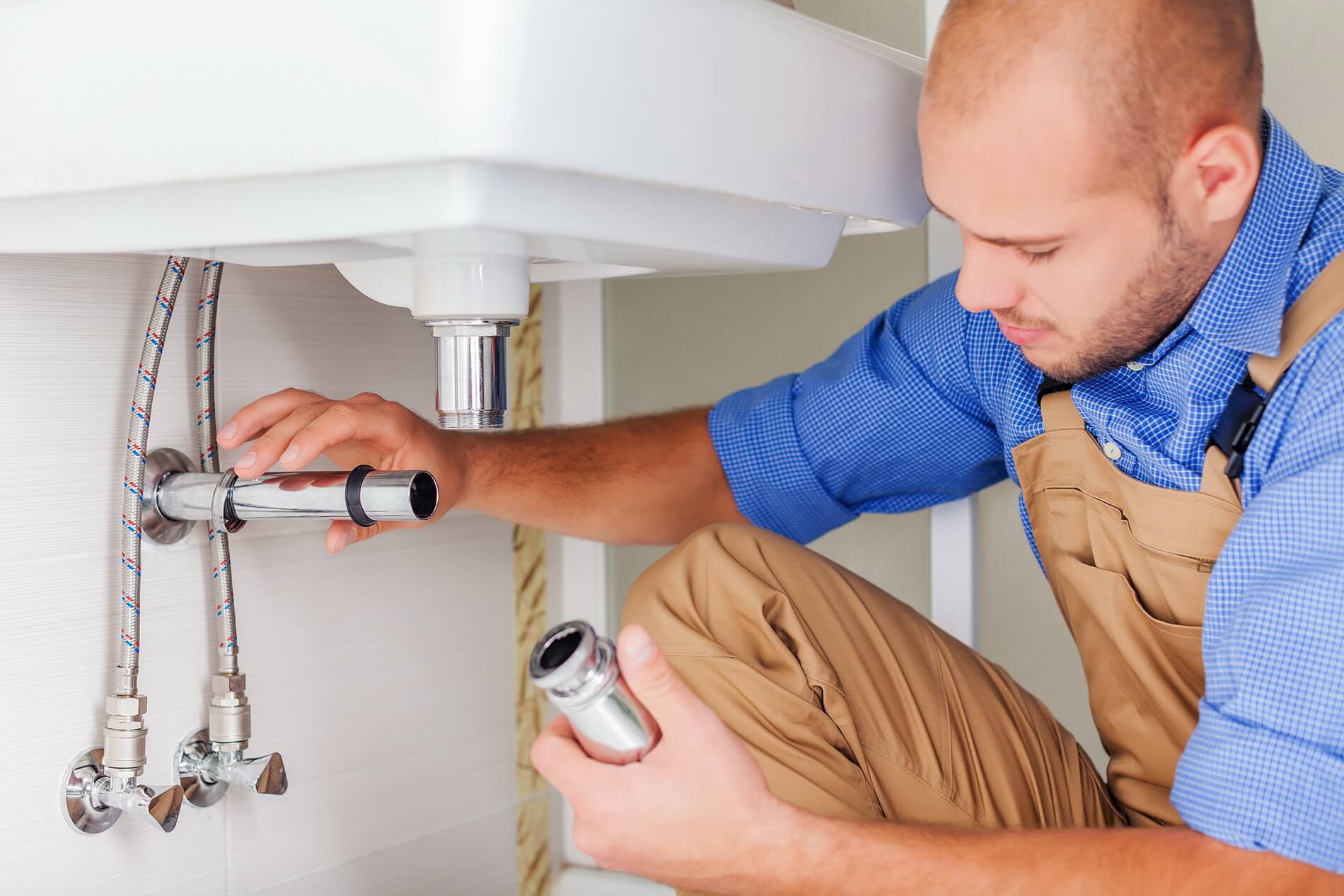
detailed plumber quote for home plumbing

How to Get an Accurate Plumbing Quote Without Hidden Costs

Getting a clear and accurate estimate from a plumbing professional can be a stressful process for homeowners and business owners alike. Many people have experienced the frustration of receiving a bill far higher than anticipated, often due to hidden costs or vague initial quotes. Understanding how to navigate this process effectively is essential for avoiding unexpected expenses and ensuring that your plumbing project stays within budget. A well-prepared approach to requesting and reviewing a plumber quote can save time, money, and stress.

Plumbing work varies widely in scope, from simple faucet repairs to extensive pipe replacements or system installations. This variability makes it difficult to rely on generic pricing or online estimators, as each situation has unique considerations. Communicating your needs clearly and providing detailed information upfront can help a plumber deliver an accurate quote, reducing the chance of surprises later. Knowing what questions to ask and what details to include is just as important as understanding the pricing itself.

Another common challenge is differentiating between a legitimate quote and an incomplete estimate that hides potential charges. Some quotes may initially appear low, but once work begins, additional fees for materials, labor, or unforeseen complications can inflate the final bill. Learning how to request a comprehensive quote and understanding the components that make up a plumber's quote is essential. By being proactive and informed, you can secure services that align with your expectations and budget.

Why Accuracy Matters in Plumbing Quotes

Receiving an accurate plumber quote is about more than just knowing the total cost upfront. It also sets expectations for the timeline, the materials involved, and the quality of workmanship. When a quote is clear and detailed, you are better equipped to compare different plumbers and make an informed decision. Without this clarity, you risk hiring someone whose services might not meet your needs or whose pricing could quickly escalate.

Accuracy also impacts planning and budgeting. Unexpected costs can disrupt household finances or delay critical projects. By obtaining a quote that accounts for all necessary materials, labor, and potential contingencies, you reduce the likelihood of unpleasant financial surprises. An accurate quote reflects transparency and professionalism, giving you confidence in the plumber’s reliability and ethics.

Furthermore, detailed quotes often include breakdowns for labor, parts, and potential additional services. This level of transparency allows you to evaluate which elements are essential and which could be optional, giving you more control over your budget. In many cases, this can prevent disputes after the work is completed and foster a smoother working relationship with your plumber.

Steps to Get a Clear and Reliable Quote

  1. Prepare Detailed Information
    Before contacting a plumber, take note of the exact issues you are experiencing. Include details like the type of fixtures, the age of your plumbing system, and any prior repairs. Photos or short video clips of the problem can be very helpful. This allows the plumber to assess the situation more accurately and provide a realistic quote.

  2. Request Written Estimates
    Always ask for a written quote rather than relying on verbal estimates. A written document reduces misunderstandings and ensures that all parties agree on the scope of work, costs, and timelines. Written quotes also serve as a reference in case any disputes arise during or after the work.

  3. Ask for a Breakdown of Costs
    A transparent quote should list labor, materials, permits (if required), and any additional charges separately. Avoid accepting a single lump-sum figure without understanding what it covers. Knowing exactly what you are paying for helps prevent hidden fees from appearing later.

  4. Compare Multiple Quotes
    Contact at least two or three plumbers for estimates to get a sense of market rates. While the cheapest quote may be appealing, it’s crucial to assess the value being offered. Look for discrepancies in materials, warranties, and service guarantees rather than focusing solely on price.

  5. Clarify Terms and Conditions
    Discuss terms regarding payment schedules, unexpected complications, and additional charges before agreeing to any work. Clear communication reduces the risk of surprises and ensures that both parties have a shared understanding of expectations.

Common Hidden Costs and How to Avoid Them

Even with a detailed quote, some hidden costs can sneak into plumbing projects if you are not vigilant. Common examples include:

  • Material Substitutions: Plumbers may use lower-grade materials than initially quoted if the original parts are unavailable. Confirm the quality and brand of all materials upfront.

  • Emergency or After-Hours Charges: If work is done outside normal business hours, additional fees may apply. Clarify the timing and potential extra costs before agreeing.

  • Unexpected Repairs: Old or damaged pipes may require additional work. Ask the plumber how such situations will be handled and whether they are included in the original quote.

  • Permit Fees: Some plumbing work requires municipal permits, which can add to the cost. Confirm whether these fees are included or if they will be billed separately.

Being aware of these potential charges and discussing them in advance can help you avoid surprises. It also signals to the plumber that you are informed and expect transparency, which often leads to more accurate estimates.

Tips for Ensuring a Smooth Quoting Process

  • Communicate Clearly: Provide complete details about your plumbing issue and desired outcome.

  • Document Everything: Keep copies of all quotes, receipts, and correspondence.

  • Verify Licenses and Insurance: A qualified and insured plumber is more likely to provide reliable and accurate quotes.

  • Ask About Guarantees: Ensure that labor and materials come with warranties to protect your investment.

  • Be Patient and Ask Questions: Take the time to understand each quote fully before making a decision.

By following these strategies, you can increase the likelihood of receiving a fair and precise plumbing quote. It ensures that both you and the plumbing professional are aligned, reducing stress and improving the overall experience.

Ultimately, securing a reliable plumbing estimate is about preparation, transparency, and communication. When you take the necessary steps to provide detailed information, request comprehensive written quotes, and clarify potential hidden costs, you set the stage for a successful project. This approach not only helps you stay within budget but also ensures peace of mind and confidence in the work being done.

skilled creator assembling a detailed scale model

The New Era of Architectural Models: How 3D Printing Transforms Physical Design

A growing number of architects and designers are turning to new technology to bring concepts to life, and one of the biggest shifts has come from how a model builder now approaches visualisation. Instead of relying solely on manual crafting, professionals can merge craftsmanship with innovation to speed up early-stage design work. This change has allowed more detailed representations to emerge in the early planning phase, helping teams communicate ideas clearly.

Traditional scale models once required hours of cutting, shaping, and refining by hand, but the introduction of 3d printing into the workflow has changed the pace completely. Today, firms can test proportions, experiment with layouts, and refine structural details before committing to final drawings. This evolution has made it easier for a model builder to streamline tricky or repetitive tasks while still maintaining a high level of accuracy and artistic intention.

Creating an architectural model was once a slow, intricate process, often limited by the materials available. With digital tools and advanced fabrication methods, designers can now replicate curves, interiors, textures, and complex patterns in ways that were previously impossible. And as 3d printing continues to advance, it’s opening new creative and practical possibilities for both small and large projects.

Why Technology Has Transformed Physical Design Models

The arrival of additive manufacturing has made precise, reliable replicas far more attainable. Instead of shaping foam, cardboard, or wood by hand, teams can translate digital drawings directly into scaled components. This gives architects the opportunity to see how a concept will behave in real-world space long before construction begins.

Another major benefit is the ability to experiment. When ideas can be printed quickly and adjusted with ease, it encourages designers to try more daring structural elements. Complex rooflines, organic curves, and multi-layered façades become easier to showcase without excessive manual labour, making early visualisation far more dynamic.

In many firms, these tools also help reduce errors. By printing individual sections separately, problems can be spotted early, allowing professionals to fix proportions, alignment, or spacing before committing to full presentations.

How 3D Printing Improves Accuracy and Detail

One of the biggest strengths of additive fabrication is its ability to recreate minute details. Layer-by-layer construction allows tiny elements—such as window frames, decorative trims, stair rails, and façade textures—to appear with remarkable precision. These details were once extremely time-consuming to produce by hand.

To achieve this, many design teams break down a structure into components so the final architectural model shows depth and realism. The process also helps when demonstrating spatial flow, allowing clients to better understand movement between rooms and levels.

In addition, 3d printing enables the use of different materials depending on the effect required. Some sections may be printed with rigid plastics for stability, while more flexible filaments can be used for unusual shapes or unique design features. This flexibility makes each model more expressive and adaptable.

Steps a Model Maker Might Follow

The workflow can vary slightly between firms, but the general stages remain consistent. Many teams follow a structure similar to this:

  1. Translate sketches or CAD drawings into a printable digital format.

  2. Break the project into smaller parts suitable for fabrication.

  3. Print each section using chosen materials and settings.

  4. Assemble, refine, and paint the finished components.

  5. Add landscape, lighting, or surrounding structures if required.

This process gives both architects and clients a tangible representation of the future build, often leading to faster approvals and more confident decision-making.

Benefits for Client Presentations and Approvals

Physical models remain a powerful communication tool, especially when proposals need to be presented to stakeholders who may not interpret floor plans easily. When the structure is displayed in three dimensions, discussions become clearer and more engaging.

Clients can interact with the materials, get a sense of scale, and visualise how different volumes connect. This often leads to more productive feedback sessions, and because alterations can be implemented quickly, revisions no longer stall the project timeline.

Moreover, 3d printing helps firms create multiple display versions for open days, exhibitions, or investment pitches without significantly increasing production costs.

Sustainability and Material Efficiency

The ability to print only what is needed dramatically reduces waste. Laser cutting and hand-shaping often produce offcuts that cannot be reused, but additive processes generate minimal scrap. Environmentally friendly filament options are also becoming more common, allowing firms to reduce ecological impact.

This efficiency is especially useful when producing large or repeated architectural elements. If a model requires numerous identical pieces, each one can be printed consistently without added labour.

The Future of Scaled Architectural Representations

As technology evolves, we can expect even greater realism. Multi-material printers, colour-integrated fabrication, and faster production methods are already entering the industry. These improvements will make the architectural model even more integral to planning, marketing, and problem-solving.

What was once seen as a supplementary tool is now a critical part of the design process. By merging digital innovation with traditional craftsmanship, professionals are finding new ways to express creativity while enhancing accuracy and efficiency.

local specialist assessing diamond pieces for resale

Understanding How Gold and Diamond Jewellery Is Assessed by Jewellery Buyers

People have always looked for innovative ways to access cash when needed, and in recent years, leveraging valuable personal assets has become a preferred option. Among these, gold and diamonds stand out due to their enduring worth and demand in both local and global markets. Many individuals facing financial pressures are turning to jewellery as a means of securing short-term liquidity, without necessarily giving up ownership permanently. There is often sentimental value attached to these pieces, which makes this method especially beneficial compared to selling other assets.

The process usually starts with assessing what items could hold the most resale or collateral value. Older heirlooms, engagement rings, luxury watches, and inherited jewellery often sit unused for years, yet they contain substantial financial potential. This is where diamond jewelry buyers Sandton often come in, helping people determine how much capital can be unlocked based on purity, cut, weight, and current market conditions. Rather than relying solely on loans or credit, this asset-based strategy offers immediate solutions.

For many, this option serves as an alternative to traditional lending. Instead of undergoing lengthy application processes or facing credit checks, individuals can negotiate directly with reputable specialists. These experts, particularly the more established diamond jewelry buyers in Sandton, offer appraisals based on intrinsic and market value, making it possible to liquidate quickly while maintaining some control over the transaction.

Why Jewellery Is Ideal for Unlocking Cash

Gold and diamond items hold intrinsic value due to the raw materials used, but they also often have added aesthetic or brand value if from sought-after designers. Unlike other assets that depreciate quickly, well-maintained jewellery generally retains, and sometimes increases, in value over time. Market fluctuations exist, but historical trends show that precious metals perform reliably during economic uncertainty.

Because jewellery is compact and easy to store, many people forget just how valuable it may be. An antique bracelet locked away in a safe or a diamond ring buried in a drawer might hold more cash value than expected. This ease of access makes jewellery a powerful financial tool in emergencies or when opportunities arise and quick funding is required.

Additionally, unlike selling property or vehicles, which can involve lengthy legal and administrative processes, jewellery appraisals and transactions are relatively quick. Most assessments can be completed in under an hour, and cash or transfer is often available immediately after acceptance of the offer.

Types of Jewellery Most Commonly Used

There are certain categories of items that tend to perform especially well in the resale or collateral market. These typically include:

  • Diamond engagement rings

  • Certified diamond pendants or earrings

  • Solid gold chains and bracelets

  • Luxury brand jewellery such as Cartier or Tiffany

  • Antique or vintage pieces with historical significance

Jewellery with certification, especially from recognised grading bodies, usually attracts higher offers. This documentation confirms clarity, colour, carat weight, and cut quality, giving buyers confidence in potential resale value.

Things That Affect the Value You Can Unlock

Several key factors determine how much cash an individual can extract from jewellery items. Market demand, global precious metal pricing, and exchange rates influence the final amount offered. However, the condition of the piece plays a major role too. Items in excellent condition, with minimal wear, tend to receive better appraisals.

Sentimentality also enters the decision process. Some owners agree to items being used as surety rather than permanently sold, allowing for repurchase at a later stage. This provides flexibility for those who need money temporarily but don’t wish to permanently part with valuable or emotionally significant pieces.

Jewellery with designer signatures or original packaging can also increase perceived value, as these elements add authenticity and desirability to the item.

How the Transaction Process Typically Works

Although it may differ slightly depending on the business, most transactions follow a similar format. If you’re considering unlocking value through jewellery, the steps below offer a clear picture:

  1. Identify the item or collection of items you’re willing to offer.

  2. Schedule an appraisal with a trusted specialist.

  3. Receive an offer based on evaluation.

  4. Choose between outright sale or loan with collateral.

  5. Finalise the agreement and receive your funds.

It’s also recommended to research multiple providers to compare evaluations. Some may specialise in diamonds while others may be more experienced with luxury items or rare designs.

Why Many Prefer This Over a Loan

Some people choose this route because it allows them to avoid additional interest charges or complex repayment structures. If an individual opts for an outright sale rather than borrowing against the asset, there is no obligation to repay any amount. In financial planning terms, this can be beneficial for those trying to avoid accumulation of debt.

Furthermore, no credit checks are needed, which makes the process straightforward even for those with previous financial challenges. Quick access to funds can support anything from business ventures to urgent personal expenses, medical emergencies, or property repairs.

Getting the Most Out of Your Jewellery

To ensure you receive the highest possible valuation, consider preparing before heading to an appointment:

  • Clean the jewellery carefully

  • Gather any certificates or appraisals

  • Look for packaging or receipts

  • Research current precious metal and gemstone prices

This preparation demonstrates care and can support your negotiation position. It also shows the item has been well preserved, which reassures potential buyers.

As more people become aware of the financial potential of jewellery, alternatives emerge for short-term funding. Some businesses even allow a buy-back option at a later stage, enabling the owner to reclaim the item if finances improve.

Unlocking cash from jewellery is not always a long-term solution, but it can serve as a lifeline when immediate liquidity is needed. It offers flexibility, speed, and discretion, all of which are appealing for those in urgent financial situations. With the right advice and a reliable service provider, many South Africans have discovered that cherished items can provide more than sentimental value. Engaging experienced diamond jewelry buyers in Sandton or similar specialists allows you to benefit from professional evaluation and a transparent process, ensuring you make financially sound decisions while retaining as much control as possible over your assets.

This content is for informational purposes only and should not be considered financial advice.

Trainees participating in live online TEFL sessions

The Ultimate Guide to Comparing Online TEFL Courses and In-Person Programs

Many people dream of teaching English abroad or from the comfort of their home, but deciding how to get certified can be surprisingly tricky. Should you enrol in traditional classroom training or take advantage of modern online TEFL courses? The best choice depends less on cost or convenience and more on how you learn, stay motivated, and plan to use your qualification.

The two paths offer similar certification outcomes, but the learning experiences are vastly different. Some people thrive in the self-paced rhythm of online study, while others find energy and accountability in live, in-person interaction. Knowing which approach aligns with your learning style can make your journey smoother — and your teaching stronger.

Before diving in, it’s worth comparing how both course types prepare you for real-world teaching, what kind of learner each suits best, and how your career goals may shape your decision.

How Your Learning Style Affects Your Choice

Everyone learns differently. Some people love the independence of studying on their own, while others rely on group interaction to stay focused. To figure out which training suits you best, consider these questions:

  1. Do you prefer flexible schedules or structured timetables?

  2. Are you self-disciplined, or do you need external motivation?

  3. Do you learn best by reading and watching, or by doing and practicing?

If you value autonomy and like to work through lessons at your own speed, online TEFL courses might be a great fit. You can pause, review, and progress as needed, which helps many visual and reflective learners succeed. But if you feed off collaboration, prefer live demonstrations, or enjoy instant feedback, face-to-face learning could keep you more engaged.

The In-Person TEFL Advantage

For students who crave interaction, traditional classroom courses provide an immersive learning environment. You’ll practice teaching in real classrooms, receive direct feedback from instructors, and collaborate with classmates who share your goals.

A few key benefits include:

  • Practical experience: You’ll teach real students, not just role-play scenarios.

  • Immediate support: Trainers can correct mistakes in real time.

  • Community learning: Discussions and peer activities make learning dynamic.

However, this format demands time and commitment. It’s typically more expensive, requires travel, and runs on fixed schedules — which might not suit those balancing work or family obligations.

Flexibility and Freedom in Online TEFL Courses

Digital learning has opened the door for people who want to get certified without putting their lives on hold. The ability to study anytime, from anywhere, makes online TEFL courses perfect for busy professionals, frequent travellers, or those living far from training centres.

Some additional perks include:

  • Studying at your own pace

  • Lower overall costs

  • Exposure to virtual teaching tools

  • The option to complete lessons around your existing routine

Still, success in an online environment relies on motivation. Without physical classes or peers nearby, it’s easy to fall behind if you’re not disciplined. Setting a study schedule and joining online teaching communities can help you stay on track.

Aligning Your Course with Career Goals

When choosing between online and in-person learning, it helps to think long-term. Where do you want to teach? What kind of students do you hope to work with?

  • If your goal is to teach English online, the virtual format not only saves time but also prepares you to use digital tools effectively.

  • If you’re planning to teach abroad, especially in a classroom environment, employers often value the hands-on teaching practice you gain through in-person training.

Some new teachers even combine both paths: starting with an online course to build knowledge, then attending a short, in-person practicum later to refine their classroom technique.

Weighing the Pros and Cons Before You Decide

Before enrolling, compare what matters most to you — cost, structure, flexibility, or experience. Write down your priorities, such as:

  1. Your learning style
  2. Your availability and schedule

  3. Your preferred teaching environment

  4. Your confidence with technology

Once you’ve mapped these out, it usually becomes clear which route suits you better.

Choosing how to earn your TEFL qualification is more than a logistical decision — it’s about creating the right foundation for your teaching career. Whether you embrace the independence of studying online or the energy of in-person instruction, both paths can open doors to incredible opportunities worldwide. What matters most is choosing the approach that motivates you to learn, grow, and confidently share English with others.

Hard Disk Data Recovery

Common Scenarios for Hard Disk Data Recovery

Hard Disk Data Recovery - In the digital age, our lives are kept on hard drives. Be it valuable household images, vital organization files, or vital databases, the worth of information cannot be overemphasized. Nevertheless, even the most trustworthy hard drives can stop working, and when that takes place, you require a relied on partner to recuperate your important details. This is where Intratec Data Healing actions in, providing unequaled know-how in hard drive information healing.

The Significance of Hard Drive Information Healing

A hard drive failure can be a heart-wrenching experience. Whether it is because of physical damage, a software application problem, or unintentional information removal, the loss of crucial information can have significant repercussions. This is where Intratec Data Healing pertains to the rescue, guaranteeing that your treasured information is not lost permanently.

The Intratec Data Recovery Benefit

Cutting-Edge Innovation

Intratec Data Healing boasts cutting edge innovation and a group of extremely knowledgeable experts who focus on recuperating information from all kinds of hard drives. They are geared up to deal with a wide variety of concerns, from crashed hard disks to harmed plates.

Comprehensive Service

Among the standout functions of Intratec Data Healing is its capability to deal with a broad spectrum of information loss situations. Whether your hard drive is experiencing sensible mistakes, bad sectors, or has actually been physically harmed, their skilled professionals have the understanding and tools to obtain your information.

Information Personal Privacy and Security

Your information's security and personal privacy are vital to Intratec Data Healing. They follow strict privacy procedures to guarantee that your recuperated information stays safe and personal. You can trust them to treat your details with the utmost care.

Transparent Rates

Intratec Data Healing thinks in openness when it pertains to prices. They supply clear and in advance expense price quotes, so you understand precisely what to anticipate. There are no surprise costs or surprises when you partner with them.

The Hard Drive Data Recovery Process

When you rely on Intratec Data Healing for support, you can anticipate an uncomplicated and effective information healing procedure:

Evaluation

The journey starts with a comprehensive evaluation of your hard drive's condition and the degree of information loss. This preliminary assessment assists figure out the most ideal technique for information healing.

Information Healing

Once the evaluation is total, their group of professionals swings into action, making use of advanced tools and their wealth of experience to recuperate your lost information. The time needed for this procedure depends upon the intricacy of the issue.

Confirmation

Intratec Data Healing goes above and beyond by not just recuperating your information but likewise validating its stability. They guarantee that the recovered files remain in beautiful condition and can be accessed with no concerns.

Information Shipment

After effectively recuperating and validating your information, Intratec Data Healing will firmly provide it to you through a technique of your option, whether that's a download link, an external drive, or physical shipment.

Conclusion

Hard drive data recovery is a specific field that needs know-how, advanced innovation, and a dedication to information security. Intratec Data Healing masters all these elements, making it the go-to partner when you deal with the problem of hard drive failure.

When your vital information is on the line, do not leave it to opportunity. Pick Intratec Data Healing for its devotion to professionalism, advanced innovation, openness, and unwavering dedication to information personal privacy and security. With Intratec Data Healing on your side, you can feel confident that your valuable details remains in the most safe hands, and information loss will not be completion of the story. Your information should have absolutely nothing less than the extraordinary know-how of Intratec Data Healing.

iPhone Data Recovery Solution

Your Go-To iPhone Data Recovery Solution: Fast and Reliable

iPhone Data Recovery Solution Cape Town- In in the present day's digital age, our smartphones have turn into an extension of ourselves, storing a treasure trove of non-public {and professional} data. However, the unthinkable can occur - your iPhone crashes, information will get deleted, or it falls sufferer to water harm. That's when Data Recovery SA swoops in as your knight in shining armor, providing a lifeline to your misplaced information.

The Importance of iPhone Data Recovery

Imagine dropping valuable recollections, important work paperwork, or important contacts as a result of an unexpected mishap. It's a nightmare that none of us need to expertise. Fortunately, Data Recovery SA makes a speciality of iPhone information restoration, providing a ray of hope when all appears misplaced.

The Data Recovery SA Difference

Cutting-Edge Technology

Data Recovery SA leverages state-of-the-art expertise to retrieve information from iPhones of all fashions and generations. Whether your system is affected by software program points or bodily harm, their expert technicians have the experience and instruments wanted to get the job carried out.

Comprehensive Service

From by chance deleted pictures to inaccessible recordsdata after a system crash, Data Recovery SA handles a variety of knowledge loss situations. They perceive the urgency of the scenario and work tirelessly to get better your information swiftly.

Data Privacy and Security

Your privateness and information safety are of paramount significance to Data Recovery SA. They adhere to strict confidentiality protocols, making certain that your recovered information stays in secure palms and is rarely compromised.

Transparent Pricing

Nobody likes surprises in terms of pricing. Data Recovery SA supplies clear pricing buildings, so you will know precisely what to anticipate, with no hidden charges or sudden prices.

The Data Recovery Process

When you entrust your iPhone to Data Recovery SA, you'll be able to anticipate an easy and environment friendly information restoration course of:

Evaluation

The first step is a complete analysis of your iPhone's situation and the extent of knowledge loss. This preliminary evaluation helps decide the most effective strategy for information restoration.

Data Recovery

Once the evaluation is full, their expert technicians get to work, using their cutting-edge instruments and experience to retrieve your misplaced information. This course of might take a while, relying on the complexity of the problem.

Verification

Data Recovery SA would not cease at simply recovering your information. They additionally confirm the integrity of the recovered recordsdata to make sure they're in pristine situation and may be accessed with none points.

Data Delivery

Once your information is efficiently recovered and verified, Data Recovery SA will securely ship it to you thru a technique of your alternative. Whether you favor a obtain hyperlink, an exterior drive, or bodily supply, they have you ever lined. See iPhone Data Recovery Solution for extra data.

Conclusion

Data loss is a distressing expertise, particularly when it impacts your iPhone – a tool that holds a lot of your life. Thankfully, Data Recovery SA exists to rescue your misplaced information from the clutches of oblivion. Their dedication to cutting-edge expertise, information safety, clear pricing, and a complete information restoration course of units them aside as your final iPhone data recovery solution.

iPhone Data Recovery Cape Town

When catastrophe strikes and your iPhone information appears irretrievable, keep in mind that Data Recovery SA is right here to make the magic occur. With their experience and dedication, you'll be able to breathe a sigh of reduction, figuring out that your cherished recollections and important data are in secure palms. Don't let information loss wreck your day; select Data Recovery SA for a seamless and dependable iPhone information restoration expertise. Your information deserves nothing much less.


plumbing services

From Drips to Disasters: Navigating the Maze of Plumbing Service Providers

When it comes to the vital systems in our homes, plumbing services are at the top of the list. A skilled plumber plays a crucial role in maintaining the water supply, drainage, and overall functionality of your home. However, finding the right plumber can be a daunting task, especially when faced with plumbing emergencies such as burst pipes or clogged drains. The decision to hire a plumber services provider should not be taken lightly. It's essential to select a professional who not only possesses the necessary skills but also offers reliable and efficient services, and additional services like refuse removal. In this article, we will guide you through the process of choosing the right plumber for your needs, ensuring your plumbing problems are addressed promptly and effectively.

Define Your Plumbing Needs

The first step in finding the right plumber is to determine your specific plumbing needs. Plumbing services cover a wide range of issues, from minor repairs like leaky faucets to major projects such as sewer line replacement. By identifying the exact problem you're facing, you can narrow down your search for a plumber with expertise in that area. Knowing the scope of work required will also help you obtain accurate quotes and ensure that the plumber you choose has the necessary skills.

Ask for Recommendations

One of the most reliable ways to find a reputable plumber is by asking for recommendations from friends, family, and neighbors. Personal referrals can provide valuable insights into the quality of service you can expect. Additionally, you can inquire with local contractors or builders who often work closely with plumbers. Online platforms and review websites are also helpful resources for gathering recommendations and reading reviews from previous customers.

Check Credentials and Licensing

Before hiring a plumber, it's crucial to verify their credentials and ensure they are licensed to operate in your area. Licensing requirements vary from place to place, but a valid license is a clear indication that the plumber has met the necessary standards and regulations. You can typically check a plumber's licensing status with your local regulatory authority. Don't hesitate to ask the plumber for their license number and proof of insurance, including liability coverage. This will protect you from potential liabilities in case of accidents or damages during the project, such as refuse removal.

Obtain Multiple Quotes

To make an informed decision, it's advisable to obtain quotes from multiple plumbers. A professional plumber should be willing to provide a detailed written estimate that outlines the scope of work, materials required, labor costs, and a timeline for completion. By comparing quotes, you can not only get a sense of the fair market price for your project but also assess the professionalism and transparency of each plumber. Be cautious of significantly low or high quotes, as they may indicate potential issues with the service.

Check References

To gauge the quality of a plumber's work, don't hesitate to ask for references from past clients. Contact these references and inquire about their experiences with the plumber, including the timeliness of the service, the quality of workmanship, and whether the plumber effectively resolved their plumbing issues. References can provide valuable insights into what you can expect from the plumber you are considering hiring.

Assess Availability and Communication

Plumbing emergencies can happen at any time, so it's important to assess a plumber's availability and communication. A reliable plumber should be reachable during emergencies and respond promptly to your inquiries. Pay attention to how they communicate, whether they are clear in explaining the problem and the proposed solution. Effective communication is key to a successful plumbing project, and a plumber who values clear communication is more likely to ensure your plumbing issues are resolved to your satisfaction.

Conclusion

Choosing the right plumber is essential to maintaining a smoothly functioning home. By defining your plumbing needs, seeking recommendations, checking credentials, obtaining multiple quotes, checking references, and assessing availability and communication, you can make an informed decision and hire a plumber who can address your plumbing issues efficiently and effectively. Remember, a skilled and reputable plumber not only fixes problems but also helps you prevent future plumbing issues, saving you time, money, and the hassle of dealing with unexpected plumbing emergencies, including refuse removal concerns.

divorce lawyers in Gauteng South Africa

Your Financial Lifeline: A Deep Dive into Alimony and Spousal Support

In the usually turbulent journey of divorce and separation, the counsel and assist of seasoned divorce attorneys in Gauteng South Africa will be your anchor amidst the storm of uncertainty. Amid the emotional whirlwind and the myriad complexities that include the dissolution of a wedding, alimony and spousal assist emerge as vital components that may considerably affect the monetary destinies of each events concerned. The time period "alimony" carries profound significance within the realm of divorce, resonating with each rights and obligations. To navigate this intricate panorama, the place authorized intricacies and emotional turmoil converge, it's important to not solely fathom the idea of alimony but additionally to understand the rights and obligations that accompany it. In this complete article, we embark on a journey by way of the intricacies of alimony and spousal assist, unraveling the online of complexities and authorized nuances that outline these phrases. Moreover, we will make clear the pivotal function performed by divorce attorneys in Gauteng South Africa, providing readability, steerage, and advocacy to these traversing the difficult terrain of divorce and monetary recalibration. Whether you might be contemplating divorce, within the throes of separation on the lookout for divorce lawyers in Gauteng South Africa, or looking for to higher comprehend the dynamics of alimony and spousal assist, this text will function a guiding beacon by way of the storm, illuminating your path in the direction of monetary equilibrium within the post-marital panorama.

What is Alimony or Spousal Support?

Alimony, sometimes called spousal assist, is a monetary association that's designed to supply financial help from one partner to the opposite following a divorce or separation. It is meant to assist the lower-earning or financially deprived partner preserve a way of life that's moderately near what they loved in the course of the marriage. Alimony will be non permanent or everlasting, relying on the circumstances and if you happen to're utilizing divorce attorneys in Gauteng South Africa, and is normally decided by elements such because the size of the wedding, the monetary wants of the recipient partner, and the power of the paying partner to supply assist.

Types of Alimony

Alimony can take numerous kinds, and understanding the distinctions is significant when contemplating your rights and obligations. In Gauteng, South Africa, you could encounter the next sorts of alimony:

  1. Rehabilitative Alimony: This sort of alimony is awarded to assist the receiving partner acquire the schooling or job expertise wanted to turn out to be financially self-sufficient. It is usually granted for a particular period.
  2. Permanent Alimony: Permanent alimony is usually awarded in long-term marriages and is designed to proceed till particular circumstances change, such because the recipient partner remarrying or the demise of both get together.
  3. Reimbursement Alimony: This sort of alimony is awarded to compensate one partner for monetary contributions made in the course of the marriage, resembling supporting the opposite partner's schooling or profession development.
  4. Temporary Alimony: Temporary alimony offers monetary assist in the course of the divorce proceedings, guaranteeing that each events can preserve their residing requirements whereas the divorce is finalized.

Factors Influencing Alimony Determination

The calculation of alimony is a fancy course of, and divorce attorneys play an important function in advocating for his or her shoppers' pursuits. Various elements affect the dedication of alimony, together with:

  • Duration of Marriage: The size of the wedding is a big issue. Longer marriages usually end in bigger alimony awards.
  • Financial Needs: The courtroom will think about the monetary wants and obligations of each events, together with residing bills, money owed, and childcare bills.
  • Income Discrepancy: Alimony goals to stability the revenue and monetary assets of each spouses, which signifies that a big revenue hole between the 2 is more likely to result in alimony awards.
  • Health and Age: The well being and age of each spouses are thought-about, particularly if one partner has well being points that forestall them from working.

Legal Requirements and Guidelines

In Gauteng, South Africa, there are particular authorized necessities and pointers for alimony awards. It's essential to seek the advice of with divorce attorneys in Gauteng to make sure compliance with the regulation. Courts think about the ideas outlined within the Divorce Act, which embrace the obligation of assist, the means and wishes of the events, and the usual of residing in the course of the marriage. Understanding these authorized necessities is important for each the paying and receiving partner, as they supply readability on what to anticipate in an alimony dedication.

Modifying Alimony Orders

Alimony orders should not set in stone and will be modified if circumstances change. This will be initiated by way of a courtroom petition, and the courtroom will consider whether or not a modification is warranted. For instance, if the paying partner experiences a big lower in revenue or the recipient partner's monetary scenario improves, a modification could also be thought-about. Consulting with divorce attorneys is advisable when looking for to switch alimony orders to make sure the method is legally sound.

Conclusion

Alimony and spousal assist play a pivotal function within the monetary outcomes of divorce or separation. To totally perceive your rights and obligations on this context, it's important to grasp the sorts of alimony, the elements that affect alimony determinations, and the authorized necessities and pointers. Consulting with skilled divorce attorneys in Gauteng South Africa is a clever step to make sure that you obtain correct steerage all through the method. With their experience, you'll be able to navigate the complexities of alimony, safeguard your monetary future, and make knowledgeable selections that pave the way in which for a smoother transition post-divorce.

IPTV

How IPTV Works: A Complete Guide to Internet TV in South Africa

Internet-based television has changed the way we watch our favourite shows and movies. Instead of relying on traditional broadcasting methods like satellite or cable, viewers can now access a world of entertainment through the internet. This modern approach is called IPTV, a technology that has gained massive popularity due to its convenience, flexibility, and growing affordability. Whether you’re a casual viewer or a binge-watcher, IPTV offers a more personalised and versatile way to enjoy content.

In places where streaming services are becoming a household standard, the interest in IPTV South Africa has grown rapidly. It allows users to watch live TV, on-demand movies, and series without needing expensive hardware or long installation processes. What sets this technology apart is how easily it fits into our digital lifestyles — all you need is a stable internet connection and a compatible device.

Africa IP TV services are evolving quickly as more regions improve internet access. Viewers from urban areas to rural communities are discovering that this technology provides more control and better content variety than traditional TV subscriptions. The ability to stream channels from across the world and access regional content has made IPTV an appealing option for modern households.

Understanding the Basics of IPTV

IPTV stands for Internet Protocol Television. Unlike traditional broadcasting methods that send signals through satellite or cable, IPTV delivers video content using the same protocols that power the internet. This means instead of tuning into specific frequencies, viewers receive digital signals over a broadband connection. The result is smoother streaming, better picture quality, and the ability to pause, rewind, or replay live television — something not possible with regular TV.

The technology works by transmitting data packets from a server to your device. These packets are then decoded and displayed as video through your IPTV player or application. Since the data travels over the internet, you can use a variety of devices, including smart TVs, computers, tablets, and smartphones, making it one of the most accessible entertainment solutions today.

How IPTV Differs from Traditional Broadcasting

Traditional broadcasting methods such as satellite and cable rely on one-way transmission. This means that whatever the broadcaster sends, the viewer receives — there’s no flexibility or control. With IPTV, it’s a two-way system. The user requests the content they want, and the server sends it on demand. This creates a fully interactive viewing experience, allowing people to watch what they want, when they want.

Another big difference lies in content storage. While cable networks broadcast live channels, IPTV systems often store programs on servers. This makes features like catch-up TV and video-on-demand possible. It’s especially useful for those with unpredictable schedules or viewers who prefer to binge-watch entire series over a weekend.

The Three Main Types of IPTV Services

IPTV can be divided into three primary categories:

  1. Live Television – This mimics traditional broadcasting, allowing viewers to watch live events such as news or sports in real time.

  2. Video on Demand (VOD) – Users can choose movies or shows from a vast library and play them instantly.

  3. Time-Shifted TV – This feature lets you replay or catch up on shows that were broadcast earlier.

Each of these services offers its own advantages, making IPTV suitable for a wide range of viewing habits and preferences. Whether you’re interested in staying up to date with the latest sports match or relaxing with a late-night movie, there’s always something available

Why IPTV Is Growing in Popularity Across Africa

The increasing adoption of Africa IP TV is no coincidence. Faster internet speeds, more affordable data plans, and the growing number of smart devices have made it easier for households to switch to streaming. People no longer want to be limited by scheduled programming or region-locked content. IPTV offers a more inclusive and dynamic experience, appealing to both local audiences and international viewers.

For South Africans, the value of IPTV South Africa lies in its flexibility. It allows users to choose subscription packages that suit their budgets while still enjoying premium content. Local providers are also beginning to offer tailored solutions that blend international channels with African entertainment, giving viewers the best of both worlds.

Choosing the Right IPTV Service

Selecting a reliable IPTV provider can make all the difference in your viewing experience. Here are a few things to consider before subscribing:

  • Content Variety: Check whether the service includes both local and international channels.

  • Streaming Quality: Ensure the provider offers HD or 4K streams for a clearer picture.

  • Device Compatibility: The best services work across smart TVs, smartphones, and tablets.

  • Customer Support: Look for responsive customer assistance in case of technical issues.

It’s also worth testing the platform during a trial period to evaluate performance and stability. A well-structured service should provide consistent streaming without buffering or downtime.

The shift toward internet-based television is transforming how Africa consumes entertainment. IPTV is more than just a trend; it’s the future of broadcasting. As technology continues to evolve, viewers will enjoy even more seamless integration between devices, smarter recommendations, and richer content libraries. For households looking to modernise their viewing habits, IPTV represents a simple yet powerful way to access the world of entertainment — anytime, anywhere.

wholesale caviar in South Africa

A Culinary Investment: Wholesale Caviar in South Africa for Retailers

As the need for premium active ingredients increases throughout South Africa’s high-end dining establishments, hotels, and cooking services, caviar stays among the most special specials available. Known for its luxury and fine-tuned taste, this high-end food is no longer restricted to elite markets. Today, companies of all sizes are looking for access to wholesale caviar in South Africa to please consumers who yearn for elegance in every bite.

High-quality caviar improves a meal’s appeal and adds to a credibility for quality. Whether you’re plating signature meals or product packaging high end present hinders, your option of provider matters. Businesses that purchase wholesale caviar in South Africa advantage not just from bulk rates however likewise from constant schedule and wider item range. In competitive markets, sourcing premium-grade caviar assists set your brand name apart.

Choosing a relied on supplier for wholesale caviar in South Africa permits you to enhance procurement without jeopardizing on taste, freshness, or traceability. From traditional Beluga to sustainable Ossetra and Sevruga alternatives, providers provide a broad spectrum of grades and origins. Restaurants, catering services, and food sellers can all benefit from this high-end item with dependable logistics and customized supply volumes.

Why Wholesale Caviar Makes Sense for Culinary Businesses

Purchasing caviar wholesale provides more than simply a much better rate—it provides long-lasting worth and reliability. Hospitality specialists understand how crucial it is to guarantee item schedule throughout peak seasons or unique occasions. By buying wholesale, chefs and occasion coordinators can preserve consistent stock while likewise taking pleasure in versatile getting alternatives fit to their operations.

Moreover, wholesale gain access to opens a more varied brochure of caviar types. Suppliers usually bring imported specials from Europe and Asia, along with in your area produced ranges farmed right here in South Africa. This choice permits companies to accommodate a more comprehensive audience, from perfectionist premiums to eco-conscious restaurants looking for sustainable options.

Top-tier caviar likewise has a brief service life when opened, so freshness is critical. By developing a relationship with a trusted wholesale service provider, you get direct-from-source shipment and cold-chain logistics that assist protect the fragile flavour profile of each bead. The result? An item that shows up in peak condition—all set for instant usage or stylish discussion.

Who Should Be Buying Wholesale Caviar?

A vast array of specialists in the food and hospitality markets stand to acquire from sourcing wholesale. For fine-dining facilities, caviar improves status and raises tasting menus. Whether spooned over blinis, layered into tartare, or served with cooled vodka, it includes apparent high-end.

See likewise  Discover the Unique Flavours of South Africa’s Wine Varietals

Private chefs and catering services likewise turn to wholesale supply to fulfill customer needs for special active ingredients at wedding events, personal suppers, and business functions. Similarly, high-end grocers, delis, and white wine shops stock caviar to fulfill the growing need for premium products that customers can delight in in the house. Even cooking schools are presenting caviar to trainees for training in high-end menu advancement.

How to Choose the Right Supplier

When sourcing wholesale caviar in South Africa, picking a provider with stability is necessary. Look for partners who are transparent about sourcing practices, abide by HACCP food security requirements, and comprehend the logistics of disposable items.

Local alternatives are growing in appeal, with a number of aquaculture farms in South Africa providing top quality, sustainable caviar. However, numerous companies likewise count on imported alternatives from standard manufacturers in Iran, Russia, and parts of Europe. An excellent provider will provide you access to both, together with clear grading info, storage standards, and shipping timelines.

Volume versatility is similarly crucial. Whether you require little, regular deliveries or big, periodic shipments, the ideal provider ought to accommodate your particular scale. Nationwide cooled shipment ought to likewise be non-negotiable—guaranteeing your caviar keeps its quality from dispatch to shipment.

The Value of Consistent Quality

Ultimately, constant quality is what turns a novice client into a devoted one. By sourcing wholesale caviar in South Africa through knowledgeable providers, you guarantee that every tin or container shows your brand name’s commitment to quality. Whether you’re plating a signature meal, creating a high-end hinder, or developing a cooking mentor module, consistency and flavour are whatever.

Consumers today are savvier than ever. They research study brand names, anticipate provenance, and want to pay more for high-end products that provide. That’s why preserving a stable supply of premium caviar—sourced through appropriate wholesale channels—can favorably affect your bottom line and raise your credibility within the cooking neighborhood.

Sourcing wholesale caviar in South Africa is a wise, tactical relocation for anybody in the cooking or retail area intending to provide first-rate active ingredients. From improving premium plates to curating luxurious client experiences, caviar stays among the most renowned food products cash can purchase. With the ideal provider, your organization can provide sophistication and flavour at scale—making every event one to keep in mind.

immediate cash for your car

What to Know About Pawning Your Car While Still Driving It in Johannesburg

Securing money when you’re facing financial strain can feel overwhelming. Many people in Johannesburg find themselves needing urgent funds but don’t want to part ways with their vehicles. Cars often serve as a lifeline, whether for commuting, work, or family responsibilities, so selling them outright isn’t always an option. The good news is that there are ways to access quick funds while still keeping your car.

When unexpected expenses arise, such as medical bills, school fees, or home repairs, financial flexibility becomes essential. While banks and traditional lenders have long processes and strict requirements, there are more accessible solutions that can provide relief within hours rather than weeks. By using your vehicle as a form of security, you can tap into its value without losing ownership.

This approach is becoming increasingly popular across Johannesburg and surrounding areas like Sandton. From people looking for immediate cash for your car to those exploring options like instant cash loans Johannesburg, the demand for alternative lending is rising. Understanding how these arrangements work can help you make a smart choice that balances financial stability with the need to keep driving.

Why Vehicle-Based Loans Are an Effective Solution

Unlike traditional loans, vehicle-based financing lets you unlock the equity in your car without handing over the keys. These agreements are designed for people who want to secure quick funds while avoiding the burden of selling their vehicle outright. The process is usually straightforward, requiring basic documentation such as proof of ownership, identification, and evidence of income.

The biggest advantage is that you can continue to use your car daily. Whether you need to pawn your car and still drive it in Johannesburg or simply free up some cash for short-term needs, this flexibility sets it apart from other lending options. It ensures that your mobility and lifestyle aren’t disrupted while you manage your finances.

How the Process Typically Works

To give you a clearer idea, here’s a simple breakdown of how these loans are usually arranged:

  1. Apply with a licensed service provider that specializes in vehicle-backed finance.

  2. Provide your car documents, ID, and proof of residence.

  3. The lender assesses your car’s value and determines how much can be advanced.

  4. Funds are transferred quickly, often on the same day.

  5. You keep possession of your car while making agreed repayments.

This streamlined approach is what makes options like pawn my car in Johannesburg so attractive to those who need money urgently. Instead of facing delays, you get direct access to funds while retaining your vehicle.

The Appeal of Localized Lending Options

Johannesburg’s financial landscape is diverse, and services have adapted to meet the needs of its residents. In areas like Sandton, where financial demands can be high, alternatives such as cash advance loans Sandton are widely sought after. These localized offerings mean you don’t have to travel far or deal with lenders unfamiliar with your circumstances.

Local providers understand the pace of life in Johannesburg, where many people juggle demanding work schedules and family responsibilities. Their services are structured to reduce red tape and prioritize speed, which is especially valuable when an emergency leaves no time for lengthy approval processes.

Benefits of Choosing This Route

Opting for a vehicle-backed loan has several practical advantages beyond speed and convenience. Some of the key benefits include:

  • Access to funds without the need to sell your car.

  • Flexible repayment terms tailored to your situation.

  • Continued use of your vehicle for personal or business purposes.

  • Less reliance on traditional credit checks, making it easier for people with poor credit histories.

  • The ability to cover urgent expenses without long-term financial commitments.

These advantages show why so many people are turning to alternatives like instant cash loans Johannesburg instead of relying solely on banks or credit cards.

Things to Consider Before Applying

While the benefits are clear, it’s important to approach these options carefully. Look for a lender that is transparent about interest rates, repayment terms, and any potential penalties. Make sure you fully understand the agreement and confirm that your car will remain in your possession during the repayment period.

It’s also wise to compare offers before committing. Different providers may value your car differently, so taking the time to review multiple options can help you maximize how much money you can access. Always choose a reputable lender to avoid hidden costs and ensure your rights are protected.

Moving Forward With Confidence

Life in Johannesburg often moves fast, and financial pressures can appear suddenly. Whether it’s school fees, unexpected repairs, or medical costs, having access to short-term funds can make all the difference. Vehicle-based loans give you the best of both worlds: you get access to immediate cash for your car while keeping the freedom to continue driving.

By carefully considering your options and choosing a reliable lender, you can secure financial support without sacrificing your mobility. This balance makes it possible to navigate challenging times with greater peace of mind, knowing your car remains part of your everyday life while still serving as a valuable financial asset.

laminate flooring near me

Comparing Laminate Flooring to Wood, Tile, and Vinyl: Pros and Cons

Choosing the best floor covering can totally change the look of your home. From natural wood to ceramic tiles and high-end vinyl, the range of options readily available today can feel frustrating. Among the numerous competitors, one alternative that continues to get appeal is laminate — a flexible and frequently affordable option to conventional products.

For numerous South African property owners, laminate floor covering supplies a useful service that mixes design and function. It provides the visual of wood or stone at a portion of the cost, making it a popular option for both remodellings and brand-new builds. As individuals progressively look for laminate floor covering near me, providers and installers are broadening their offerings, making it more available than ever.

Understanding what laminate floor covering truly is, and how it compares to other choices, is essential before deciding. It’s more than simply a surface area — it’s a fundamental aspect of your home, one that affects whatever from convenience and acoustics to toughness and cleansing regimens.

What Is Laminate Flooring Made Of?

Laminate floor covering is an artificial item that normally includes 4 layers:

  1. Wear Layer: A clear, protective surface area that withstands scratches, discolorations, and fading.

  2. Design Layer: This high-resolution image layer offers laminate its reasonable wood or stone look.

  3. Core Layer: Made of high-density fiber board (HDF), offering structure and effect resistance.

  4. Backing Layer: Stabilises the slab and includes wetness resistance.

Each layer contributes in making laminate resilient, simple to set up, and aesthetically enticing. Thanks to contemporary printing and embossing innovations, lots of people can’t discriminate in between laminate and genuine wood in the beginning look.

How Does It Compare to Hardwood?

Hardwood floor covering has actually long been thought about the gold requirement in home style. It's made from strong wood and can last years if correctly kept. However, it does feature greater expenses and upkeep requirements. Moisture can harm wood, and it’s more susceptible to scratches and damages in time.

Laminate, on the other hand, is even more budget-friendly and frequently much easier to set up. While it can't be refinished like strong wood, it provides strong resistance to everyday wear and tear. For homes with kids, family pets, or high foot traffic, laminate can be a more useful option.

What About Tile and Vinyl?

Ceramic or porcelain tiles are understood for their water resistance, making them perfect for bathroom and kitchens. They likewise offer a cool surface area in hot environments, which numerous South African homes take advantage of. However, tile can be pricey to set up and might feel tough or cold underfoot.

Luxury vinyl floor covering provides a number of the exact same visual advantages as laminate however is frequently more waterproof and softer to stroll on. Still, laminate tends to use a more reasonable wood look, specifically in mid-range or exceptional choices.

Pros and Cons at a Glance

When comparing laminate floor covering to other surface areas, it’s handy to take a look at a couple of fast highlights:

Advantages:

  • Affordable alternative to wood or tile

  • Simple click-lock setup for do it yourself jobs

  • Wide series of designs, textures, and surfaces

  • Durable and scratch-resistant

  • Low upkeep — no waxing or refinishing needed

Disadvantages:

  • Not water resistant — spills need to be cleaned up rapidly

  • Can feel hollow or loud without a correct underlay

  • Cannot be sanded or refinished

  • Less ideal for high-humidity locations like restrooms

These points can assist you rapidly examine whether laminate fits your particular requirements, way of life, and budget plan.

Where Laminate Flooring Works Best

If you're searching laminate floor covering near me, it’s a great concept to think about where in your house this product will carry out finest. Ideal locations consist of:

  • Bedrooms and living spaces

  • Hallways and office

  • Dining locations and playrooms

These areas normally remain dry and experience constant foot traffic, making laminate a trusted option. While it's possible to set up laminate in kitchen areas, it is necessary to take additional safety measures — like sealing joints and cleaning up spills instantly — to avoid moisture-related damage.

What to Consider Before You Buy

Not all laminate floor covering is developed equivalent. Pay attention to the air conditioner ranking (Abrasion Class) to determine toughness — for instance, AC3 appropriates for property usage, while AC4 or AC5 works much better for industrial or high-traffic locations. Also, consider underlay requirements, specifically if you’re setting up over concrete or require included sound insulation.

It’s smart to see samples personally to see how colours and textures search in your area. Even if you're beginning your search online, going to a regional provider can offer you a clearer concept of the item’s quality. Many individuals who look for laminate flooring near me wind up discovering much better choices and prices by dealing with regional sellers who comprehend local choices and conditions.

A terrific flooring ought to look excellent, feel comfy, and withstand daily life. Laminate floor covering handles to tick a great deal of boxes, specifically for property owners trying to find design on a budget plan. Whether you're upgrading a single space or preparing a complete remodelling, it deserves thinking about how laminate compares to other products in regards to expense, look, and usefulness.